Homes for sale in Winschoten-Bomenbuurt, Oldambt
Discover the current supply of homes for sale in Winschoten-Bomenbuurt and compare prices, neighbourhood scores and resident reviews directly on this page.
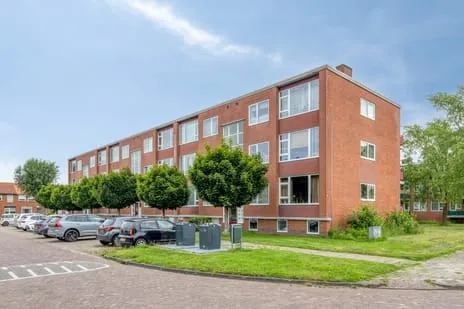
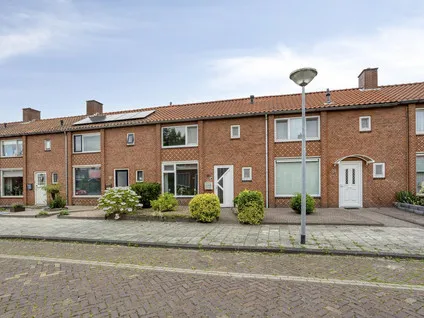

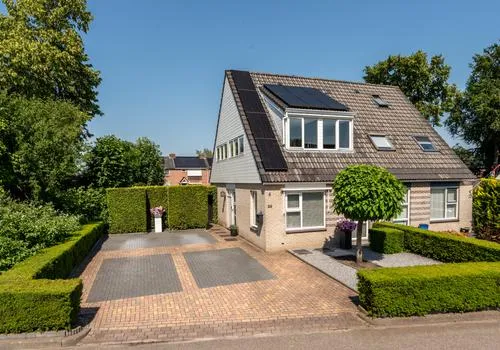
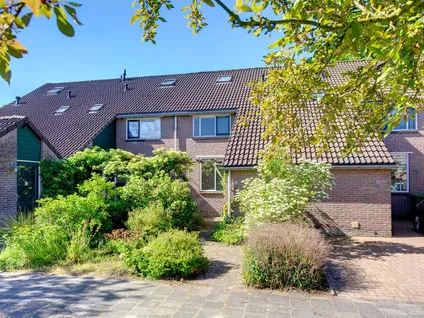
House prices and market figures Winschoten-Bomenbuurt, Oldambt
The Bomenbuurt in Winschoten is predominantly an owner-occupied neighbourhood: 54% of the more than 1,150 homes are owned, the remaining 46% are rented. That rental share is relatively high, with housing associations accounting for a significant portion (35%). The average WOZ value is €206,000, which is noticeably lower than the district average of Winschoten (€242,000) and the municipal average of Oldambt (€254,000). The neighbourhood is therefore on the affordable side of the Winschoten owner-occupied market.
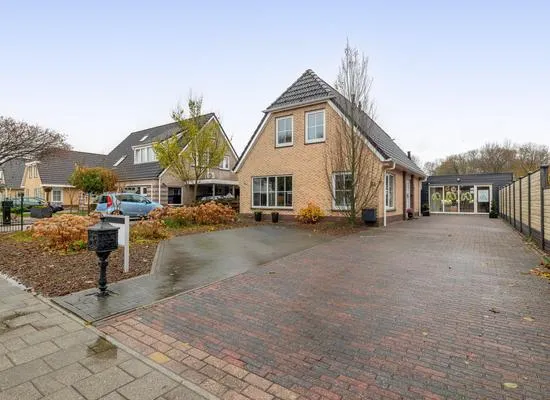
Based on sales over the past twelve months, an average of €306,031 was paid for a home in Bomenbuurt, with an average living area of 114 m². That equates to a price of approximately €2,685 per m². The range runs from €105,000 to €624,500, indicating that both starter homes and larger, more expensive houses come onto the market. A total of 16 homes changed hands in this period. For current asking prices and the current supply in the neighbourhood, you can consult the overview at the top of this page.
Living in Winschoten-Bomenbuurt, Oldambt
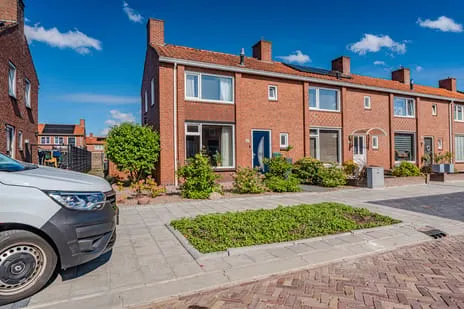
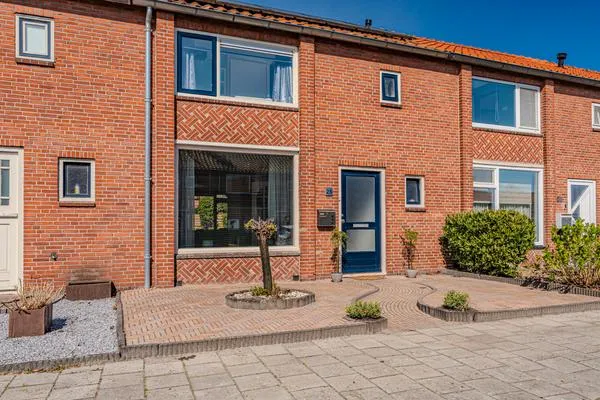
Bomenbuurt is a quiet, green residential neighbourhood on the west side of Winschoten. The name says it all: trees are the common thread here, both along the streets and in the small green strips that cross the neighbourhood. The character is typically post-war: many terraced houses and semi-detached houses from the 1950s and 1960s, interspersed with some later additions. The streetscape is clear and the buildings have a human scale. Those used to an urban environment will find it quiet here. Those who are looking for peace and space within cycling distance of a city centre will quickly feel at home here.
The neighbourhood borders the centre of Winschoten, which you can reach in a few minutes by bike. There you will find the shops on the Venne and the Marktplein, the library and various catering establishments. For daily groceries you hardly need to leave the neighbourhood: supermarkets are within easy reach. Primary schools in and around the neighbourhood serve the younger residents, and for secondary education, Ubbo Emmius in Winschoten is a logical choice. Sports clubs for football, tennis and swimming are present in the wider Winschoten area.
In terms of accessibility, the neighbourhood scores reasonably well. Winschoten station is about ten minutes away by bike and offers connections to Groningen (about 40 minutes by train). By car, the N7 and the connection to the A7 towards Groningen are quickly accessible. Bus services run via the centre of Winschoten. Parking is not a problem on most streets.
Residents of Bomenbuurt particularly appreciate the peace, the green appearance and the affordable entry point compared to other parts of Winschoten. One resident writes: "It's quiet living here, the neighbours know each other and the neighbourhood is well maintained. You're in the city centre in no time." Criticism sometimes focuses on the outdated state of part of the housing stock and the limited own facilities within the neighbourhood itself. On the neighbourhood main page of Winschoten-Bomenbuurt you will find all resident reviews and neighbourhood scores per category.
Compared to Winschoten-Centrum, Bomenbuurt is quieter and greener, but less lively. Winschoten-Noord and Winschoten-Zuid have a similar living environment, but may differ in price and type of home. Those looking for more space and a more rural environment can also look at Finsterwolde or Beerta within the municipality of Oldambt. For a complete picture of the supply in the area, the owner-occupied homes in Winschoten as a whole are also a good starting point.
Who is a home for sale in Winschoten-Bomenbuurt interesting for?
Bomenbuurt mainly attracts movers and families looking for space without paying a top price. The largest age group is 45 to 65 years, which confirms the image of a neighbourhood where people live for a long time. Starters can also find opportunities here, because the range starts at €105,000. Buying an apartment in Winschoten-Bomenbuurt is less common; the supply mainly consists of ground-based homes. Keep in mind that the number of transactions is limited (16 in the past year), so the supply at any given time can be small. Do you want to keep flexibility? Then also check the rental homes in Winschoten-Bomenbuurt as an alternative. The municipality of Oldambt provides information about local regulations and housing policy via oldambt.nl.
What residents say about Winschoten-Bomenbuurt
Residents describe Bomenbuurt as a quiet, clear residential neighbourhood where social cohesion is good. The green layout of the streets is regularly mentioned positively. One resident says: "Nice living here, quiet yet close to all amenities of Winschoten. The neighbourhood is tidy and the people are friendly." Less positive comments concern the maintenance of the older housing stock and the limited own catering or shops in the neighbourhood itself. View all reviews and partial scores on the page of Bomenbuurt.
Compare homes for sale in and around Winschoten-Bomenbuurt
Buurtje.nl bundles the supply from more than 1,500 sources in one place, supplemented with resident reviews and neighbourhood data that you won't find anywhere else. This way you can not only compare the supply, but also assess whether the neighbourhood suits you. View the total supply of homes for sale in Oldambt for a broader perspective, or delve into the Zeeheldenbuurt and Winschoten-Grintweg as nearby alternatives within the same district.
Frequently asked questions
What is the cost of a home in Winschoten-Bomenbuurt?
The average purchase price in Winschoten-Bomenbuurt over the past twelve months was €306,031, with an average living area of 114 m². That works out to approximately €2,685 per m². Prices ranged from €105,000 to €624,500, indicating that both starter homes and larger houses come onto the market.
What is the WOZ value in Winschoten-Bomenbuurt?
The average WOZ value in Winschoten-Bomenbuurt is €206,000. That is lower than the district average of Winschoten (€242,000) and the municipal average of Oldambt (€254,000). The neighbourhood is thus among the more affordable parts of the municipality.
What is it like living in Winschoten-Bomenbuurt?
Living in Winschoten-Bomenbuurt is quiet and green. The neighbourhood consists largely of post-war terraced houses and semi-detached houses, with plenty of greenery along the streets. Residents appreciate the tranquillity and the proximity to the centre of Winschoten, which is a few minutes' bike ride away.
Is Winschoten-Bomenbuurt suitable for families with children?
Yes, the neighbourhood is well-suited for families. Primary schools are within easy reach in the immediate vicinity, and Ubbo Emmius offers secondary education in Winschoten. The quiet streets and green strips make the neighbourhood child-friendly. The largest resident group is 45 to 65 years old, indicating a stable, mature living environment.
How accessible is Winschoten-Bomenbuurt?
Winschoten station is about a ten-minute bike ride away and offers train connections to Groningen in approximately 40 minutes. By car, you quickly connect to the N7 and A7 towards Groningen. Bus services run via the centre of Winschoten. Parking is not a problem on most streets.
What types of homes are for sale in Winschoten-Bomenbuurt?
The supply mainly consists of ground-floor homes: terraced houses and semi-detached houses from the 1950s and 1960s. Buying an apartment in Winschoten-Bomenbuurt is less common; this type of home is limited here. The average living area of sold homes in the recent period was 114 m².
Is there enough greenery and are there parks in Winschoten-Bomenbuurt?
The Bomenbuurt owes its name to the green layout of the streets, with trees along many roads and smaller green strips in the neighbourhood. Larger parks and recreational areas can be found in the wider surroundings of Winschoten. Residents regularly mention the greenery as one of the positive features of the neighbourhood.