Municipality in Drenthe
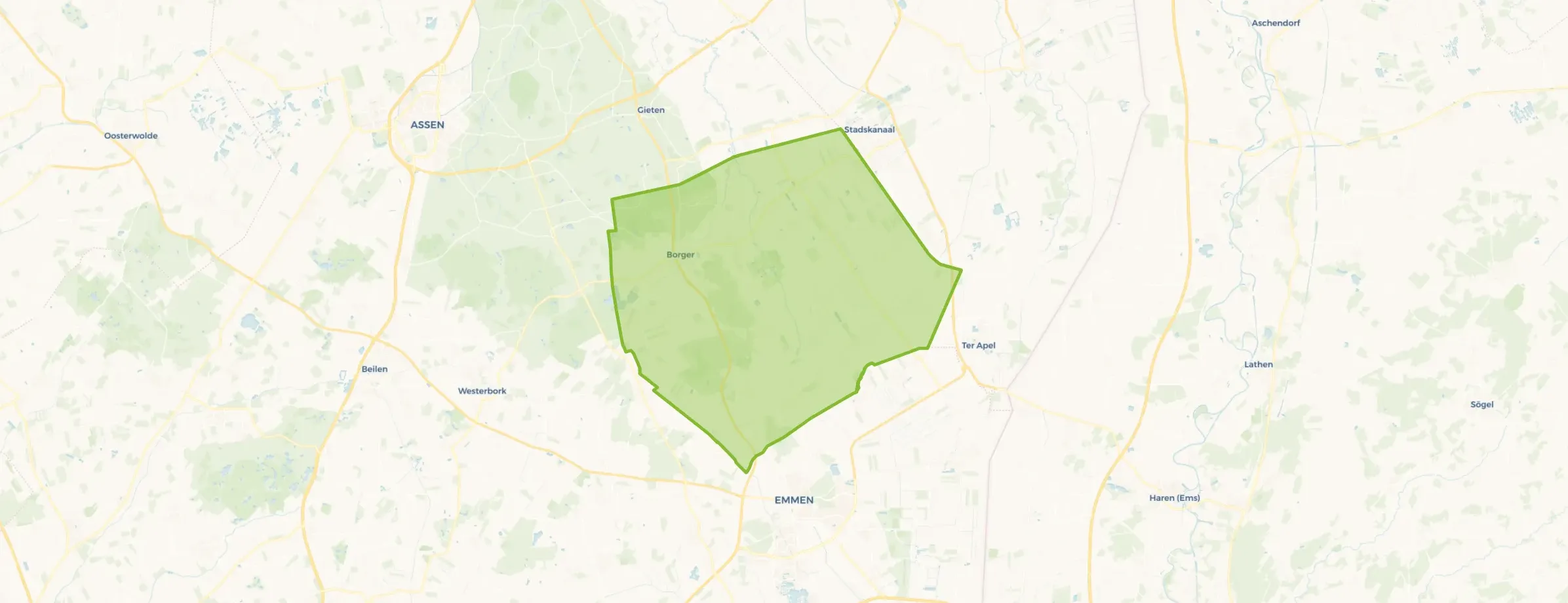
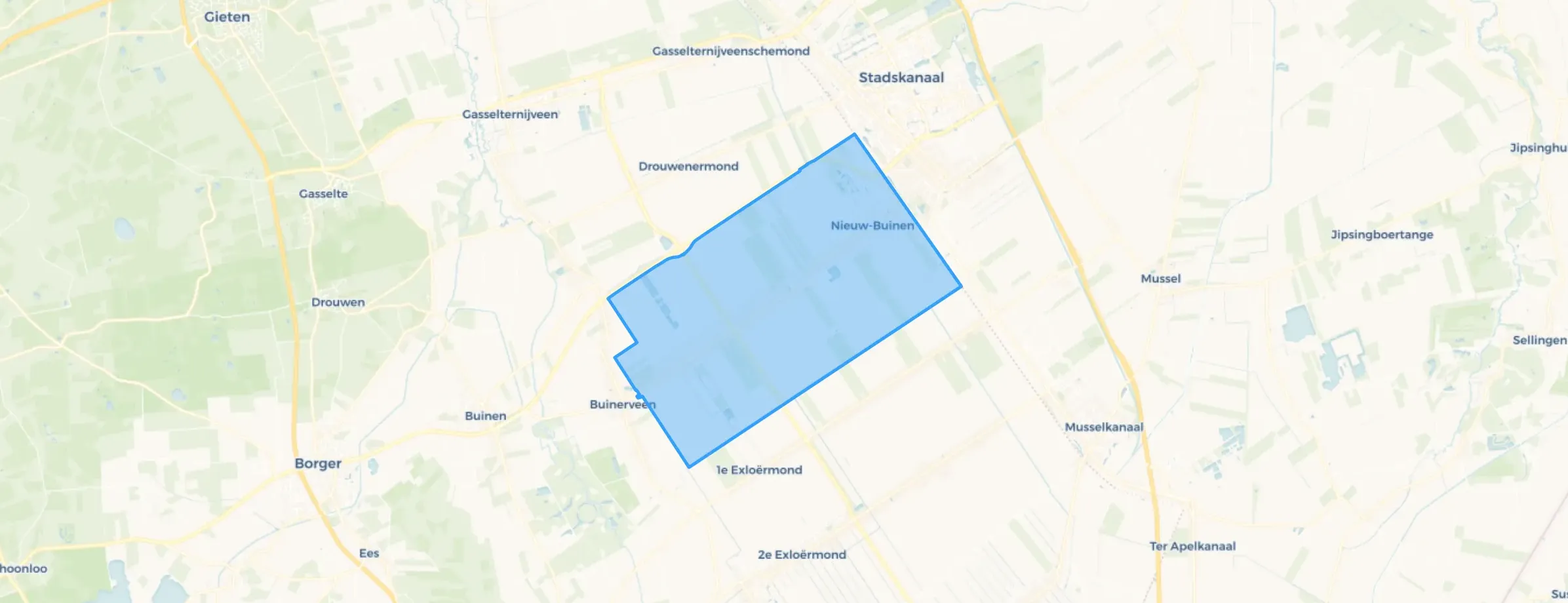
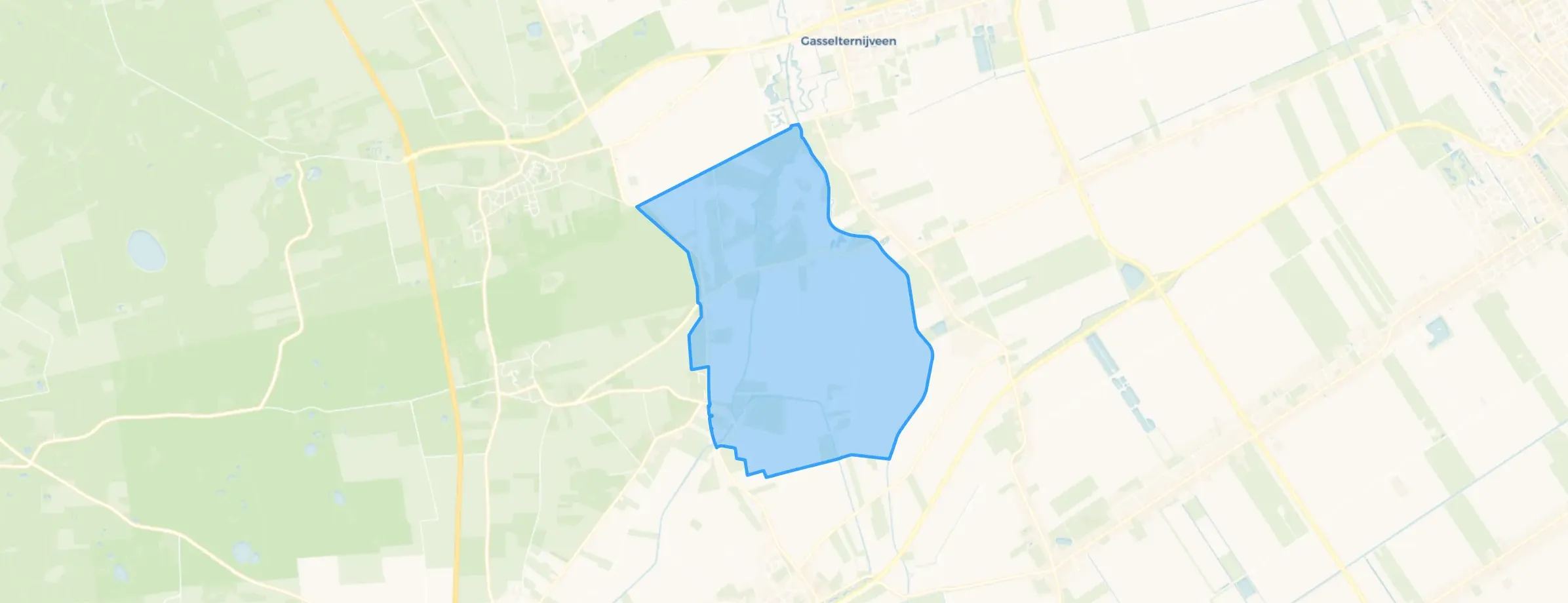
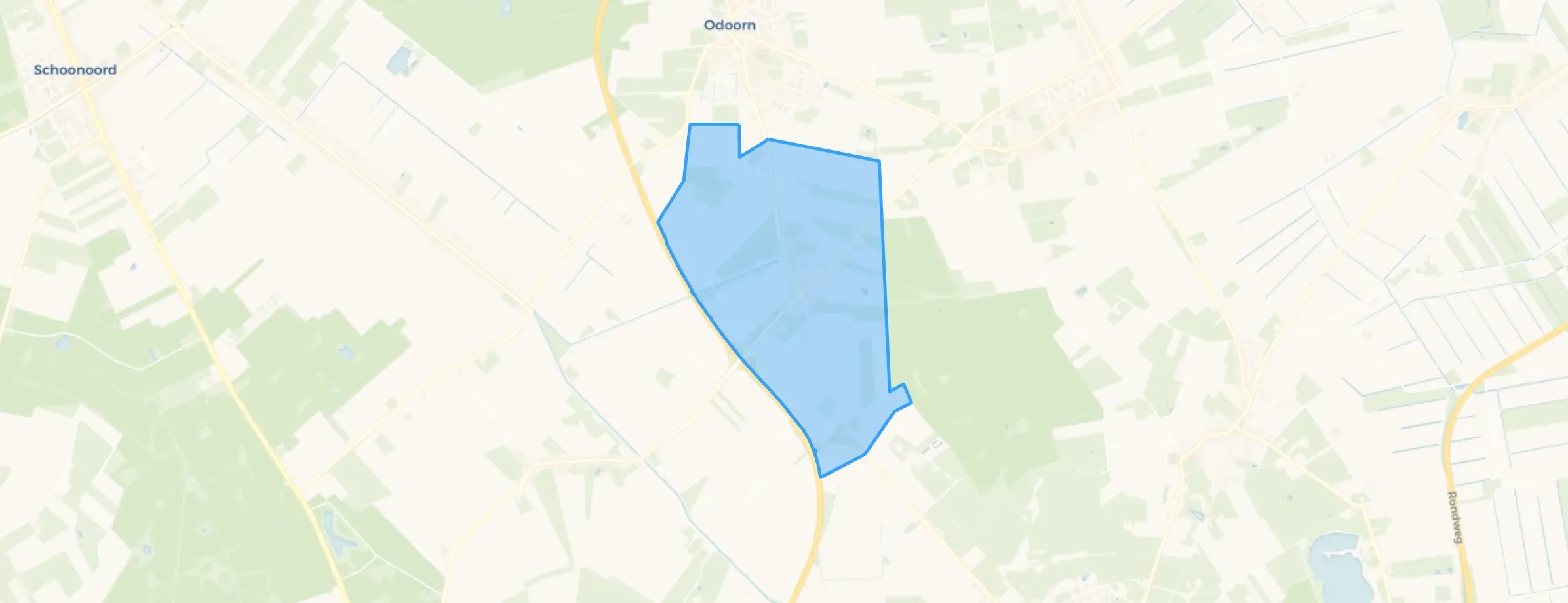
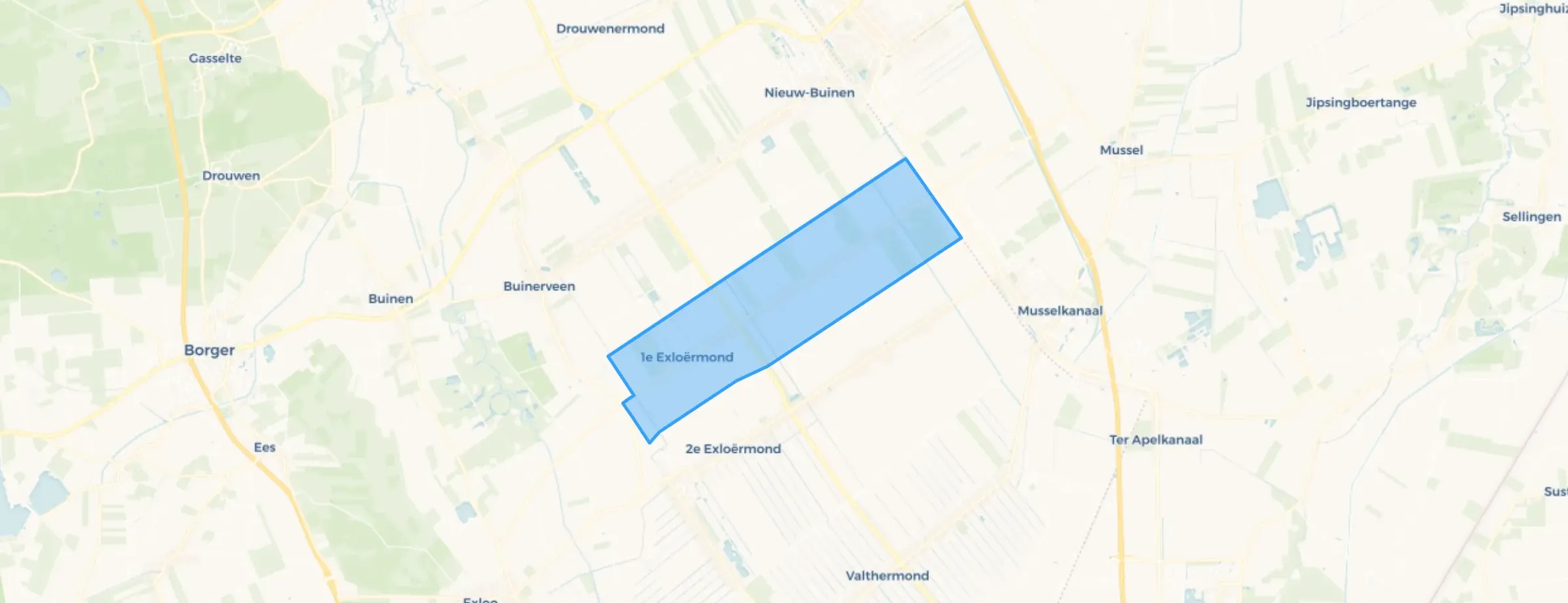
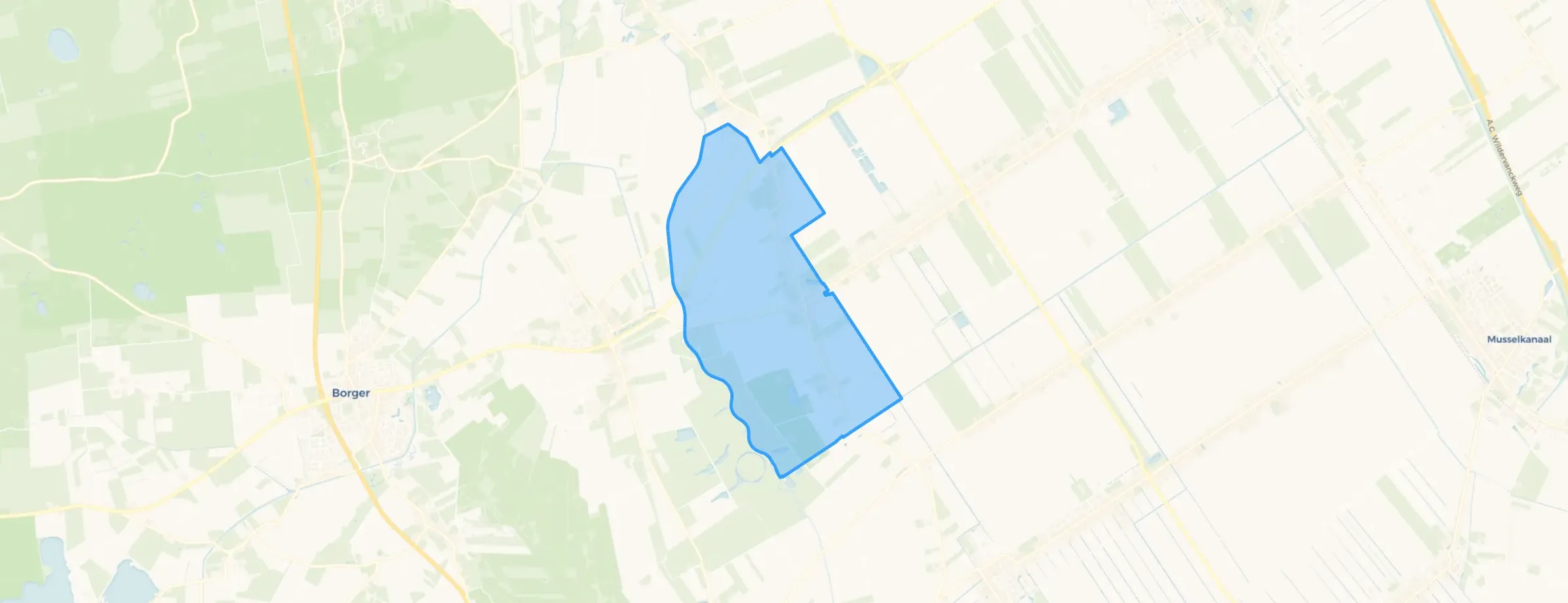
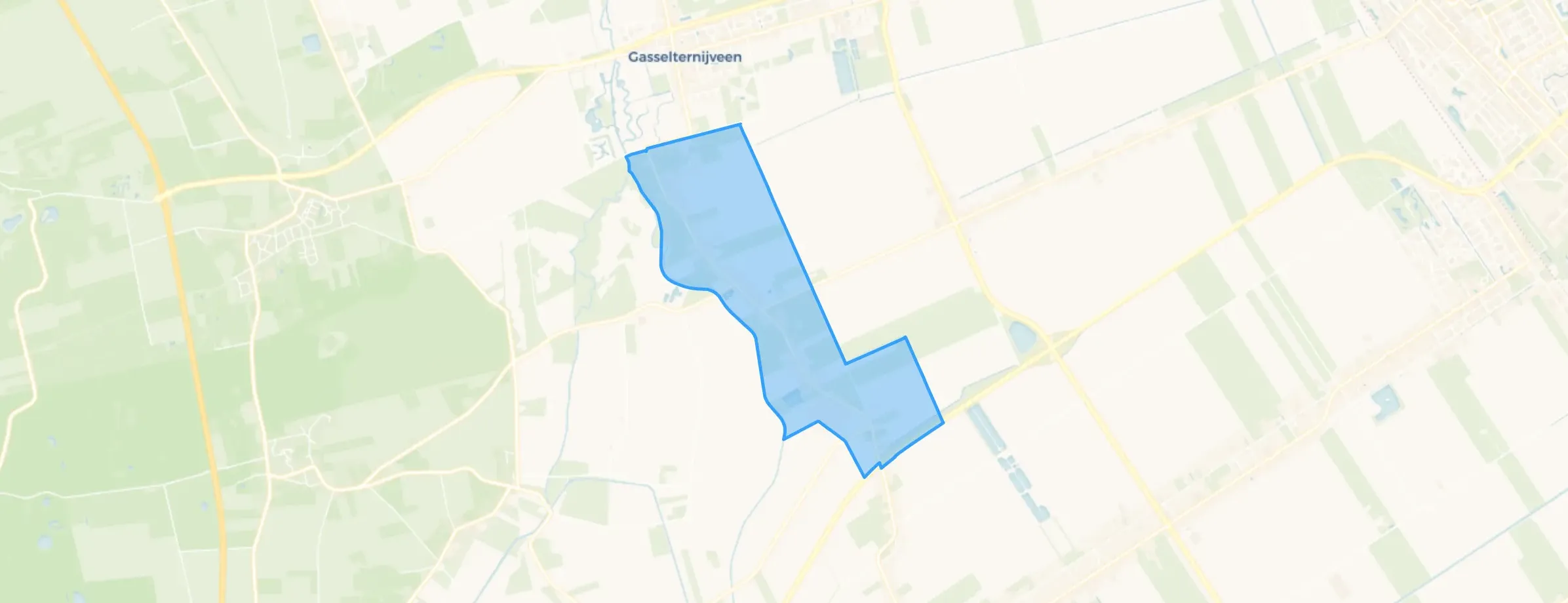
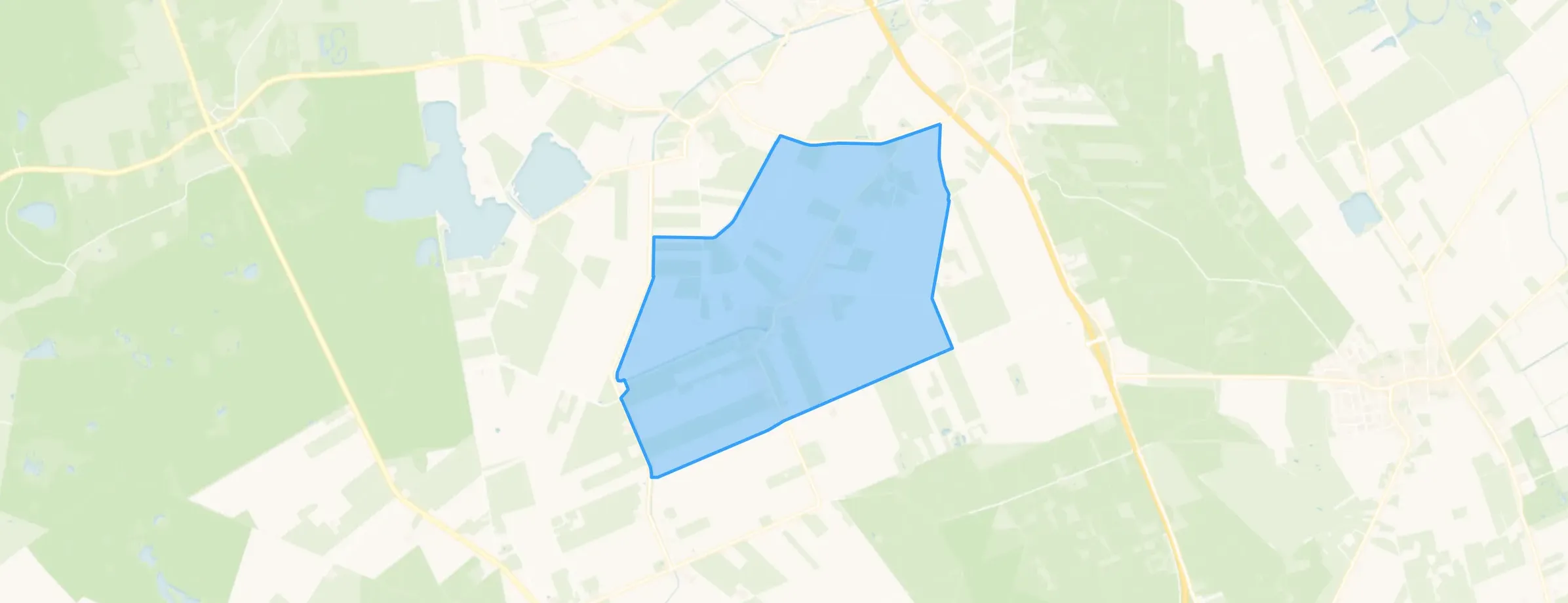
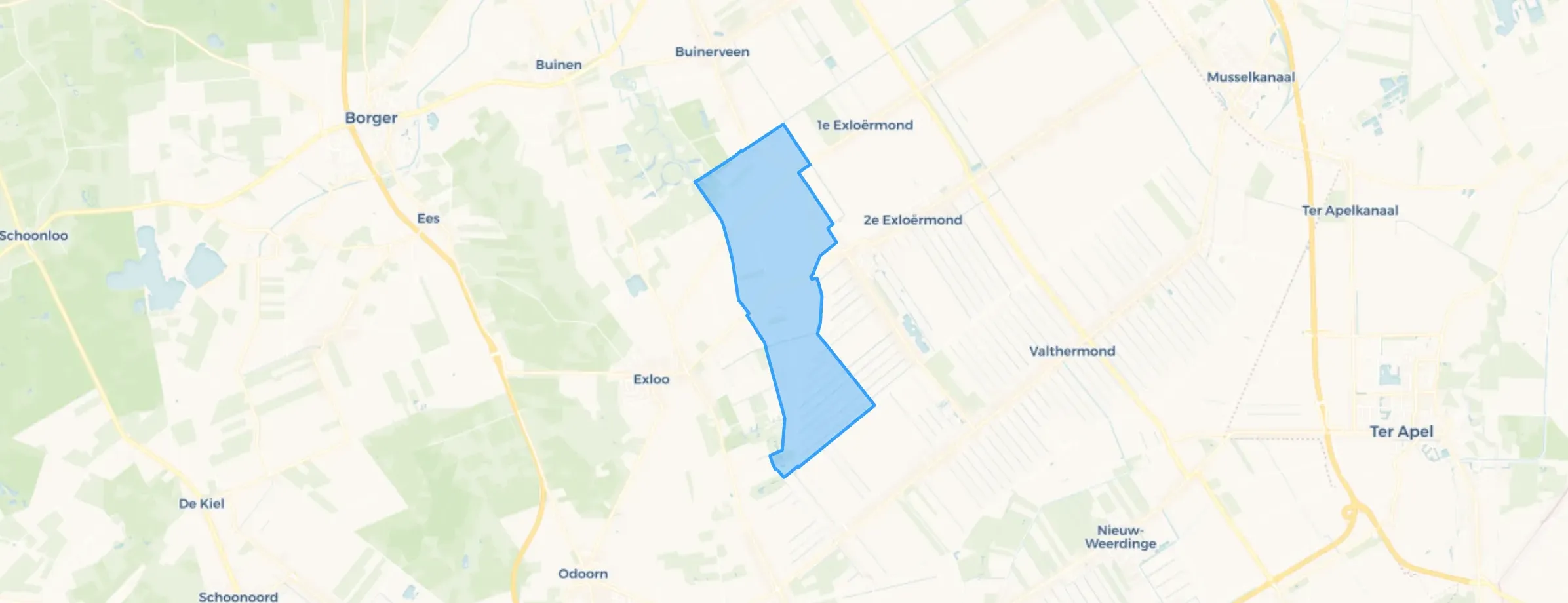
Borger-Odoorn is located in the province of Drenthe The municipality has a total area of 27.789 hectares, of which 27.469 hectares are land and 321 hectares are water. The municipality is coded as GM1681. The postcode area is 7858TA-9574PC.
Borger-Odoorn has 26.049 residents. Of these, 50,3% are men and 49,7% are women. Most residents are 45 to 65 years (29,7%). The other age groups are 26,8% for '65 years or older', 20,0% for '25 to 45 years', 13,6% for '0 to 15 years' and 9,9% for '15 to 25 years'. Of the residents, 40,7% is unmarried, 45,8% is married, 7,5% is divorced and 6,0% is widowed. 23.771 residents originate from the Netherlands, 1.075 come from Europe and 1.203 come from countries outside Europe.
There are 11.600 households in Borger-Odoorn. 30,1% of these are single-person households, 38,5% households without children and 31,4% households with children. The average household size is 2,2 persons. The national average is 2,1 persons.
In Borger-Odoorn there are 21.600 income recipients. The average income per income recipient is €38.300, which is €3.900 (9%) lower than the national average of €42.200. Per resident, the average income is €32.300, which is €2.600 (7%) lower than the national average of €34.900. Most residents of Borger-Odoorn are educated to an intermediate level. 47,5% have an intermediate education (HAVO, VWO or MBO 2-4), 26,4% have a lower education (VMBO or MBO 1) and 26,1% have a university or higher professional education (HBO/WO).
Of the 26.049 residents, around 69% are in paid employment, which amounts to 17.974 people. This is 3% lower than the national average of 72%. The majority of workers are in salaried employment (81%), while 19% are self-employed. In Borger-Odoorn, 32% of residents receive a benefit. The largest group is those receiving a state pension (AOW). 6.220 people receive this benefit.
In Borger-Odoorn there are 11.628 homes with an average assessed value (WOZ) of €321.000. Of these, around 96% are occupied and 4% unoccupied. Most homes are owner-occupied. This amounts to 26% rental homes and 74% owner-occupied homes. Of the homes, 74% privately owned, 19% owned by housing associations and 7% owned by other landlords. The most common construction periods in Borger-Odoorn are 1950-1970 (20%) and 1970-1980 (15%).
There are currently no homes for sale in Borger-Odoorn. The most recently listed home is Bergmans-Beinsstraat 11 by Wijnholds Makelaardij. No homes were sold in Borger-Odoorn over the past year.
There are currently no homes for rent in Borger-Odoorn. The most recent home is Begoniastraat 12, offered by www.thuiskompas.nl. No homes were let in Borger-Odoorn over the past year.
No recent rental data available for Borger-Odoorn.
In Borger-Odoorn there are 7.840 addresses with a registered energy label. The most common labels are C (27%), A (23%) and B (14%). On average, an address in Borger-Odoorn uses 3.070 kWh of electricity per year. This is 20% above the national average of 2.550 kWh. Natural gas consumption, at 1.100 m³ per year, is 38% above the national average of 800 m³.






Very nice village with the downside that accessibility by public transport is poor.
Auto-translated to English by AIYes, Stadskanaal is nice to live in, everything is well organised and there's plenty to do if you also have a car, and it's nice and close to Germany. But the youth at school is a problem. Everyone is unkind to each other, they take relationships for just a few months at a time, and everyone talks behind each other's backs, and online they post things about each other, and speaking of which, I myself was posted online two days ago with a photo of me and my address included. But it's been taken down fortunately, but it's still a strange thing to do. But yeah, that kind of weird stuff happens here.
Auto-translated to English by AIOld farts neighbourhood with lots of cliques and families
Auto-translated to English by AIGood
Auto-translated to English by AIThe neighbourhood has little contact with each other because people here are quite independent. Sometimes we do have contact, but that's just a small chat when we happen to run into each other. The only people you see/hear hanging out together here often abuse alcohol.
Auto-translated to English by AIIt's a boring neighbourhood, especially for young people.
Auto-translated to English by AIA nice neighbourhood where they do a lot together with BBQ parties or on Neighbour's Day is always super fun
Auto-translated to English by AIThe most common type is detached houses (56%).
Over the past year a home for sale in Borger-Odoorn was listed for an average of €418,304 (€3,108 per m²). That is 21% below the Dutch national average. Last quarter prices rose by 8%.
Residents give Borger-Odoorn a 7.0 out of 10 based on 7 reviews. Especially nature and greenery (8.7) scores well; education (4.7) receives the lowest rating.
Gemeente Borger-Odoorn has 26,049 residents. The largest age group is 45 to 65 years (30%).
The housing supply in Borger-Odoorn is remarkably efficient: 50% has an A, A+ or B label. The average natural gas consumption per household is 1,100 m³ per year.
From Borger-Odoorn you can on average reach a supermarket at 2.2 km, a GP at 1.9 km, a railway station at 15.7 km, a primary school at 1.4 km (as the crow flies, source: CBS).
Right now you will find 180 homes for sale and 1 homes for rent in Borger-Odoorn.