Municipality in Noord-Brabant
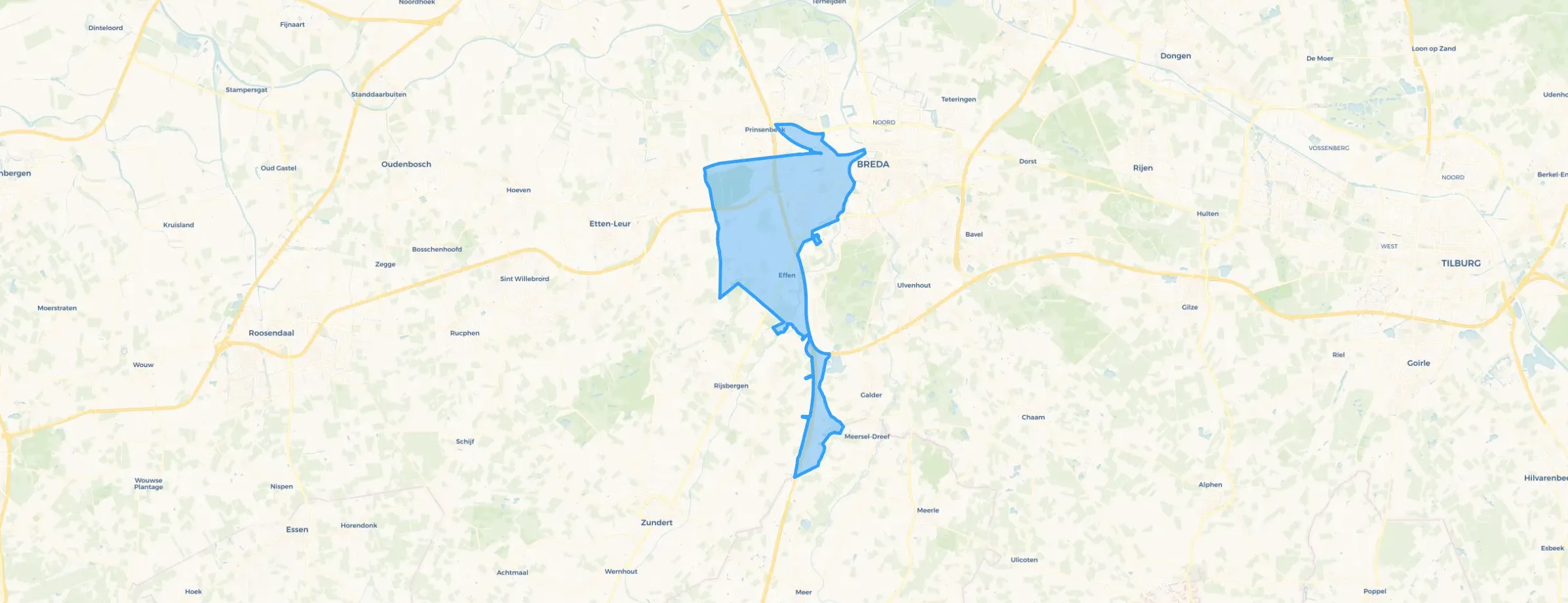
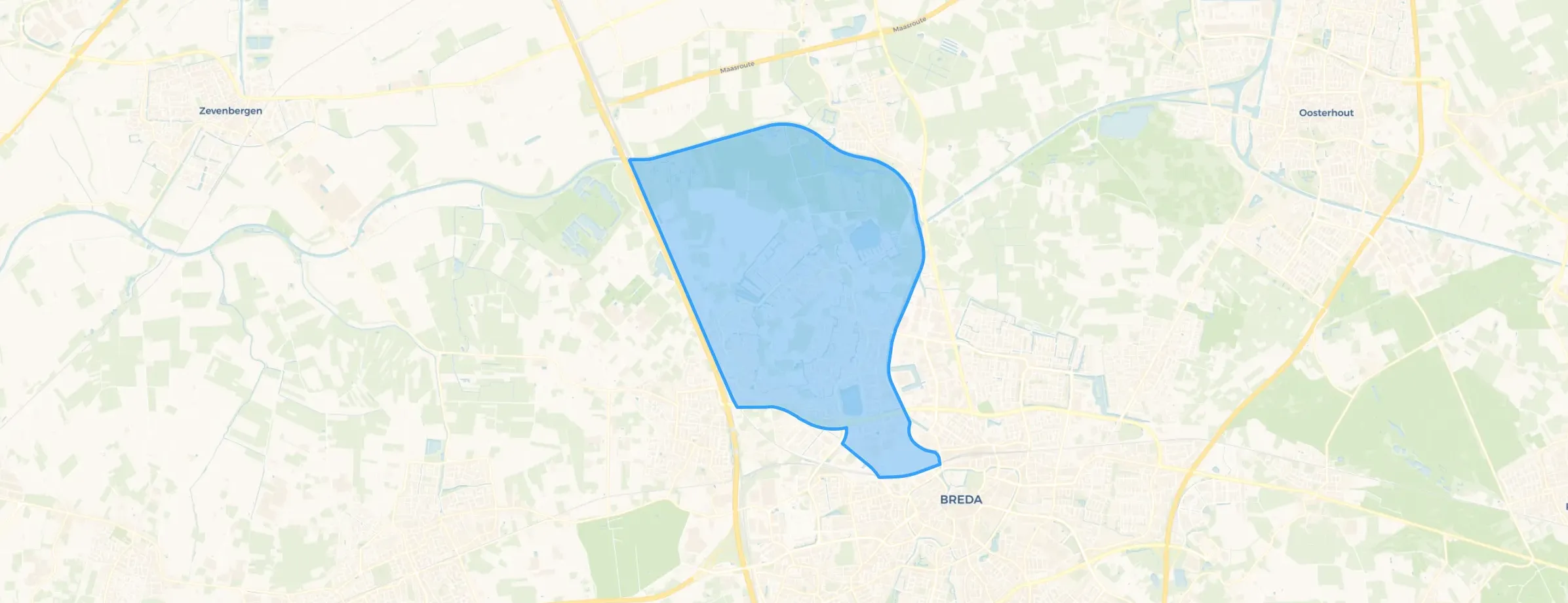
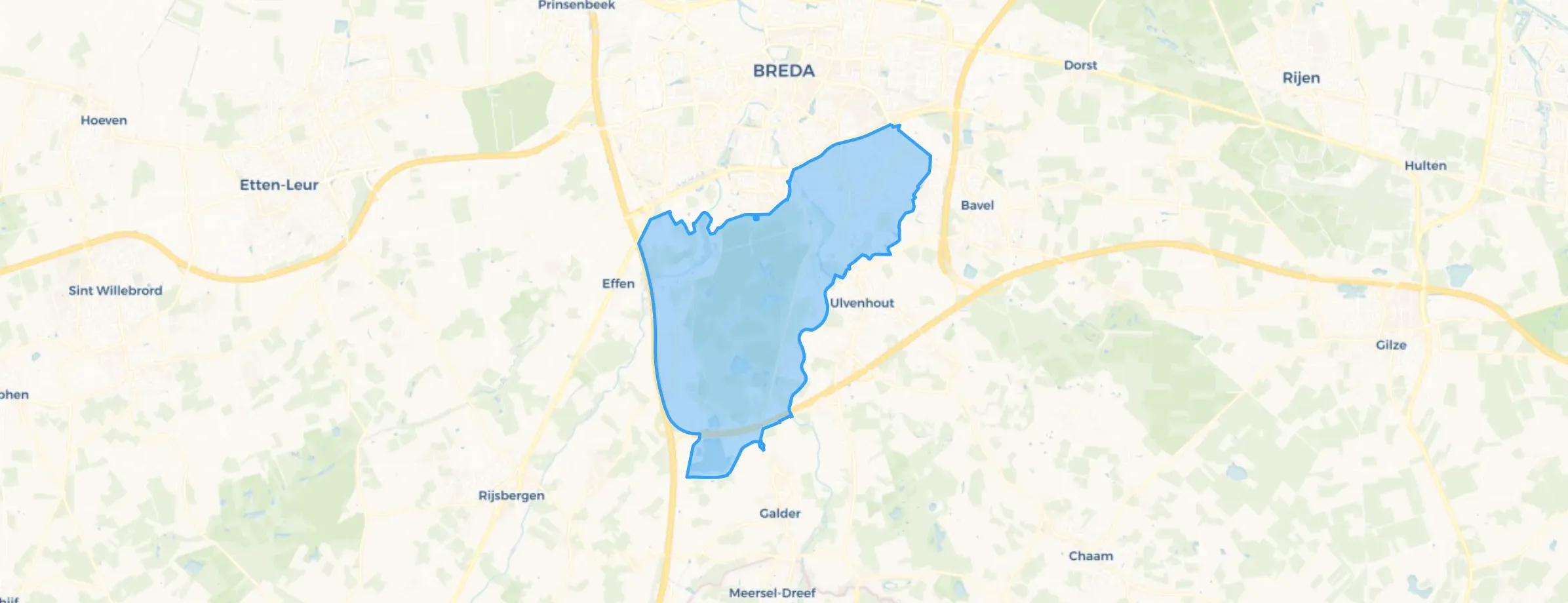
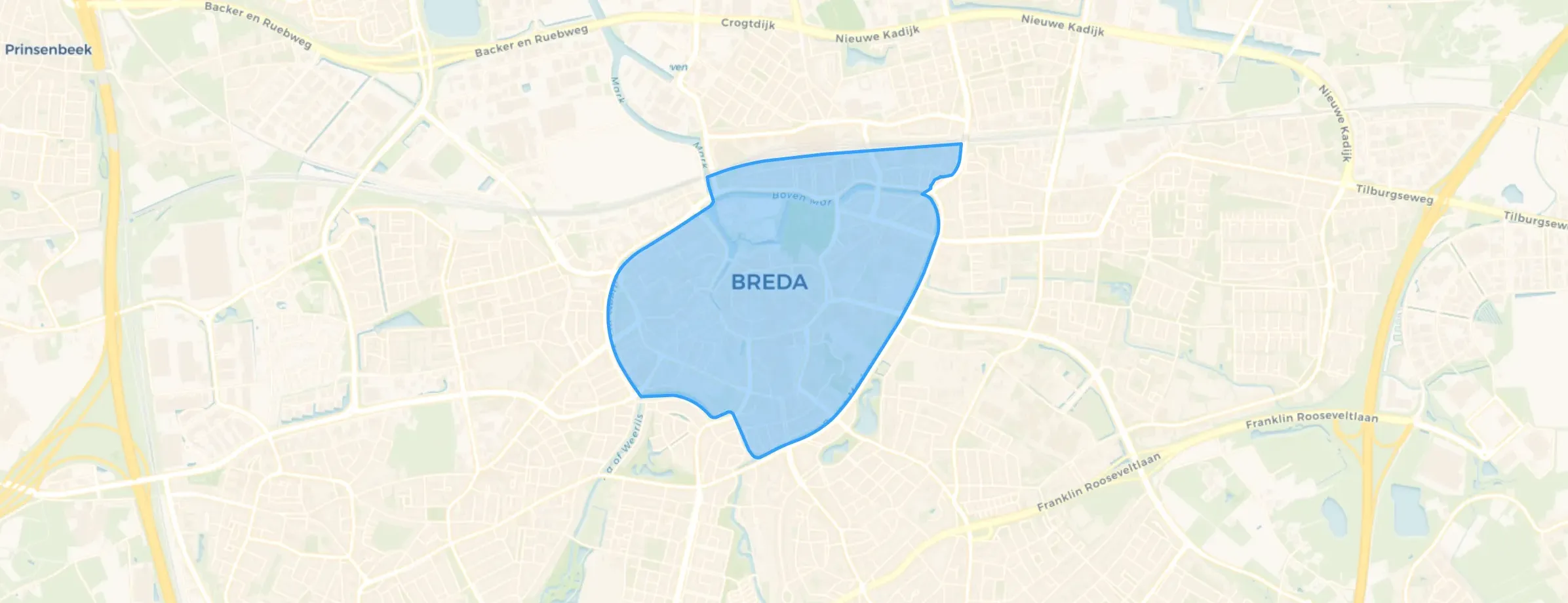
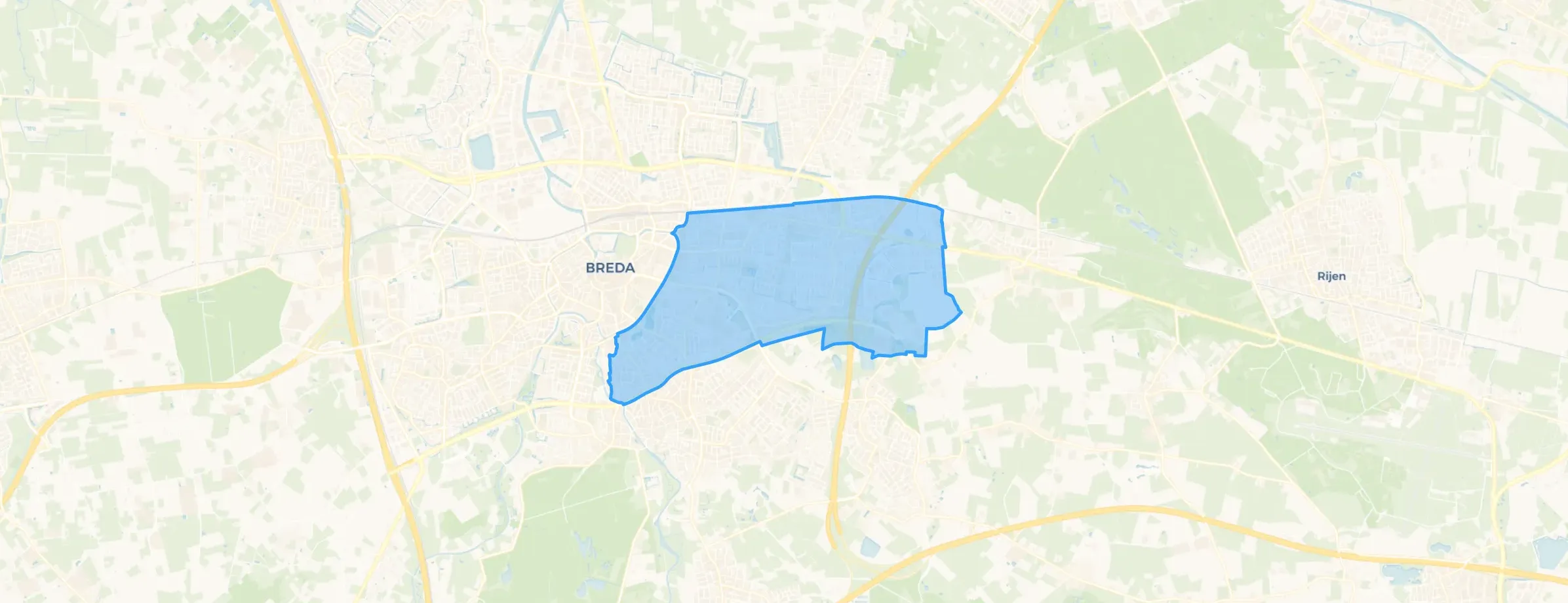
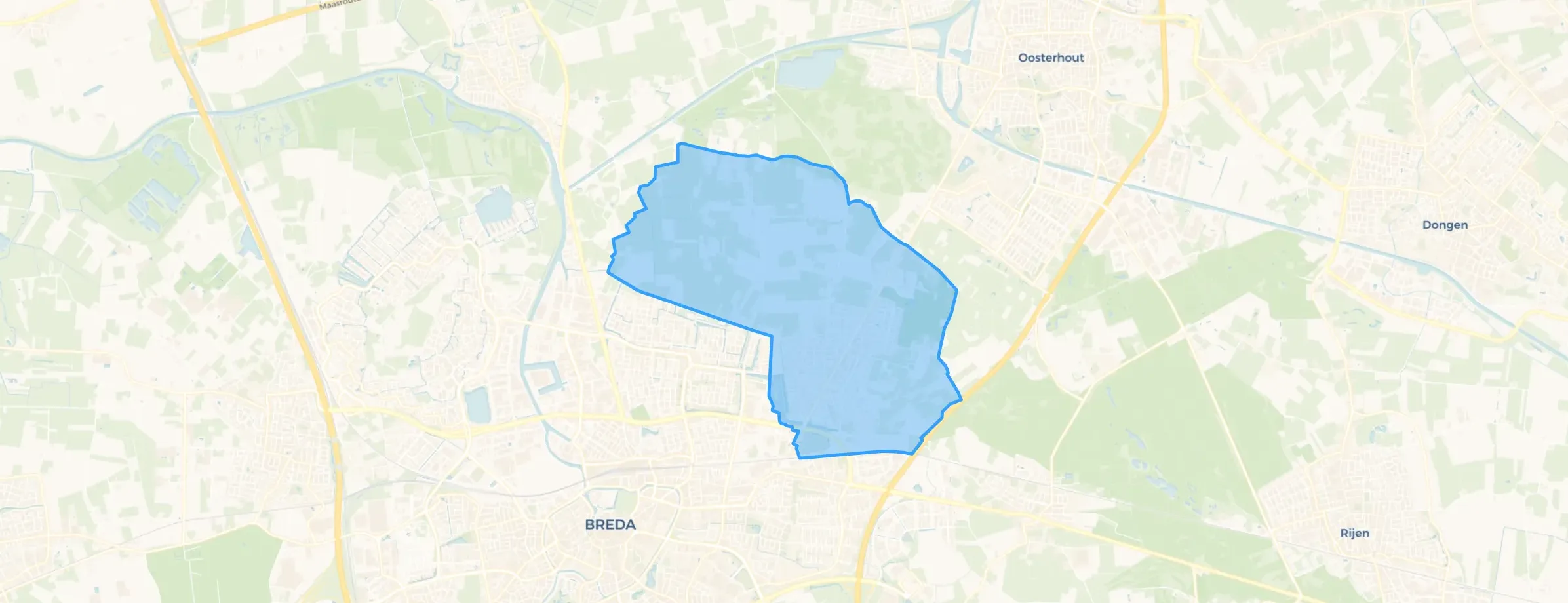
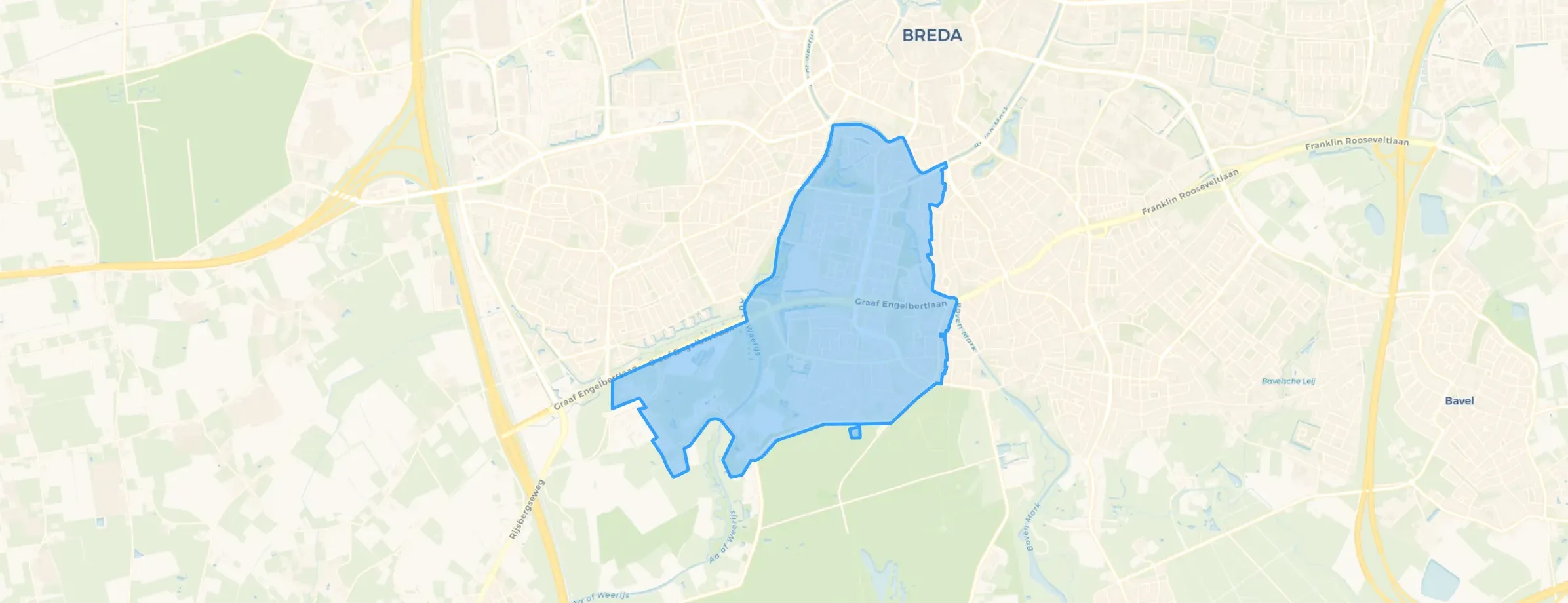
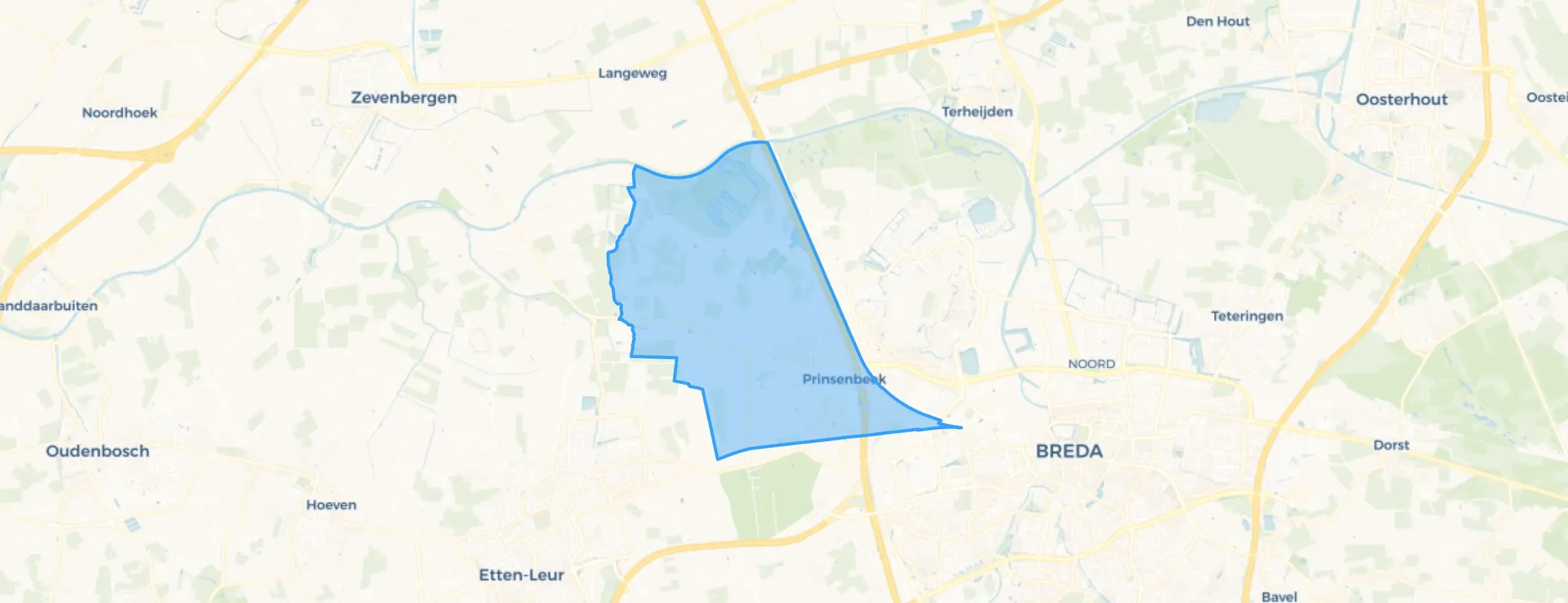
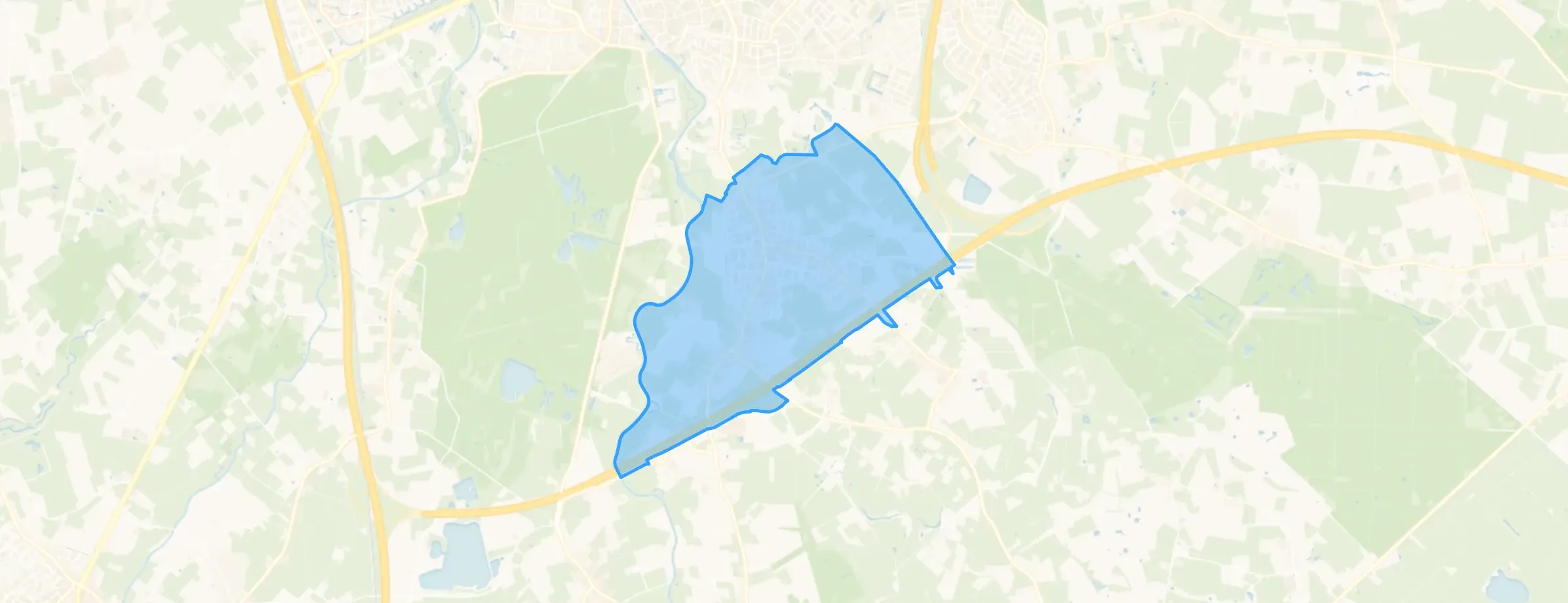
Breda is located in the province of Noord-Brabant The municipality has a total area of 12.868 hectares, of which 12.569 hectares are land and 299 hectares are water. The municipality is coded as GM0758. The postcode area is 4811AA-4854TA.
Breda has 188.779 residents. Of these, 49,3% are men and 50,7% are women. Most residents are 25 to 45 years (26,9%). The other age groups are 25,4% for '45 to 65 years', 19,6% for '65 years or older', 14,4% for '0 to 15 years' and 13,7% for '15 to 25 years'. Of the residents, 54,5% is unmarried, 32,9% is married, 7,9% is divorced and 4,7% is widowed. 135.315 residents originate from the Netherlands, 18.815 come from Europe and 34.649 come from countries outside Europe.
There are 92.225 households in Breda. 44,0% of these are single-person households, 27,0% households without children and 29,0% households with children. The average household size is 2,0 persons. The national average is 2,1 persons.
In Breda there are 153.400 income recipients. The average income per income recipient is €44.700, which is €2.500 (6%) higher than the national average of €42.200. Per resident, the average income is €37.300, which is €2.400 (7%) higher than the national average of €34.900. Most residents of Breda are highly educated. 41,3% have a university or higher professional education (HBO/WO), 36,6% have an intermediate education (HAVO, VWO or MBO 2-4) and 22,1% have a lower education (VMBO or MBO 1).
Of the 188.779 residents, around 73% are in paid employment, which amounts to 137.809 people. This is 1% higher than the national average of 72%. The majority of workers are in salaried employment (84%), while 16% are self-employed. In Breda, 25% of residents receive a benefit. The largest group is those receiving a state pension (AOW). 33.230 people receive this benefit.
In Breda there are 88.201 homes with an average assessed value (WOZ) of €419.000. Of these, around 97% are occupied and 3% unoccupied. Most homes are owner-occupied. This amounts to 45% rental homes and 55% owner-occupied homes. Of the homes, 56% privately owned, 28% owned by housing associations and 16% owned by other landlords. The most common construction periods in Breda are 1950-1970 (24%) and 1980-1990 (14%).
There are currently no homes for sale in Breda. The most recently listed home is Dinantstraat 28 by CORPOwonen. No homes were sold in Breda over the past year.
There are currently no homes for rent in Breda. The most recent home is Stationslaan 328, offered by Heimstaden. No homes were let in Breda over the past year.
No recent rental data available for Breda.
In Breda there are 67.024 addresses with a registered energy label. The most common labels are A (32%), C (19%) and B (15%). On average, an address in Breda uses 2.530 kWh of electricity per year. This is 1% below the national average of 2.550 kWh. With an annual consumption of 670 m³ per address, natural gas consumption is 16% below the national average of 800 m³.

Very dangerous my neighbourhood. I work as a volunteer for the last 32 years, but the situation is very very dangerous. Police don't listen. There is no gathering of the neighbourhood in the last two years. I always clean my street. Geeren Zuid Park. I have worked with Werk aan de wijk. I made art workshops. Municipality Breda didn't give 400 euros for material costs, only gave 200, so I asked my family for 1000 US dollars so I could buy materials. I'm sorry, but senior people get no respect here in Breda. (I was racially abused by a security guard in ALDI supermarket as I was giving my trolley to an old lady.) It hurts a lot as I worked for United Nations Goodwill Ambassadors for the last 50 long years, UNICEF, UNESCO, SAVE THE CHILDREN, NCIV Mr Pronk, Voices Of The Earth, for enlightenment in the visions of tomorrow. Pass the torch on to others. Hold on to the memories of yesterday. Even a small memory goes a long, long way and fulfils its purpose in eternity. Quote by M. Bugi. Help declare KALASH a tribe in the Hindukush Mountains as a United Nations World Heritage Site. We have been helping Kalash since 1980 - http://www.indigenouspeople.net/chitral.htm...
Auto-translated to English by AISafety is good. Hygiene is good, slightly less in some places because there is a McDonald's where some people don't clean up their rubbish. I don't have any trouble with this, and occasionally someone from McDonald's comes to clean it up. So I gave it a passing grade. Housing is also good. Everything is spacious. Accessibility for cars and cyclists is good. There is also a station reasonably close by. There is no school in the neighbourhood, so no education. You have to cycle a bit for that. About the community: it's fine. There is a neighbourhood party every year, but nothing more. I don't feel the need for that either. The neighbourhood is also reasonably green because the houses are spaced out. Many people have greenery in their own gardens. Just as there is no school, there are also no facilities. You have to cycle a bit for that again. Conclusion: I live well here. The neighbourhood is especially suitable for people who want to live spaciously and quietly. For elderly people who have difficulty walking, this neighbourhood is not suitable.
Auto-translated to English by AIGreat!! Everyone knows each other. (except the Dutch residents who have recently moved in) If these people also make an effort to get to know the Moluccan residents, it will only get better. After the renovation, quite a few owner-occupied houses with Dutch residents have been added. If both parties make some effort to adapt, we will become a beautiful residential area.
Auto-translated to English by AIGood experiences
Auto-translated to English by AII have lived in Kroeten my whole life, and have always lived positively here. It is a nice, tidy neighbourhood with various amenities nearby.
Auto-translated to English by AII haven't been living here very long, about six months I think, but I immediately felt at home. The Mastbos is literally around the corner for a lovely walk, as is the Ginniken square for nice restaurants and cafés. The Albert Heijn is a 5-minute bike ride or a 15-minute walk. The station is a 15-20 minute bike ride. There are many large, beautiful houses to admire here, the atmosphere feels very village-like, and it's all very lovely. It also feels safe.
Auto-translated to English by AIBeautiful, we help each other with a joint barbecue and a neighbourhood chat. It's great here. A chat is part of it every now and then.
Auto-translated to English by AII myself quite like living here
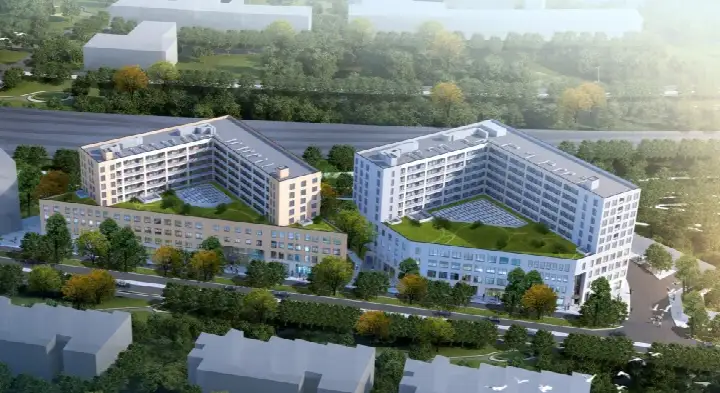
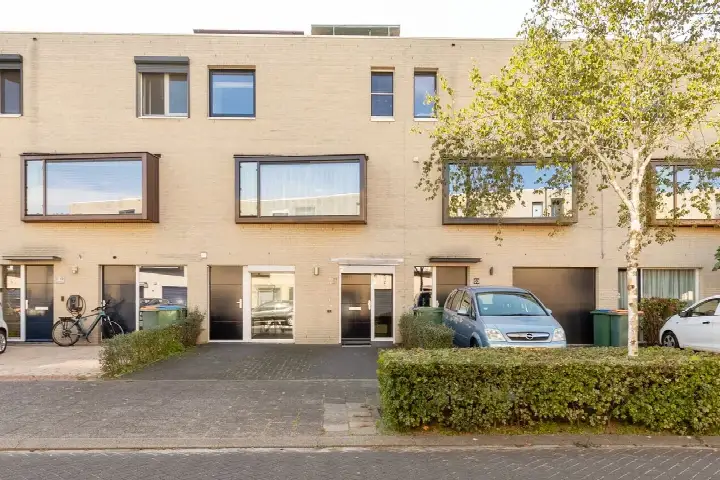
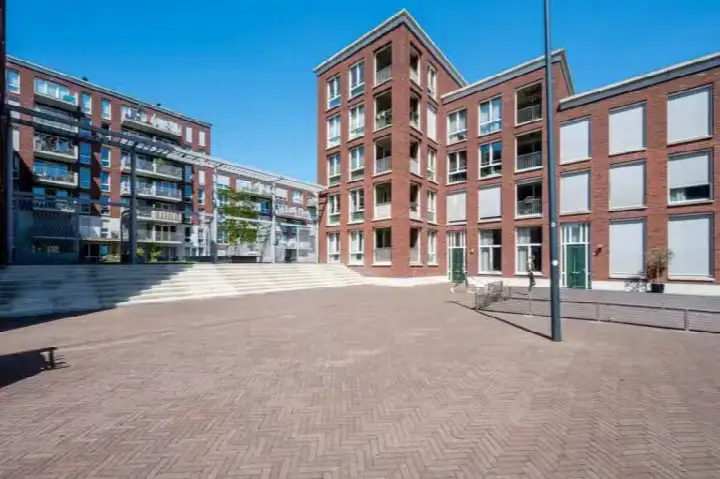
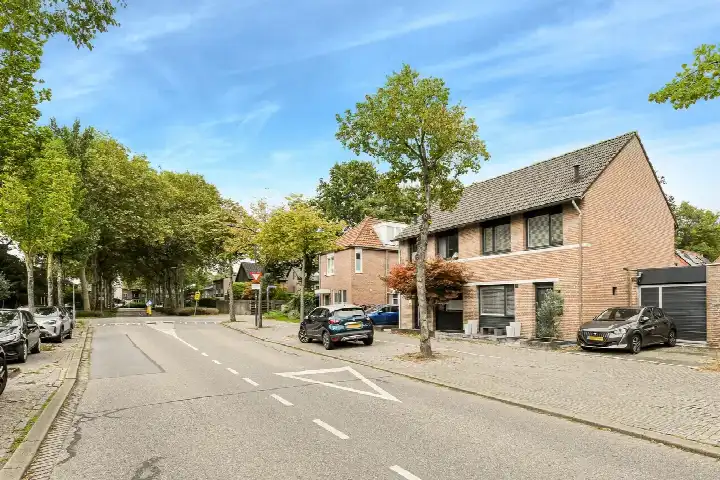
Auto-translated to English by AIThe housing stock is mainly post-war — 51% was built between 1945 and 1990. In addition, the most common type is flats (43%).
Over the past year a home for sale in Breda was listed for an average of €550,141 (€4,430 per m²). Last quarter prices rose by 7%.
A rental home in Breda cost an average of €1,658 per month (€18 per m²). That is 23% below the national average.
Residents give Breda a 7.6 out of 10 based on 60 reviews. Especially accessibility (8.2) scores well; amenities (7.3) receives the lowest rating.
The housing supply in Breda is remarkably efficient: 57% has an A, A+ or B label. The average natural gas consumption per household is 670 m³ per year.
From Breda you can on average reach a supermarket at 0.8 km, a GP at 0.8 km, a railway station at 3.2 km, a primary school at 0.7 km (as the crow flies, source: CBS).
Right now you will find 951 homes for sale and 219 homes for rent in Breda.