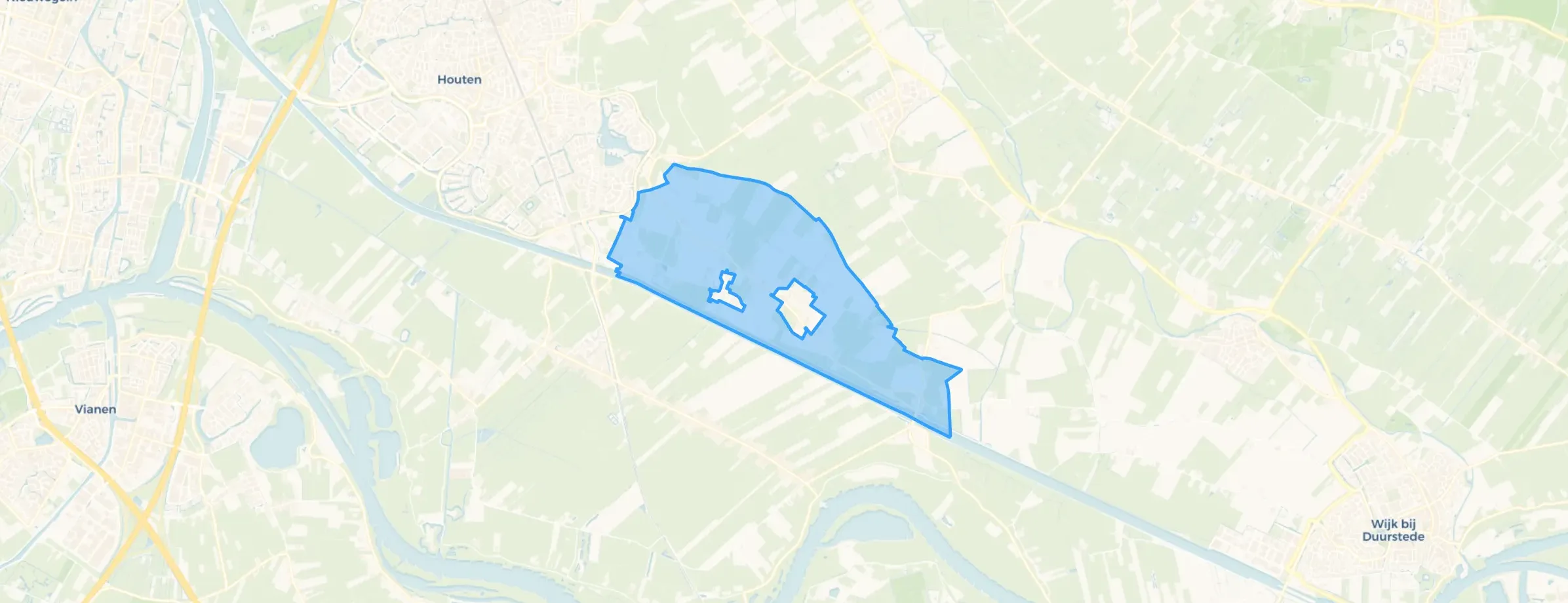
Municipality in Utrecht
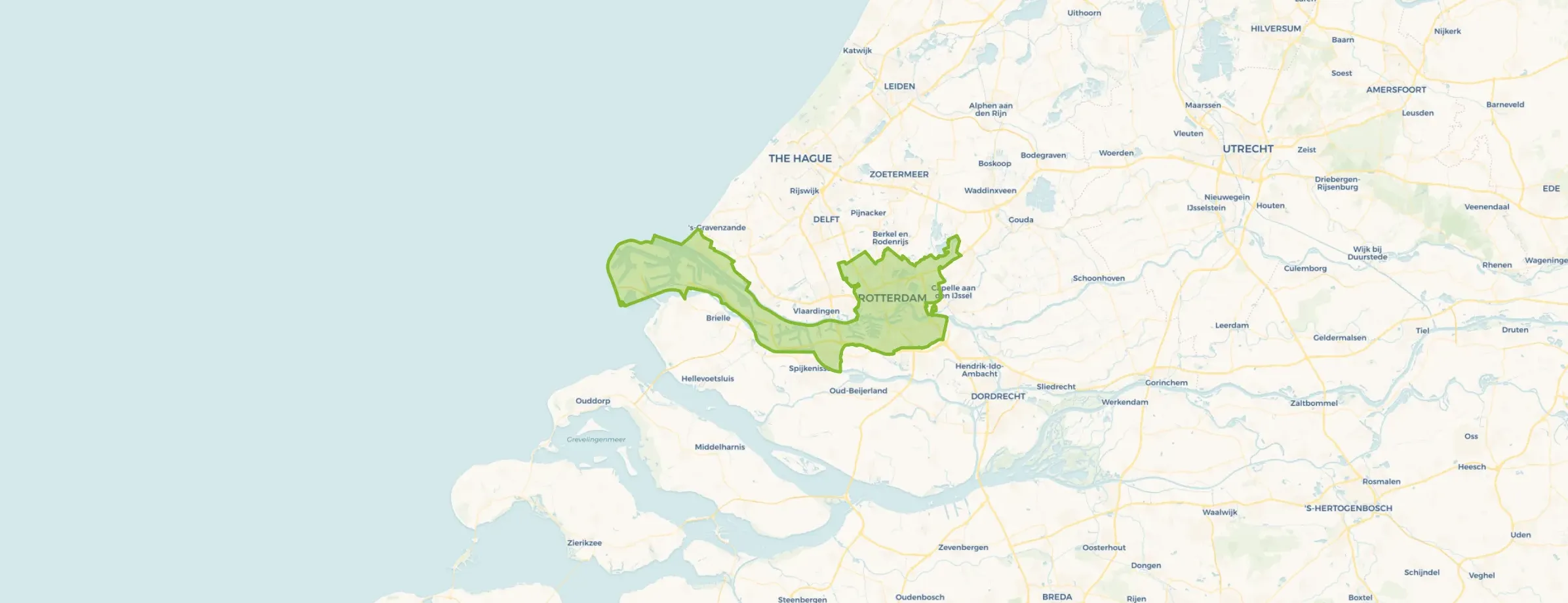
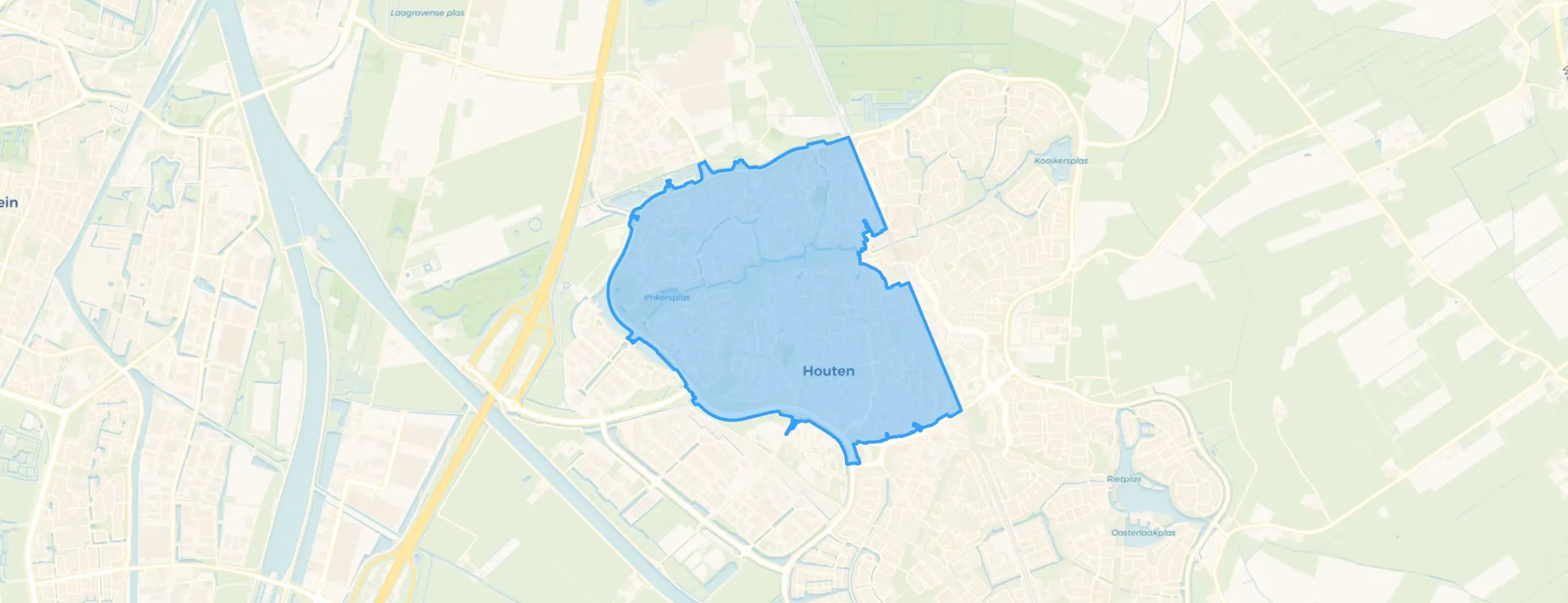
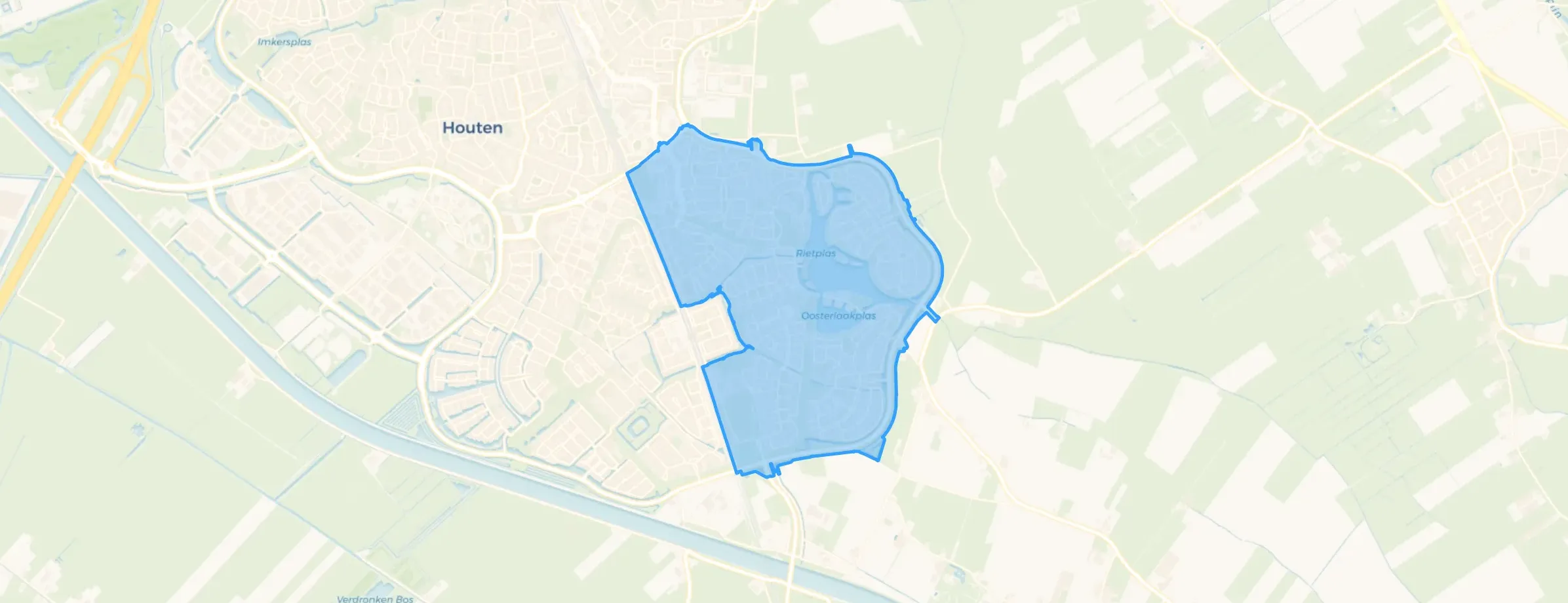
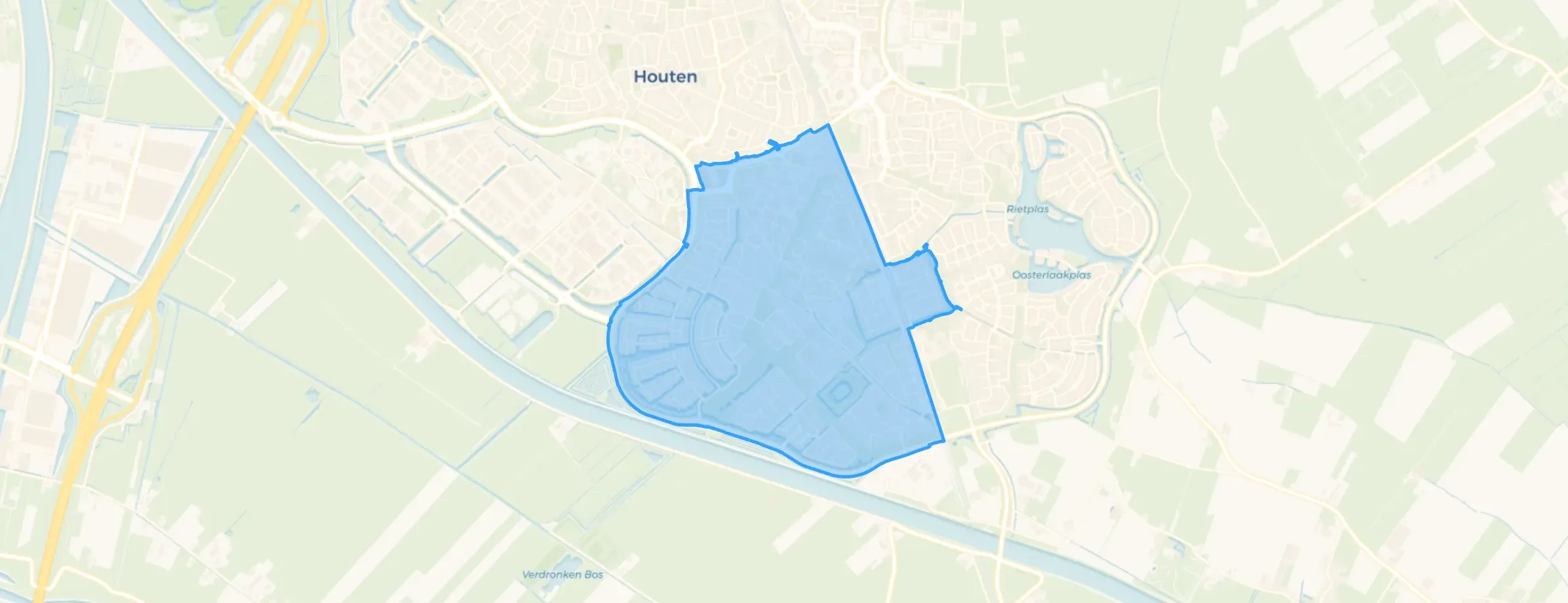
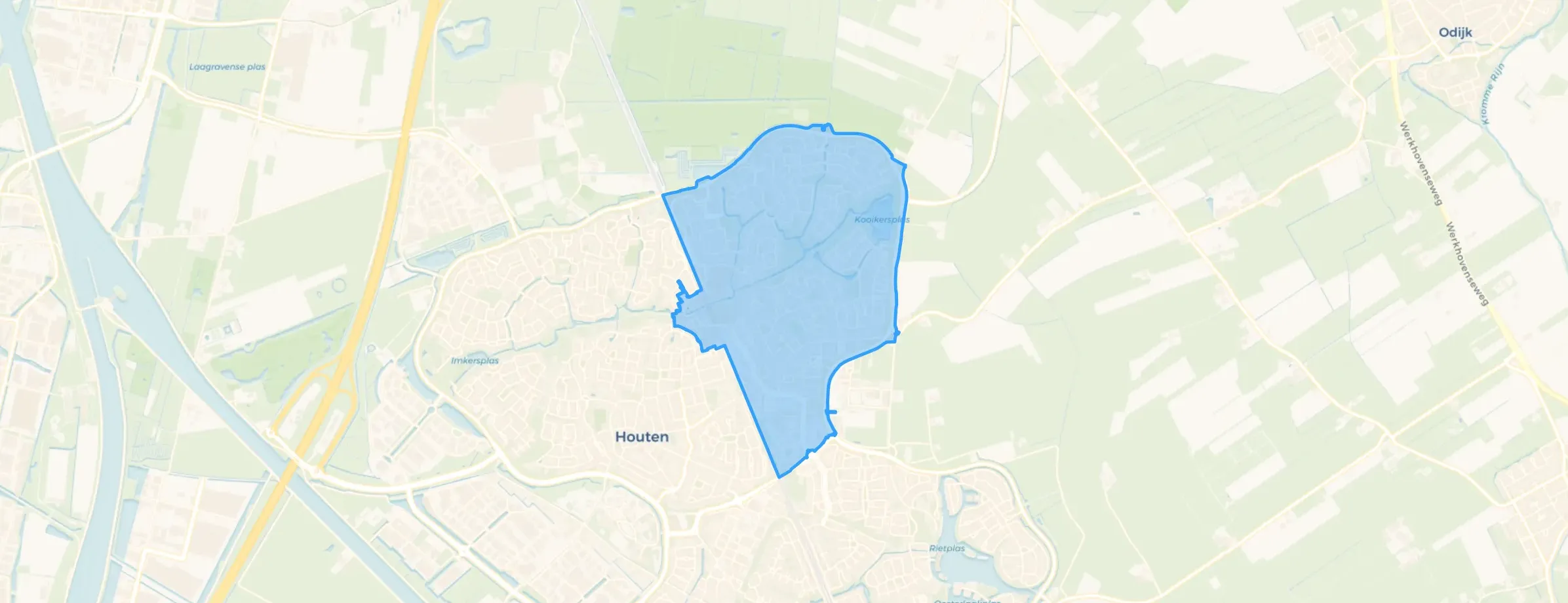
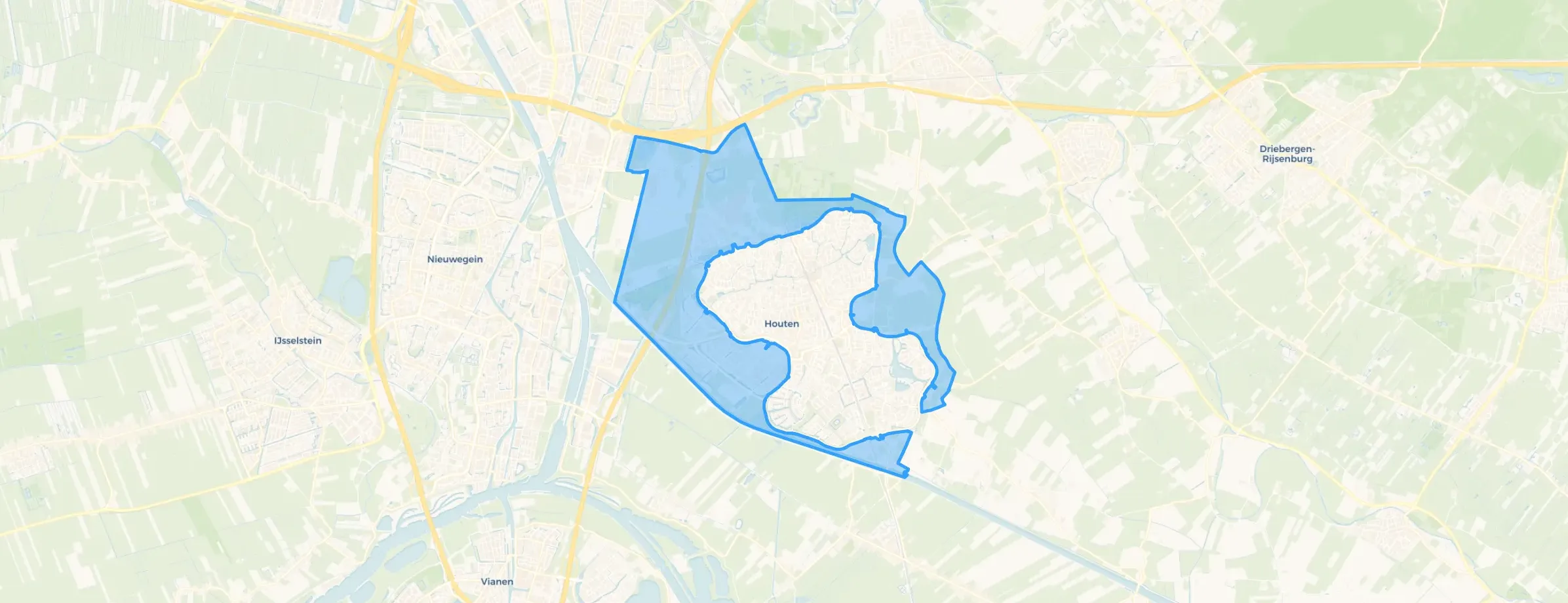
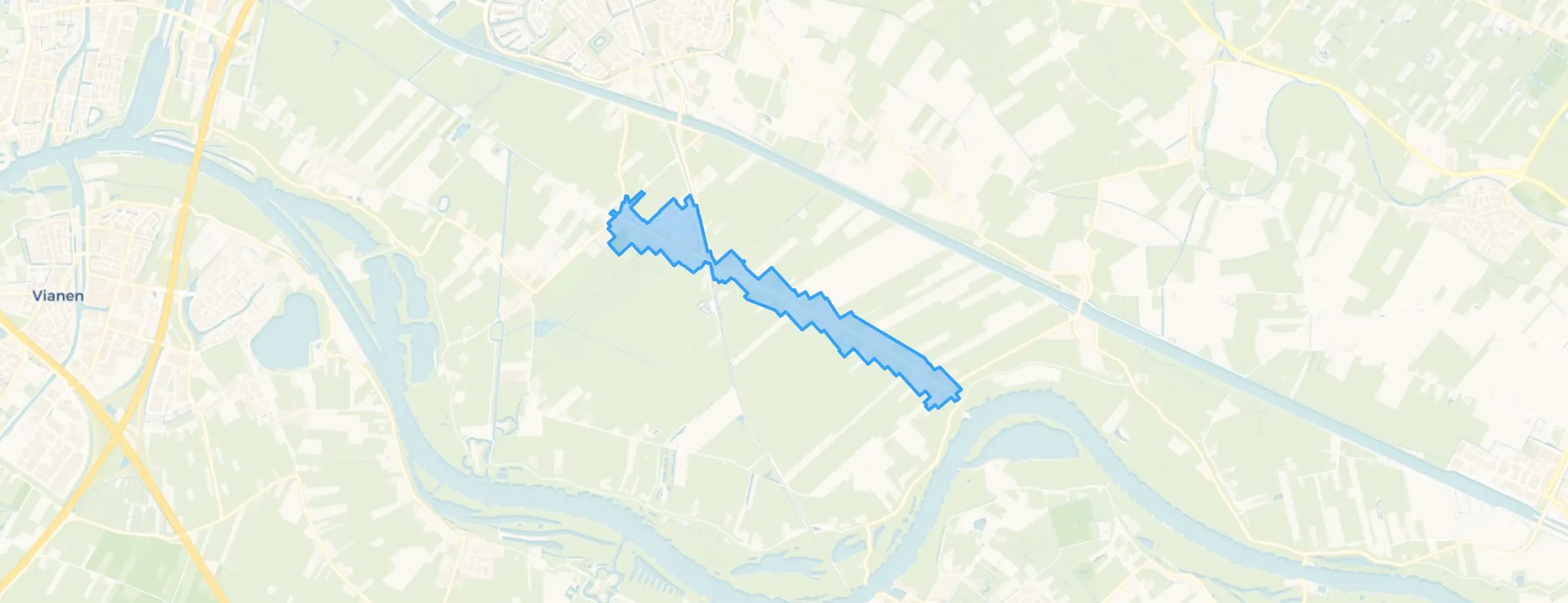
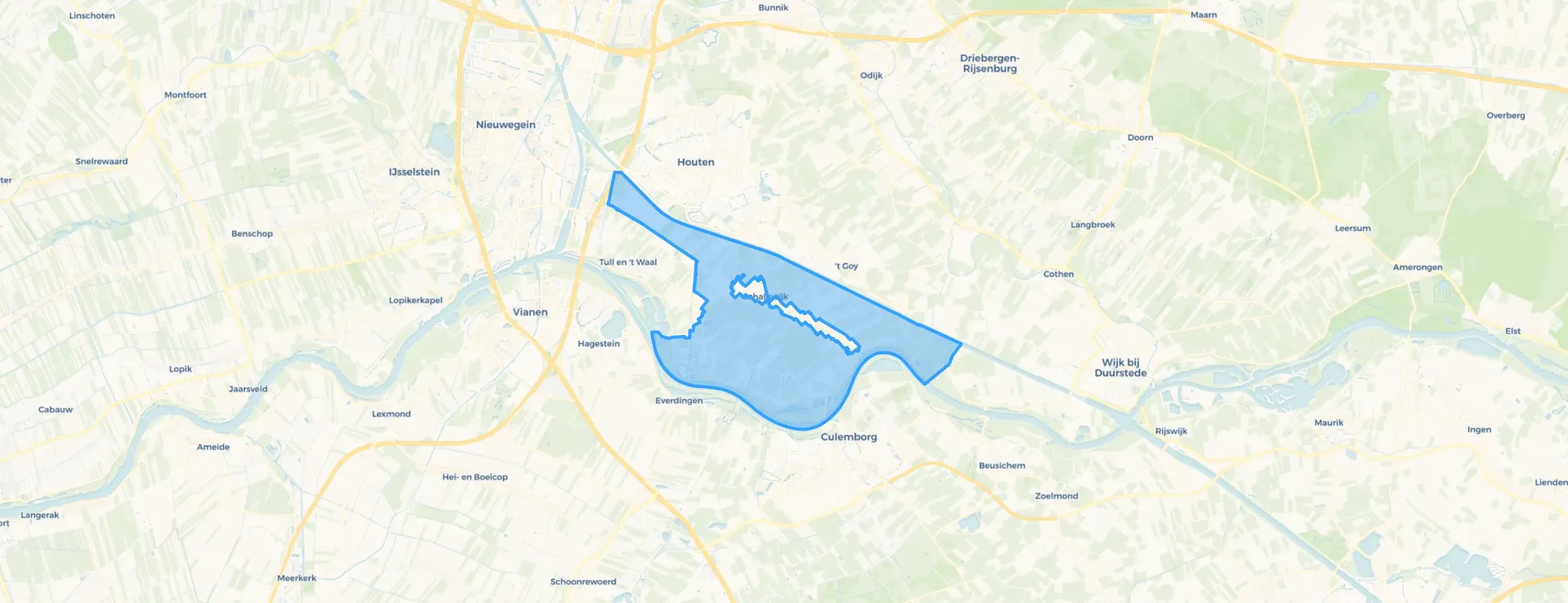
Houten is located in the province of Utrecht The municipality has a total area of 5.899 hectares, of which 5.490 hectares are land and 408 hectares are water. The municipality is coded as GM0321. The postcode area is 3991AA-3999WL.
Houten has 50.945 residents. Of these, 49,3% are men and 50,7% are women. Most residents are 45 to 65 years (28,2%). The other age groups are 22,8% for '25 to 45 years', 19,6% for '65 years or older', 16,9% for '0 to 15 years' and 12,5% for '15 to 25 years'. Of the residents, 47,4% is unmarried, 42,4% is married, 6,5% is divorced and 3,8% is widowed. 40.698 residents originate from the Netherlands, 3.041 come from Europe and 7.206 come from countries outside Europe.
There are 21.308 households in Houten. 29,4% of these are single-person households, 30,3% households without children and 40,4% households with children. The average household size is 2,4 persons. The national average is 2,1 persons.
In Houten there are 40.800 income recipients. The average income per income recipient is €48.500, which is €6.300 (15%) higher than the national average of €42.200. Per resident, the average income is €39.400, which is €4.500 (13%) higher than the national average of €34.900. Most residents of Houten are highly educated. 42,6% have a university or higher professional education (HBO/WO), 36,6% have an intermediate education (HAVO, VWO or MBO 2-4) and 20,8% have a lower education (VMBO or MBO 1).
Of the 50.945 residents, around 75% are in paid employment, which amounts to 38.209 people. This is 3% higher than the national average of 72%. The majority of workers are in salaried employment (85%), while 15% are self-employed. In Houten, 23% of residents receive a benefit. The largest group is those receiving a state pension (AOW). 8.860 people receive this benefit.
In Houten there are 21.551 homes with an average assessed value (WOZ) of €526.000. Of these, around 98% are occupied and 2% unoccupied. Most homes are owner-occupied. This amounts to 33% rental homes and 67% owner-occupied homes. Of the homes, 67% privately owned, 24% owned by housing associations and 9% owned by other landlords. The most common construction periods in Houten are 1980-1990 (28%) and 2000-2010 (27%).
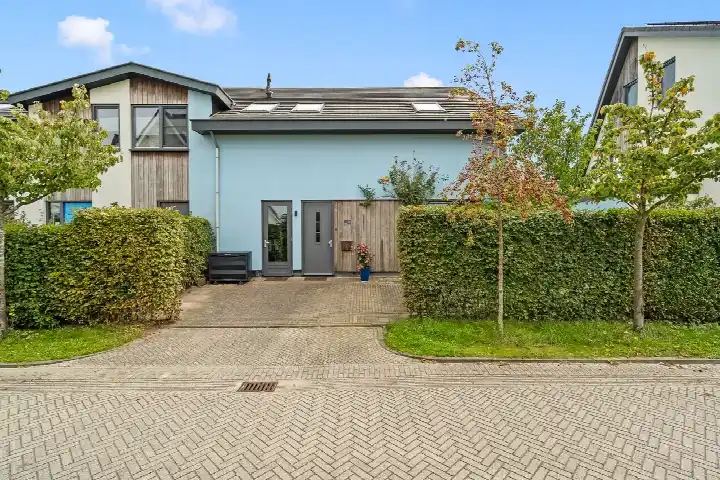
There are currently no homes for sale in Houten. The most recently listed home is Ebbenhout 12 by Huis & Hart Makelaars op Pararius. No homes were sold in Houten over the past year.
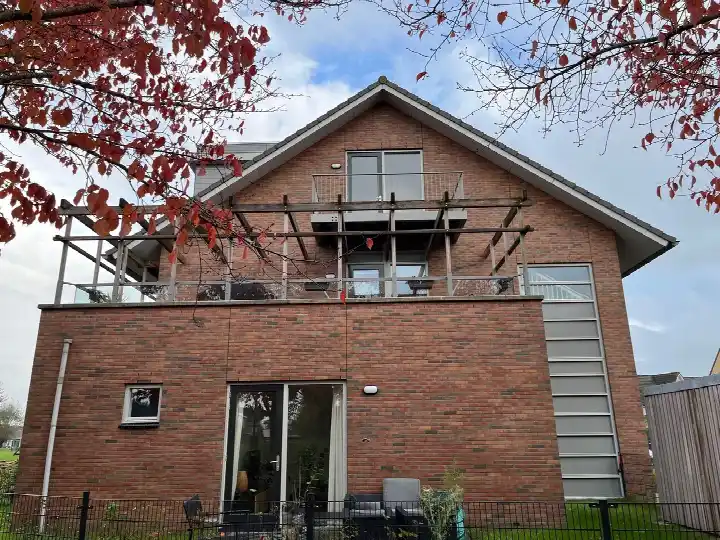
There are currently no homes for rent in Houten. The most recent home is Vedelaarsborch 10, offered by Schep Vastgoedmakelaars. No homes were let in Houten over the past year.
No recent rental data available for Houten.
In Houten there are 15.176 addresses with a registered energy label. The most common labels are A (43%), B (19%) and C (19%). On average, an address in Houten uses 2.690 kWh of electricity per year. This is 5% above the national average of 2.550 kWh. With an annual consumption of 610 m³ per address, natural gas consumption is 24% below the national average of 800 m³.
Always something to do and almost always quiet
Auto-translated to English by AIFriendly and knowledgeable
Auto-translated to English by AIVery friendly and helpful
Auto-translated to English by AIWhen I came to live here 3.5 years ago, the neighbourhood was much safer than nowadays, but I can't complain about facilities and accessibility. There's nothing to say about the living itself and the location. But regarding safety: there are many incidents at Castellum around the ATM daily and with drunk homeless people harassing multiple people. This was not the case before to this extent.
Auto-translated to English by AIEvery now and then there's a smell of weed, but I can get used to it.
Auto-translated to English by AIIt is generally very safe, sometimes there are some noisy teenagers but they don't really cause any harm. My neighbours are very friendly, I've become good friends with a few. There isn't much litter on the streets and the green areas are always nice. Everything is easily accessible on foot or by bike. There are many primary schools but the quality varies a bit. As I said at the beginning, there could be more facilities.
Auto-translated to English by AIPeople are friendly and helpful
Auto-translated to English by AII live in a good and healthy neighbourhood. Good contact with neighbours and lots of nature nearby.
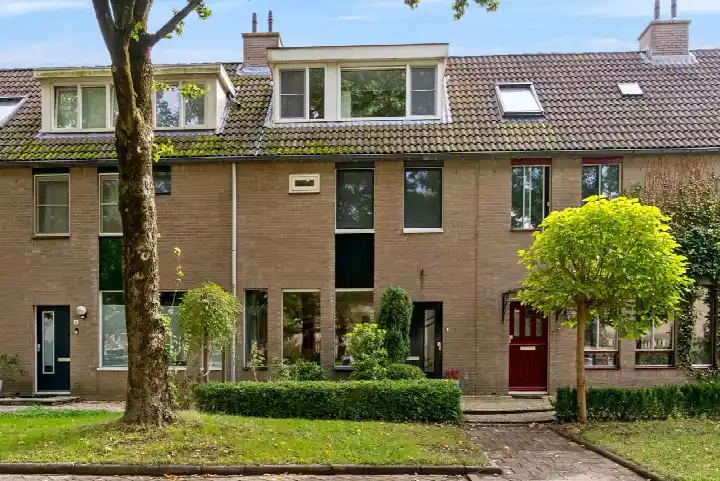
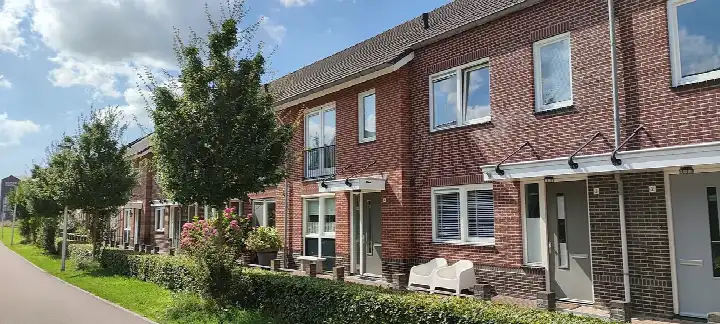
Auto-translated to English by AIThe housing stock is relatively young — 55% dates from after 1990. In addition, the most common type is terraced houses (41%).
Over the past year a home for sale in Houten was listed for an average of €612,969 (€5,119 per m²). That is 16% above the Dutch national average.
A rental home in Houten cost an average of €1,843 per month (€17 per m²). That is 15% below the national average.
Residents give Houten a 7.8 out of 10 based on 18 reviews. Accessibility stands out with a 8.5; housing lags behind with a 7.2.
Gemeente Houten has 50,945 residents. Many families: 40% of the households have children.
The housing supply in Houten is remarkably efficient: 82% has an A, A+ or B label. The average natural gas consumption per household is 610 m³ per year.
From Houten you can on average reach a supermarket at 1.8 km, a GP at 1.9 km, a railway station at 2.5 km, a primary school at 0.8 km (as the crow flies, source: CBS).
Right now you will find 162 homes for sale and 16 homes for rent in Houten.