Municipality in Friesland
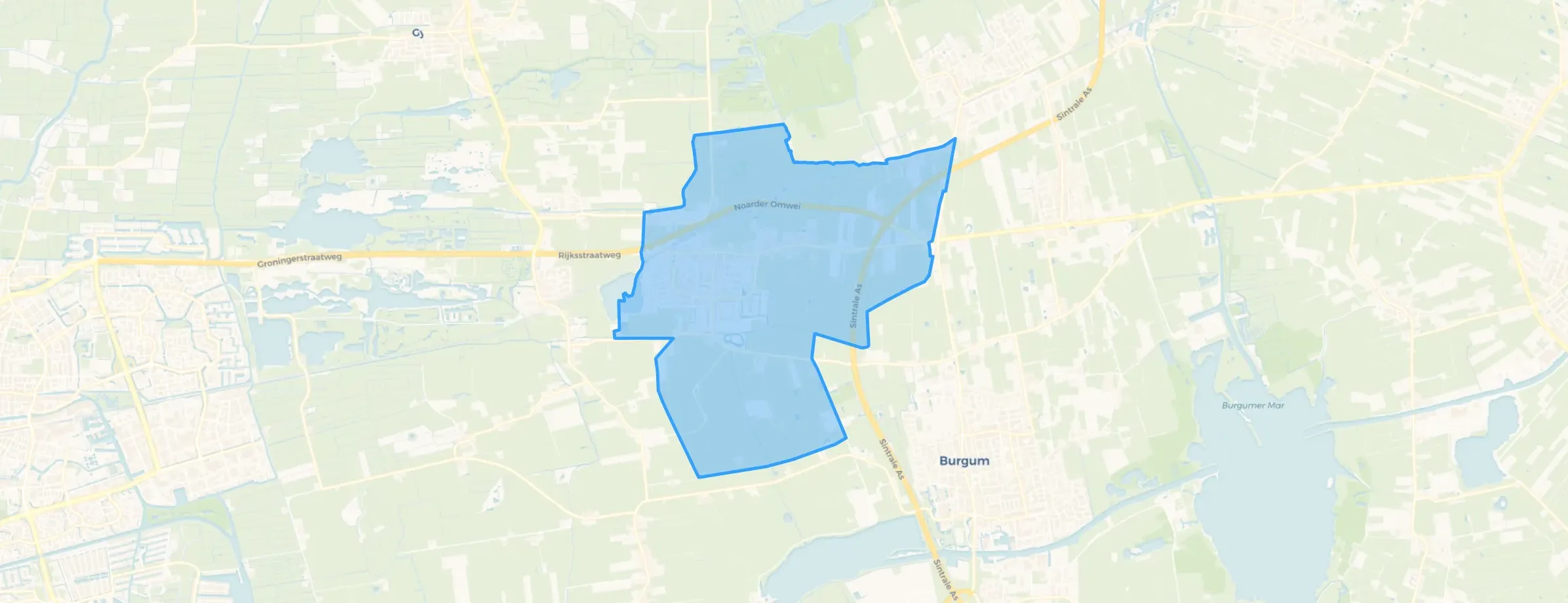
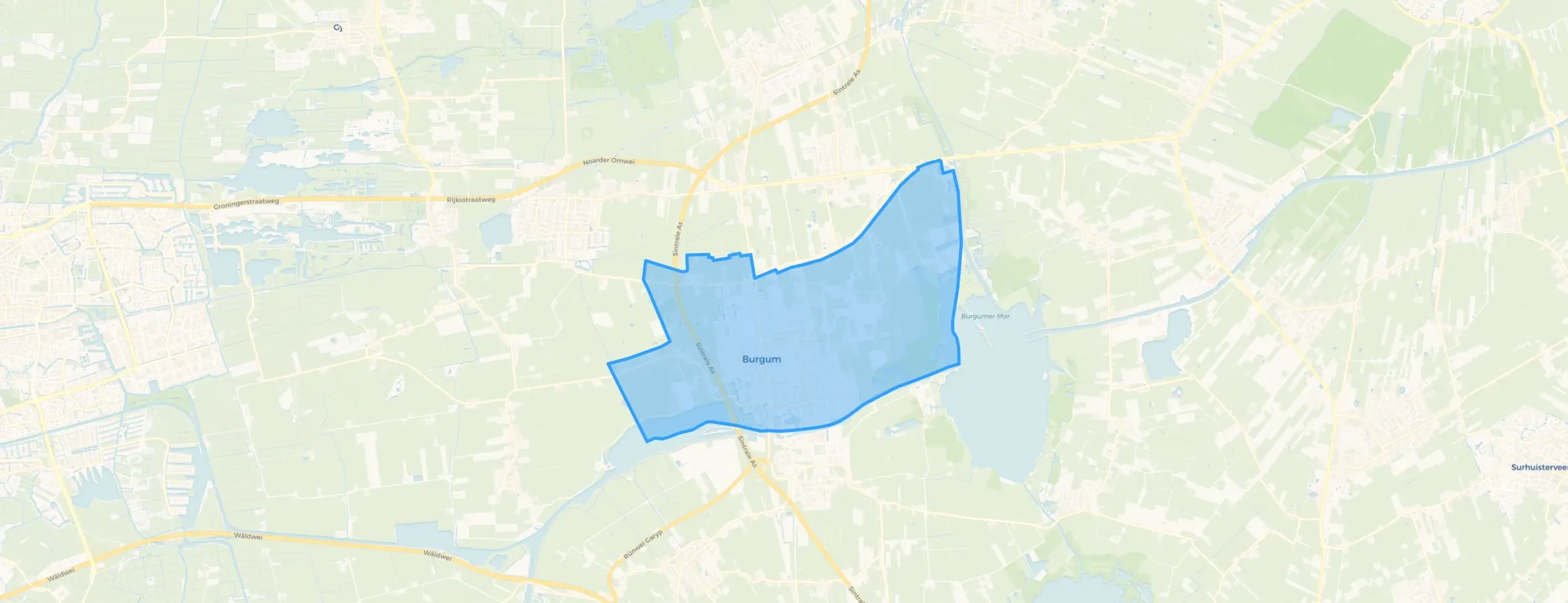
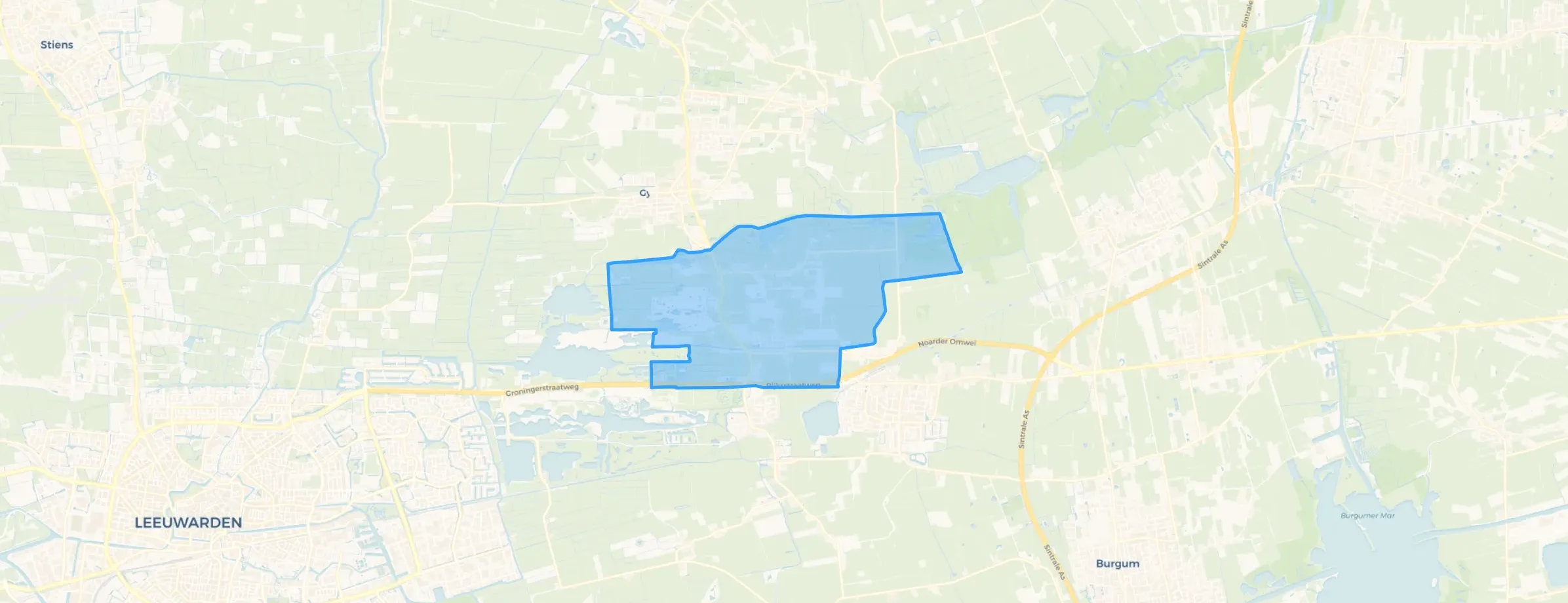
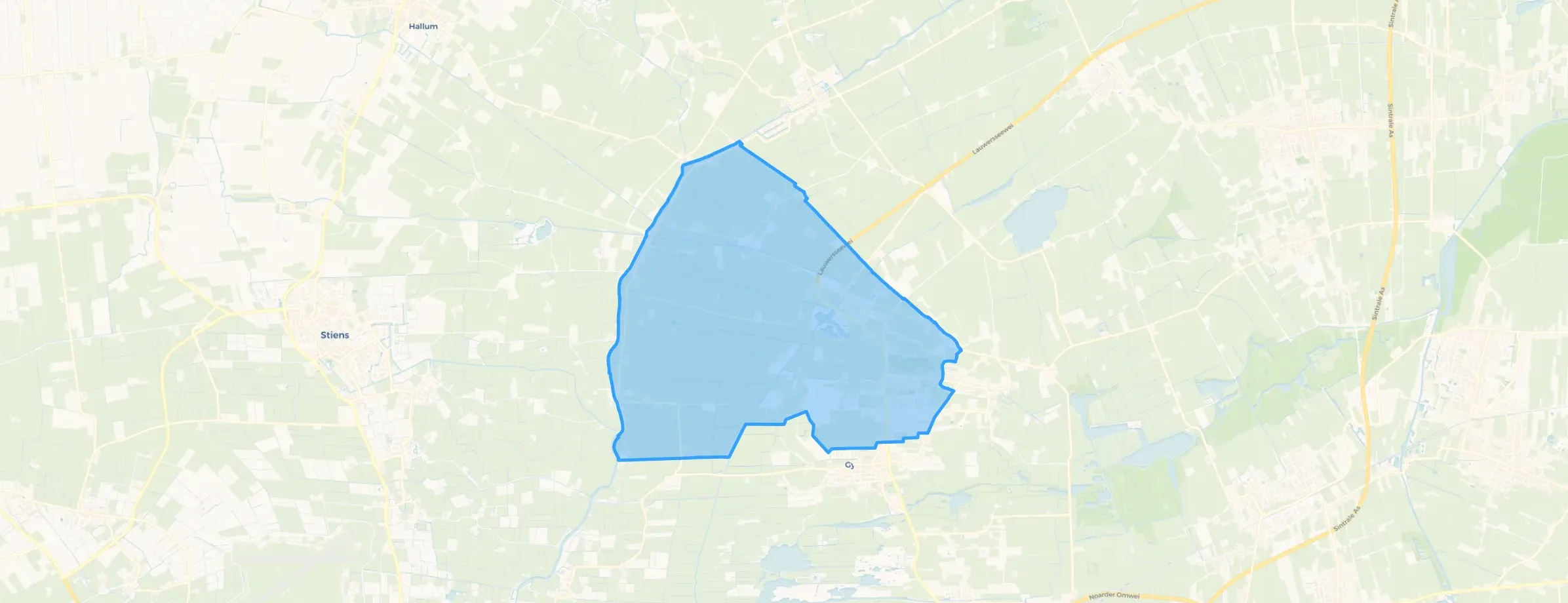
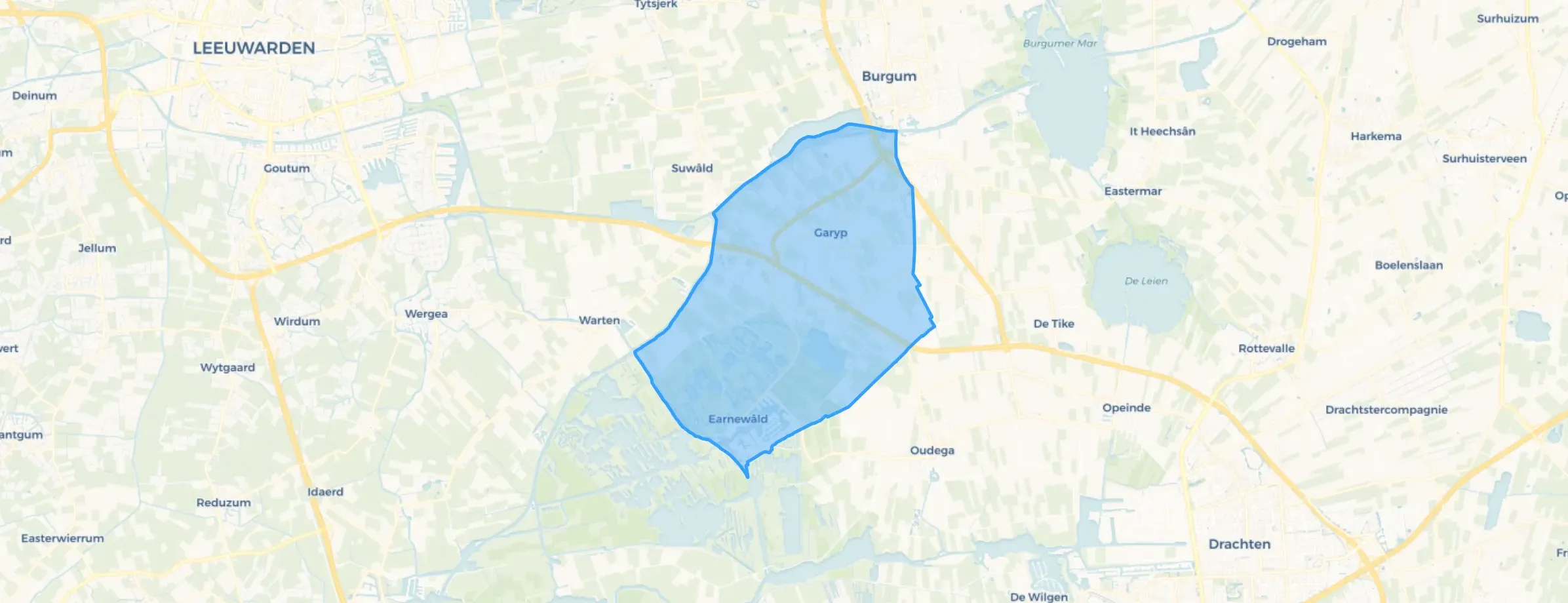
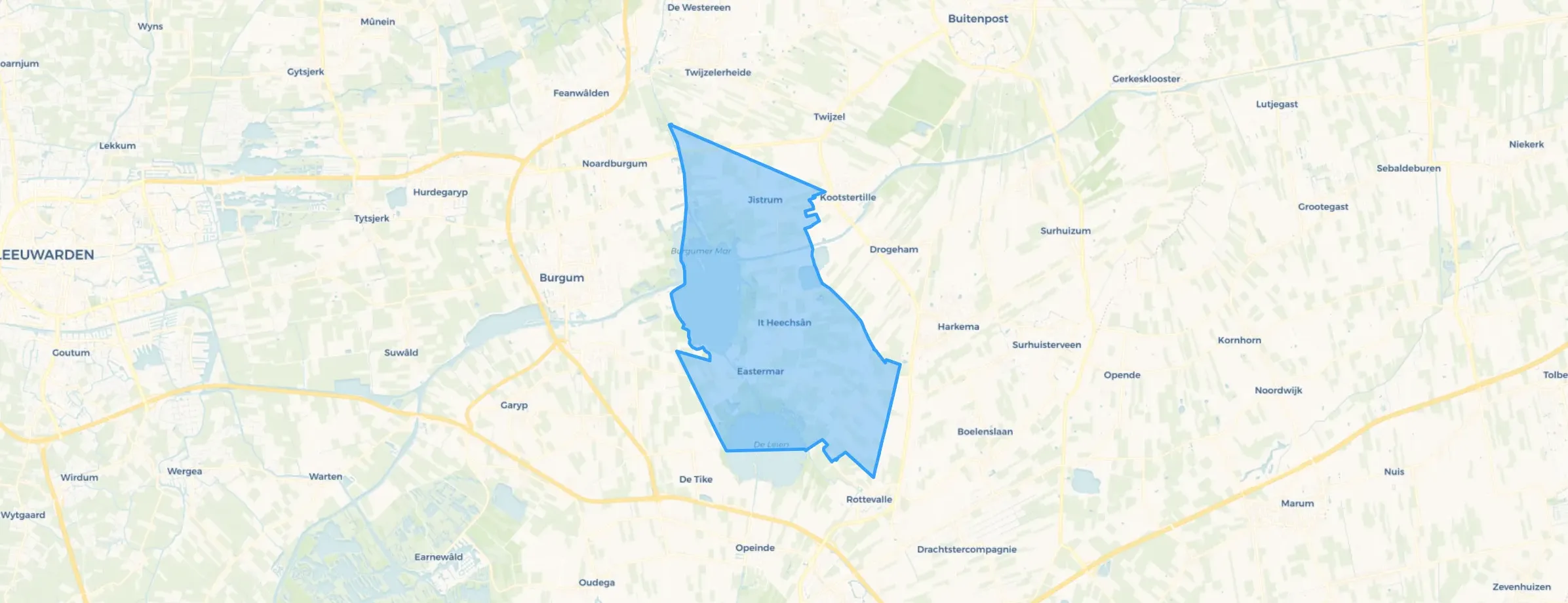
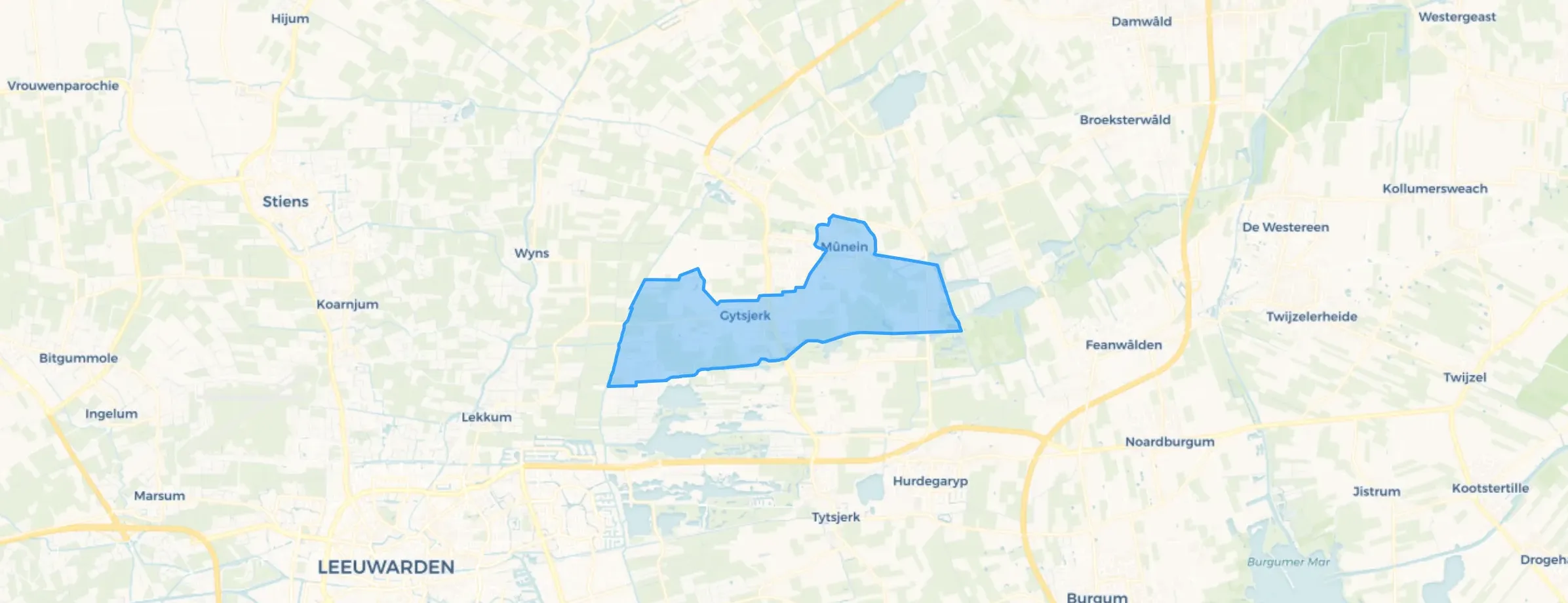
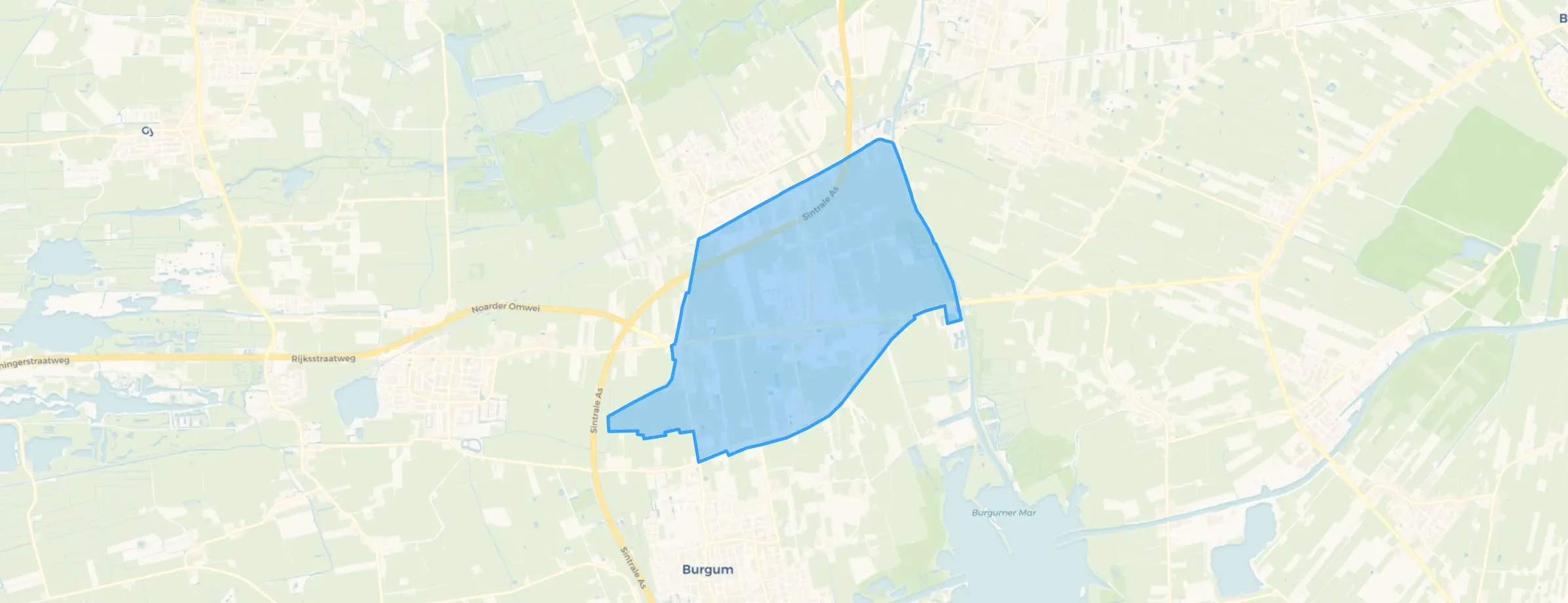
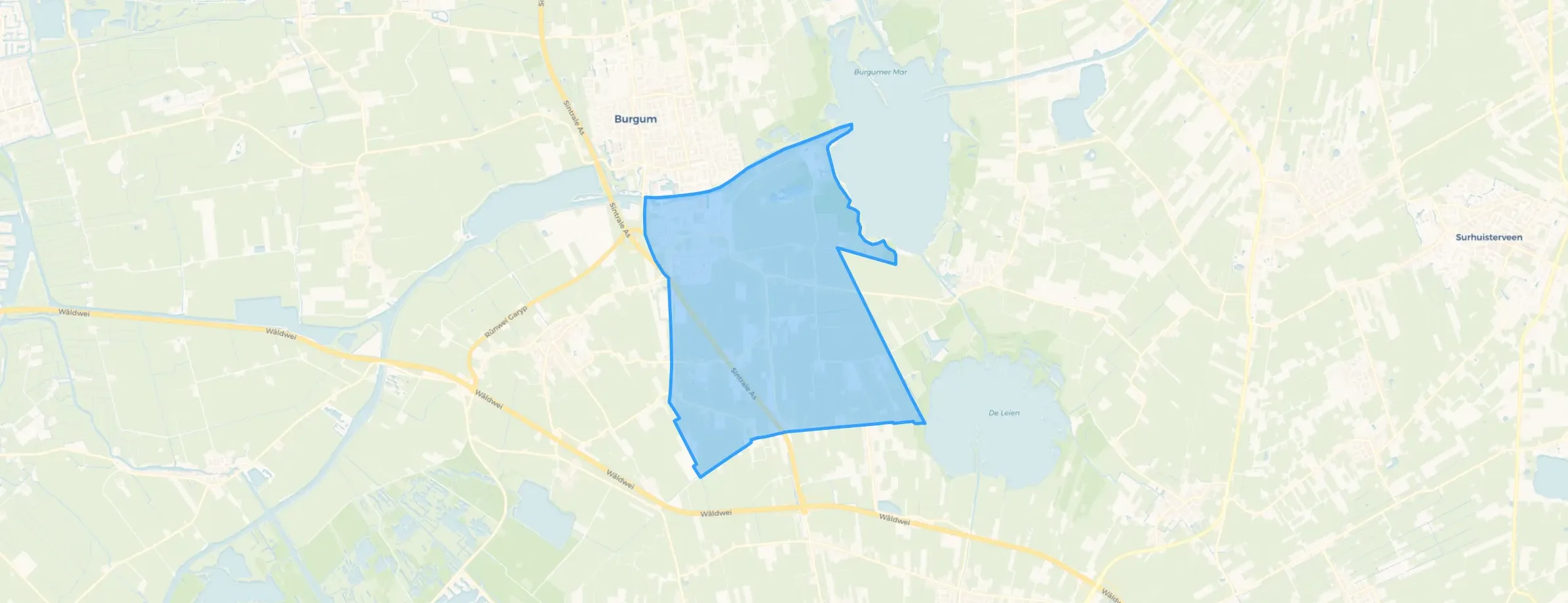
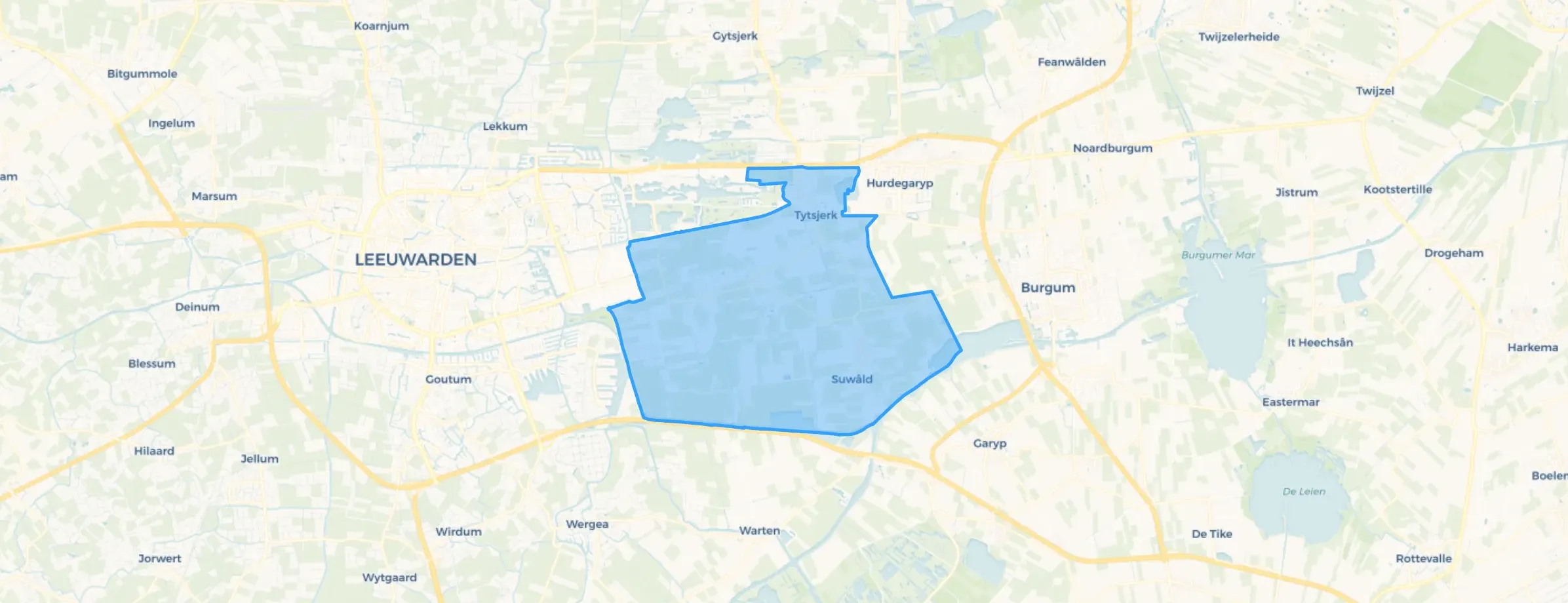
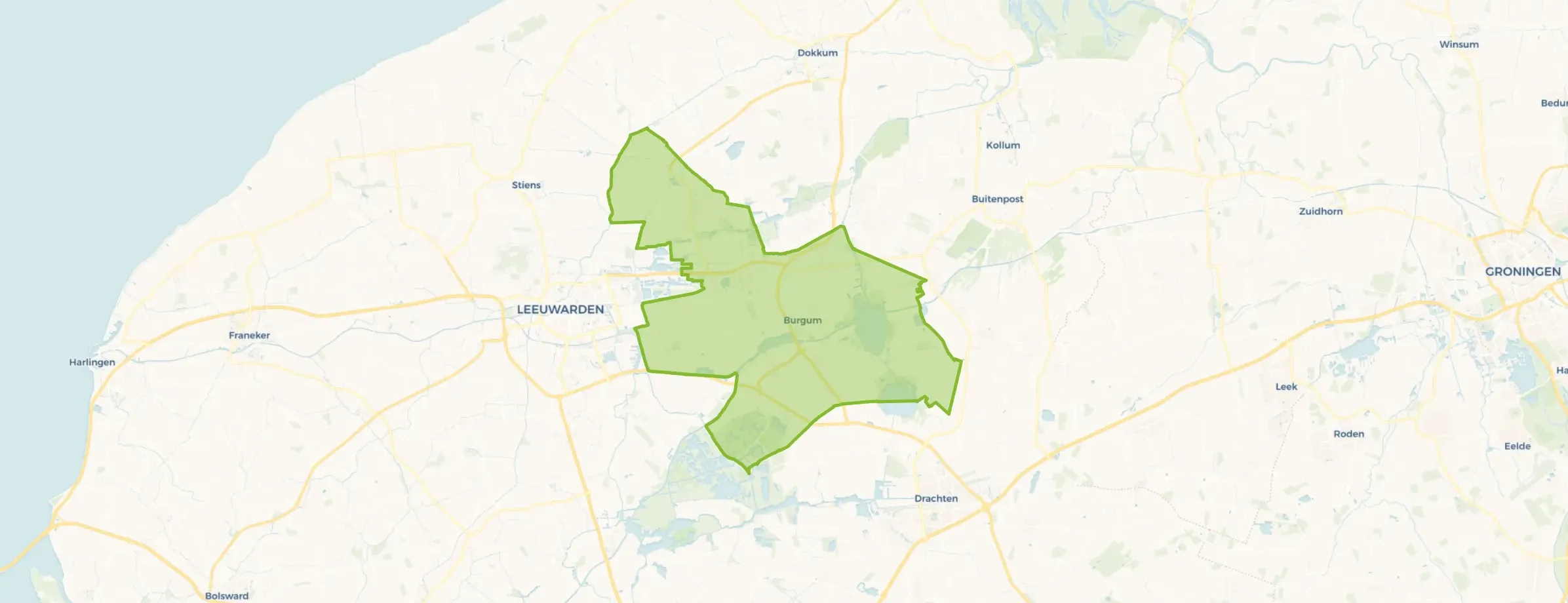
Tytsjerksteradiel is located in the province of Friesland The municipality has a total area of 16.141 hectares, of which 14.863 hectares are land and 1.277 hectares are water. The municipality is coded as GM0737. The postcode area is 9061AA-9265XN.
Tytsjerksteradiel has 32.821 residents. Of these, 49,9% are men and 50,1% are women. Most residents are 45 to 65 years (26,7%). The other age groups are 24,9% for '65 years or older', 21,3% for '25 to 45 years', 15,5% for '0 to 15 years' and 11,6% for '15 to 25 years'. Of the residents, 45,1% is unmarried, 42,4% is married, 6,6% is divorced and 5,9% is widowed. 29.821 residents originate from the Netherlands, 1.069 come from Europe and 1.931 come from countries outside Europe.
There are 14.020 households in Tytsjerksteradiel. 32,5% of these are single-person households, 33,3% households without children and 34,2% households with children. The average household size is 2,3 persons. The national average is 2,1 persons.
In Tytsjerksteradiel there are 25.900 income recipients. The average income per income recipient is €37.400, which is €4.800 (11%) lower than the national average of €42.200. Per resident, the average income is €30.800, which is €4.100 (12%) lower than the national average of €34.900. Most residents of Tytsjerksteradiel are educated to an intermediate level. 47,2% have an intermediate education (HAVO, VWO or MBO 2-4), 27,0% have a university or higher professional education (HBO/WO) and 25,8% have a lower education (VMBO or MBO 1).
Of the 32.821 residents, around 72% are in paid employment, which amounts to 23.631 people. This is 0% lower than the national average of 72%. The majority of workers are in salaried employment (82%), while 18% are self-employed. In Tytsjerksteradiel, 29% of residents receive a benefit. The largest group is those receiving a state pension (AOW). 7.390 people receive this benefit.
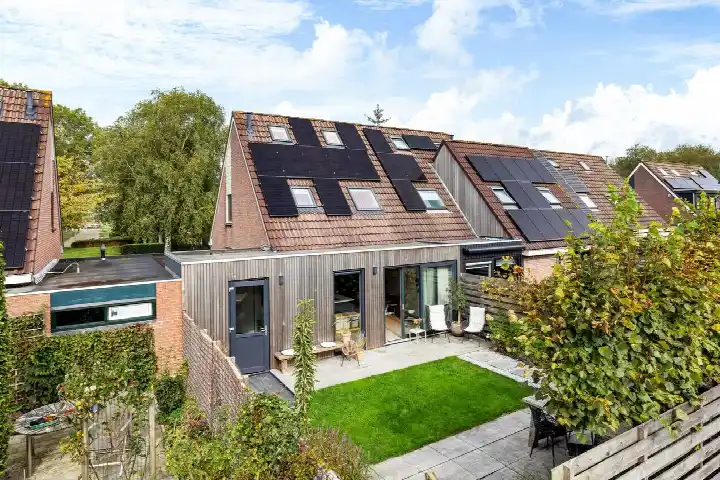
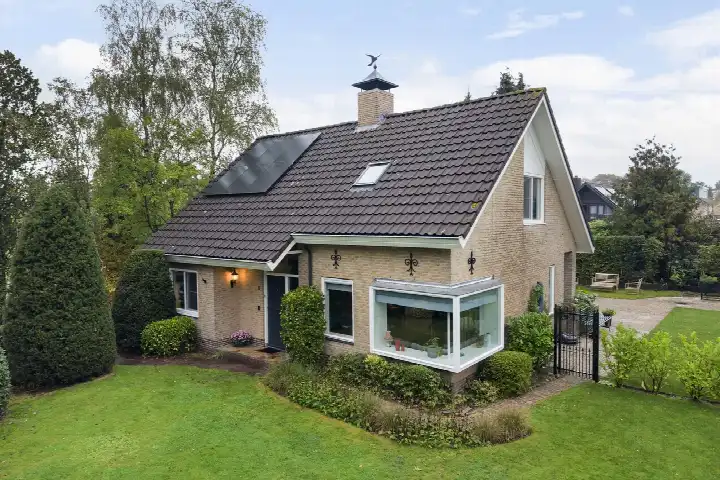
In Tytsjerksteradiel there are 14.377 homes with an average assessed value (WOZ) of €318.000. Of these, around 97% are occupied and 3% unoccupied. Most homes are owner-occupied. This amounts to 28% rental homes and 72% owner-occupied homes. Of the homes, 72% privately owned, 19% owned by housing associations and 9% owned by other landlords. The most common construction periods in Tytsjerksteradiel are 1970-1980 (20%) and 1950-1970 (17%).
There are currently no homes for sale in Tytsjerksteradiel. The most recently listed home is Veldmansweg NAN by Makelaar Burgum. No homes were sold in Tytsjerksteradiel over the past year.
There are currently no homes for rent in Tytsjerksteradiel. The most recent home is Burgemeester Steenhuisenlaan 40A, offered by www.frieslandhuurt.nl. No homes were let in Tytsjerksteradiel over the past year.
No recent rental data available for Tytsjerksteradiel.
In Tytsjerksteradiel there are 8.686 addresses with a registered energy label. The most common labels are A (29%), C (27%) and B (17%). On average, an address in Tytsjerksteradiel uses 2.640 kWh of electricity per year. This is 4% above the national average of 2.550 kWh. Natural gas consumption, at 960 m³ per year, is 20% above the national average of 800 m³.
Many social housing units and many single residents. Little greenery. Few children in the neighbourhood. I think the oldest neighbourhood in Burgum. Contact with my neighbours is good. We don't visit each other's homes. We do look out for each other. And I feel safe here. There are no benches or anything in the neighbourhood.
Auto-translated to English by AINever any problems with neighbours. No nuisance. Cosy.
Auto-translated to English by AIEvents do take place. And contact with the neighbours.
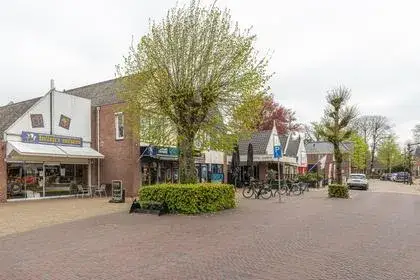
Auto-translated to English by AII have lived here my whole life, there are 2 supermarkets and several types of shops. There are also 2 types of public transport. The people are friendly and welcoming.
Auto-translated to English by AIExtremely bad. A Pakistani family has been living at number 7 for years and they can do whatever they want. Dealing drugs, weapons in the house. Things have gone wrong here several times with smashed windows and the police constantly driving through the neighbourhood. Our housing association does nothing about it because they just collect the rent, of course. It's driving the whole neighbourhood crazy..
Auto-translated to English by AICosy peaceful neighbourhood with nice people and many amenities. Playgrounds for children and community centres for the elderly. Something for everyone, a cosy, fun and safe neighbourhood
Auto-translated to English by AIPros - many playgrounds - many shops - neighbourhood prevention - -
Auto-translated to English by AII feel very safe in my neighbourhood. There will always be people who want to help me. With the train and bus in the village, it is easily accessible.
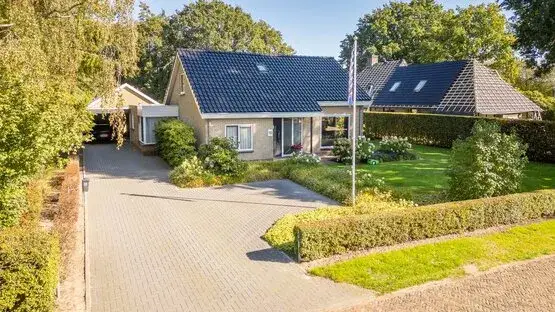
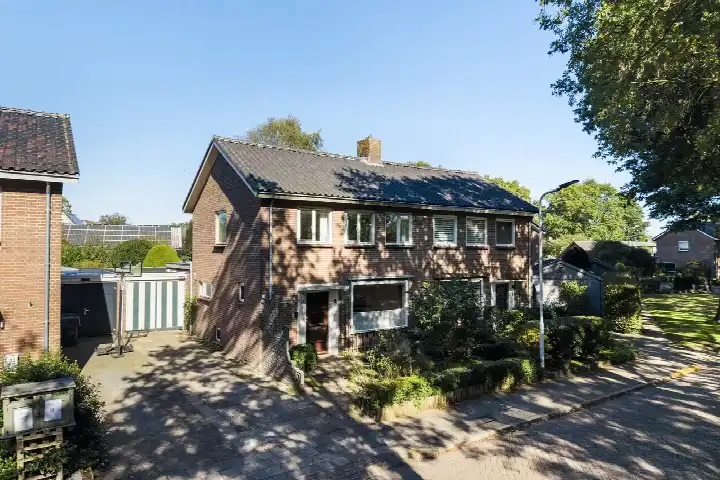
Auto-translated to English by AIThe housing stock is mainly post-war — 56% was built between 1945 and 1990. In addition, the most common type is detached houses (41%).
Over the past year a home for sale in Tytsjerksteradiel was listed for an average of €440,177 (€3,097 per m²). That is 17% below the Dutch national average.
A rental home in Tytsjerksteradiel cost an average of €1,198 per month (€13 per m²). That is 45% below the national average.
Residents give Tytsjerksteradiel a 7.7 out of 10 based on 10 reviews. Accessibility stands out with a 8.7; housing lags behind with a 7.0.
The housing supply in Tytsjerksteradiel is remarkably efficient: 53% has an A, A+ or B label. The average natural gas consumption per household is 960 m³ per year.
From Tytsjerksteradiel you can on average reach a supermarket at 1.4 km, a GP at 1.6 km, a railway station at 5.2 km, a primary school at 0.9 km (as the crow flies, source: CBS).
Right now you will find 119 homes for sale and 9 homes for rent in Tytsjerksteradiel.