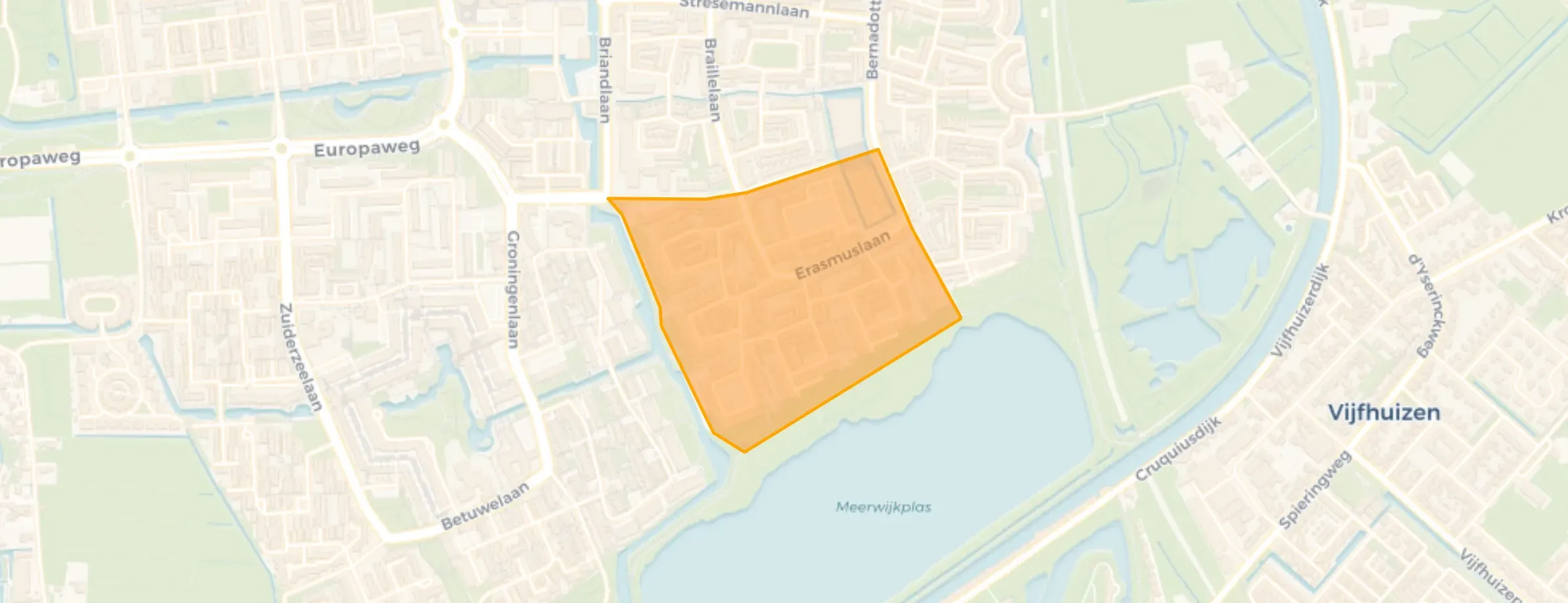
Neighbourhood in Haarlem
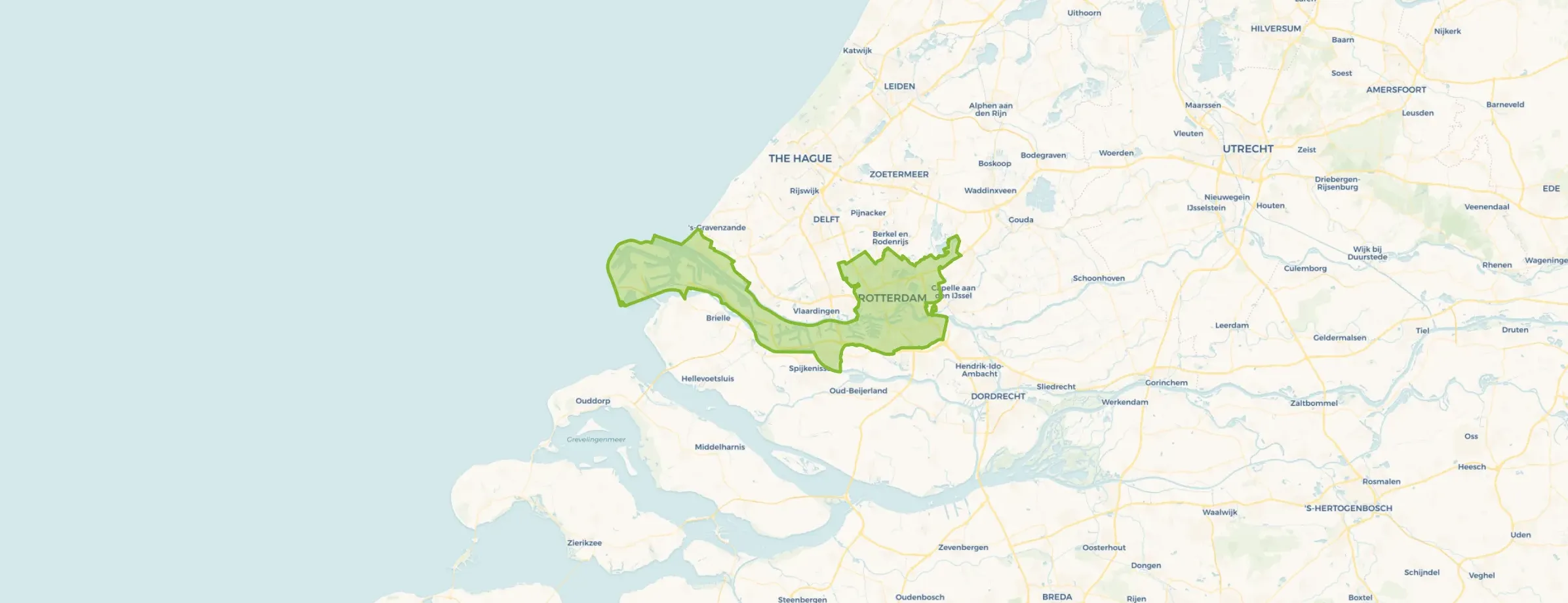
Erasmusbuurt is located in the province of Noord-Holland, in the municipality of Haarlem, in the district Meerwijk The neighbourhood has a total area of 20 hectares, of which 20 hectares are land and 0 hectares are water. The neighbourhood is coded as BU03922106. The postcode area is 2037GW-2037RW.
Four residents rate the neighbourhood as more than satisfactory with a score of 6.9. They describe it as 'Going downhill.', 'People who never talk to or help each other' and 'Pleasant living'. Residents experience big differences in this neighbourhood: accessibility, greenery, amenities receive high ratings, while community and housing are mentioned as weak points.
Erasmusbuurt has 2.515 residents. Of these, 48,5% are men and 51,7% are women. Most residents are 45 to 65 years (24,5%). The other age groups are 23,1% for '25 to 45 years', 21,3% for '0 to 15 years', 17,9% for '65 years or older' and 13,5% for '15 to 25 years'. Of the residents, 53,7% is unmarried, 31,2% is married, 9,9% is divorced and 5,6% is widowed. 980 residents originate from the Netherlands, 155 come from Europe and 1.390 come from countries outside Europe.
There are 1.070 households in Erasmusbuurt. 38,3% of these are single-person households, 19,2% households without children and 42,5% households with children. The average household size is 2,3 persons. The national average is 2,1 persons.
In Erasmusbuurt there are 1.900 income recipients. The average income per income recipient is €29.000, which is €13.200 (31%) lower than the national average of €42.200. Per resident, the average income is €22.000, which is €12.900 (37%) lower than the national average of €34.900. Most residents of Erasmusbuurt are educated to an intermediate level. 41,5% have an intermediate education (HAVO, VWO or MBO 2-4), 40,4% have a lower education (VMBO or MBO 1) and 18,1% have a university or higher professional education (HBO/WO).
Of the 2.515 residents, around 57% are in paid employment, which amounts to 1.434 people. This is 15% lower than the national average of 72%. The majority of workers are in salaried employment (84%), while 16% are self-employed. In Erasmusbuurt, 32% of residents receive a benefit. The largest group is those receiving a state pension (AOW). 400 people receive this benefit.
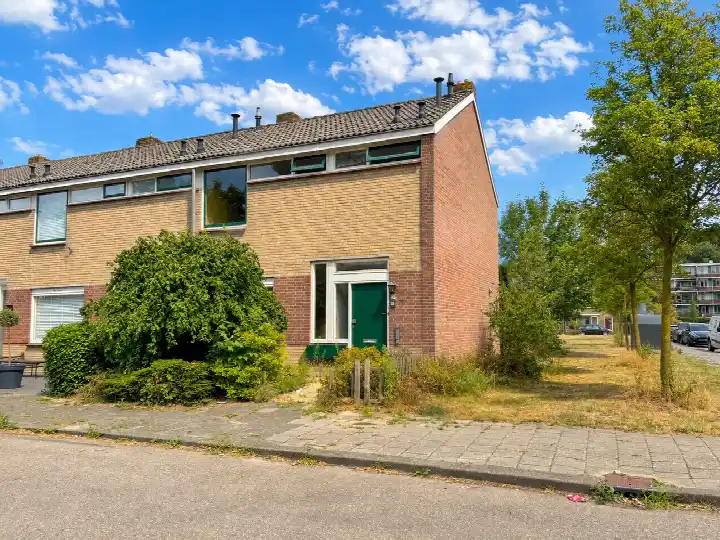
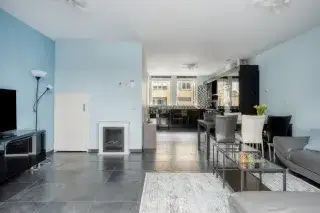
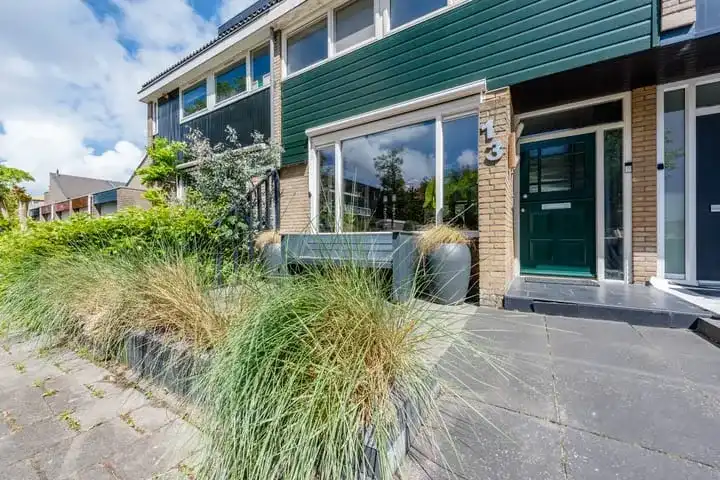
In Erasmusbuurt there are 1.064 homes with an average assessed value (WOZ) of €334.000. Of these, around 99% are occupied and 1% unoccupied. Most homes are rental properties. This amounts to 84% rental homes and 16% owner-occupied homes. Of the homes, 16% privately owned, 81% owned by housing associations and 3% owned by other landlords. The most common construction periods in Erasmusbuurt are 1970-1980 (71%) and 1950-1970 (22%).
There are currently 5 homes for sale in Erasmusbuurt. The most recently listed home is Erasmuslaan 3F by iQ Makelaars Eindhoven. Over the past year, 10 homes were sold in Erasmusbuurt. On average, a home was sold within 32 days.
The average asking price for a home for sale in Erasmusbuurt over the past year was €491.800. This is 47% higher than the average assessed value (WOZ) of €334.000. The average asking price per m² of plot is €4.133.
There is 1 homes for rent in Erasmusbuurt. The most recent home is Martin Luther Kinglaan 3, offered by Wagenhof Real Estate. Over the past year, 7 homes were let in Erasmusbuurt. On average, a listing was let within 27 days.
The average rent for a rental home in Erasmusbuurt over the past year was €1.750 per month. Per m² of plot area that is €21 per month.
In Erasmusbuurt there are 895 addresses with a registered energy label. The most common labels are A (55%), C (18%) and B (14%). On average, an address in Erasmusbuurt uses 2.080 kWh of electricity per year. This is 18% below the national average of 2.550 kWh. Natural gas consumption, at 870 m³ per year, is 9% above the national average of 800 m³.
I've lived here for almost 30 years. It used to be pleasant: clean, good contact with neighbours, etc. But due to the steady influx of Muslims, the neighbourhood is going downhill. Lots of litter lying around, misuse of rubbish bins (throwing all sorts next to them), not being open to contact, their children breaking things... in short: they have no connection with the neighbourhood and its residents. It creates an unpleasant atmosphere..
Auto-translated to English by AINeighbours never say anything to others, it seems as if no one lives there and no one is cheerful, actually it seems as if they don't see the point in life at all or have problems in their family or household which they show, maybe also financial problems. There is a playground further down where no one sits anymore and there is a neighbourhood team and coffee afternoon in the area which is seriously unsafe because of the people who constantly gossip about each other, I hope the coffee afternoon stops immediately!
Auto-translated to English by AINice neighbourhood with friendly neighbours and lots of green water in the area, safe to live
Auto-translated to English by AILots of shops, parking, plenty of greenery, nice people.
Auto-translated to English by AIThe housing stock is relatively young — 51% dates from after 1990. In addition, the most common type is flats (73%).
Over the past year a home for sale in Erasmusbuurt was listed for an average of €536,273 (€4,376 per m²).
Residents give Erasmusbuurt a 6.9 out of 10 based on 4 reviews. The strongest score is for accessibility (8.3), the weakest for housing (5.0).
Buurt Erasmusbuurt has 2,515 residents. Many families: 43% of the households have children.
The housing supply in Erasmusbuurt is remarkably efficient: 73% has an A, A+ or B label. The average natural gas consumption per household is 870 m³ per year.
From Erasmusbuurt you can on average reach a supermarket at 0.5 km, a GP at 0.7 km, a railway station at 4.6 km, a primary school at 0.3 km (as the crow flies, source: CBS).