Neighbourhood in Molenlanden
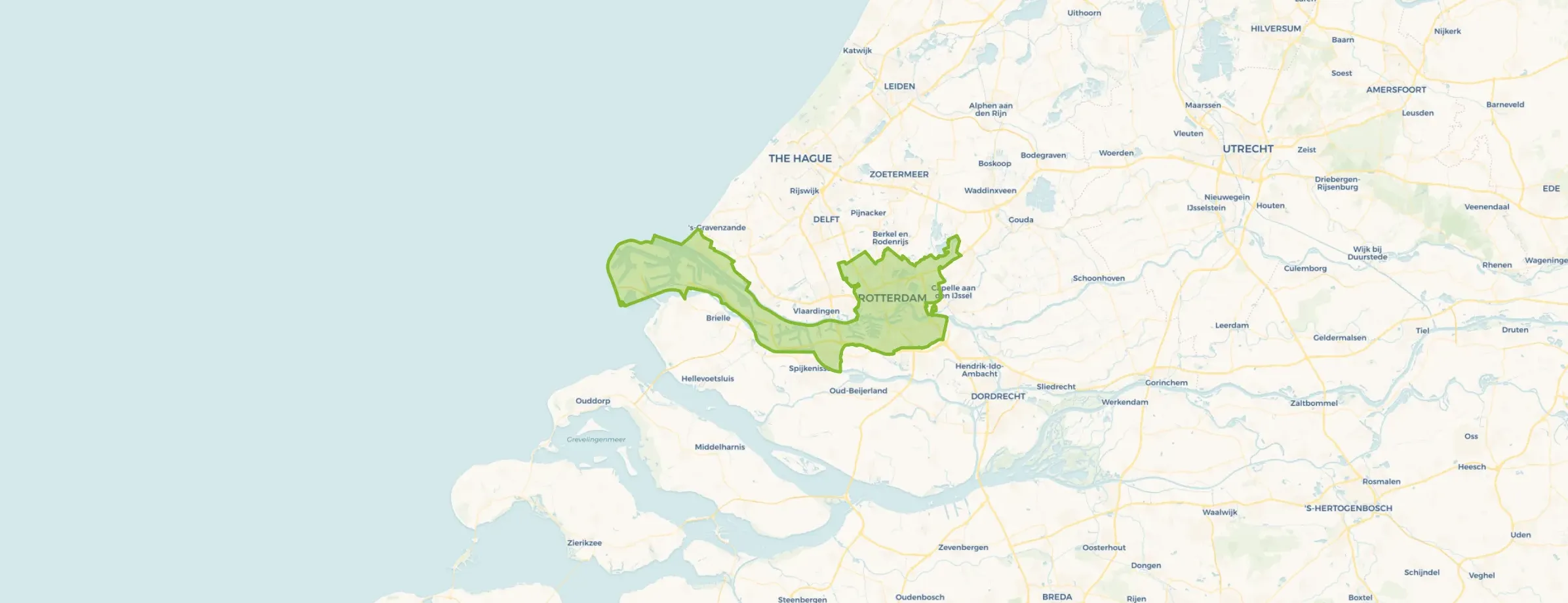
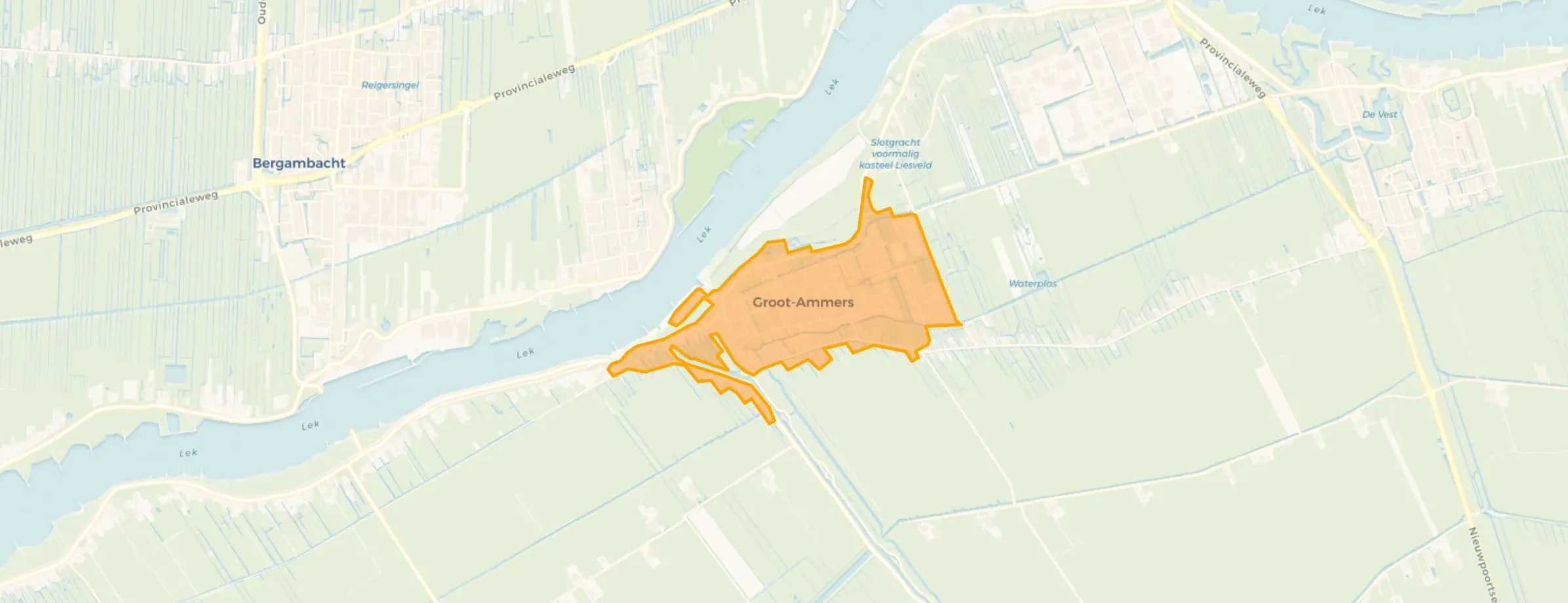
Groot-Ammers-Dorp is located in the province of Zuid-Holland, in the municipality of Molenlanden, in the district Groot-Ammers The neighbourhood has a total area of 99 hectares, of which 96 hectares are land and 3 hectares are water. The neighbourhood is coded as BU19780604. The postcode area is 2964AA-2964HZ.
Two residents rate the neighbourhood as very good with a score of 8.2. They describe it as 'Exceptionally pleasant residential neighbourhood' and 'Self-centred'. Based on a limited number of reviews, no clear trends are visible yet in this neighbourhood.
Groot-Ammers-Dorp has 3.620 residents. Of these, 49,6% are men and 50,4% are women. Most residents are 25 to 45 years (25,7%). The other age groups are 24,0% for '45 to 65 years', 19,9% for '65 years or older', 18,8% for '0 to 15 years' and 11,5% for '15 to 25 years'. Of the residents, 44,8% is unmarried, 43,9% is married, 5,9% is divorced and 5,4% is widowed. 3.240 residents originate from the Netherlands, 145 come from Europe and 230 come from countries outside Europe.
There are 1.490 households in Groot-Ammers-Dorp. 30,9% of these are single-person households, 29,2% households without children and 39,9% households with children. The average household size is 2,4 persons. The national average is 2,1 persons.
In Groot-Ammers-Dorp there are 2.900 income recipients. The average income per income recipient is €41.800, which is €400 (1%) lower than the national average of €42.200. Per resident, the average income is €33.400, which is €1.500 (4%) lower than the national average of €34.900. Most residents of Groot-Ammers-Dorp are educated to an intermediate level. 49,4% have an intermediate education (HAVO, VWO or MBO 2-4), 28,8% have a lower education (VMBO or MBO 1) and 21,8% have a university or higher professional education (HBO/WO).
Of the 3.620 residents, around 78% are in paid employment, which amounts to 2.824 people. This is 6% higher than the national average of 72%. The majority of workers are in salaried employment (86%), while 14% are self-employed. In Groot-Ammers-Dorp, 23% of residents receive a benefit. The largest group is those receiving a state pension (AOW). 640 people receive this benefit.
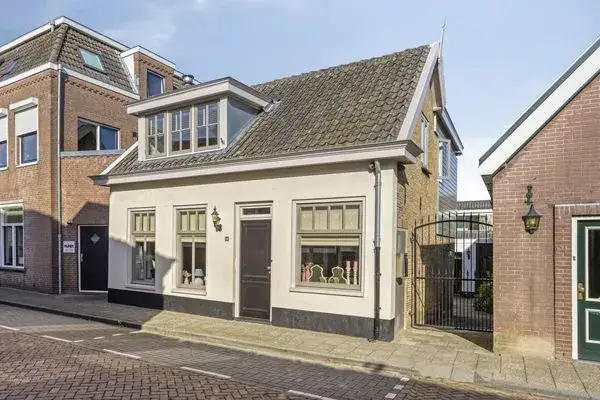
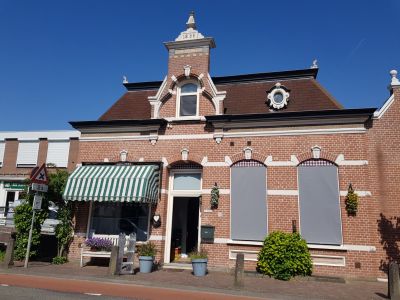
In Groot-Ammers-Dorp there are 1.550 homes with an average assessed value (WOZ) of €387.000. Of these, around 96% are occupied and 4% unoccupied. Most homes are owner-occupied. This amounts to 34% rental homes and 66% owner-occupied homes. Of the homes, 66% privately owned, 29% owned by housing associations and 5% owned by other landlords. The most common construction periods in Groot-Ammers-Dorp are 1970-1980 (19%) and 1980-1990 (17%).
There are currently 12 homes for sale in Groot-Ammers-Dorp. The most recently listed home is Kerkstraat 19 by Overduin Makelaardij B.V.. Over the past year, 55 homes were sold in Groot-Ammers-Dorp. On average, a home was sold within 59 days.
The average asking price for a home for sale in Groot-Ammers-Dorp over the past year was €429.645. This is 11% higher than the average assessed value (WOZ) of €387.000. The average asking price per m² of plot is €4.171.
There is 1 homes for rent in Groot-Ammers-Dorp. The most recent home is Sluis 51, offered by Boogerman Makelaars op Funda. Over the past year, 5 homes were let in Groot-Ammers-Dorp. On average, a listing was let within 31 days.
No recent rental data available for Groot-Ammers-Dorp.
In Groot-Ammers-Dorp there are 1.031 addresses with a registered energy label. The most common labels are A (45%), C (20%) and B (14%). On average, an address in Groot-Ammers-Dorp uses 2.590 kWh of electricity per year. This is 2% above the national average of 2.550 kWh. Natural gas consumption, at 830 m³ per year, is 4% above the national average of 800 m³.
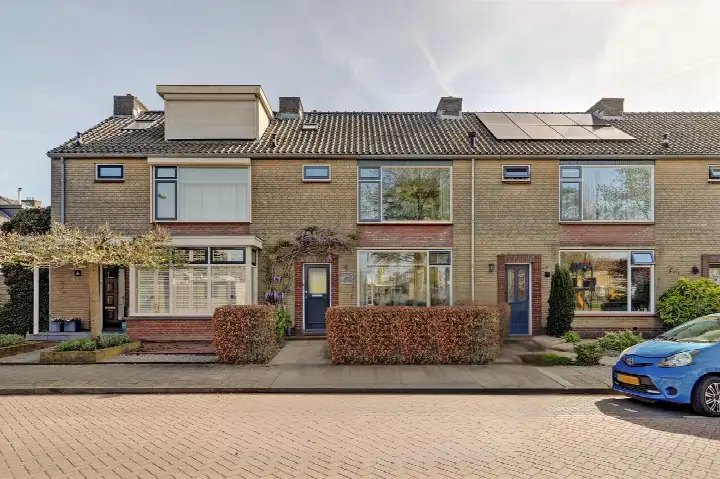
We have been living here since February 2023. What stands out is the sense of community in the neighbourhood. A significant number of residents have lived here since it was built. They are open to new residents, who are each warmly welcomed with a flower or plant. There is also a neighbourhood app where useful things are shared. The village where this neighbourhood is located is fairly religious but not extreme. Sunday rest is still noticeably observed. People are not pushy with their faith towards non-believers; there is clearly mutual respect. In the village, it is normal to greet each other even if you don't know one another. This creates a relaxed atmosphere. There is also little to no crime, at least as far as we notice or hear. For the youth, a hangout spot has been set up outside the village centre, which is actually used. The village has a shopping gallery with a supermarket, bakery, butcher, hairdresser, florist, chemist, interior decorator, hairdresser, and family snack bar. There are also two restaurants, a Chinese takeaway, and a pizza/kebab shop. There is also a library and an active club life. There is also a GP out-of-hours centre/pharmacy/physio and fitness centre. The houses are almost all recently built, and the older buildings are either being replaced with new builds or renovated/restored. There are several Christian primary schools and one public primary school in the village. Within the village boundary there is enough green space, and due to the rural location around the village, there is a lot. In short, a wonderful place to live.
Auto-translated to English by AIA child-friendly neighbourhood. Residents are very self-centred though.
Auto-translated to English by AIOver the past year a home for sale in Groot-Ammers-Dorp was listed for an average of €429,657 (€3,876 per m²). That is 19% below the Dutch national average.
Buurt Groot-Ammers-Dorp has 3,620 residents. Many families: 40% of the households have children.
The housing supply in Groot-Ammers-Dorp is remarkably efficient: 53% has an A, A+ or B label. The average natural gas consumption per household is 830 m³ per year.
From Groot-Ammers-Dorp you can on average reach a supermarket at 0.7 km, a GP at 0.7 km, a railway station at 14.5 km, a primary school at 0.6 km (as the crow flies, source: CBS).
Right now you will find 14 homes for sale and 1 homes for rent in Groot-Ammers-Dorp.