Tichelwerk, Hengelo
 Neighbourhood
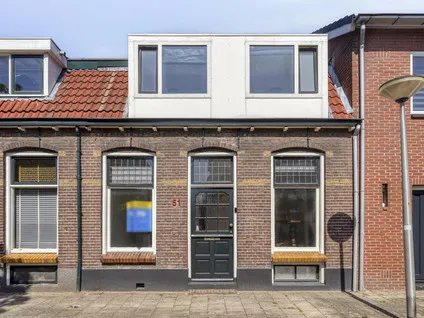
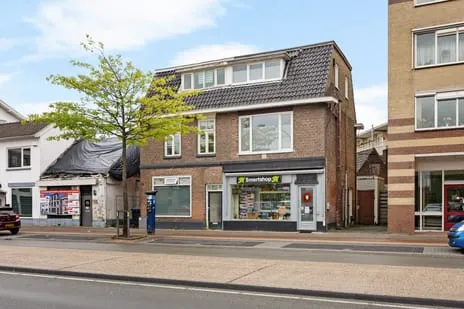
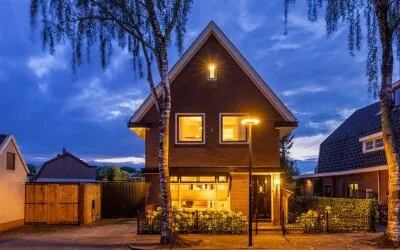
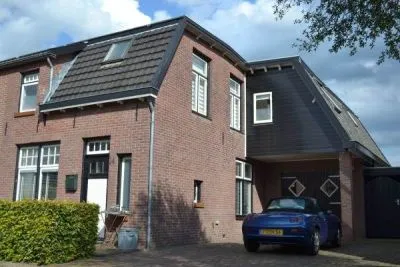
This Wilgenweg home has a lived-in feel from the moment you arrive. Built in 1923, the 174 m² floor area sits on a 305 m² plot, noticeably more spacious than the neighbourhood average. The asking price of €490,000 is 23% above the local average of €399,667, which is in line with the extra space. For context, semi-detached houses in Hengelo vary widely in price and size.
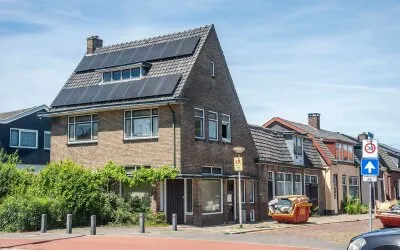
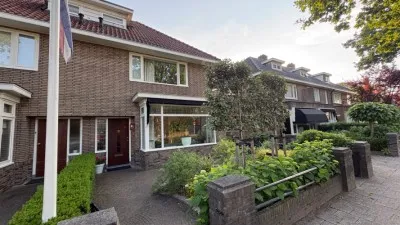
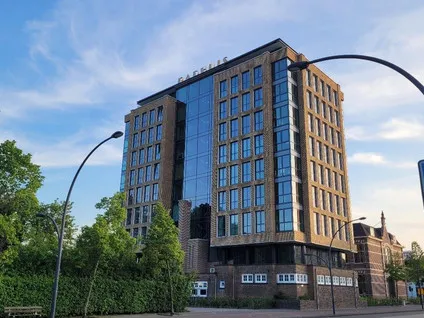
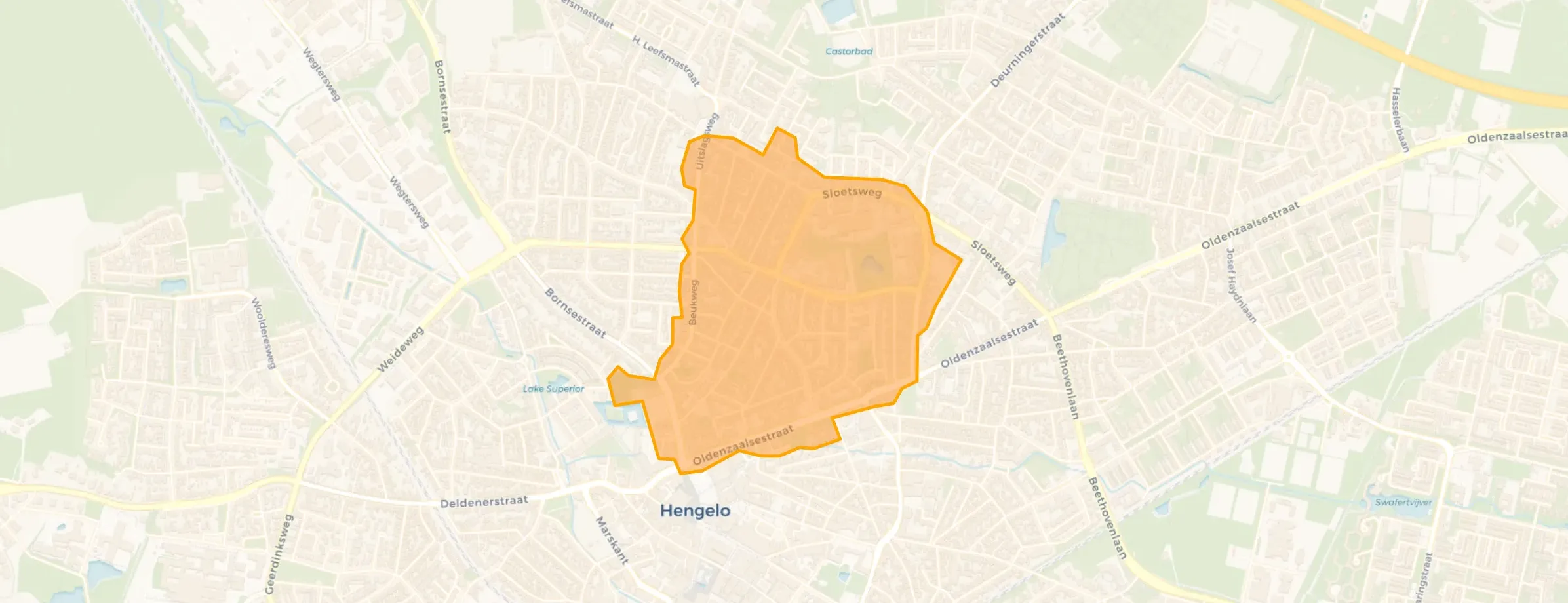
Tichelwerk is a densely built area with a mix of pre-war homes and modern amenities. With an address density of 3,108 per km², it feels very urban. The population is diverse: many single-person households (915) and a significant share aged 65+ (1,020). There are no resident reviews available for this neighbourhood, so the picture comes from statistics. Average incomes are around the national norm, and the area is well served by shops and public transport. The Tichelwerk neighbourhood has a lively, central character.
For your morning bread, Albert Heijn is just around the corner, and Aldi is a couple of streets away. Several other supermarkets are within a ten-minute walk. Schools are a bit further: the nearest primary school, KBS de Wheele, is about a 30-minute walk, and secondary school Het Twickel College Borne is similarly distant. A GP is a five-minute walk away, and the train station is a 15-minute walk. The municipality of Hengelo offers good amenities within reach.
At the time of writing, the home is listed only via Huispedia.
Details of this home

Wilgenweg 14, Hengelo
Data from Tichelwerk
Data from Tichelwerk
31 within 5 km


7 within 5 km
About Wilgenweg 14, Hengelo
The asking price is 23% above the neighbourhood average of €399,667, but the home is also 53% larger than the average (174 m² vs 114 m²). Given the extra space and the pre-war character, the price is in line with what you get. The neighbourhood median is €410,000, so this home sits at the higher end of the local market.
The energy label is F, which means the home is not very energy-efficient. You can expect higher heating costs compared to a modern home. In the neighbourhood, 50% of homes have a label D or lower, so this is not unusual for a pre-war property. Improvements like insulation or a new heating system could raise the label.
The train station is 1.7 km away, about a 15-minute walk. The high address density (3,108 per km²) suggests good urban infrastructure.
Tichelwerk has 435 households with children, but also many single-person households (915) and older residents (1,020 aged 65+). It is a mixed area with a pre-war housing stock. Schools are within walking distance for secondary education (0.4 km), but primary schools are about 1 km away. The area is urban and lively.
In the past year, sold homes in Tichelwerk had an average listing duration of 28 days. That is relatively quick, indicating steady demand. The current supply is 15 homes for sale, so options are limited.
The plot is 305 m², which is generous for a semi-detached house in this area. The listing does not specify a garden, but the plot size suggests outdoor space.
Pre-war homes often have solid construction but may need updates to insulation, wiring, or plumbing. The energy label F indicates that heating efficiency is poor. It is common for homes built in 1923 to have single glazing or an old boiler. A structural survey is recommended before purchase.
6 homes in the neighbourhood Tichelwerk

Buurtje.nl uses cookies to make the site work and to improve it. In doing so, we process data such as your IP address and the pages you visit.
We use this data for three purposes: running the website (functional), measuring visits so we can improve Buurtje.nl (analytics), and — if you allow it — tailoring ads to your interests (marketing).
How we handle your data is described in our privacy policy. You can change your preferences at any time via 'Cookie preferences' at the bottom of every page.
Choose per category which cookies we may place. Read more in our privacy policy.