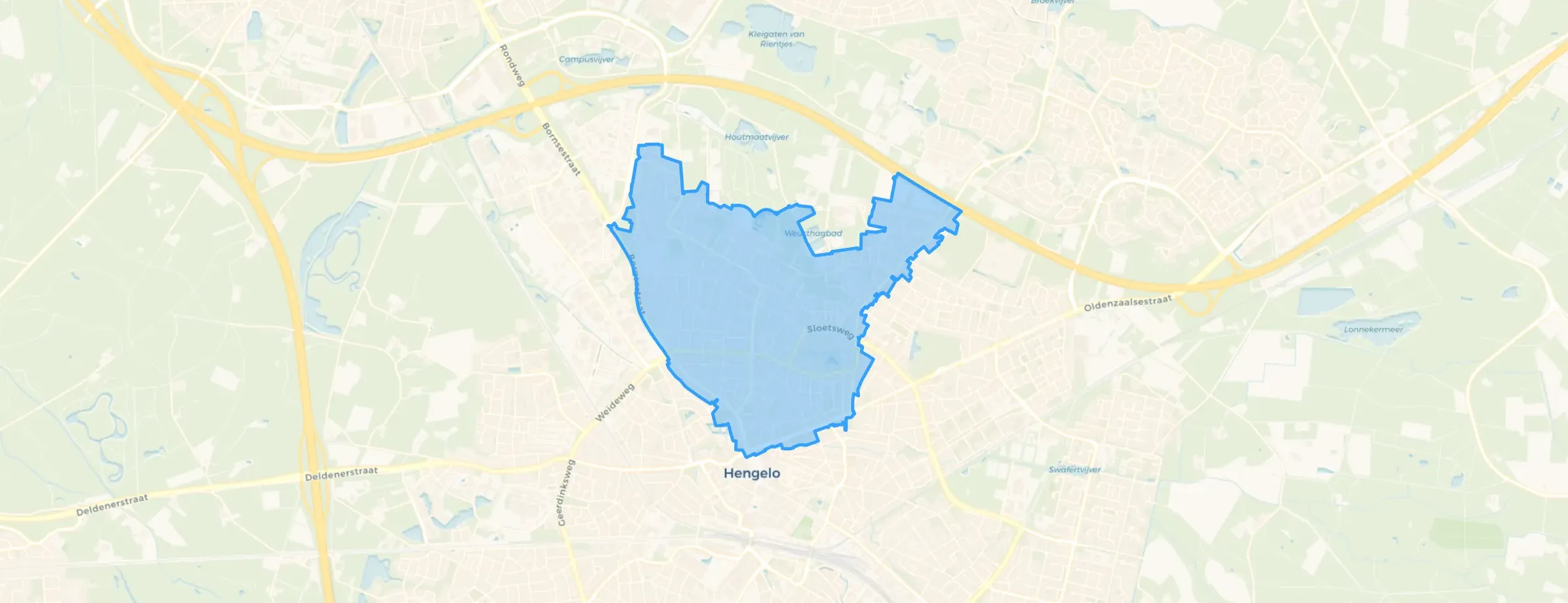
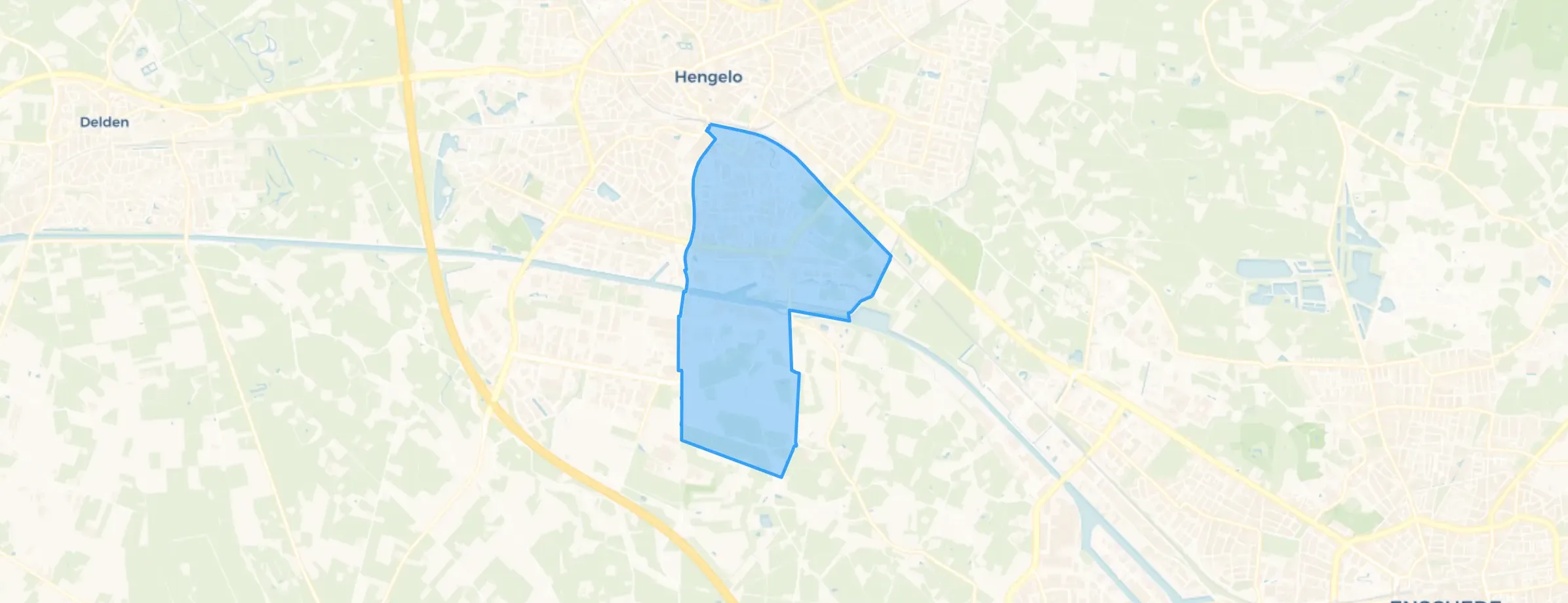
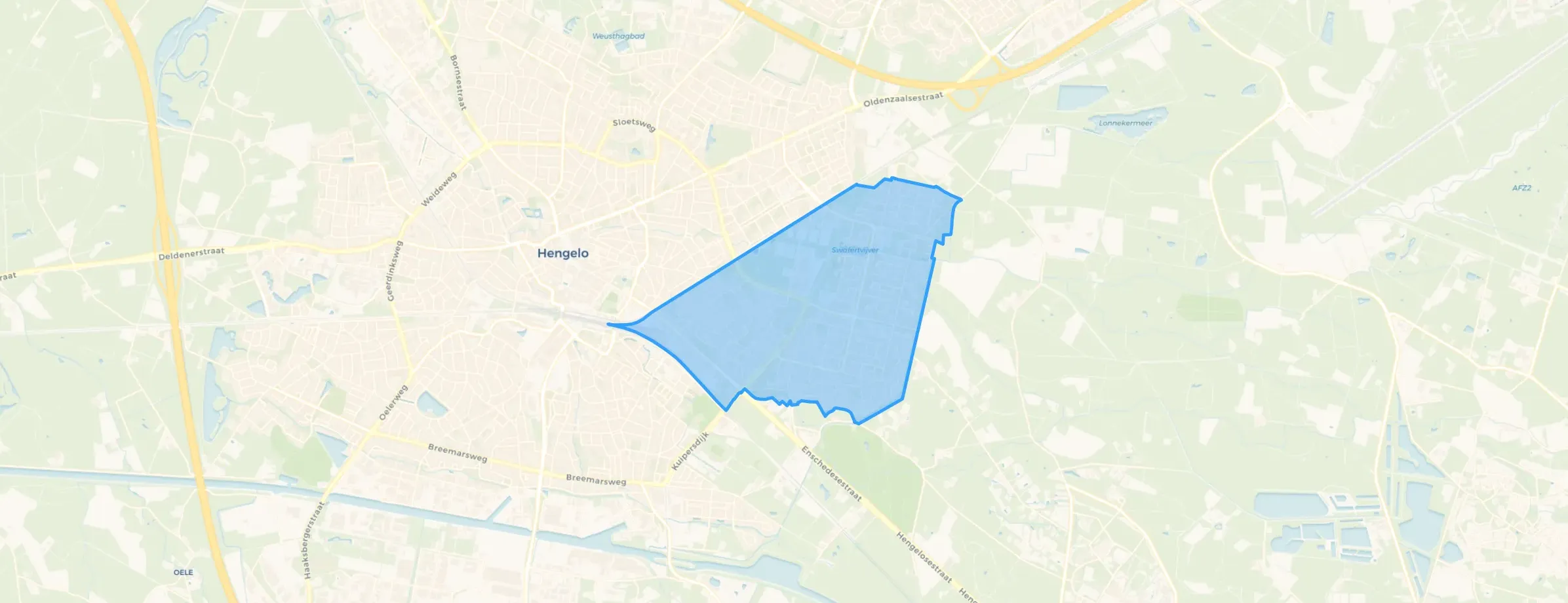
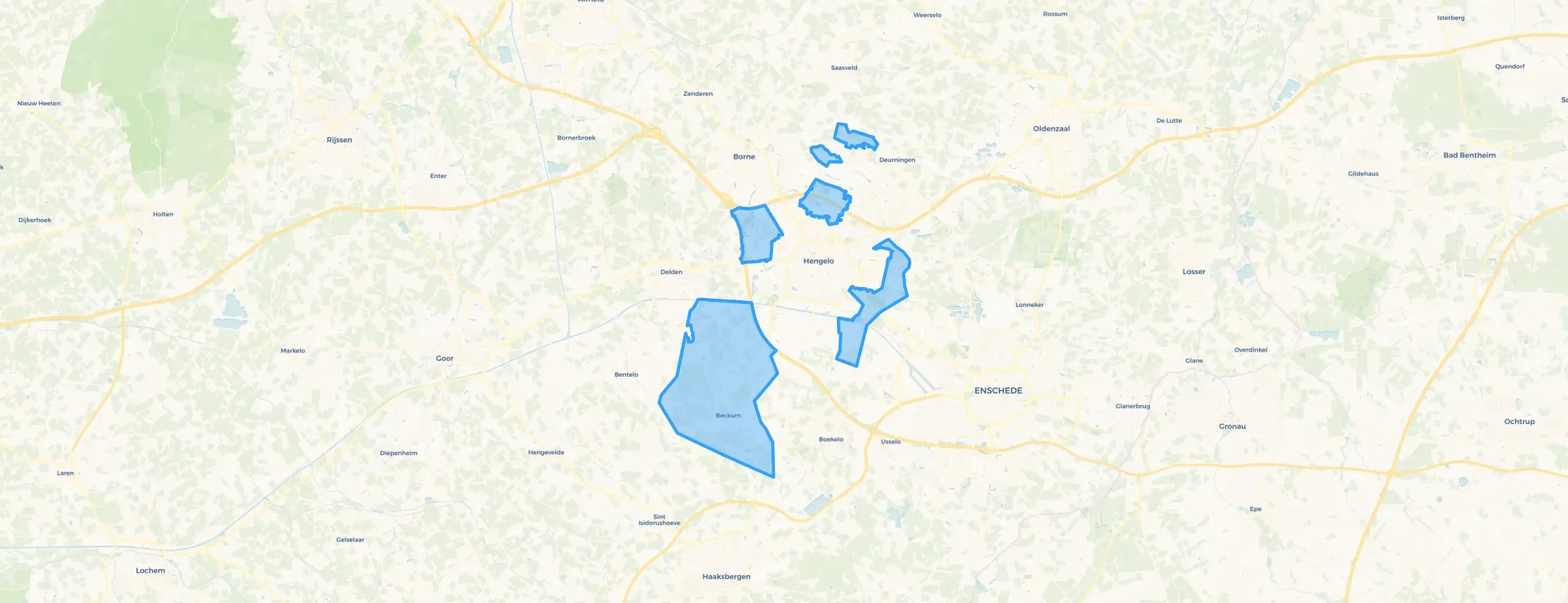
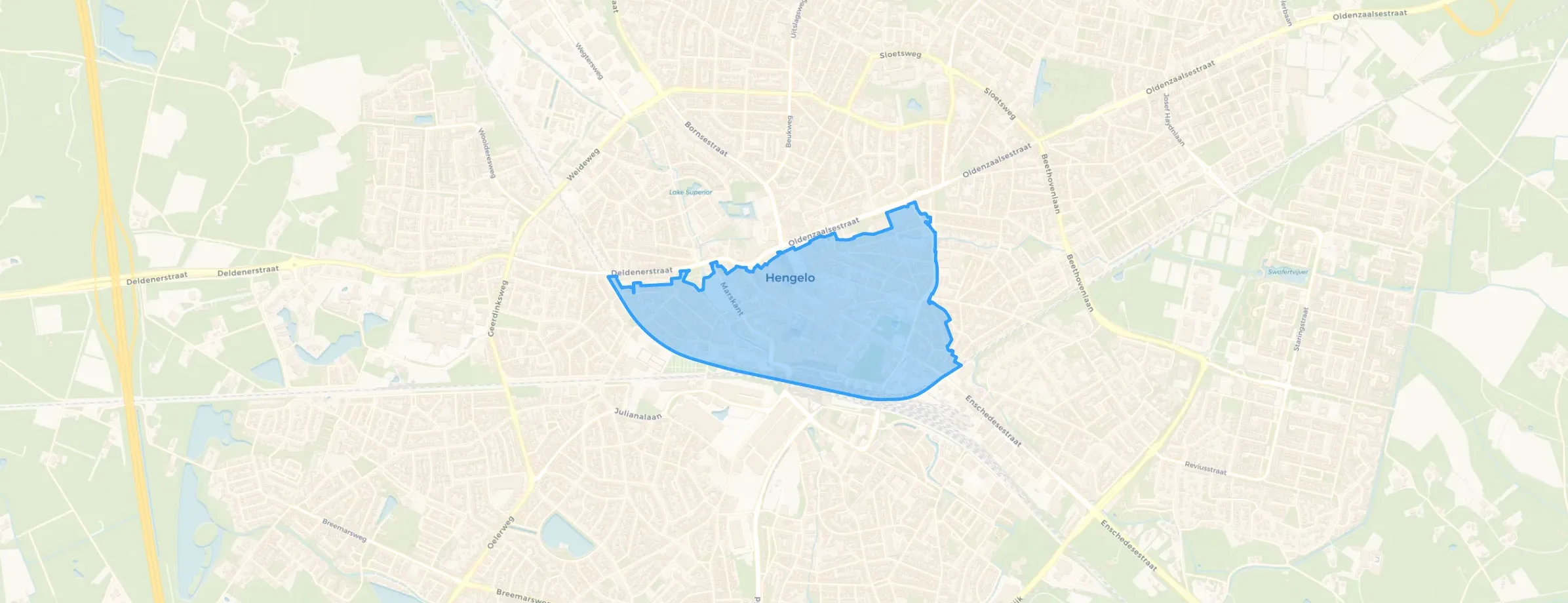
Municipality in Overijssel
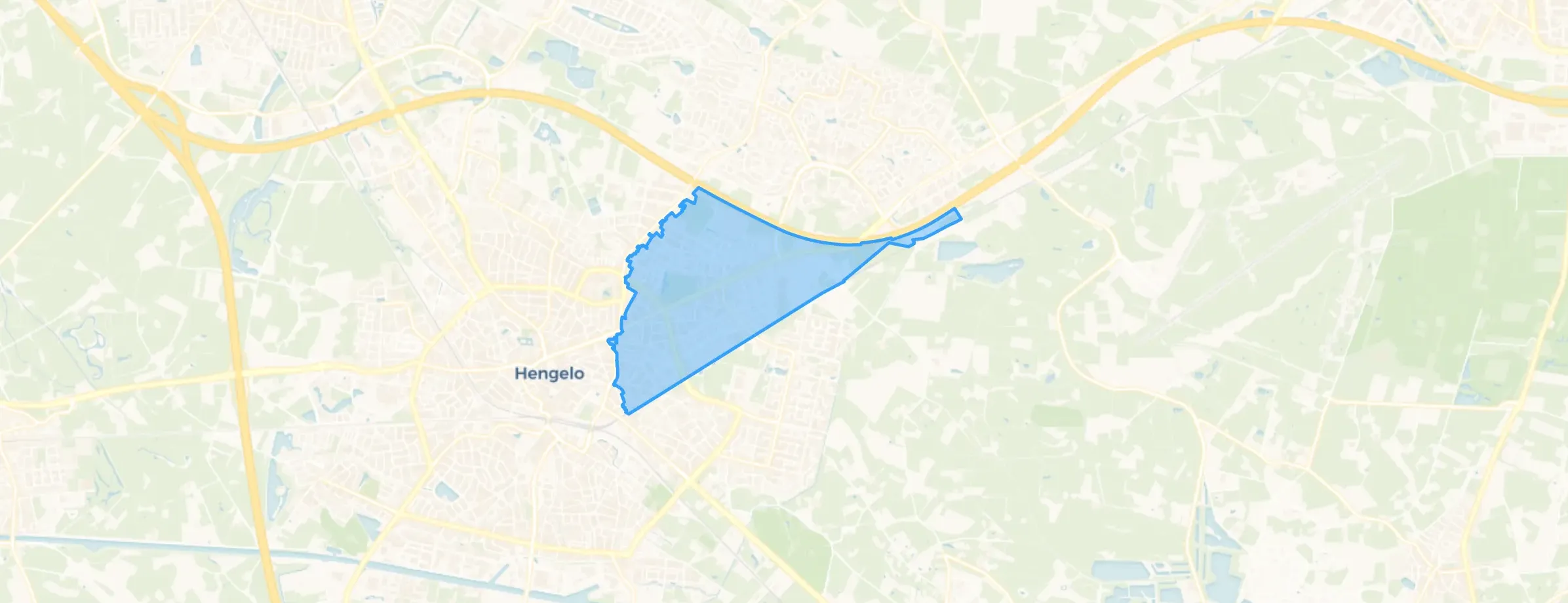
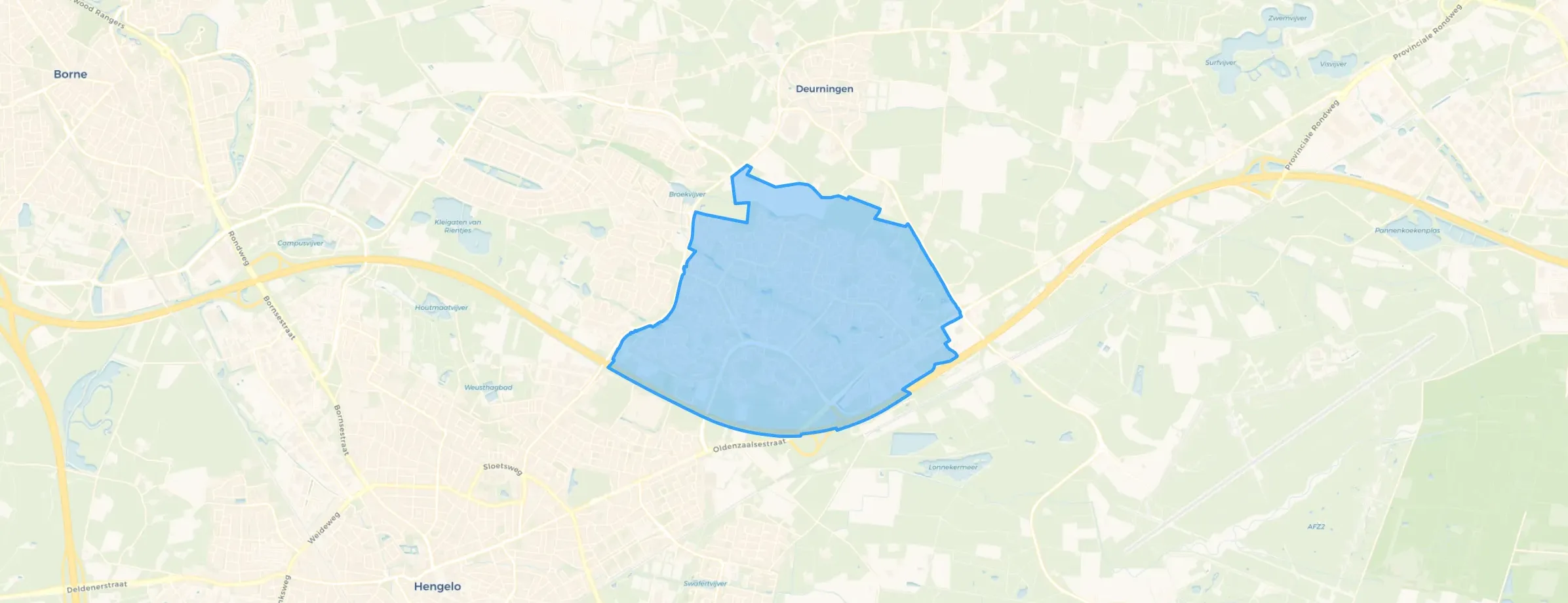
Hengelo is located in the province of Overijssel The municipality has a total area of 6.183 hectares, of which 6.084 hectares are land and 99 hectares are water. The municipality is coded as GM0164. The postcode area is 7551AA-7559WS.
Hengelo has 83.655 residents. Of these, 50,6% are men and 49,4% are women. Most residents are 45 to 65 years (27,1%). The other age groups are 25,6% for '25 to 45 years', 21,2% for '65 years or older', 13,7% for '0 to 15 years' and 12,4% for '15 to 25 years'. Of the residents, 49,0% is unmarried, 37,9% is married, 8,0% is divorced and 5,1% is widowed. 61.095 residents originate from the Netherlands, 6.131 come from Europe and 16.429 come from countries outside Europe.
There are 39.972 households in Hengelo. 41,2% of these are single-person households, 28,2% households without children and 30,5% households with children. The average household size is 2,1 persons. The national average is 2,1 persons.
In Hengelo there are 69.000 income recipients. The average income per income recipient is €38.500, which is €3.700 (9%) lower than the national average of €42.200. Per resident, the average income is €32.600, which is €2.300 (7%) lower than the national average of €34.900. Most residents of Hengelo are educated to an intermediate level. 43,5% have an intermediate education (HAVO, VWO or MBO 2-4), 31,5% have a university or higher professional education (HBO/WO) and 25,0% have a lower education (VMBO or MBO 1).
Of the 83.655 residents, around 71% are in paid employment, which amounts to 59.395 people. This is 1% lower than the national average of 72%. The majority of workers are in salaried employment (88%), while 12% are self-employed. In Hengelo, 29% of residents receive a benefit. The largest group is those receiving a state pension (AOW). 15.850 people receive this benefit.
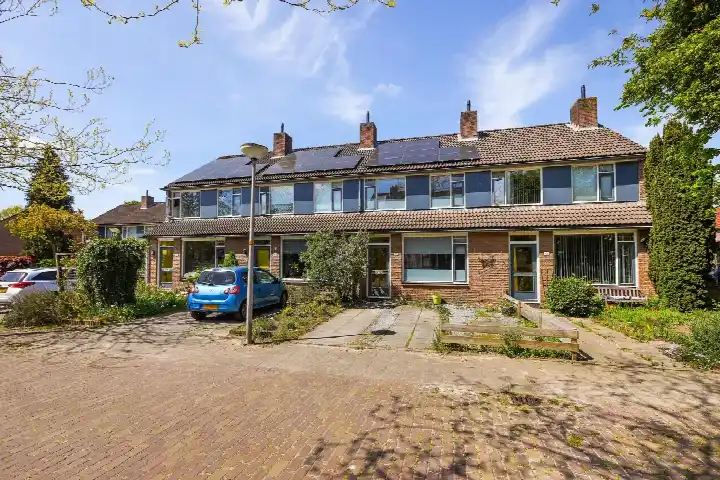
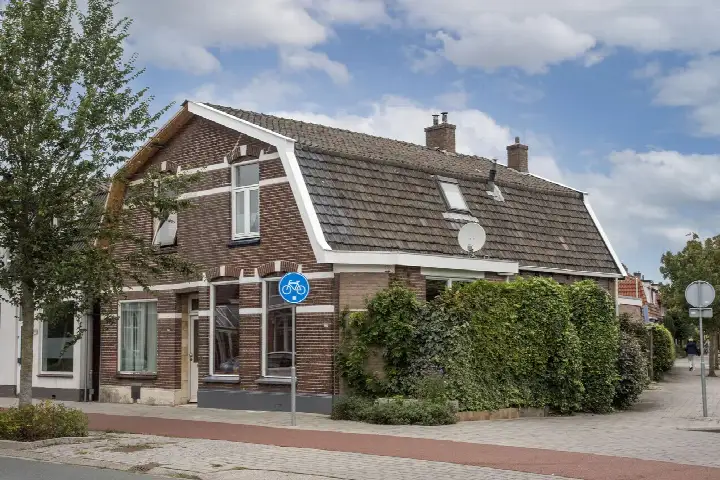
In Hengelo there are 40.426 homes with an average assessed value (WOZ) of €313.000. Of these, around 96% are occupied and 4% unoccupied. Most homes are owner-occupied. This amounts to 43% rental homes and 57% owner-occupied homes. Of the homes, 57% privately owned, 30% owned by housing associations and 13% owned by other landlords. The most common construction periods in Hengelo are 1950-1970 (21%) and 1970-1980 (16%).
There are currently no homes for sale in Hengelo. The most recently listed home is P.C. Hooftlaan 14 by Snelder Zijlstra by Tim Kreffer. No homes were sold in Hengelo over the past year.
There are currently no homes for rent in Hengelo. The most recent home is Zalmstraat 8, offered by Snelder Zijlstra Makelaars. No homes were let in Hengelo over the past year.
No recent rental data available for Hengelo.
In Hengelo there are 27.951 addresses with a registered energy label. The most common labels are A (32%), C (22%) and B (16%). On average, an address in Hengelo uses 2.550 kWh of electricity per year. This is in line with the national average. Natural gas consumption, at 840 m³ per year, is 5% above the national average of 800 m³.


For me, it's very nice to live in.
Auto-translated to English by AIIt's quite quiet to live, nice neighbours
Auto-translated to English by AIA snug rural area, despite being close to the motorway, almost never bothered by the noise. Lots of nature and wildlife around us. And friendly neighbours.
Auto-translated to English by AIOur street was once a beautiful street. But ruined completely by certain people. And you don't get any help. Such a shame. The neighbourhood is also not well maintained by the municipality; nowadays this is only for the better neighbourhoods where people with money live. And the housing association washes its hands of many things. The ordinary person can only get flats anymore. Where has our Hengelo gone, where I always lived so happily! What could be improved is the rubbish situation, that houses are better maintained, overall maintenance of streets, etc. And that there aren't deep trenches next to streets, life-threatening. Even if you call them, they change nothing. Fences around playgrounds, making unsafe streets safe again. And that they don't charge mega rent prices for small old houses and that new houses are also built for social renters. And that the municipality and police really intervene when necessary. But something has to happen first. Sad, all of it! Such a shame!
Auto-translated to English by AIMy neighbourhood is a tidy neighbourhood, nice houses and just very neat. Unfortunately, I do miss contact with neighbours.
Auto-translated to English by AImany loitering youths throwing eggs at houses.
Auto-translated to English by AIpretty good, you know
Auto-translated to English by AInormal neighbourhood but very dependent on exactly where you are. the closer to the railway, the worse it gets. waste nuisance around the Aldi is excessive and really needs attention. speeding on the Mozartlaan, Paganinistraat, Oude Postweg, Jozef Haydnlaan is also significant. speeding is too easy and it's unclear what the maximum speed is. small gardens and green strips also need attention. where the streets are swept regularly (plus point), the gardens are maintained once a year. I feel safe enough, although it's not always great, loud foreign voices, groups of men and overdue maintenance on sometimes entire blocks.
Auto-translated to English by AIThe housing stock is mainly post-war — 51% was built between 1945 and 1990.
Over the past year a home for sale in Hengelo was listed for an average of €399,488 (€3,192 per m²). That is 24% below the Dutch national average. Last quarter prices fell by 7%.
A rental home in Hengelo cost an average of €1,168 per month (€13 per m²). That is 46% below the national average.
Residents give Hengelo a 7.7 out of 10 based on 34 reviews. The strongest score is for accessibility (8.2), the weakest for community (7.3).
From Hengelo you can on average reach a supermarket at 0.7 km, a GP at 1.0 km, a railway station at 2.2 km, a primary school at 0.8 km (as the crow flies, source: CBS).
Right now you will find 412 homes for sale and 114 homes for rent in Hengelo.