Passeerdersgrachtbuurt, Amsterdam
 Neighbourhood
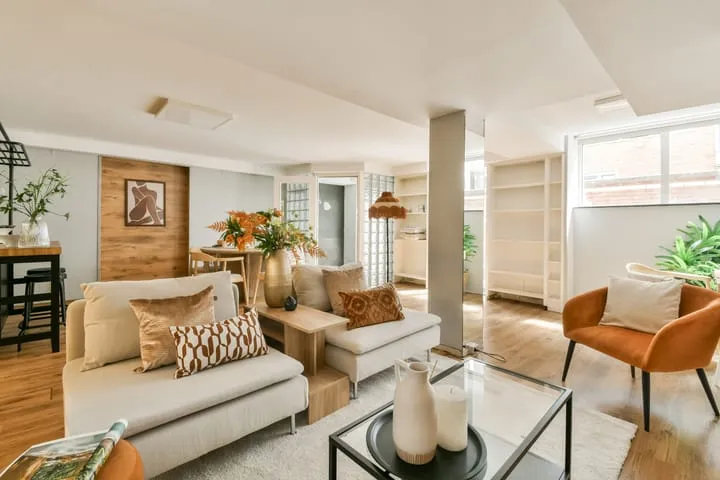
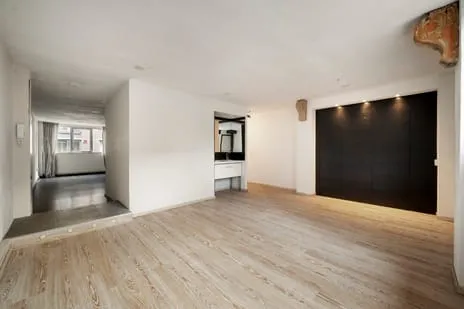
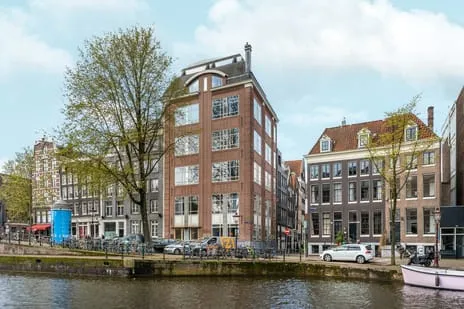
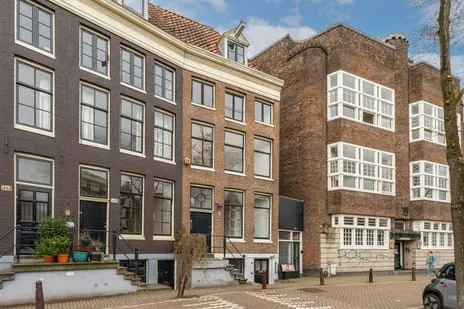
This monumental townhouse on the Leidsegracht is a rare find in the heart of Amsterdam. Built in 1806, it spans 275 m² over several floors, with a 130 m² plot. At €4,400,000, it is the most expensive home currently for sale in the Passeerdersgrachtbuurt and sits 247% above the neighbourhood average asking price, a reflection of its exceptional size and location. For context, terraced houses in Amsterdam at this level are uncommon.
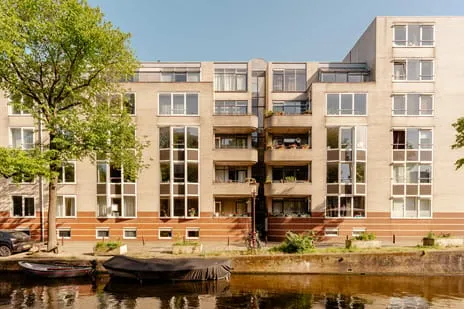
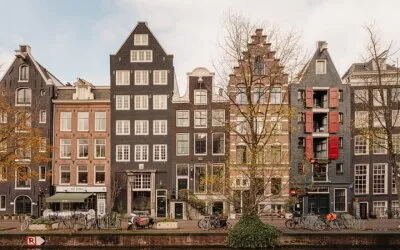
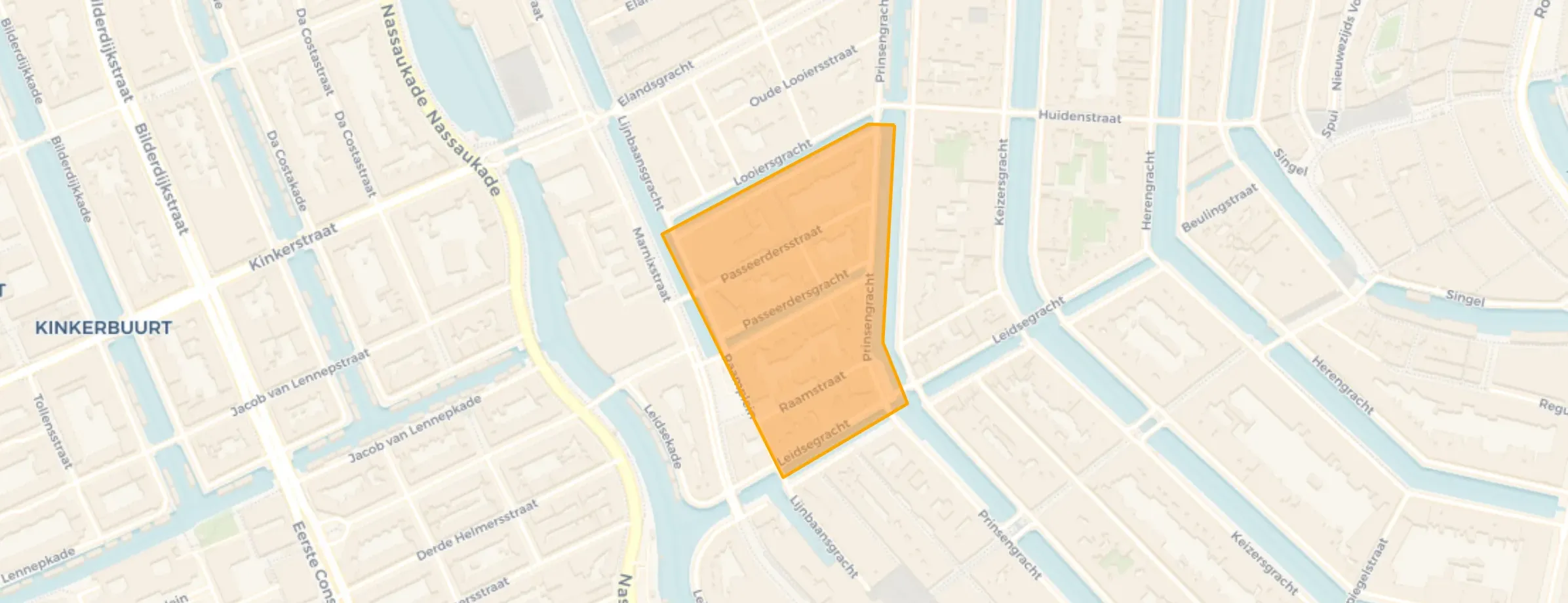
This is the Jordaan, one of Amsterdam's most iconic neighbourhoods. It is densely built and very urban, with over 10,000 addresses per km². The area is popular with singles (425 one-person households) and younger adults, though there are also families. The streets are lively, with restaurants and cafés just around the corner. The neighbourhood Passeerdersgrachtbuurt has a mix of historic buildings and modern conveniences, and the canal views are a daily pleasure.
Your morning bread run is a couple of streets away at the AH to go, or a five-minute walk to the Albert Heijn on the Elandsgracht. For organic groceries, Ekoplaza is also a five-minute walk. Two primary schools are within a five-minute walk: OBS Leonardo da Vinci and the 14e Montessorischool De Jordaan. Secondary schools like Barlaeus Gymnasium are a five-minute walk too. The municipality Amsterdam offers all the cultural and practical amenities you would expect from the capital.
At the time of writing, the home is listed through several channels, including DAMSTAD. The asking price is on the high side, even for this sought-after street, given the energy label D and the age of the property.
Details of this home

Leidsegracht 80, Amsterdam
Data from Passeerdersgrachtbuurt
Data from Passeerdersgrachtbuurt
151 within 5 km



219 within 5 km
About Leidsegracht 80, Amsterdam
The asking price is 247% above the neighbourhood average of €1,266,974, making it the most expensive of the 19 homes currently for sale in the Passeerdersgrachtbuurt. The 275 m² floor area is 167% larger than the neighbourhood average of 103 m², which partly explains the premium. However, the energy label D is less efficient than most of the current local supply, so the price is on the high side.
The home has energy label D. In the neighbourhood, 46.2% of homes have label C and 23.1% have label A, so this home is less efficient than much of the local supply. Label D means higher energy costs than a more modern home, but it is typical for a property built in 1806.
At 275 m², this home is 167% larger than the neighbourhood average of 103 m². The plot of 130 m² is also generous for a canal house. Most homes in the Passeerdersgrachtbuurt are smaller, so this is an exceptionally spacious property.
The Passeerdersgrachtbuurt is in the Jordaan, a very urban area with a high density of addresses. It has many singles and young adults, but also some families. The streets are lively with restaurants, cafés, and shops. There are no resident reviews available for this specific street, but the area is known for its historic charm and central location.
The nearest train station is 2.6 km away. This is a bit of a walk, but the area is well served by trams and buses. The home is in the city centre, so many destinations are within walking distance.
The closest supermarket is an AH to go at 138 metres, just around the corner. A full Albert Heijn is 334 metres away, and Ekoplaza is 384 metres. A Lidl is 406 metres, and another Albert Heijn is 445 metres. Daily groceries are very convenient.
Yes, there are several schools within walking distance. OBS Leonardo da Vinci (primary) is 395 metres away, and the 14e Montessorischool De Jordaan (primary) is 448 metres. For secondary education, Barlaeus Gymnasium is 495 metres, and Huygens College is 608 metres. The area has a good selection of schools.
6 homes in the neighbourhood Passeerdersgrachtbuurt

Buurtje.nl uses cookies to make the site work and to improve it. In doing so, we process data such as your IP address and the pages you visit.
We use this data for three purposes: running the website (functional), measuring visits so we can improve Buurtje.nl (analytics), and — if you allow it — tailoring ads to your interests (marketing).
How we handle your data is described in our privacy policy. You can change your preferences at any time via 'Cookie preferences' at the bottom of every page.
Choose per category which cookies we may place. Read more in our privacy policy.