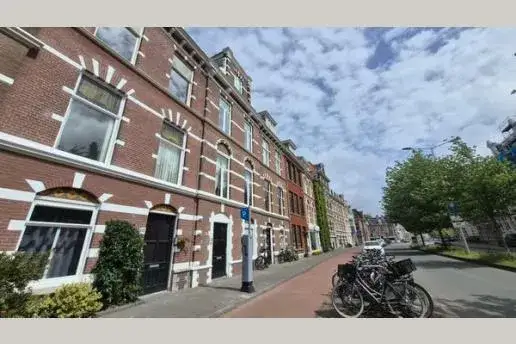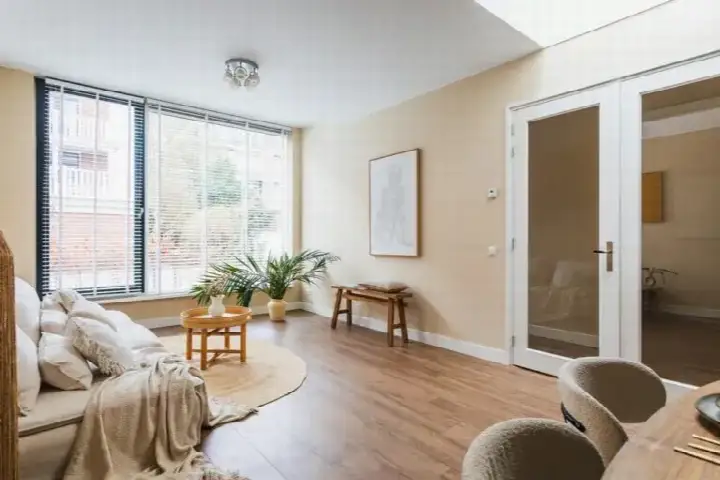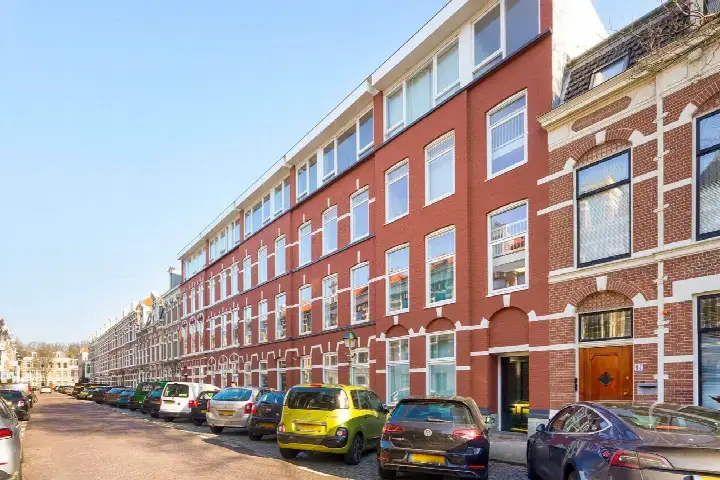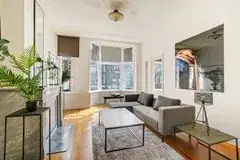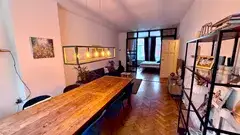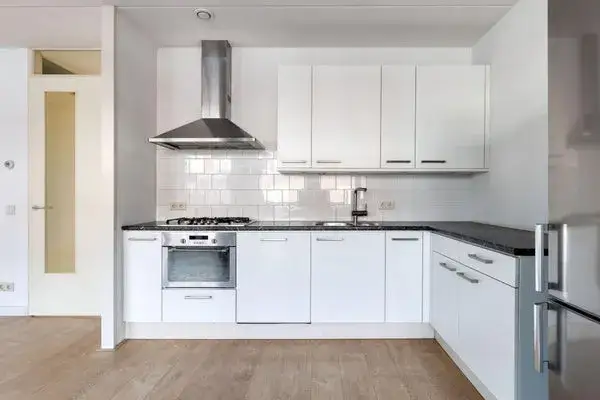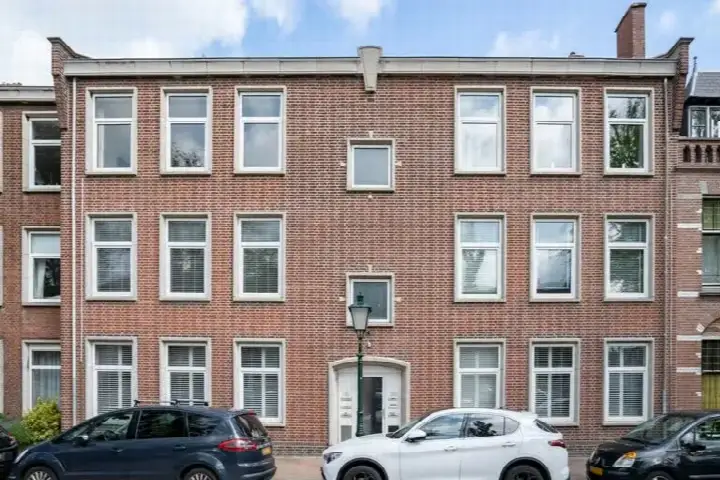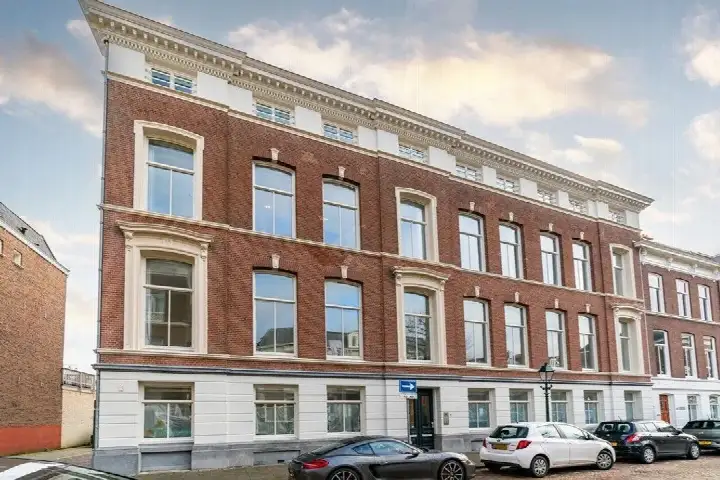





A classic apartment on Alexander Gogelweg
This apartment on Alexander Gogelweg sits in the heart of Zorgvliet, a leafy corner of Den Haag where the streets feel calm and the architecture has real character. The building dates from 1927, so the proportions are generous and the atmosphere is distinctly pre-war. At €1,995 per month for 145 m², the rent is in line with what similar apartments in the area ask. For context, apartments in Den Haag typically command a premium for this kind of space and setting.
Zorgvliet
Zorgvliet is a small, established neighbourhood with just over 700 residents, and the demographics tell a clear story: a large share of households are single people, and a significant number of residents are 65 or older. The streets are quiet, and the mix of ages gives the area a settled, unhurried feel. One resident describes it as "a peaceful pocket of the city," while another notes that "the neighbours look out for each other." Based on the reviews available, the sense of community comes through strongly. The neighbourhood of Zorgvliet is the kind of place where you recognise faces on the morning walk.
Life on the street
Daily errands are straightforward from here. For groceries, the nearest Albert Heijn is just around the corner, with a Coop a couple of streets away and another Albert Heijn within a ten-minute walk. For families, the primary school De Parachute is a short drive, and the Sint-Maartenscollege for secondary education is a little further out. The train station is about 4 km away, which is manageable for occasional trips into the centre. The municipality of Den Haag keeps the surrounding streets well maintained, and the area feels safe and orderly.
Source
At the time of writing, this home is listed only via WONEN Makelaars.
This summary was generated with AI and may contain errors. Always verify the details with the provider.
Features
Details of this home
Transfer
Price

Areas and volume
Layout
Construction
Frequently asked questions
About Alexander Gogelweg 91, 'S-Gravenhage
Is €1,995 a fair rent for this apartment?
The rent of €1,995 per month for a 145 m² apartment in Zorgvliet is in line with what similar properties in the area go for. The neighbourhood has a limited number of rental listings, and the average rent for a room in the area is around €920, which gives a sense of the market. The pre-war character and the size of the home justify the figure.
What is the energy label and what does it mean?
The energy label is C. This is an official registration, recorded in the national EP-Online database. A C label is mid-range on the scale, so you can expect moderate energy costs compared to the most efficient homes, but it is not the lowest category. The label does not say anything about the condition of the building itself.
How old is the building and what does that mean for the home?
The building was constructed in 1927. The year of construction is a fact about the property, but the listing does not state the condition of the interior or any installations. Pre-war buildings often have high ceilings and solid brickwork, but the current state of the apartment is not described in the listing.
What is the neighbourhood like for daily life?
Zorgvliet is a quiet, established neighbourhood with a high proportion of single-person households and a significant number of residents aged 65 and over. The streets are calm, and the community is close-knit. For daily shopping, the nearest Albert Heijn is about 670 metres away, with a Coop at 850 metres, so groceries are within easy walking distance.
How far is the nearest train station?
The nearest train station is approximately 4.3 km from the apartment. That is a manageable distance for occasional trips, though you would likely rely on a bike or car for the journey. The listing does not specify which station, but the distance is given in the data.
Are there schools nearby?
The nearest primary school, De Parachute, is about 4.4 km away, and the nearest secondary school, Sint-Maartenscollege, is around 5.2 km. These are the closest options within the data, so families would need to factor in a short drive or cycle for school runs. The neighbourhood itself is more oriented towards older residents.