Indische buurt, Groningen
 Neighbourhood
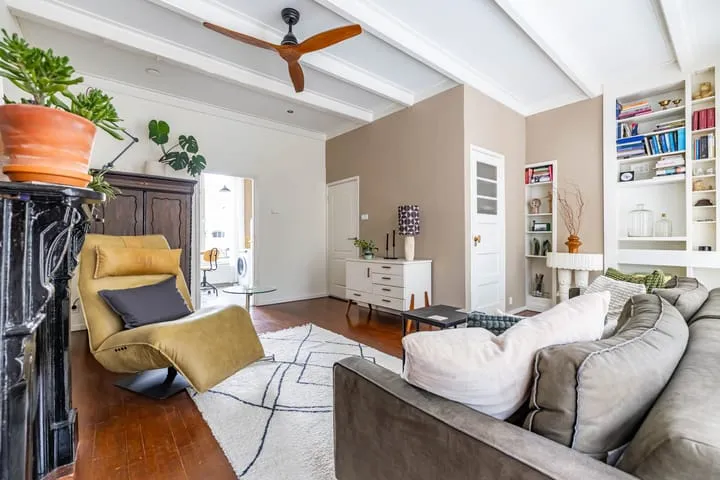
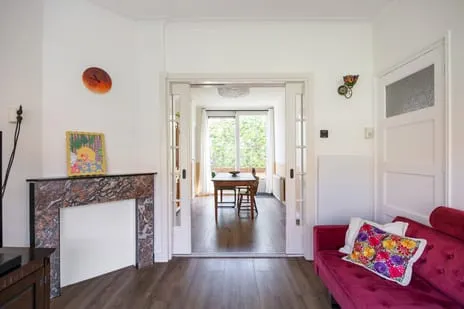
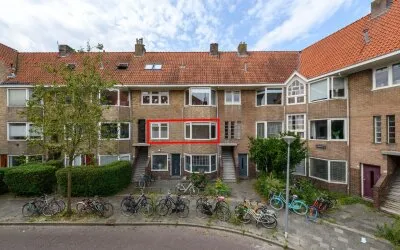
This 1936 apartment on Ambonstraat sits in the Indische buurt, a neighbourhood with a distinct character. At 60 m² it's compact, and the asking price of €262,000 is 26% below the neighbourhood average, a keen price for a starter home. For context, apartments in Groningen vary widely, but this one is priced to move.
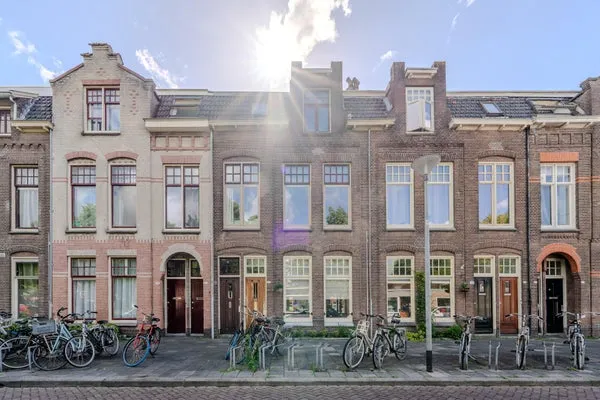
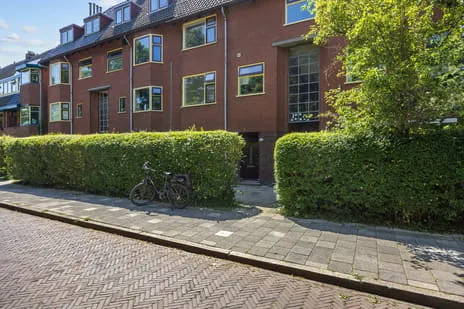
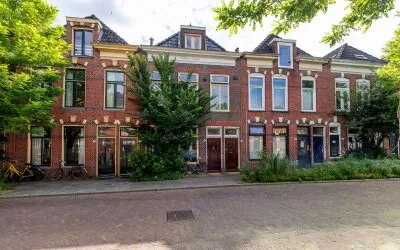
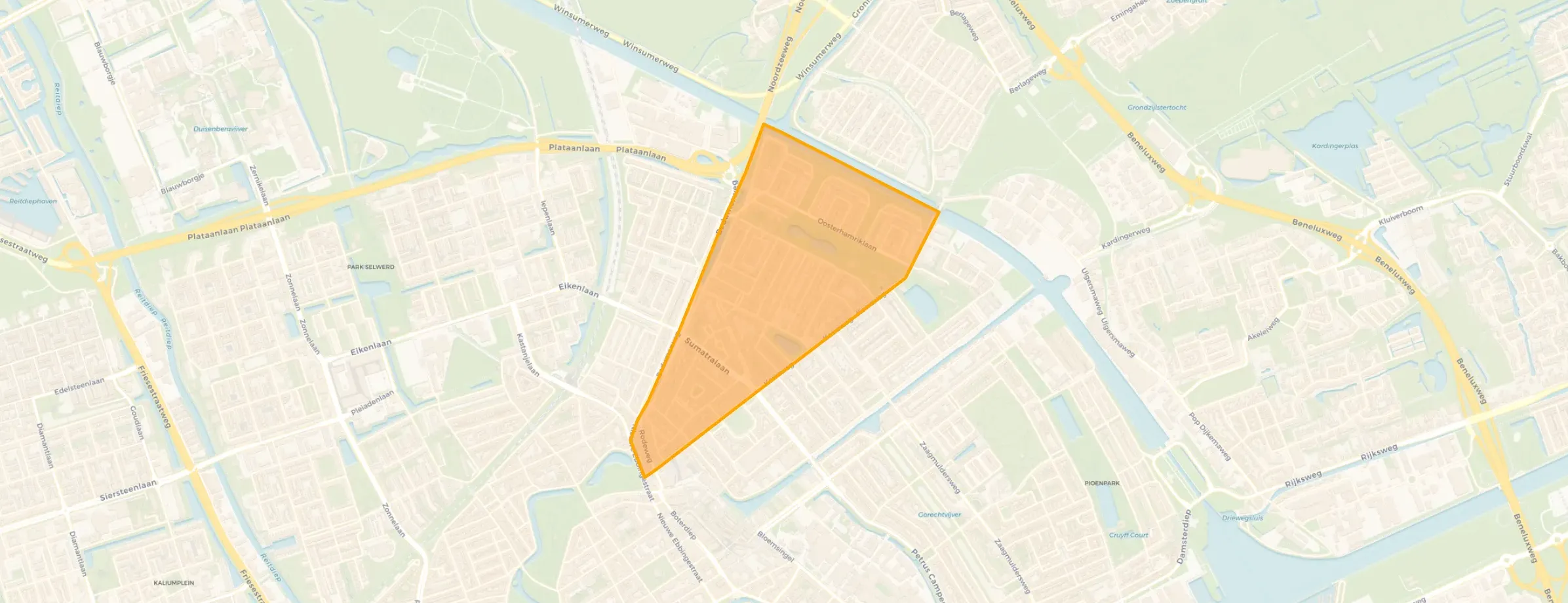
The Indische buurt is an old, inner-city neighbourhood with a mix of incomes and cultures. One resident calls it a "Lovely neighbourhood" and says: "I feel at home in this neighbourhood. Very diverse, safe and easily accessible." Another describes it as "Safe and relaxing" and notes: "Nice neighbourhood with lots of nature, close to the centre but very quiet." A third review is less positive, calling it a "Deprived neighbourhood" with "generally low income." Based on ten reviews, the average score is 7.87. The area is densely built (over 5,000 addresses per km²) and mostly consists of flats. Many residents live alone, and the population is young, a lot of students and starters. For more on the area, see the neighbourhood Indische buurt.
For your morning bread, Albert Heijn is on your doorstep, and Jumbo, Aldi, Lidl and PLUS are all just around the corner. Primary schools are a couple of streets away: Openbare Basisschool Karrepad is a five-minute walk, and De Kleine Wereld is about the same. For secondary education, Gomarus College Magnolia is also within a ten-minute walk. The municipality Groningen offers plenty of urban amenities, with a park just around the corner and a train station a ten-minute walk away.
At the time of writing the home is listed via Noorderlicht Makelaars and also appears on Funda, so it's available through several channels.
Details of this home

Ambonstraat 26A, Groningen
Good · 10 residents
Old neighbourhood, generally low income.
Auto-translated to English by AII feel at home in this neighbourhood. Very diverse, safe and easily accessible.
Auto-translated to English by AINice neighbourhood with lots of nature, close to the centre but very quiet.
Auto-translated to English by AII haven't lived here very long, but I'm especially a fan of the green surroundings and walking routes. I was also surprised that people from my block like to chat and know each other reasonably well. On the street I don't always feel very safe, because there are relatively many people with (visible) mental health and/or drug problems. Yet after living here for a short time, I noticed that I need to worry less than I thought and most people are very friendly here. I am less of a fan of the amenities here; only the Plus supermarket is in the neighbourhood, but that's not necessarily very affordable for everyone. Furthermore, there isn't much within walking distance. I also notice that, for example, on my street there is quite a lot of litter (now also a lot of old fireworks) and the gardens are generally not maintained. This could certainly be improved (:
Auto-translated to English by AInice park, close to the centre, two supermarkets nearby, also two hairdressers, community centre with many activities and cheap lunch/dinner around the corner. Second-hand clothing shop, flower shop and a few other shops, including two cafeterias, a pizza delivery, in short plenty of amenities. And also just over 5 minutes by bike from the centre.
Auto-translated to English by AIHave been living here for 5 years, very pleasant. Lots of nice people. Good for starters.
Auto-translated to English by AIData from Indische buurt
Data from Indische buurt
48 within 5 km



76 within 5 km
About Ambonstraat 26A, Groningen
The asking price is 26% below the average asking price in the Indische buurt (€353,480) and also below the median of €340,000. Given the compact 60 m² size, the price per m² works out to about €4,367, which is lower than the neighbourhood average of €5,571 per m². So it's priced keenly for a starter home in this area.
The energy label is D. That's a middling score, not very efficient, but not the worst either. In the Indische buurt, about 38% of homes have a label D or lower, so this is fairly typical for the area. You can expect moderate energy costs, but nothing extreme.
The Indische buurt has 475 reported crimes in the latest data, which is relatively high for a neighbourhood of this size. However, resident reviews are mixed: some feel safe and call it a "safe and relaxing" area, while one review describes it as "deprived." It's a diverse, inner-city neighbourhood with a residential feel, so it pays to visit at different times of day.
The nearest train station is 1.3 km away, about a ten-minute walk. That's a reasonable distance for commuting.
At 60 m², this flat is 33% smaller than the neighbourhood average of 89 m². That's compact, even for a flat. It's typical for a starter home or a single person, but might feel tight for a couple or anyone needing extra space.
It's an apartment built in 1936, so it's a pre-war flat with classic features like high ceilings and sturdy construction. In the Indische buurt, nearly 85% of homes were built before 1945, so this is very much in keeping with the area's character.
6 homes in the neighbourhood Indische buurt

Buurtje.nl uses cookies to make the site work and to improve it. In doing so, we process data such as your IP address and the pages you visit.
We use this data for three purposes: running the website (functional), measuring visits so we can improve Buurtje.nl (analytics), and — if you allow it — tailoring ads to your interests (marketing).
How we handle your data is described in our privacy policy. You can change your preferences at any time via 'Cookie preferences' at the bottom of every page.
Choose per category which cookies we may place. Read more in our privacy policy.