




De Ruijterstraat 52A3
Zeeheldenkwartier · 2518 AT 's-Gravenhage

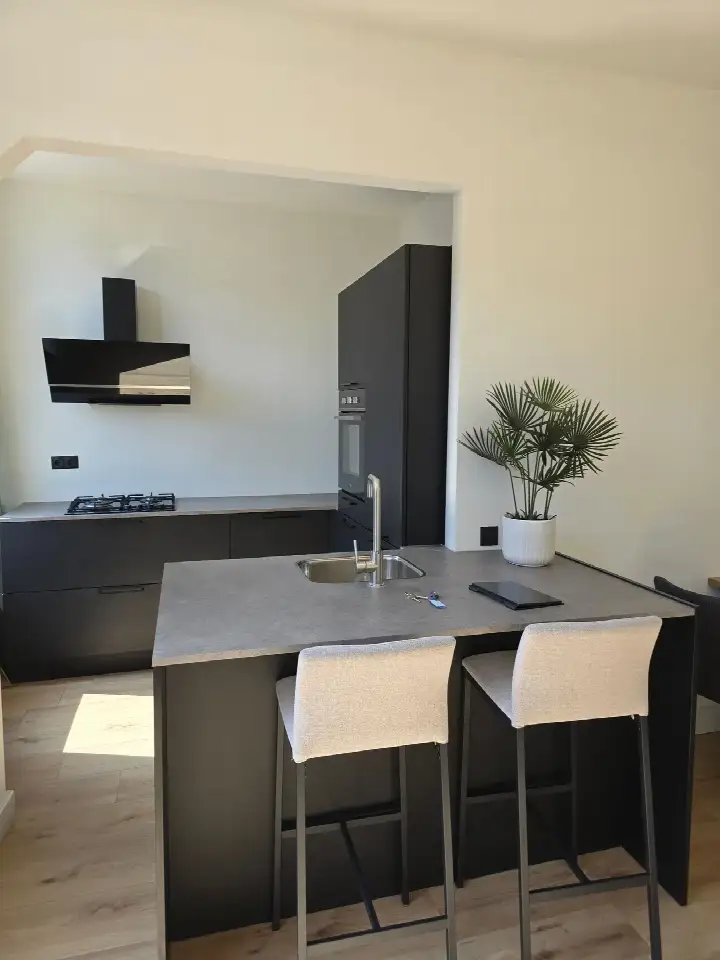
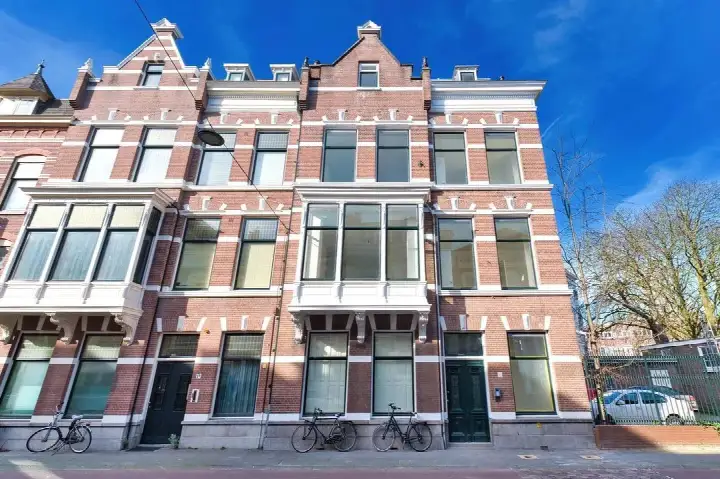
A classic apartment in the Zeeheldenkwartier
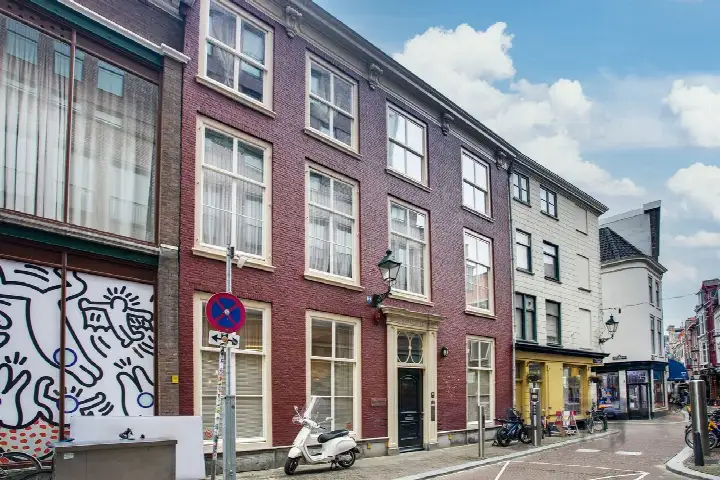
This apartment on De Ruijterstraat sits in the Zeeheldenkwartier, a lively part of Den Haag with a real city feel. The building dates from 1903, which gives the home a classic character, while the energy label A is a modern touch. At €2,250 per month, the rent was in line with the average for apartments in Den Haag, which sat around €2,336. This home has not been online since 14 September 2026.
The Zeeheldenkwartier neighbourhood
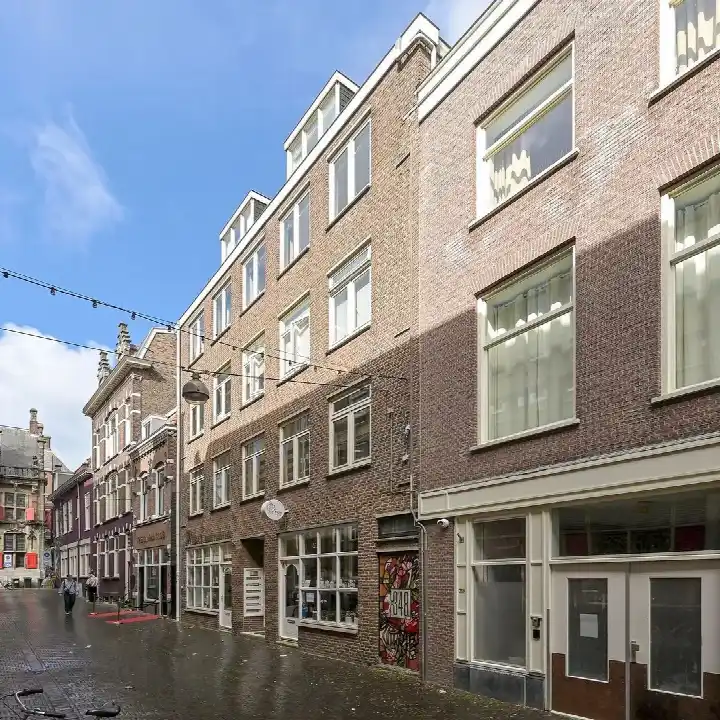
The Zeeheldenkwartier is a dense, urban area with a strong mix of people and households. Most homes here are apartments, and the streets are busy with a constant hum of activity. Based on three reviews, residents give the area a 7.87 out of 10. One resident says: "Lots of diversity, unfortunately sometimes crime, Beautiful neighbourhood where a lot is currently under construction, it looks promising." Another notes: "Cosy on one side, less so on the other." It is a place with character, though not without its rough edges. For more context, you can look at the Zeeheldenkwartier as a whole.
Life on the street
Daily errands are easy from here. For groceries, an Albert Heijn is just around the corner, with a Coop a couple of streets away. For schools, the nearest primary school, De Parachute, is a bit further out, while secondary options like Sint-Maartenscollege are also within reach. The area is well connected, with a train station about 2.7 km away. It is a practical spot for everyday living, with most essentials close by. The wider surroundings are covered under the municipality of Den Haag.
Source
When this home was still on the market, it was listed through several channels, including VERRA Makelaars.
This summary was generated with AI and may contain errors. Always verify the details with the provider.
Features
Details of this home
Transfer
Price
Energy
 Save up to € 400 on your energy billCompare now
Areas and volume
 Insure your home and belongingsGet insured
Layout
Construction
Frequently asked questions
About De Ruijterstraat 52A3, 'S-Gravenhage
Was €2,250 a fair rent for this apartment?
The rent of €2,250 sat close to the average of €2,336 for rentals in the Zeeheldenkwartier, so it was in line with the local market. With 97 m² of floor area, the price per square metre worked out to about €23, which was below the neighbourhood average of €28 per m². That made it a reasonable asking price for the size.
What is the energy label and what does it mean?
The energy label is A, which is the most efficient label on the scale. This meant the home was officially registered as having low expected energy costs. The label is a formal registration, so it reflects the property's overall energy performance as recorded, not a detailed breakdown of the building's construction.
How far is the nearest train station?
The nearest train station is about 2.7 km from the apartment. That is a manageable distance for occasional trips, though not a quick walk. For daily commuting, you would likely factor in a cycle or a short ride to the station.
What is the neighbourhood like for daily life?
The Zeeheldenkwartier is a very urban area with a high density of addresses, so it feels busy and lively. A large supermarket is about 400 metres away, and a restaurant is just 200 metres off, making daily errands straightforward. The area has a mix of ages, with a notable share of single-person households, which shapes the local vibe.
How does the apartment's size compare to other rentals here?
At 97 m², this apartment is larger than the average rental in the Zeeheldenkwartier, which comes in at 88 m². That extra space was reflected in the price per square metre, which was lower than the neighbourhood average. So you were getting more room for your money compared to typical listings in the area.
Are there schools nearby for families?
The nearest primary school, De Parachute, is about 3.2 km away, and secondary options like Sint-Maartenscollege are around 4 km off. These are not within walking distance, so a cycle or drive would be needed for school runs. The neighbourhood itself has a relatively small share of households with children, which fits with the urban character.