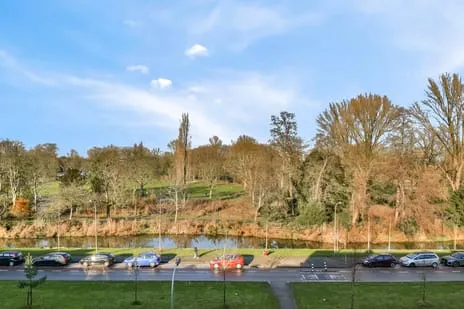
Sold subject to conditions
Prins Bernhardstraat en omgeving, Dordrecht
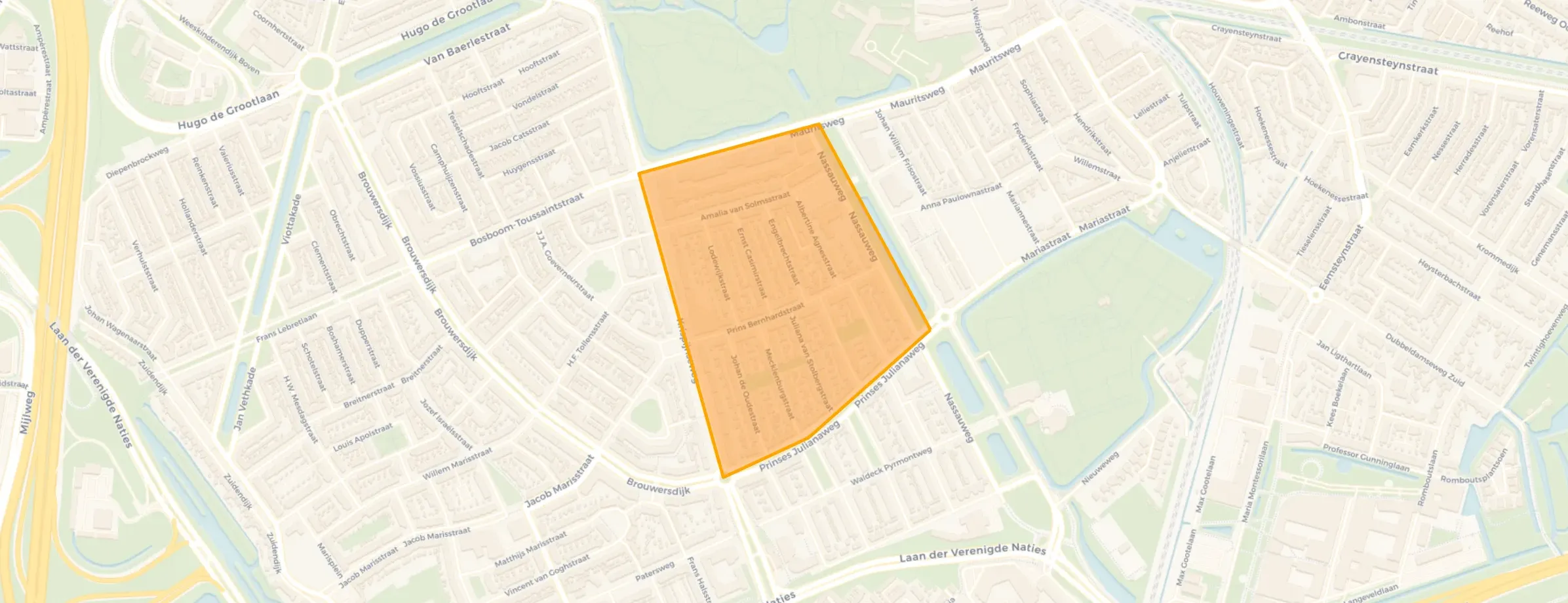 Neighbourhood
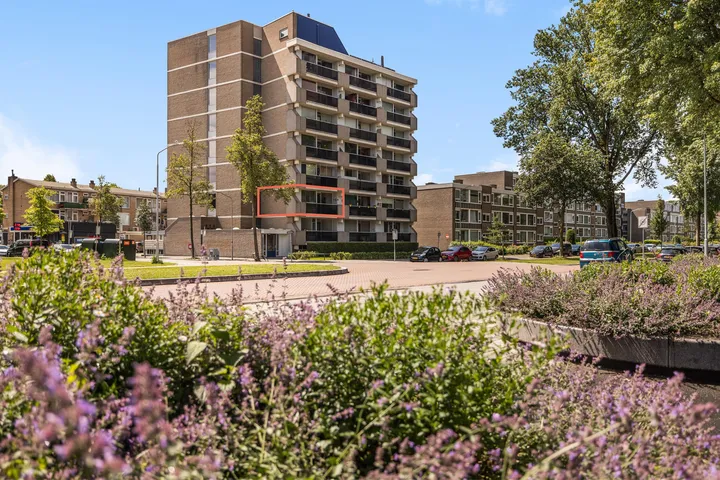
This 1957 apartment on Mauritsweg sits in a lively part of Dordrecht, where the streets have a lived-in feel and the mix of cultures gives the area its own rhythm. At 89 m² and with an energy label D, it's a solid home that asks for a bit of attention on heating costs. The asking price of €275,000 is in line with the market, similar homes in the neighbourhood sell for around €288,500 on average, so this one is priced realistically. For context, apartments in Dordrecht vary widely, but this flat offers decent space for the money.
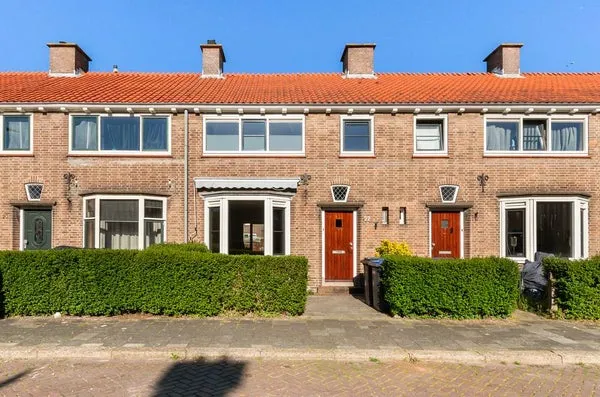
The neighbourhood is often dismissed by outsiders, but one resident describes it as a 'decent but deprived neighbourhood' where the story is more layered than the statistics suggest. They note that families have lived on the same street for generations, children play football on the square until dark, and elderly residents watch from their balconies. 'You hear multiple languages mixed together here,' they say, 'not because people live alongside each other, but because the neighbourhood is a mix of cultures, backgrounds and stories.' It's a dense urban area, with over 3,900 addresses per km², and the neighbourhood Pr. Bernhardstraat en omgeving has a mix of flats and terraced houses, mostly built between 1945 and 1970. Around 41% of homes are owner-occupied, and the average household size is 2.1 people.
Daily errands are easy: Jumbo is just around the corner, and AH to go and Dirk are a couple of streets away. For fresh bread or a quick shop, you're set. Families with children have MKC Mozaïek primary school a couple of streets away, and IKC Prinses Julianaschool is a five-minute walk. Secondary schools are a ten-minute walk, so older kids can get there on their own. The municipality Dordrecht has a good network of amenities, and the city centre is within easy reach.
At the time of writing the home is listed via Linger OG Makelaars en Taxateurs and also appears on Funda, so it's available through several channels.
Details of this home

Mauritsweg 188, Dordrecht
Satisfactory · 1 resident
My neighbourhood is often dismissed by outsiders as a deprived area. That word alone conjures up images of problems, statistics and stigma. But those who actually live here know that the story is much more layered than that. The flats and terraced houses are not new, sometimes even a bit worn. Stairwells bear the marks of years of use and in some places maintenance leaves something to be desired. Yet people live here who do their best every day to make something of it. Families who have lived on the same street for generations, young people playing football on the square until it gets dark, and elderly people watching everything from their balcony, missing nothing. You hear multiple languages mixed together here. Not because people live alongside each other, but because the neighbourhood is a mix of cultures, backgrounds and stories. Sometimes it clashes, sometimes it rubs, but often a form of togetherness emerges that you see less in 'nicer' neighbourhoods. Everyone knows who lives on the street, who needs help and who you'd better avoid. There are problems too. That cannot be denied. Unemployment, money worries and occasional nuisance are part of daily life. Police and enforcement patrol the area more often than in other neighbourhoods. But that doesn't mean there are no norms or values here. Calling each other out on behaviour doesn't always happen by the book.
Auto-translated to English by AIData from Prins Bernhardstraat en omgeving
Data from Prins Bernhardstraat en omgeving
43 within 5 km



101 within 5 km
About Mauritsweg 188, Dordrecht
The asking price of €275,000 is close to the neighbourhood average of €277,300 and below the median of €295,000. Recently sold apartments in the area went for an average of €288,538, so this home is priced competitively without being a bargain. Given the 89 m² floor area, the price per m² works out to about €3,090, which is below the neighbourhood average of €3,578 per m².
Based on one resident review, the neighbourhood is often labelled as deprived by outsiders, but those living there know it's more nuanced. It's a dense, multicultural area where people look out for each other. There are problems like unemployment and occasional nuisance, but also a strong sense of community. The resident says: 'Everyone knows who lives on the street, who needs help and who you'd better avoid.'
The nearest train station is 1.6 km away, which is about a 20-minute walk or a short bus ride.
Energy label D is average for a home from 1957. It means the property is not particularly energy-efficient, so you can expect higher heating bills compared to a modern home. In this neighbourhood, 75% of homes have a label D or lower, so it's typical for the area. The exact costs depend on usage and energy prices.
Yes, there are several primary schools within walking distance. MKC Mozaïek is just a couple of streets away (227 m), and IKC Prinses Julianaschool is about 400 m. For secondary education, the Hans Petri School is around 670 m, so children can walk or cycle easily.
At the time of writing, there are 5 apartments for sale in the neighbourhood, with prices ranging from €219,500 to €299,000. The average floor area of these listings is 79 m², so this 89 m² apartment is slightly larger than average.
4 homes in the neighbourhood Prins Bernhardstraat en omgeving

Buurtje.nl uses cookies to make the site work and to improve it. In doing so, we process data such as your IP address and the pages you visit.
We use this data for three purposes: running the website (functional), measuring visits so we can improve Buurtje.nl (analytics), and — if you allow it — tailoring ads to your interests (marketing).
How we handle your data is described in our privacy policy. You can change your preferences at any time via 'Cookie preferences' at the bottom of every page.
Choose per category which cookies we may place. Read more in our privacy policy.