Neighbourhood in Dordrecht
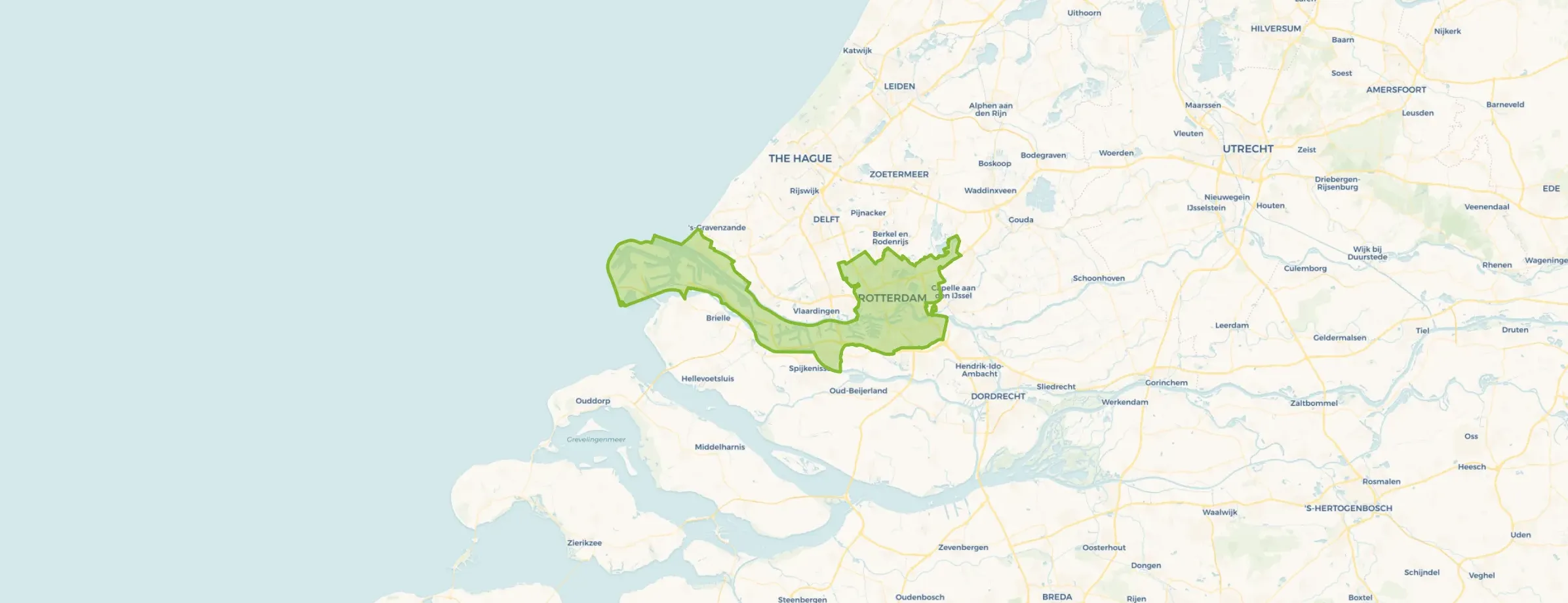
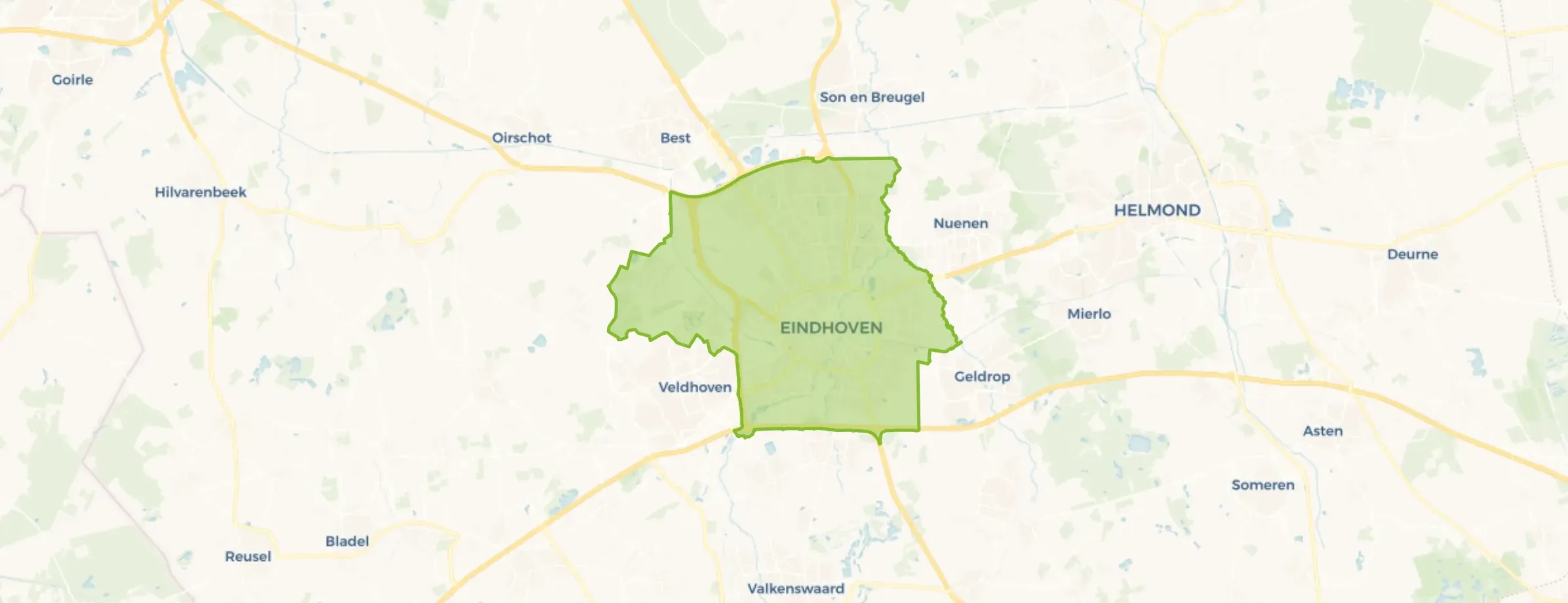
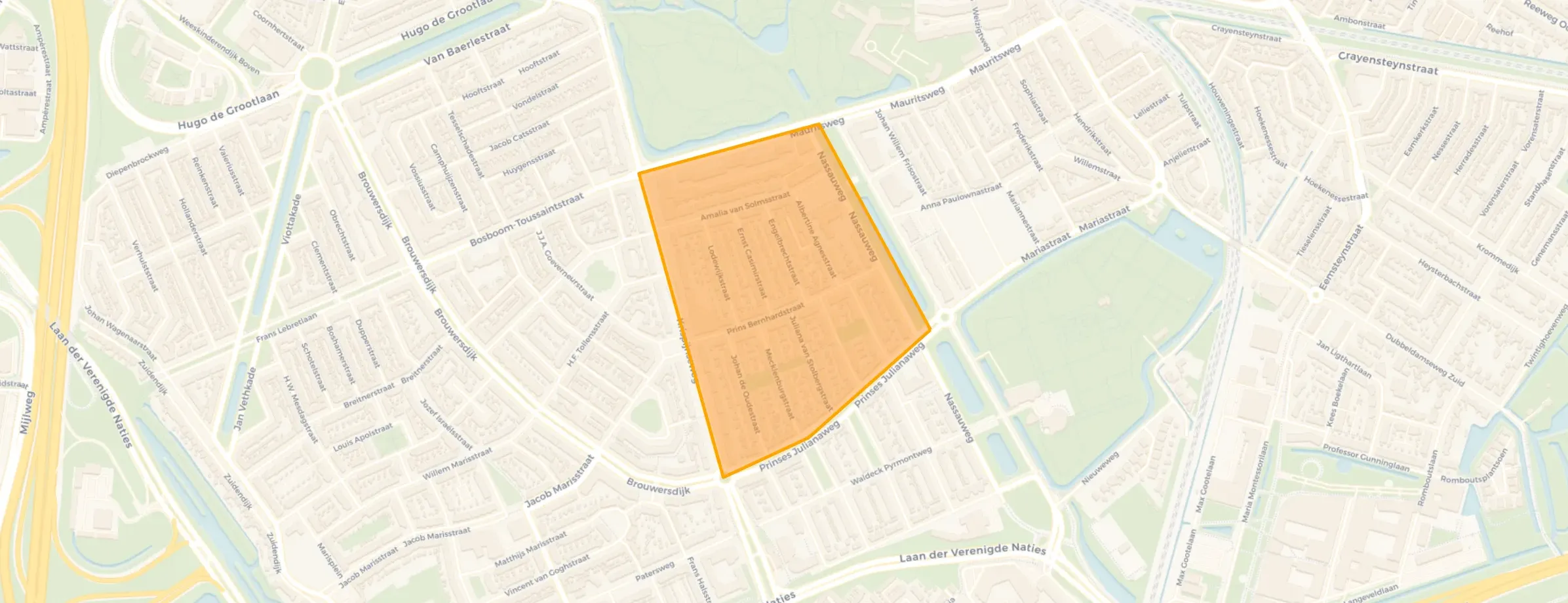
Prins Bernhardstraat en omgeving is located in the province of Zuid-Holland, in the municipality of Dordrecht, in the district Nieuw-krispijn The neighbourhood has a total area of 17 hectares, of which 17 hectares are land and 0 hectares are water. The neighbourhood is coded as BU05050400. The postcode area is 3314KK-3314PT.
One resident rates the neighbourhood as more than satisfactory with a score of 6.6. The resident describes this neighbourhood as 'Decent but deprived neighbourhood'. Based on a limited number of reviews, no clear trends are visible yet in this neighbourhood.
Prins Bernhardstraat en omgeving has 1.720 residents. Of these, 47,4% are men and 52,6% are women. Most residents are 25 to 45 years (29,1%). The other age groups are 26,5% for '45 to 65 years', 18,0% for '65 years or older', 15,7% for '0 to 15 years' and 10,8% for '15 to 25 years'. Of the residents, 51,5% is unmarried, 34,6% is married, 9,0% is divorced and 4,9% is widowed. 750 residents originate from the Netherlands, 165 come from Europe and 805 come from countries outside Europe.
There are 835 households in Prins Bernhardstraat en omgeving. 43,7% of these are single-person households, 23,4% households without children and 32,9% households with children. The average household size is 2,1 persons. The national average is 2,1 persons.
In Prins Bernhardstraat en omgeving there are 1.400 income recipients. The average income per income recipient is €30.900, which is €11.300 (27%) lower than the national average of €42.200. Per resident, the average income is €24.600, which is €10.300 (30%) lower than the national average of €34.900. Most residents of Prins Bernhardstraat en omgeving are educated to a lower level. 43,5% have a lower education (VMBO or MBO 1), 40,5% have an intermediate education (HAVO, VWO or MBO 2-4) and 16,0% have a university or higher professional education (HBO/WO).
Of the 1.720 residents, around 63% are in paid employment, which amounts to 1.084 people. This is 9% lower than the national average of 72%. The majority of workers are in salaried employment (88%), while 12% are self-employed. In Prins Bernhardstraat en omgeving, 30% of residents receive a benefit. The largest group is those receiving a state pension (AOW). 280 people receive this benefit.
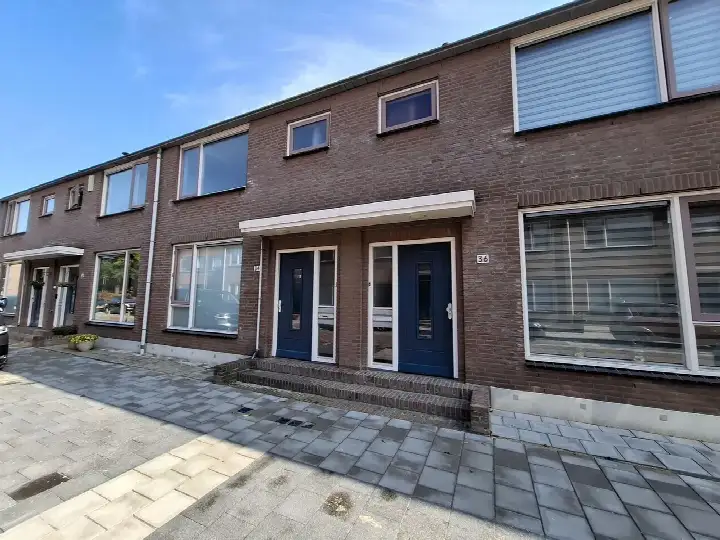
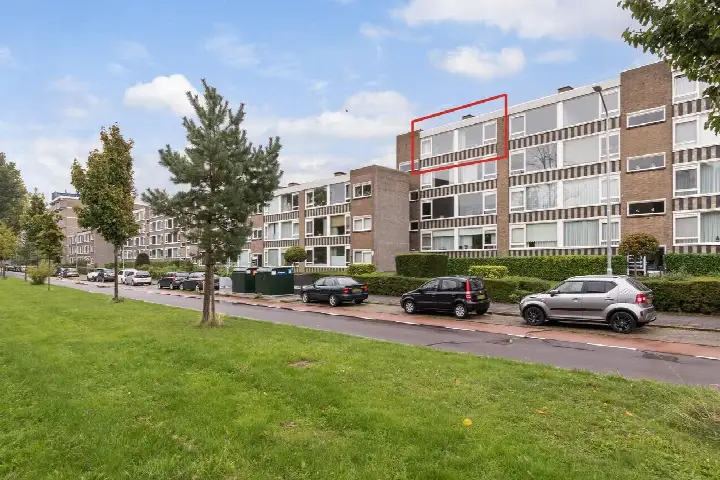
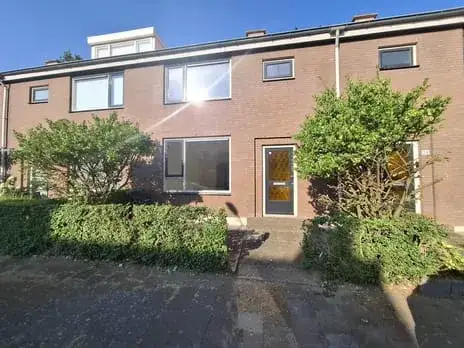
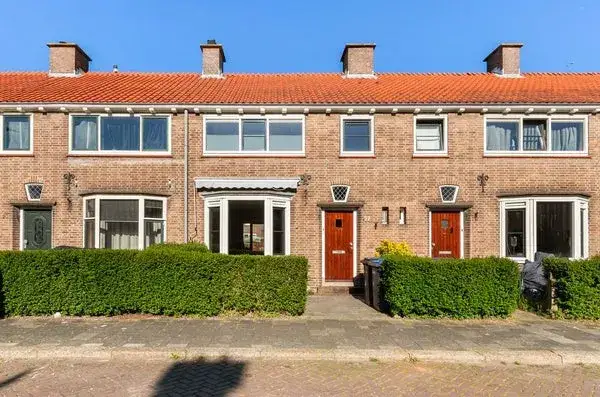
In Prins Bernhardstraat en omgeving there are 819 homes with an average assessed value (WOZ) of €247.000. Of these, around 98% are occupied and 2% unoccupied. Most homes are rental properties. This amounts to 58% rental homes and 42% owner-occupied homes. Of the homes, 42% privately owned, 44% owned by housing associations and 14% owned by other landlords. The most common construction periods in Prins Bernhardstraat en omgeving are 1925-1950 (47%) and 1950-1970 (41%).
There are currently 6 homes for sale in Prins Bernhardstraat en omgeving. The most recently listed home is Juliana van Stolbergstraat 34 by CORPOwonen op Funda. Over the past year, 23 homes were sold in Prins Bernhardstraat en omgeving. On average, a home was sold within 32 days.
The average asking price for a home for sale in Prins Bernhardstraat en omgeving over the past year was €284.750. This is 15% higher than the average assessed value (WOZ) of €247.000. The average asking price per m² of plot is €3.236.
There are currently no homes for rent in Prins Bernhardstraat en omgeving. No homes were let in Prins Bernhardstraat en omgeving over the past year.
No recent rental data available for Prins Bernhardstraat en omgeving.
In Prins Bernhardstraat en omgeving there are 597 addresses with a registered energy label. The most common labels are C (41%), D (16%) and B (14%). On average, an address in Prins Bernhardstraat en omgeving uses 2.140 kWh of electricity per year. This is 16% below the national average of 2.550 kWh. With an annual consumption of 770 m³ per address, natural gas consumption is 4% below the national average of 800 m³.
My neighbourhood is often dismissed by outsiders as a deprived area. That word alone conjures up images of problems, statistics and stigma. But those who actually live here know that the story is much more layered than that. The flats and terraced houses are not new, sometimes even a bit worn. Stairwells bear the marks of years of use and in some places maintenance leaves something to be desired. Yet people live here who do their best every day to make something of it. Families who have lived on the same street for generations, young people playing football on the square until it gets dark, and elderly people watching everything from their balcony, missing nothing. You hear multiple languages mixed together here. Not because people live alongside each other, but because the neighbourhood is a mix of cultures, backgrounds and stories. Sometimes it clashes, sometimes it rubs, but often a form of togetherness emerges that you see less in 'nicer' neighbourhoods. Everyone knows who lives on the street, who needs help and who you'd better avoid. There are problems too. That cannot be denied. Unemployment, money worries and occasional nuisance are part of daily life. Police and enforcement patrol the area more often than in other neighbourhoods. But that doesn't mean there are no norms or values here. Calling each other out on behaviour doesn't always happen by the book.
Auto-translated to English by AIThe housing stock is mainly post-war — 95% was built between 1945 and 1990. In addition, the most common type is terraced houses (42%).
Over the past year a home for sale in Prins Bernhardstraat en omgeving was listed for an average of €278,424 (€3,325 per m²). That is 47% below the Dutch national average.
A considerable share of the supply in Prins Bernhardstraat en omgeving is less efficient: 35% has an E, F or G label. The average natural gas consumption per household is 770 m³ per year.
From Prins Bernhardstraat en omgeving you can on average reach a supermarket at 0.3 km, a GP at 0.7 km, a railway station at 1.6 km, a primary school at 0.4 km (as the crow flies, source: CBS).