




Nieuwe Leliestraat 131H
Bloemgrachtbuurt · 1015 SN Amsterdam

A classic Jordaan apartment
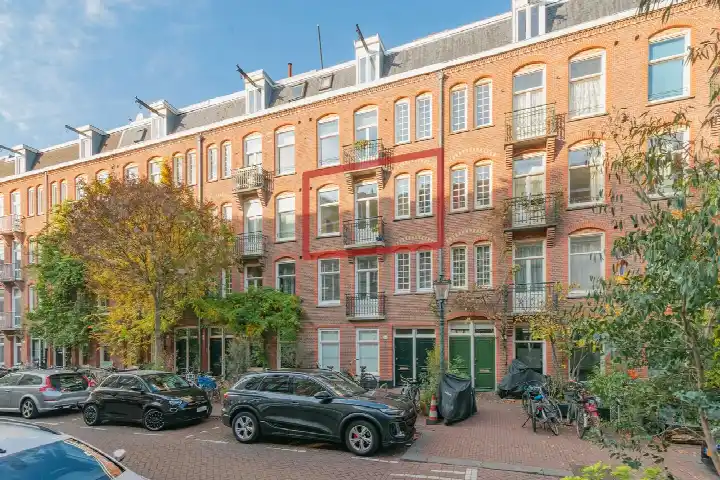
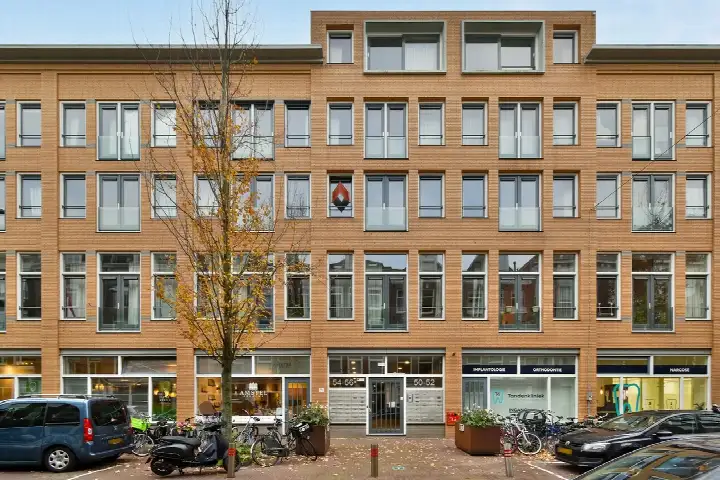
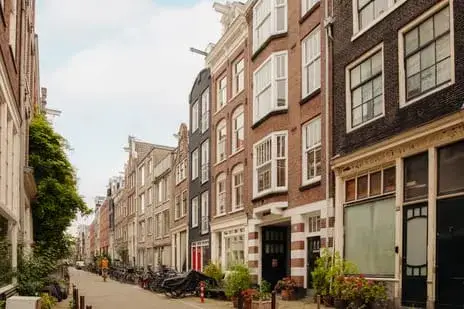
This apartment on the Nieuwe Leliestraat sits in the heart of the Jordaan, a district known for its narrow streets, canal views and lively atmosphere. The home dates from 1869 and carries an A+ energy label, a combination that is rare in this part of town. With a last known asking price of €595,000, the price was 43% below the neighbourhood average asking price of €1,052,187, which put it on the low side for the area. For context, the average asking price per m² in the neighbourhood was €11,145, while this home came in at €10,818 per m². If you were looking for apartments in Amsterdam, this one stood out for its price. This home has not been online since 15 September 2026.
Inside the home
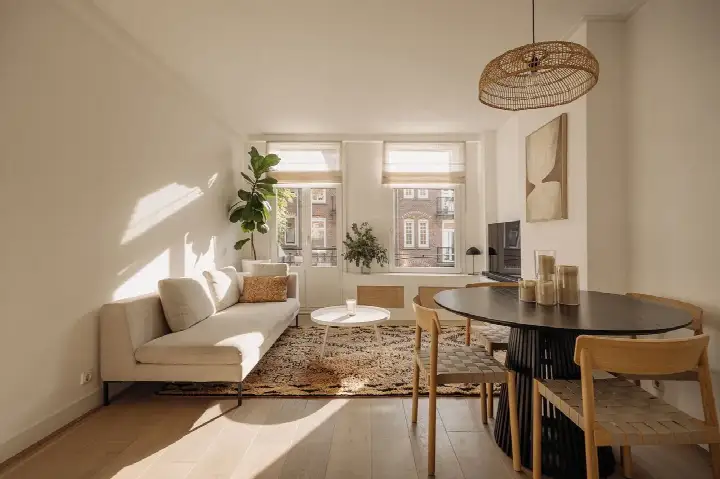
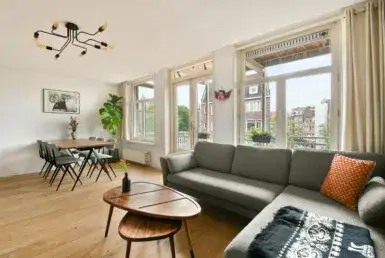
The apartment had three rooms, including two bedrooms, and a living area of 55 m² according to the agent, while the BAG registration listed 54 m². The home was offered for sale via multiple channels, and the agent listed it as an apartment. The energy label A+ was an efficient label, which was a positive sign for energy costs. The home was built in 1869, a fact that speaks to its age and character, but no further details about the layout or installations were provided in the listing.
The Bloemgrachtbuurt
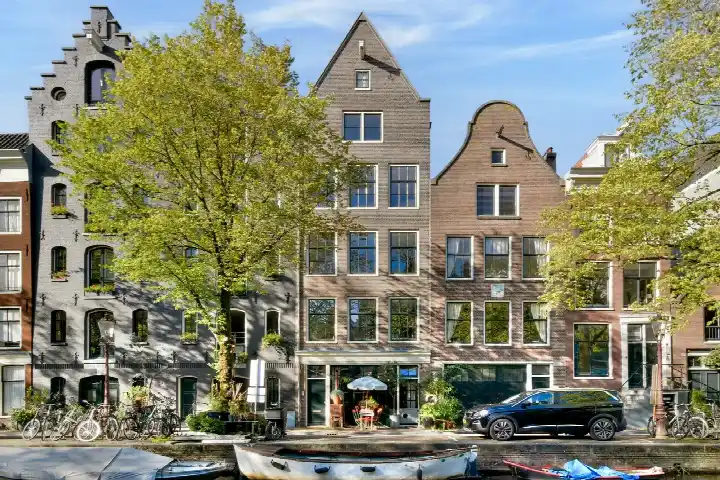
This neighbourhood is part of the Jordaan, and residents of the district give it an average score of 8.82 out of 10, based on six reviews. One resident says: "There's only one Jordaan! I was born and raised in this neighbourhood. I wouldn't want to swap this neighbourhood for any other district in Amsterdam." Another adds: "In this neighbourhood you will find a mixed population. Old and young, rich and less rich. But still we make sure among ourselves that the neighbourhood remains safe." The area counts 3,020 inhabitants, and most households are single-person (65%). The neighbourhood has a very high address density, making it a bustling urban environment. For more on the area, see the Bloemgrachtbuurt neighbourhood.
Amenities and transport
Daily life here is convenient: an Albert Heijn is just around the corner, and a Dirk is a couple of streets away. The Theo Thijssenschool Amsterdam is a five-minute walk, and the nearest GP, Huisartsenpraktijk A'dam Doctors, is a ten-minute walk. The pharmacy, BENU Apotheek Nassau, is just around the corner. For public transport, tram stop Bloemgracht is a couple of streets away, served by lines 5 and 13, and Amsterdam Centraal station is a ten-minute walk. The municipality of Amsterdam offers all the amenities you could need, and you can read more about the municipality of Amsterdam. According to public risk data, the noise levels from road, rail and air traffic are all below the relevant standards. The foundation risk indication is medium, which is an area-level indication based on the fact that the building predates 1970. For climate, the pluvial flooding risk is elevated, while the current flood risk is low, and heat stress is currently medium but could become elevated by 2050. These are area-level indications, not an inspection of this specific home.
Source and agent
When this home was still on the market, it was offered via multiple channels, including DAMSTAD on Funda and other platforms.
This summary was generated with AI and may contain errors. Always verify the details with the provider.
Features
Details of this home
Transfer
Price
Energy
 Save up to € 400 on your energy billCompare now
Areas and volume
 Insure your home and belongingsGet insured
Layout
Construction
Frequently asked questions
About Nieuwe Leliestraat 131H, Amsterdam
How did the asking price compare to other homes in the neighbourhood?
The asking price of €595,000 was 43% below the neighbourhood average asking price of €1,052,187. The average asking price per m² in the neighbourhood was €11,145, while this home was listed at €10,818 per m². This put the price on the low side for the area, but the home was also smaller than the average, with 55 m² compared to the neighbourhood average of 101 m².
What is the layout of this apartment?
According to the agent, the apartment had three rooms, including two bedrooms. The living area was listed as 55 m² by the agent, while the BAG registration stated 54 m². The home is described as an apartment. No further details about the layout, such as the number of bathrooms or the floor plan, were provided in the listing.
What is the WOZ value of this home?
The WOZ value is the municipal valuation, which is determined annually, but in this case it is not available. Without this figure, it was not possible to compare the asking price to the official valuation.
What is the foundation risk for this property?
The foundation risk indication for this address is medium, according to public risk data. This is an area-level indication, based on the fact that the building was constructed before 1970. It is not an inspection of this specific home, so it should be seen as a general indication for the area.
What public transport options are available near this apartment?
The nearest tram stop is Bloemgracht, about 216 metres away, served by lines 5 and 13. Marnixplein stop is also nearby, with trams and buses on lines 5, 13, 18 and 21. Amsterdam Centraal train station is approximately 1.5 km away, which is about a ten-minute walk.
What is the neighbourhood like?
The Bloemgrachtbuurt is part of the Jordaan district. Residents of the district give it an average score of 8.82 out of 10, based on six reviews. One resident says: "There's only one Jordaan!" and praises the social contacts. The neighbourhood has a very high address density, making it a bustling urban area, with many single-person households.
What is the energy label of this home?
The energy label is A+, which is an efficient label. This meant the home was likely to have relatively low energy costs compared to less efficient labels. However, the label does not say anything about the structural condition of the home. Only 7.7% of the homes for sale in the neighbourhood had an A+ label.
Are there any climate-related risks for this address?
According to public risk data, the pluvial flooding risk is elevated, meaning there is a chance of flooding from heavy rain. The current flood risk is low, and the risk for 2050 is also low. Heat stress is currently medium, but could become elevated by 2050. These are area-level indications, not an inspection of this specific home.