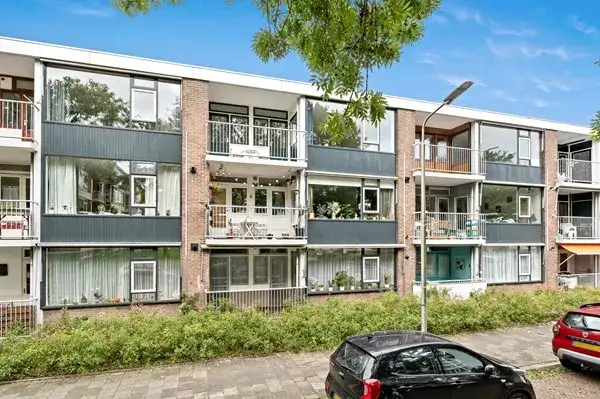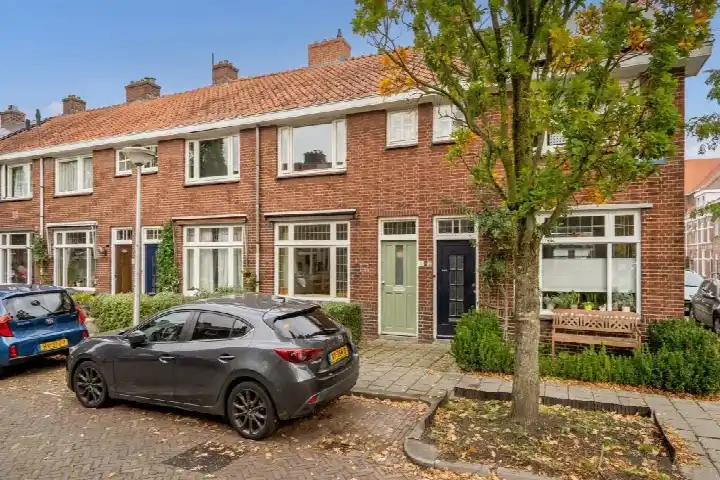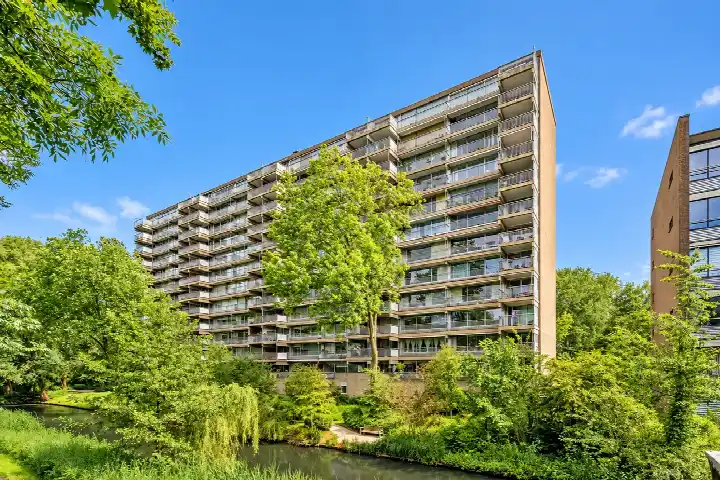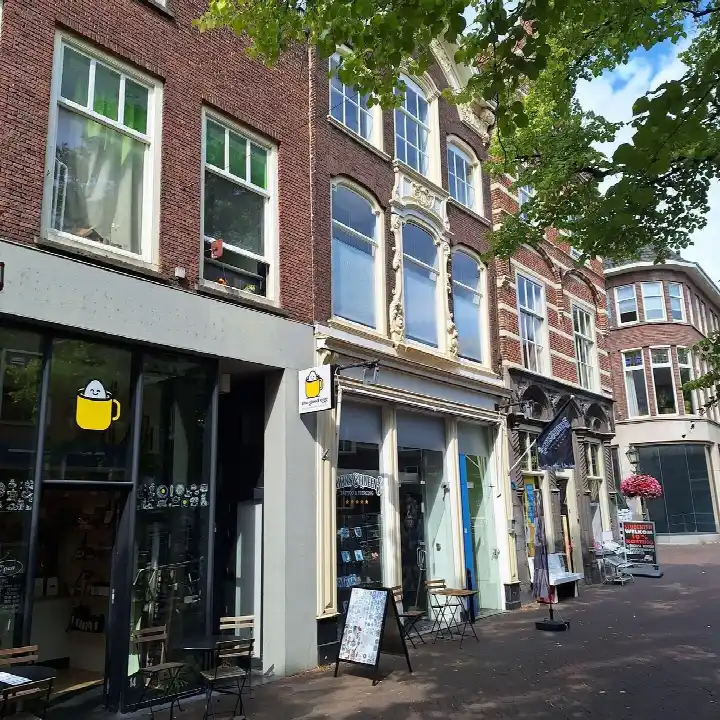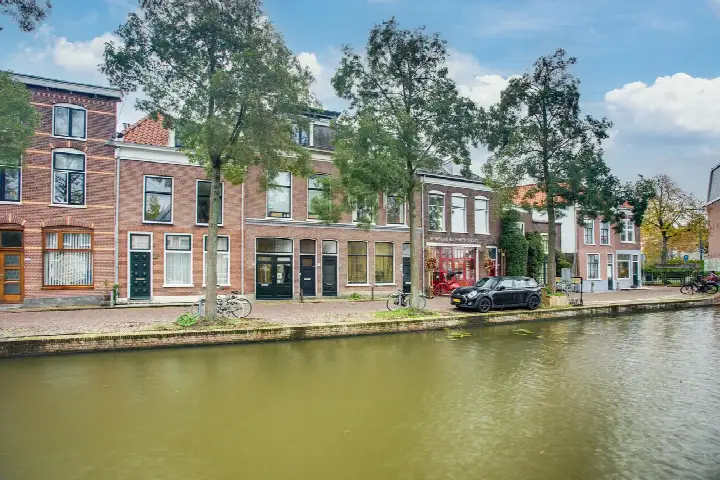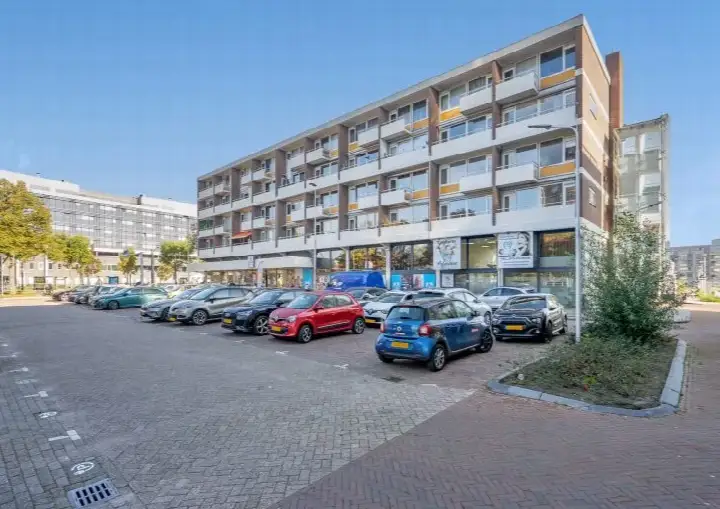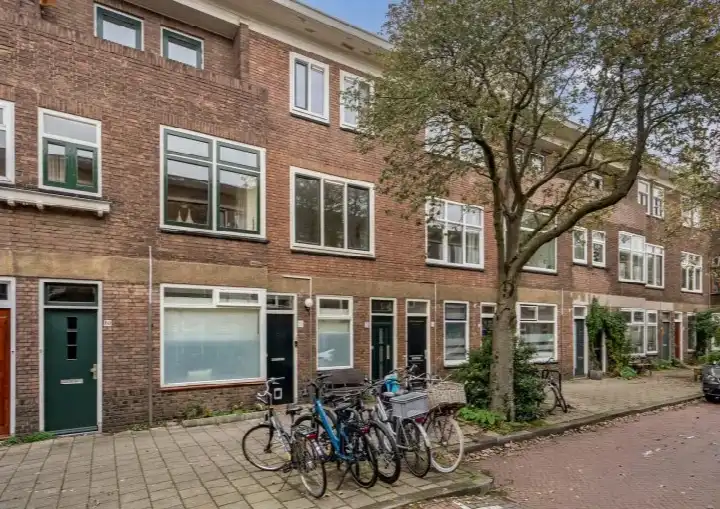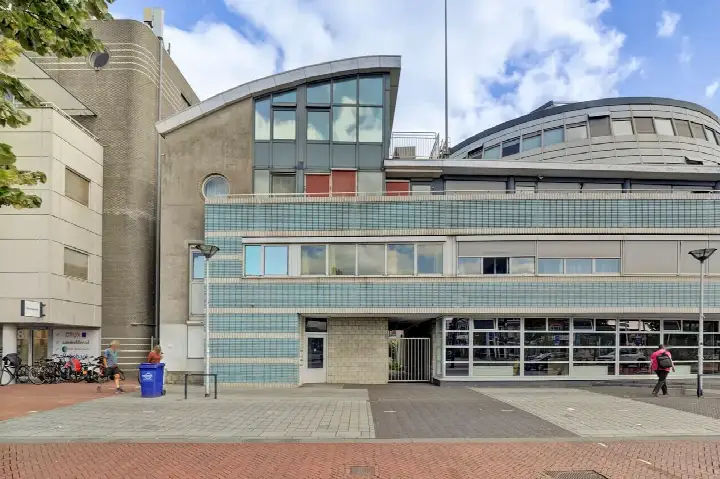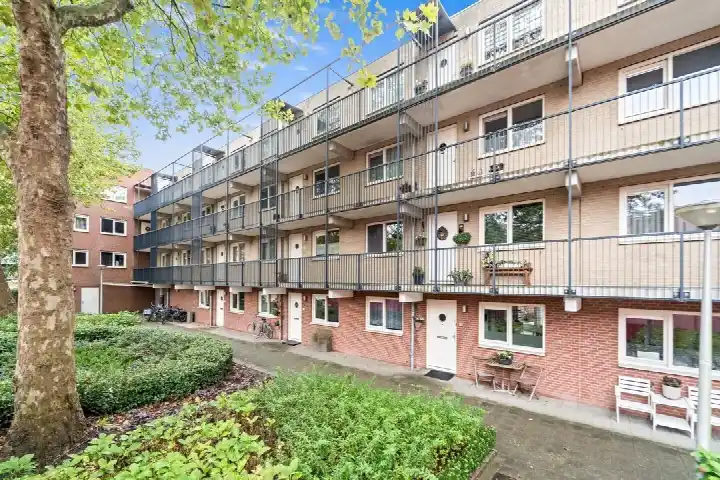





A pre-war apartment in the heart of Delft
This 1927 apartment on Pootstraat sits in the lively Westerkwartier neighbourhood, a stone's throw from the historic centre. With 82 m² of living space and an energy label D, it's a home with character and a few original features. At €350,000, the asking price was 31% below the neighbourhood average of €507,786, making it a keen entry into the Delft housing market. For context, apartments in Delft typically command higher prices. This home has not been online since 4 August 2026.
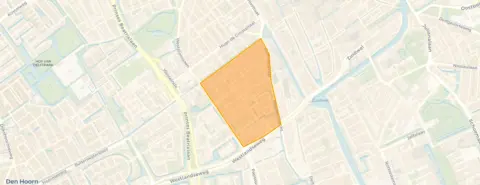
Westerkwartier: a close-knit urban village
Westerkwartier is a dense, inner-city neighbourhood with a strong sense of community. One resident sums it up: "Yeah, I get along with most people." The area is home to many young professionals and students, with a high proportion of single-person households. It's a very urban setting, with over 5,500 addresses per square kilometre, so you're never far from the buzz. The neighbourhood Westerkwartier is known for its mix of pre-war housing and modern amenities.
Daily life on Pootstraat
For your morning bread, the AH to go is just around the corner, and a SPAR is a couple of streets away. For a bigger shop, Albert Heijn is a five-minute walk. Families have a Freinetschool primary school within a five-minute walk, and secondary schools like Grotius are just as close. The municipality Delft offers a compact, walkable environment where most daily needs are met on foot.
Listing details
When this home was still on the market, it was listed through several channels, including Van Silfhout & Hogetoorn Wereldmakelaars. The price and details were current as of the listing date.
This summary was generated with AI and may contain errors. Always verify the details with the provider.
Features
Details of this home
Transfer
Price

Areas and volume
 Insure your home and belongingsGet insured
Layout
Construction
Frequently asked questions
About Pootstraat 16, Delft
Was €350,000 a fair price for this apartment?
At €350,000, this apartment was priced 31% below the average asking price in Westerkwartier (€507,786) and well under the median of €425,000. Given the 82 m² floor area, the price per m² came to about €4,268, compared to the neighbourhood average of €5,609. That made it a keenly priced home, especially for a pre-war apartment in central Delft.
What is the neighbourhood like?
Westerkwartier is a very urban, lively area with a high density of addresses. It's popular with singles and young people, and residents generally get along well. The neighbourhood has a mix of pre-war buildings and modern conveniences, with shops, schools and public transport all within walking distance. One resident describes it as a place where they get along with most people.
How far is the train station?
Delft train station is about 1 km away, which is a ten-minute walk. From there, you can reach The Hague, Rotterdam and Amsterdam Schiphol directly. The station also has bus connections to surrounding areas.
What is the energy label and what does it mean?
The energy label is D, which is average for a pre-war apartment. It meant the home was not as energy-efficient as modern builds, so heating costs might be higher. However, many homes in the neighbourhood (57%) have a label D or lower, so it's typical for the area.
Are there supermarkets nearby?
Yes, several. The closest is AH to go at 179 m, followed by a SPAR at 268 m. For a full supermarket, Albert Heijn is 575 m away, about a seven-minute walk. Aldi is also within walking distance at 535 m.
What schools are in the area?
There are several schools within walking distance. Freinetschool Delft (primary) is 370 m away, and secondary schools like Grotius and Christelijk Lyceum Delft are around 330-342 m. The area has a good mix of primary and secondary education options.
How many homes were for sale in Westerkwartier?
At the time, there were 21 homes for sale in the neighbourhood, with prices ranging from €315,000 to €995,000. The average asking price was €507,786, and the median was €425,000. This apartment was at the lower end of the price range.