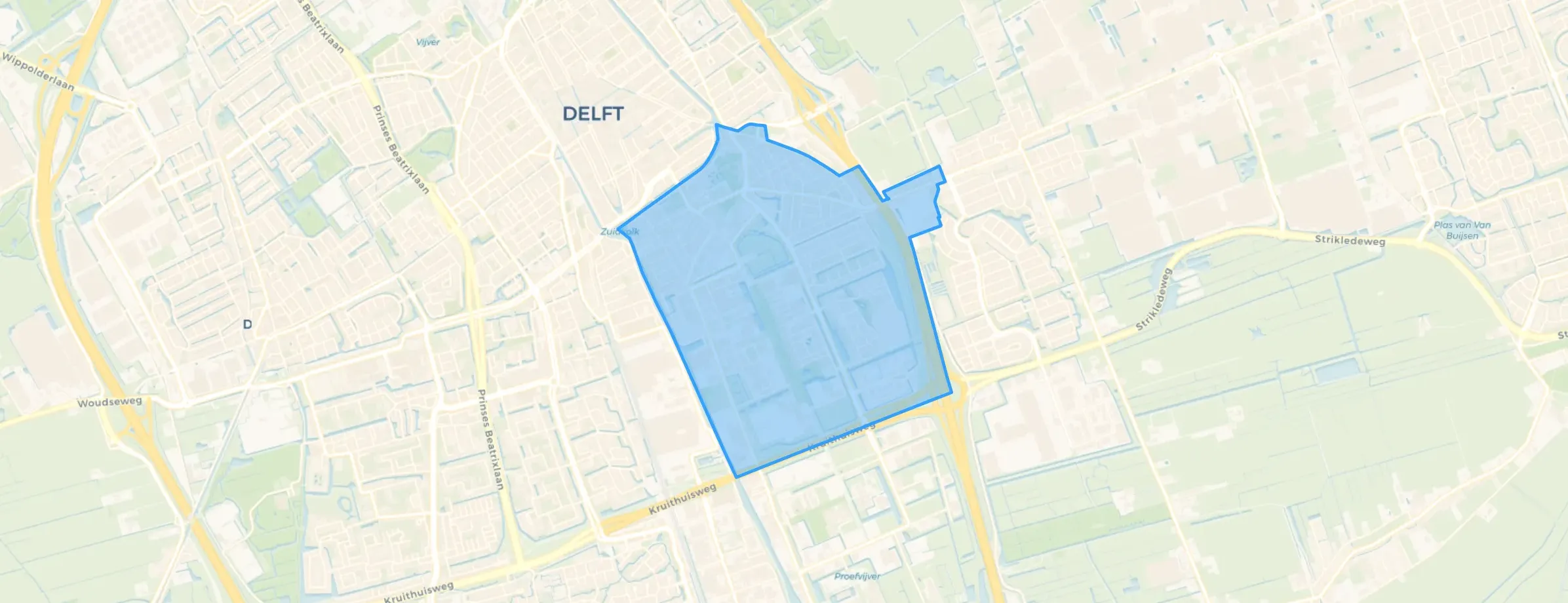
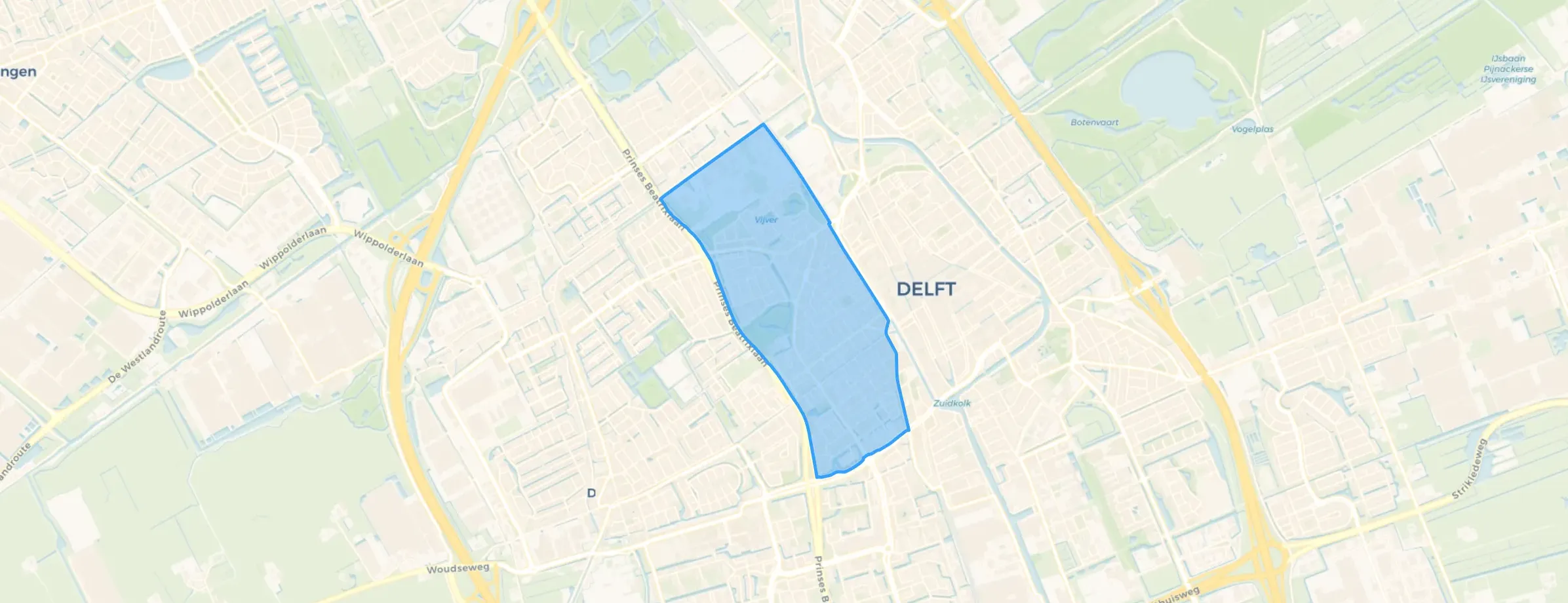
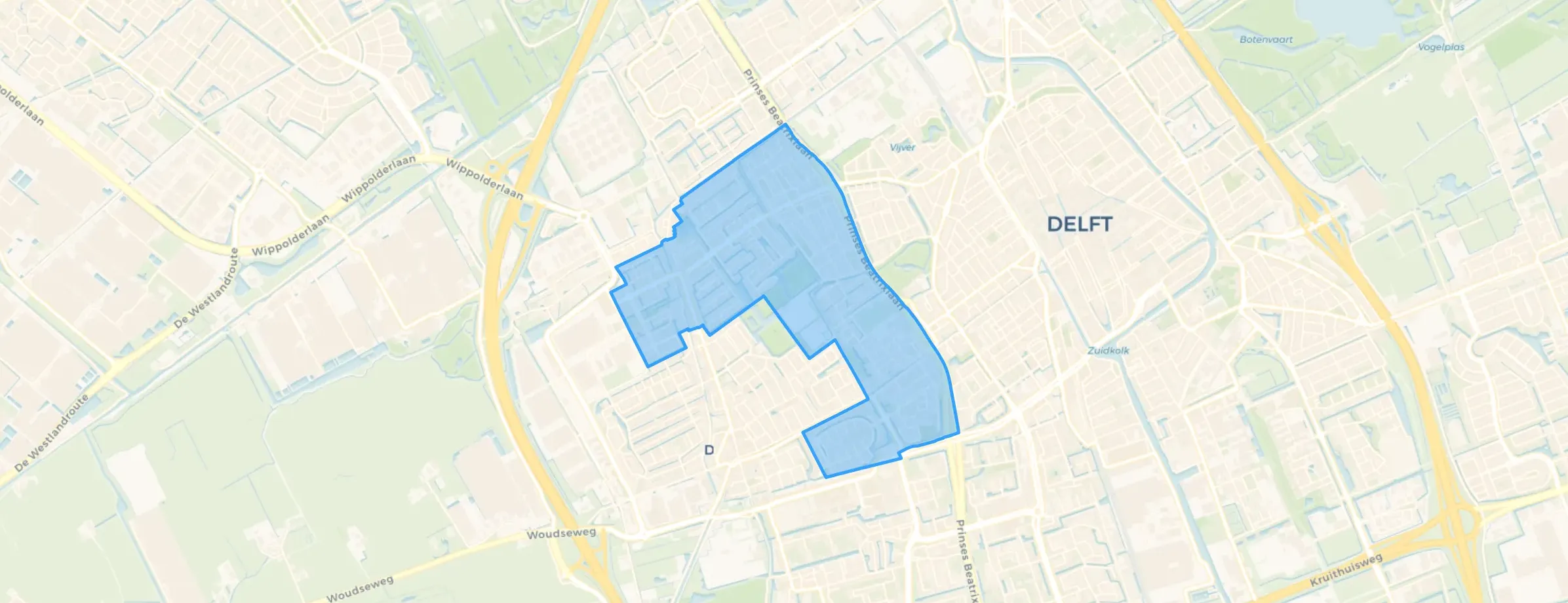
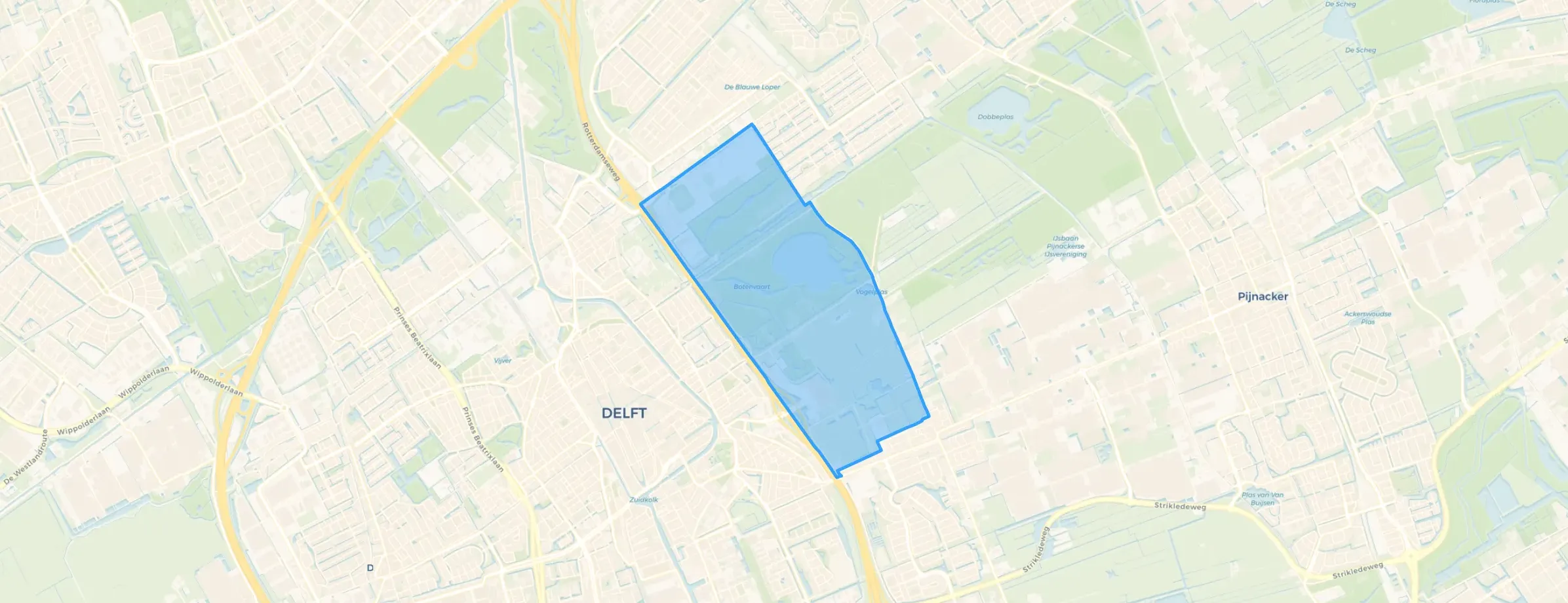
Municipality in Zuid-Holland
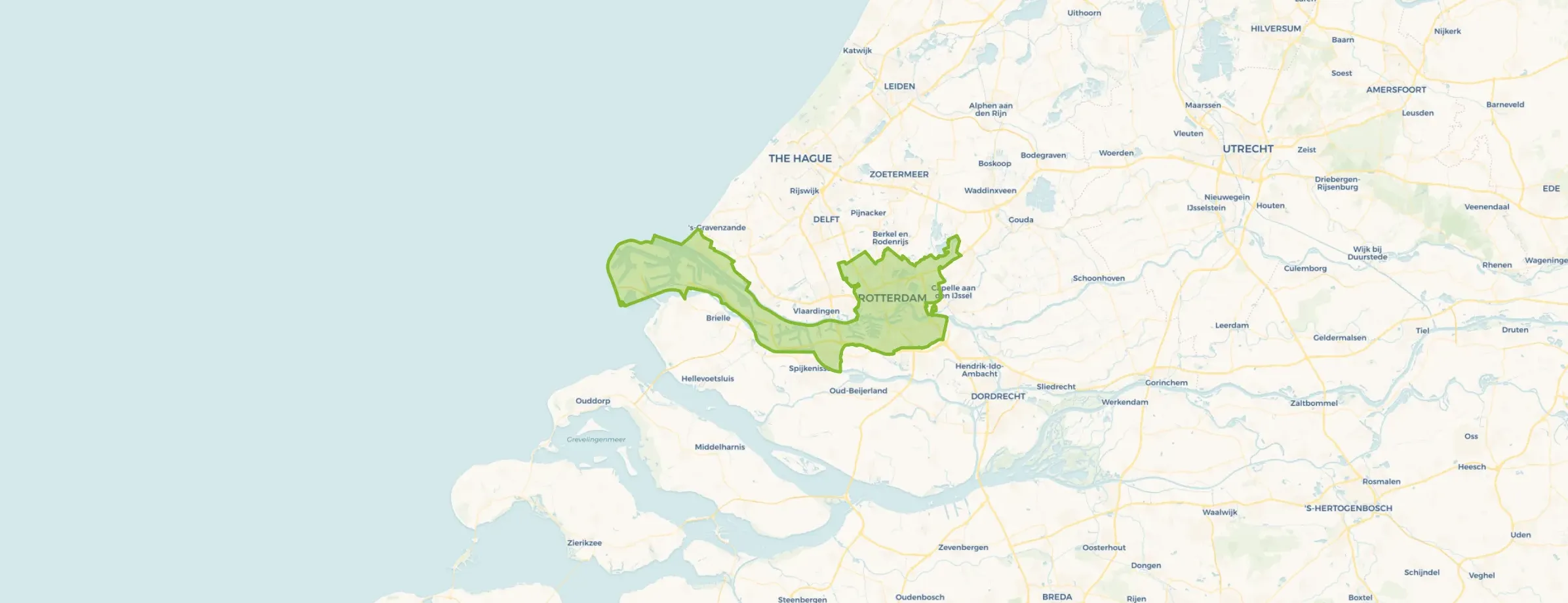
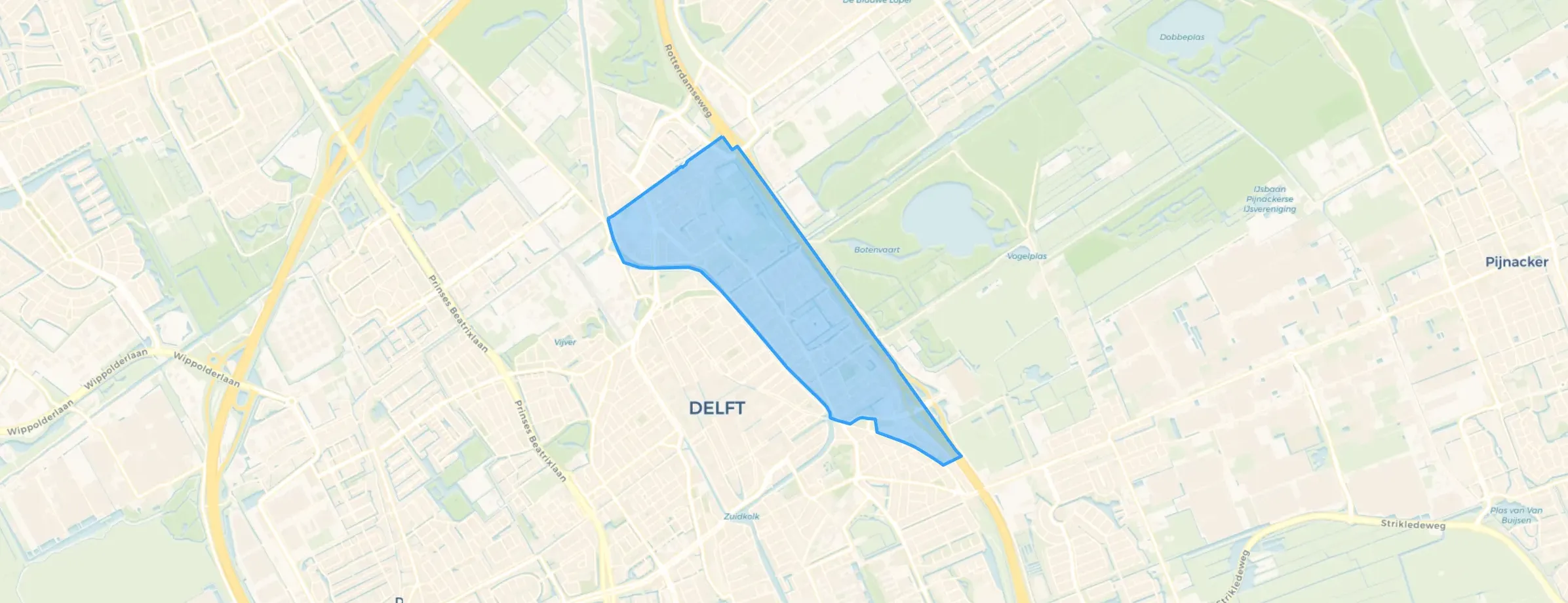
Delft is located in the province of Zuid-Holland The municipality has a total area of 2.406 hectares, of which 2.266 hectares are land and 140 hectares are water. The municipality is coded as GM0503. The postcode area is 2611AG-2629JL.
Delft has 110.173 residents. Of these, 52,8% are men and 47,2% are women. Most residents are 25 to 45 years (30,6%). The other age groups are 20,5% for '15 to 25 years', 20,4% for '45 to 65 years', 16,5% for '65 years or older' and 12,1% for '0 to 15 years'. Of the residents, 61,9% is unmarried, 27,4% is married, 7,2% is divorced and 3,5% is widowed. 63.077 residents originate from the Netherlands, 15.437 come from Europe and 31.659 come from countries outside Europe.
There are 63.476 households in Delft. 58,8% of these are single-person households, 21,2% households without children and 20,0% households with children. The average household size is 1,7 persons. The national average is 2,1 persons.
In Delft there are 89.100 income recipients. The average income per income recipient is €39.100, which is €3.100 (7%) lower than the national average of €42.200. Per resident, the average income is €33.200, which is €1.700 (5%) lower than the national average of €34.900. Most residents of Delft are highly educated. 48,1% have a university or higher professional education (HBO/WO), 34,3% have an intermediate education (HAVO, VWO or MBO 2-4) and 17,6% have a lower education (VMBO or MBO 1).
Of the 110.173 residents, around 66% are in paid employment, which amounts to 72.714 people. This is 6% lower than the national average of 72%. The majority of workers are in salaried employment (86%), while 14% are self-employed. In Delft, 22% of residents receive a benefit. The largest group is those receiving a state pension (AOW). 16.100 people receive this benefit.
In Delft there are 54.594 homes with an average assessed value (WOZ) of €352.000. Of these, around 96% are occupied and 4% unoccupied. Most homes are rental properties. This amounts to 63% rental homes and 37% owner-occupied homes. Of the homes, 37% privately owned, 42% owned by housing associations, 21% owned by other landlords and 1% of unknown ownership. The most common construction periods in Delft are 1950-1970 (24%) and 1980-1990 (15%).
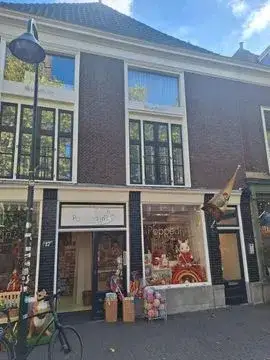
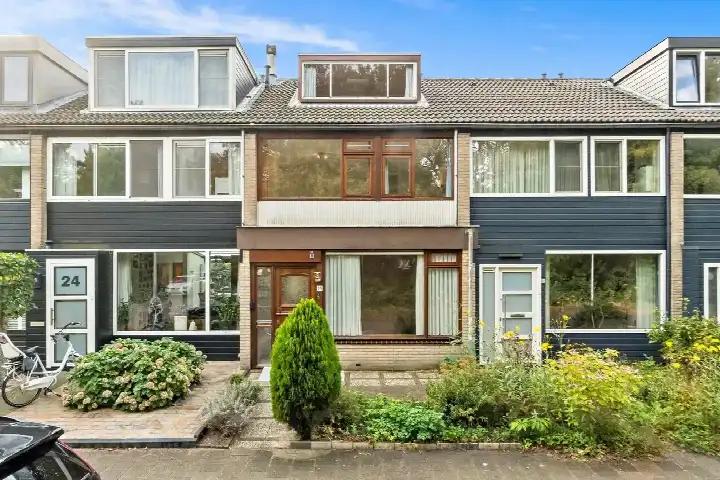
There are currently no homes for sale in Delft. The most recently listed home is Hof van Delftlaan 24 by Van Silfhout & Hogetoorn Wereldmakelaars op Funda. No homes were sold in Delft over the past year.
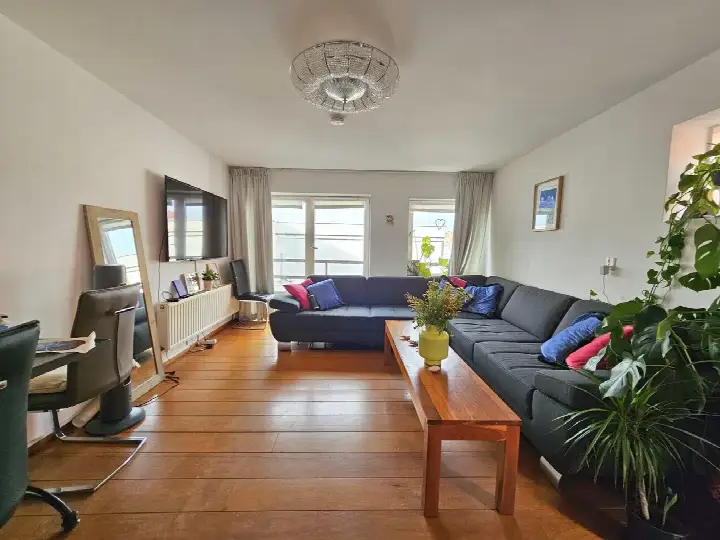
There are currently no homes for rent in Delft. The most recent home is Jan Joostenplein 31, offered by www.woonnet-haaglanden.nl. No homes were let in Delft over the past year.
No recent rental data available for Delft.
In Delft there are 41.056 addresses with a registered energy label. The most common labels are C (24%), A (23%) and B (13%). On average, an address in Delft uses 2.140 kWh of electricity per year. This is 16% below the national average of 2.550 kWh. With an annual consumption of 610 m³ per address, natural gas consumption is 24% below the national average of 800 m³.
Of ik ergens prettig woon, is voor mij afhankelijk van de omgeving en de buren. Voor mij betekent dit dat er de mogelijkheid is om een wederkerige connectie op te bouwen, die zorgt voor gezelschap en tegelijkertijd bijdraagt aan vertrouwen en een gevoel van veiligheid. Voor de mensen die daar behoefte aan hebben, moet dit in de wijk of straat mogelijk zijn.
Auto-translated to English by AIQuiet neighbourhood with everything you need nearby. The only hassle is finding parking spaces. There isn't often nuisance or anything.
Auto-translated to English by AINo sense of community, little contact, also some loitering youths, a lot of litter in the area.. I often clean up rubbish but the next day it's all over the ground again.. experienced a burglary at the neighbours' in broad daylight.. that does create a feeling of insecurity.. In addition, I sometimes have trouble with men following me.. and fireworks are set off all year round, also randomly at 3am.. There are 2 nice playgrounds in the neighbourhood but I often don't find them safe for children because there is too much litter.. think lots of cigarette butts and glass and many other things.. but it's nice that the facility is there
Auto-translated to English by AIIt is often dirty, there is a lot of rubbish in my street next to the container, that is the only bad thing, that's why we get vermin in the street, mice, rats for example
Auto-translated to English by AII get along well with the people
Auto-translated to English by AIno negative experiences
Auto-translated to English by AIMy neighbourhood is a pleasant, accessible environment. There are many amenities nearby and the shops are easily reachable. However, there is often litter on the street and we have occasionally had mice in the neighbourhood as a result. Placing more bins could possibly prevent this. However, there are very few houses available and everything is unaffordable. Housing could therefore be better.
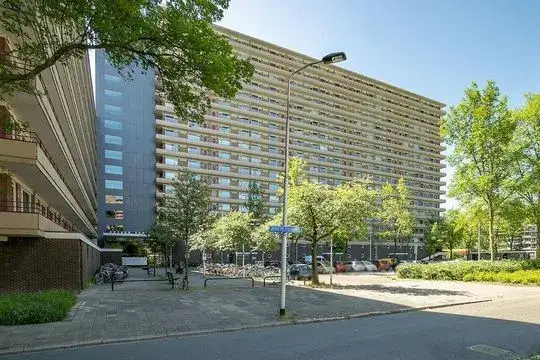
Auto-translated to English by AII think it's a fine neighbourhood, except that I sometimes feel unsafe when I cycle late in the evening. Other than that, I never really have trouble with people. The neighbourhood could be a bit greener in my opinion, but well, it's mostly flats and they're not that pretty.
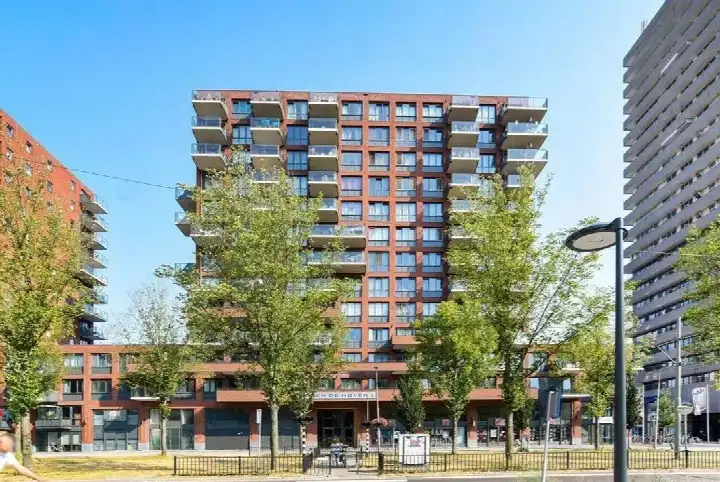
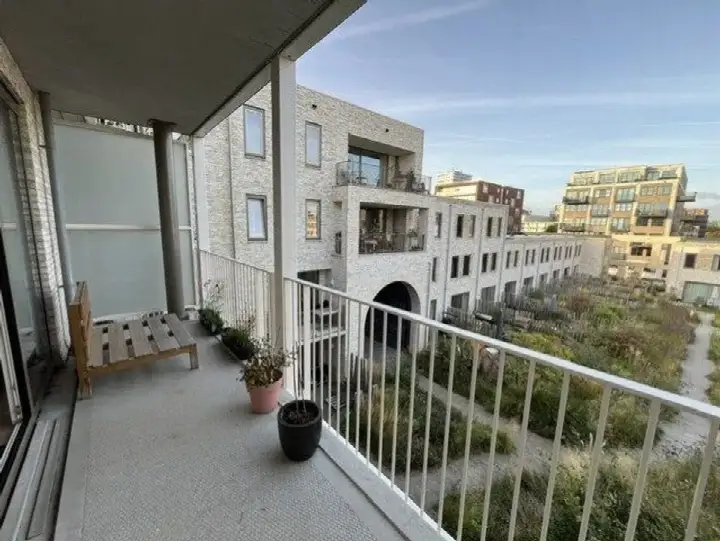
Auto-translated to English by AIThe most common type is flats (68%).
Over the past year a home for sale in Delft was listed for an average of €502,374 (€5,156 per m²).
A rental home in Delft cost an average of €1,686 per month (€23 per m²). That is 22% below the national average.
Residents give Delft a 7.3 out of 10 based on 44 reviews. Education stands out with a 8.0; cleanliness lags behind with a 6.5.
Gemeente Delft has 110,173 residents. The largest age group is 25 to 45 years (31%). Notably, 59% of the households are single-person households.
From Delft you can on average reach a supermarket at 0.6 km, a GP at 0.6 km, a railway station at 1.9 km, a primary school at 0.6 km (as the crow flies, source: CBS).
Right now you will find 460 homes for sale and 190 homes for rent in Delft.