Legmeerpleinbuurt, Amsterdam
 Neighbourhood
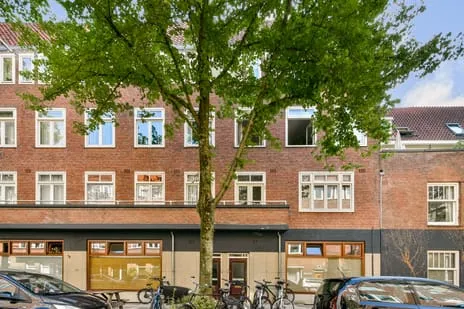
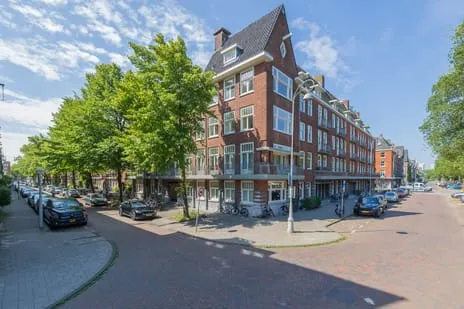
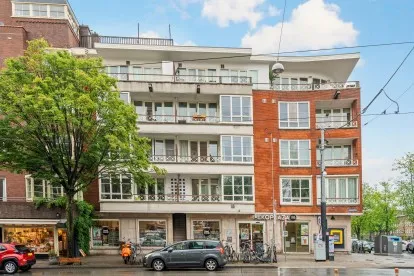
This apartment on Sloterkade sits in a lively part of Amsterdam, with a Dirk supermarket just around the corner. At 53 m² it's compact but well laid out, and with an energy label B it's reasonably efficient. The asking price of €475,000 is keen compared to the neighbourhood average of €745,647, partly because the floor area is smaller than the local norm. For context, apartments in Amsterdam vary widely in price and size.
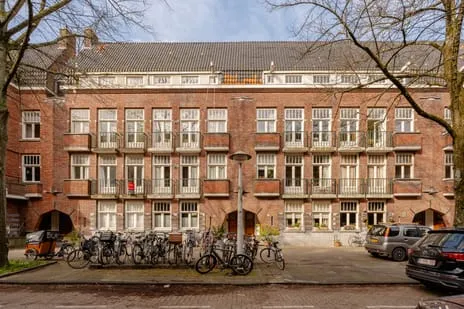
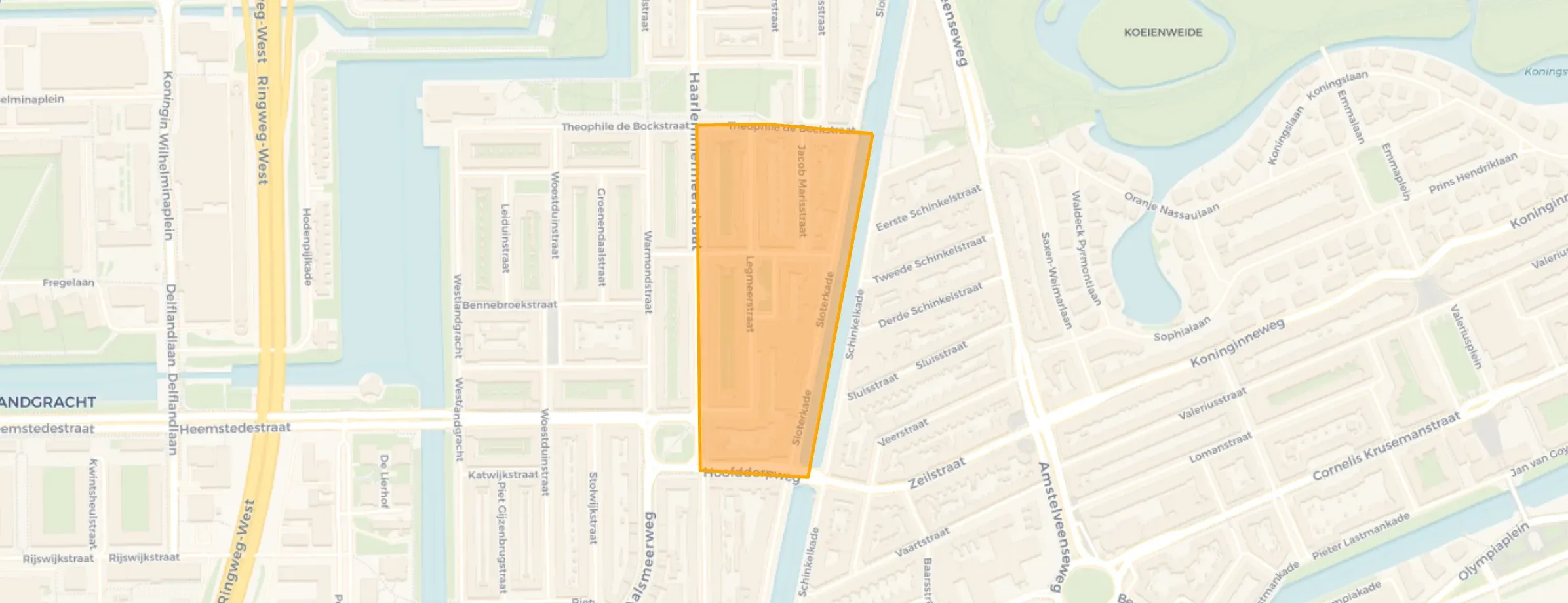
The Legmeerpleinbuurt is a dense, urban area with a mix of ages and household types. Most homes are pre-war, but this apartment was built in 2004, so it stands out. The neighbourhood has a high proportion of single-person households and a young population, with many residents in the 25-45 age bracket. There are no resident reviews available for this area. For more on the local character, see the Legmeerpleinbuurt neighbourhood.
Daily errands are easy: Dirk is on your doorstep, and Albert Heijn is just a couple of streets away. For primary schools, Oecumenische basisschool Nautilus and Cultuurprofielschool De Notenkraker are both about a five-minute walk. Secondary options like Montessori Lyceum Oostpoort are also within walking distance. The area has plenty of restaurants and a park within a five-minute walk. For broader context, the municipality of Amsterdam offers a wide range of amenities.
At the time of writing the home is listed only via Hallie & Van Klooster Makelaardij.
Details of this home

Sloterkade 106, Amsterdam
Data from Legmeerpleinbuurt
Data from Legmeerpleinbuurt
147 within 5 km


188 within 5 km
About Sloterkade 106, Amsterdam
The asking price of €475,000 is 36% below the neighbourhood average of €745,647, but the apartment is also 36% smaller than the local average of 83 m². The median price in the area is €500,000, so this listing is priced competitively for its size. Given the energy label B and modern construction year, it represents a relatively affordable entry into this part of Amsterdam.
The nearest train station is 1.8 km away, which is about a 20-minute walk or a short cycle. Given the high address density of over 7,700 addresses per km², public transport options are generally plentiful in this part of Amsterdam.
The apartment has an energy label B, which indicates good efficiency. You can expect relatively low heating costs compared to older homes. In the neighbourhood, only 14.3% of homes have label B, while the majority (57.1%) have label C. This makes the apartment above average in energy performance for the area.
The neighbourhood recorded 102 total crimes in the latest data. Without a breakdown, it's hard to assess severity, but this figure is typical for a dense urban area. The neighbourhood has a young population and a mix of households, which often correlates with a lively but generally safe environment.
There are several primary schools within a five-minute walk, including Oecumenische basisschool Nautilus and Cultuurprofielschool De Notenkraker. For secondary education, Montessori Lyceum Oostpoort and Tobiasschool VMBO are also within walking distance. The area has a total of 188 schools within 5 km, so options are extensive.
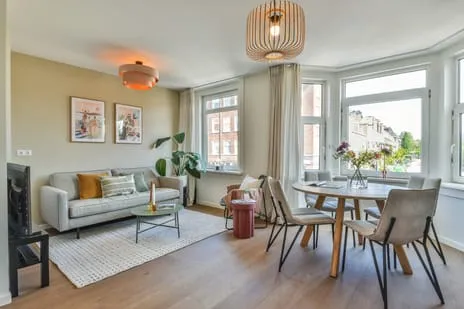
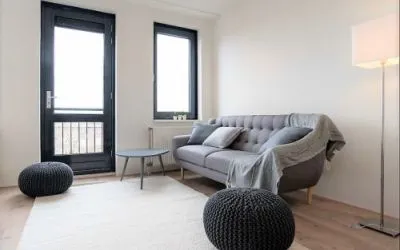
At 53 m², this apartment is 36% smaller than the neighbourhood average of 83 m². However, it was built in 2004, which is much newer than most homes in the area (88.9% were built before 1945). The modern layout may make efficient use of the space, and the energy label B is better than the local norm.
The Legmeerpleinbuurt has 1,675 residents, with a high proportion of single-person households (495 out of 775 households). The largest age group is 25-45 years (710 people), giving the area a young, dynamic feel. There are 195 households with children, so it's not primarily a family neighbourhood.
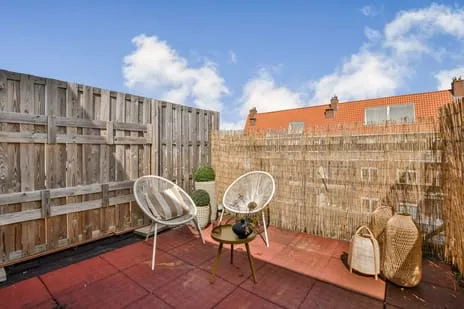
The nearest park or public garden is 0.5 km away, about a five-minute walk. This makes it easy to enjoy outdoor space without having a private garden. The area also has a restaurant just 0.1 km away, so dining out is very convenient.
6 homes in the neighbourhood Legmeerpleinbuurt

Buurtje.nl uses cookies to make the site work and to improve it. In doing so, we process data such as your IP address and the pages you visit.
We use this data for three purposes: running the website (functional), measuring visits so we can improve Buurtje.nl (analytics), and — if you allow it — tailoring ads to your interests (marketing).
How we handle your data is described in our privacy policy. You can change your preferences at any time via 'Cookie preferences' at the bottom of every page.
Choose per category which cookies we may place. Read more in our privacy policy.