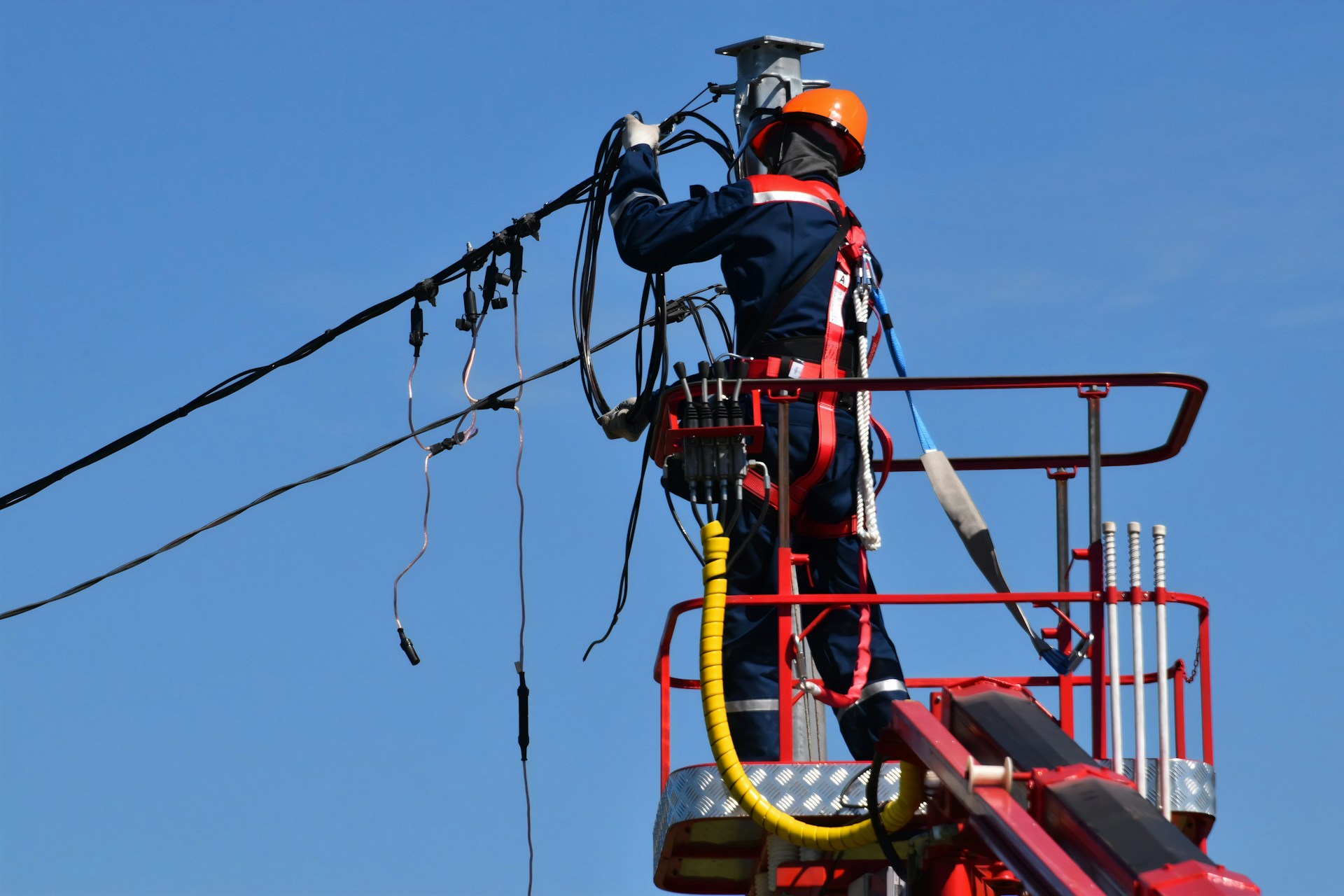
More and more neighbourhoods in the Netherlands are struggling with grid overload. The increase in solar panels, heat pumps and electric vehicles has put heavy pressure on the electricity grid. On sunny days, solar panels feed large amounts of power back into the grid, while in the evenings, electric cars and heat pumps cause high energy consumption. These peaks and troughs are difficult to manage and can lead to grid overload, outages and even temporary power cuts.
How does grid overload occur?
Grid overload occurs when the electricity grid has to handle more power than it can manage. This can happen both due to a surplus of power (for example, from solar panel feed-in) and due to a peak in demand (such as mass charging of electric vehicles). The electricity grid in the Netherlands was designed for a stable and even power demand, but the rapid changes in energy use place new demands on the system.
Local transformers, which distribute power across neighbourhoods, become overloaded by these peak flows. As a result, grid operators must invest in grid reinforcements, which is not only costly but also time-consuming. In the meantime, both grid operators and households are looking for solutions to reduce these peaks.
Home batteries as a solution
A home battery offers a promising solution for grid overload. By storing generated energy locally instead of feeding it back directly, you prevent peak loads on the grid. Moreover, you can use the stored energy at times when demand for power is high, such as in the evenings or during power outages. This not only reduces pressure on the grid but also helps households use their own energy more efficiently.
What can a home battery mean for you?
A home battery not only offers benefits for the electricity grid but also for you as a user:
- Lower energy costs: By storing power and using it during peak hours, you reduce your dependence on expensive grid electricity.
- Self-sufficiency: You can make more use of your own generated energy and become less dependent on energy suppliers.
- Better use of solar panels: Instead of feeding power back at a low rate, you can use it yourself.
How does a home battery work?
A home battery stores surplus energy from your solar panels. When your solar panels generate more power than you are currently using, the excess energy is stored in the battery. Later, when you need more energy, the battery supplies this power back to your household. Modern batteries are often linked to smart energy management systems that ensure the energy is used at the most efficient times.
Challenges and considerations
Although home batteries offer many benefits, there are also some challenges:
- Costs: The purchase costs can be high, depending on the capacity and type of battery.
- Lifespan: Batteries have a limited lifespan and will need to be replaced after a certain period.
- Space: For some households, the space required for a battery can be a limiting factor.
Other solutions for grid overload
Besides home batteries, there are other ways to tackle grid overload:
- Smart charging stations: These ensure that electric cars are only charged when there is low demand for power.
- Energy sharing: In some neighbourhoods, surplus energy is shared with other households via local energy networks.
- Energy cooperatives: Neighbourhoods work together to better coordinate energy generation and storage.
Is a home battery right for your neighbourhood?
In neighbourhoods where grid overload is a common problem, a home battery can make an important contribution. Besides relieving the grid, it also offers personal benefits such as lower energy costs and more control over your own energy consumption.