How to choose the right paint for your project?
20 March 20263 min readJos WijkhuijsGesponsord
How to choose the right paint for your project?
Choosing the right paint for your project can be a challenging task, especially with the many options available today. Whether you are a homeowner looking to freshen up your home, a DIY enthusiast starting a new project, or a professional seeking the best products, it is important to be well-informed. In this blog, we discuss different types of paint and what to look for when making your choice, so you achieve the best result for your specific project.

1. Understand the different types of paint

There are various types of paint available, each with its own specific properties and applications. Acrylic paint, for example, is water-based and dries quickly, making it ideal for interior walls. Additionally, there are special paints such as lime paint, which offers a matte, powdery finish, and chalk paint, which is popular for furniture due to its easy application and vintage effect. It is important to know which type of paint best suits your project, depending on the surface and the desired finish.

2. Choose the right gloss level

The gloss level of paint not only determines the appearance but also the durability and ease of maintenance. Matte paint is ideal for hiding imperfections on walls but is less resistant to stains and wear. Satin and semi-gloss are popular for kitchens and bathrooms due to their moisture resistance and easy cleaning. High-gloss paint offers a shiny finish that is very durable and is often used for doors and frames. For an excellent balance between durability and aesthetics, you can choose the semi-gloss option of sikkens rubbol bl rezisto semi gloss 9010, a paint known for its excellent finish and wear resistance.

3. Pay attention to colour choice

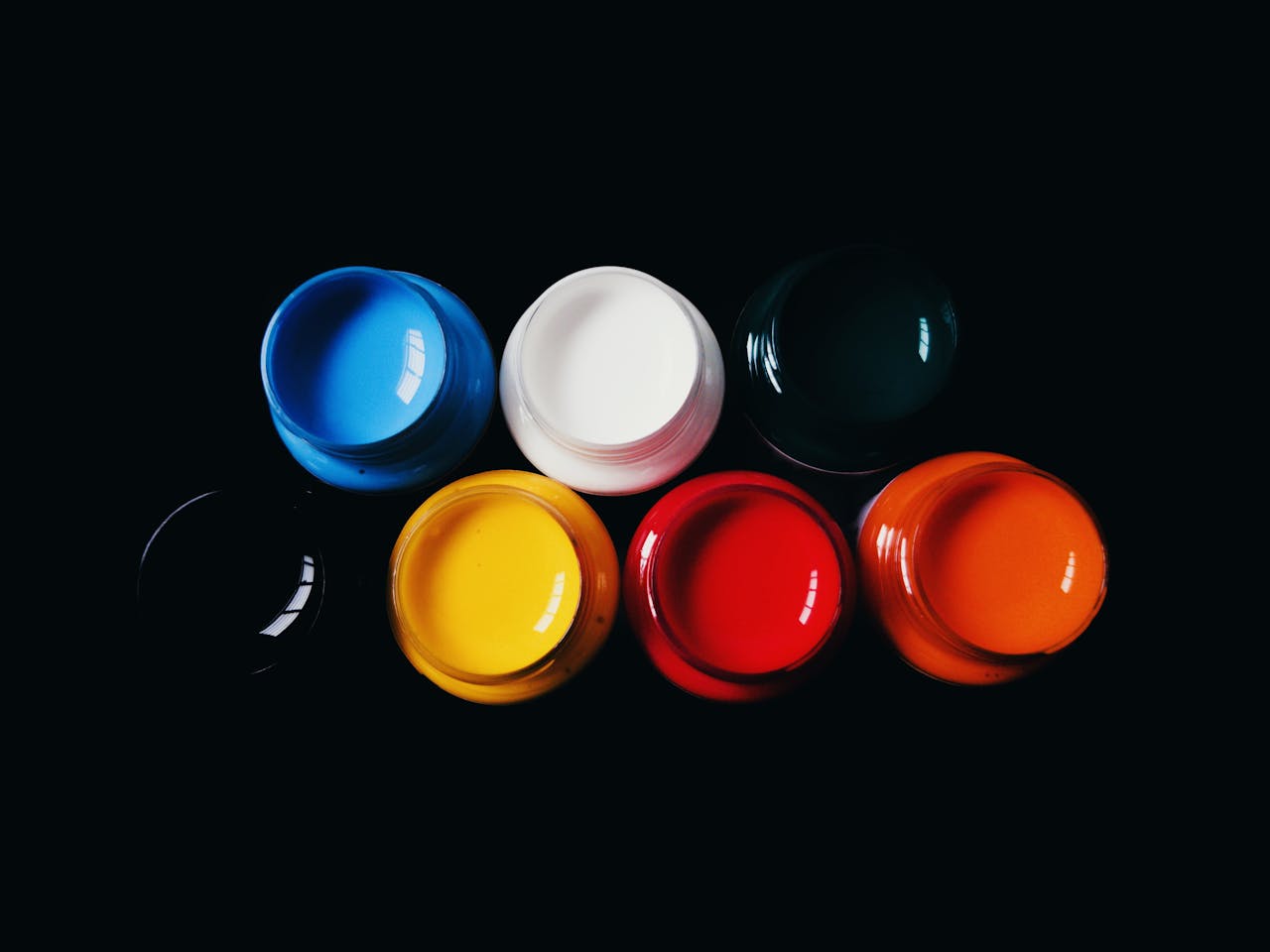
The colour of the paint can drastically change the atmosphere and appearance of a room. Light colours make a room feel larger and airier, while dark shades create a cosy and intimate atmosphere. It is important to consider the light in the room, as this affects how the colour is perceived. Always try a colour sample on the wall before making a final decision. Also consider the psychological effects of colours; blue can be calming, while red gives energy. Choosing the right colour is crucial for creating the desired ambiance in your project.

4. Consider sustainability and environmental friendliness

When choosing paint, it is also important to consider the sustainability and environmental friendliness of the product. Many manufacturers now offer paint with low VOC (volatile organic compounds) levels, which is better for both health and the environment. These paints emit fewer harmful fumes and are often low-odour, making them ideal for indoor use. Additionally, there are organic paints made entirely from natural ingredients. Choosing an environmentally friendly paint can contribute to a healthier living environment and is a responsible choice for the future.

5. Prepare your project well

Good preparation is essential for a successful painting project. Start by cleaning the surfaces you want to paint and ensure they are dry and dust-free. Repairs to walls, such as filling holes and cracks, should be done beforehand. Using a primer can also help improve paint adhesion and ensure an even finish. Make sure to choose the right brushes and rollers for the type of paint you are using, and protect floors and furniture with drop cloths. By taking the time to prepare properly, you ensure your project runs smoothly and the end result looks professional.
Buurtje.nl
Never miss a home
Free push notifications the moment a new home appears in one of the 4,500+ sources.
Buurtje.nl
Buurtje.nl in the appSearch faster and respond first
Open