Most home seekers start with square metres, rooms and a maximum budget. Logical, because those filters make the search manageable. But anyone who filters purely on property characteristics misses a factor that determines housing happiness at least as strongly: the neighbourhood you end up in.
In Utrecht, the number of homes sold in the first quarter of 2025 rose by more than 12 percent compared to a year earlier, according to figures from the Land Registry. That pressure on the market means buyers have to act quickly and sometimes compromise on location. That is precisely when it pays to have a clear idea in advance of which type of neighbourhood suits your life stage and daily rhythm.
Platforms like Buurtje.nl offer a starting point by bundling residents' experiences. Those seeking professional advice in addition can turn to a specialised buying agent for more information about specific neighbourhoods and the local supply. That combination of resident perspective and market knowledge provides a more complete picture than figures alone.
The neighbourhood determines more than you think
According to The Social State of the Netherlands 2023 from the Netherlands Institute for Social Research, neighbourhood characteristics such as social cohesion and feelings of safety have a direct impact on satisfaction with the living situation. A spacious apartment in a neighbourhood where you don't know anyone feels different from a smaller house on a street where neighbours look out for each other. Those soft factors are hard to measure but carry significant weight.
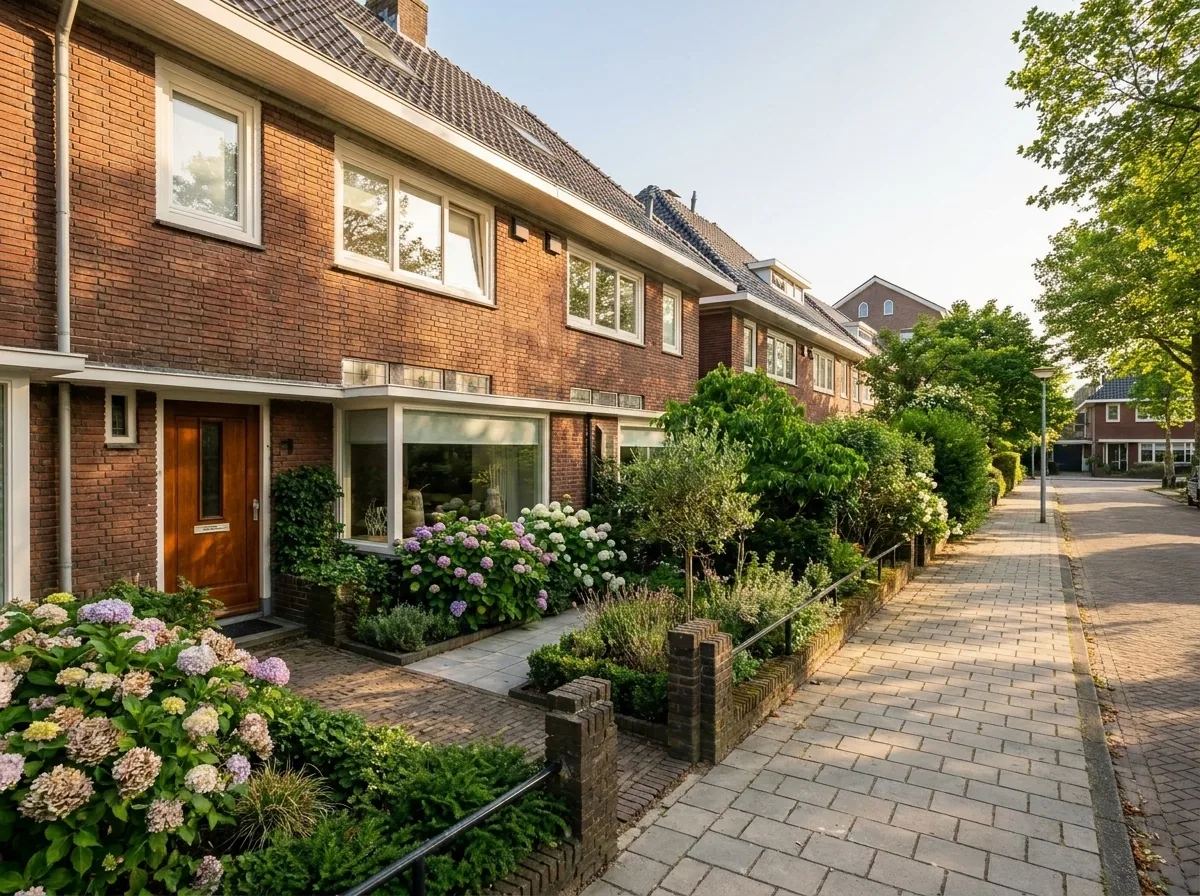
Take the difference between Lombok and Leidsche Rijn in Utrecht. Lombok offers a lively mix of cultures, small shops and a high level of amenities within walking distance. Leidsche Rijn attracts families with more spacious new-build homes, wide cycle paths and schools around the corner, while both neighbourhoods lie within five kilometres of Utrecht Central Station.
Anyone who buys a home without thoroughly knowing the neighbourhood takes a risk that only becomes apparent after the key handover. Noise nuisance from a nearby industrial estate, a lack of play space for children, or a range of shops that doesn't match your daily life: these are factors you won't see in a property advertisement. Yet they largely determine how pleasant it will still be to live there two years later.
What neighbourhood statistics do and don't tell you
Figures on average WOZ values, crime rates and demographic composition provide a useful first impression. The CBS publishes detailed key figures per district and neighbourhood annually, down to postcode level. That data helps compare neighbourhoods on objective criteria.
Yet statistics don't tell the whole story. A neighbourhood with relatively high burglary rates can at the same time have a close-knit neighbourhood network actively engaged in prevention. Conversely, a neighbourhood with low crime rates can feel socially isolated, something resident reviews on platforms like Buurtje.nl often show more clearly.
It helps to place statistics and personal experiences side by side. View the data as an X-ray and resident reviews as a conversation with the resident themselves. Both sources are needed to get a complete picture of a neighbourhood before you make an offer.
A local buying agent as neighbourhood expert
A buying agent who operates daily in a specific area builds up neighbourhood knowledge that goes beyond what is available online. In Utrecht, Grandia Aankoopmakelaars, for example, conducts around 1,000 viewings per year, spread across neighbourhoods such as Wittevrouwen, Zuilen, De Meern and Houten. That frequency yields detailed knowledge about street character, future construction plans and price developments per micro-location.
That differs fundamentally from an agency that handles both buying, selling and valuations. An agent who exclusively guides buyers has no interest in selling a specific property quickly. That independence makes the advice about neighbourhood and property purer, especially in a market where overbidding still occurs regularly.
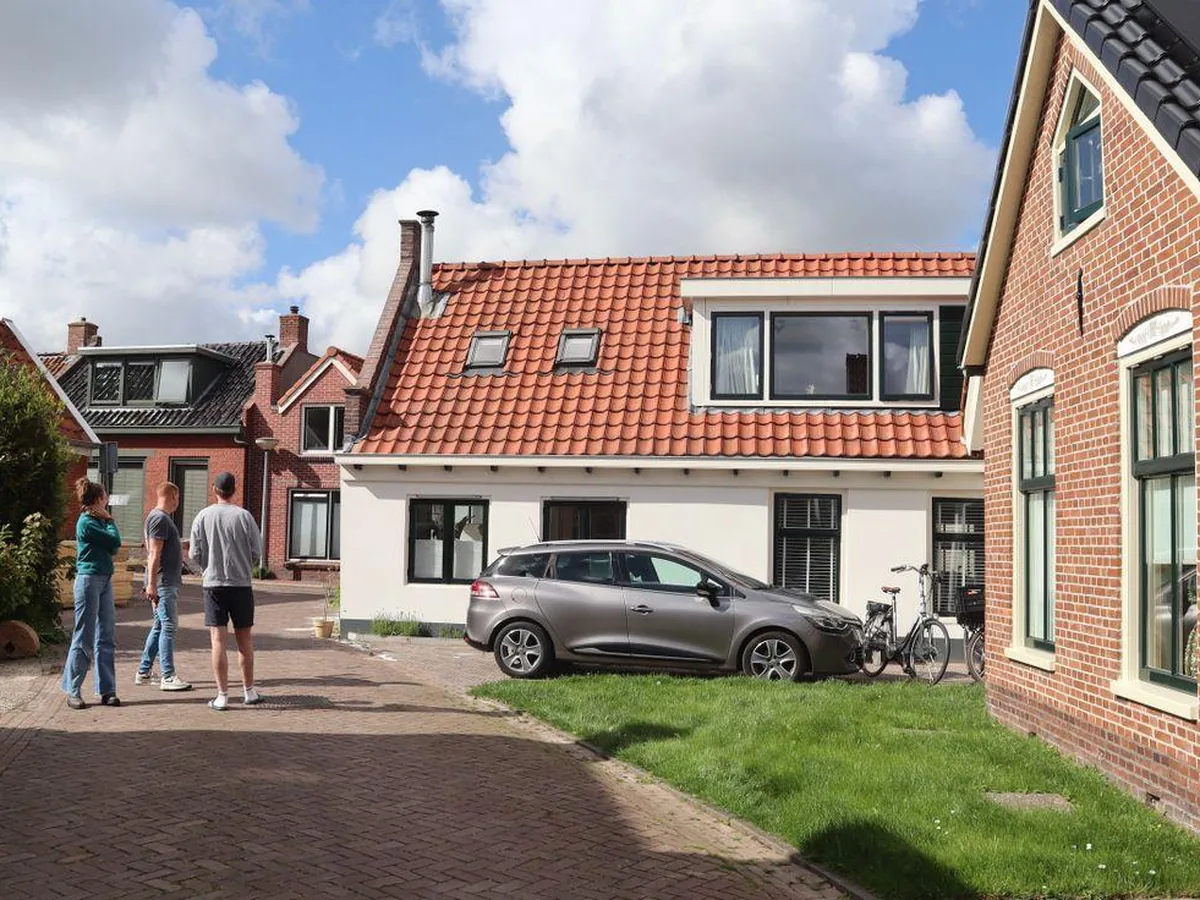
For first-time buyers, that guidance can be especially valuable. Those buying a home for the first time often lack a frame of reference to properly assess a neighbourhood. That is precisely when it helps to have someone by your side who knows what a street looks like on a Tuesday morning, not just on a sunny Saturday afternoon during an open house.
Do your own research in the neighbourhood
Apart from figures and professional advice, there is no substitute for your own experience. Walk through the neighbourhood at different times: on a weekday morning, on a Friday evening, on a Sunday afternoon. You will get a more realistic picture than during a single viewing.
Talk to residents if you can. A brief chat at the baker's or in the neighbourhood park often yields more information than ten online reviews. Ask about parking pressure, the atmosphere on the street and how long people have lived there.
Also check practical matters via the municipality or the zoning plan. Is new construction planned at the end of the street, or is a tram line coming through the neighbourhood? Such developments affect both your living enjoyment and the value development of your home over the next five to ten years, and those who want more information about the buying process itself can contact a buying agent with a local focus for a no-obligation consultation.