Paint in the Bathroom: What Works and What Doesn't?

12 May 20253 min readJos WijkhuijsGesponsord
Paint in the Bathroom: What Works and What Doesn't?
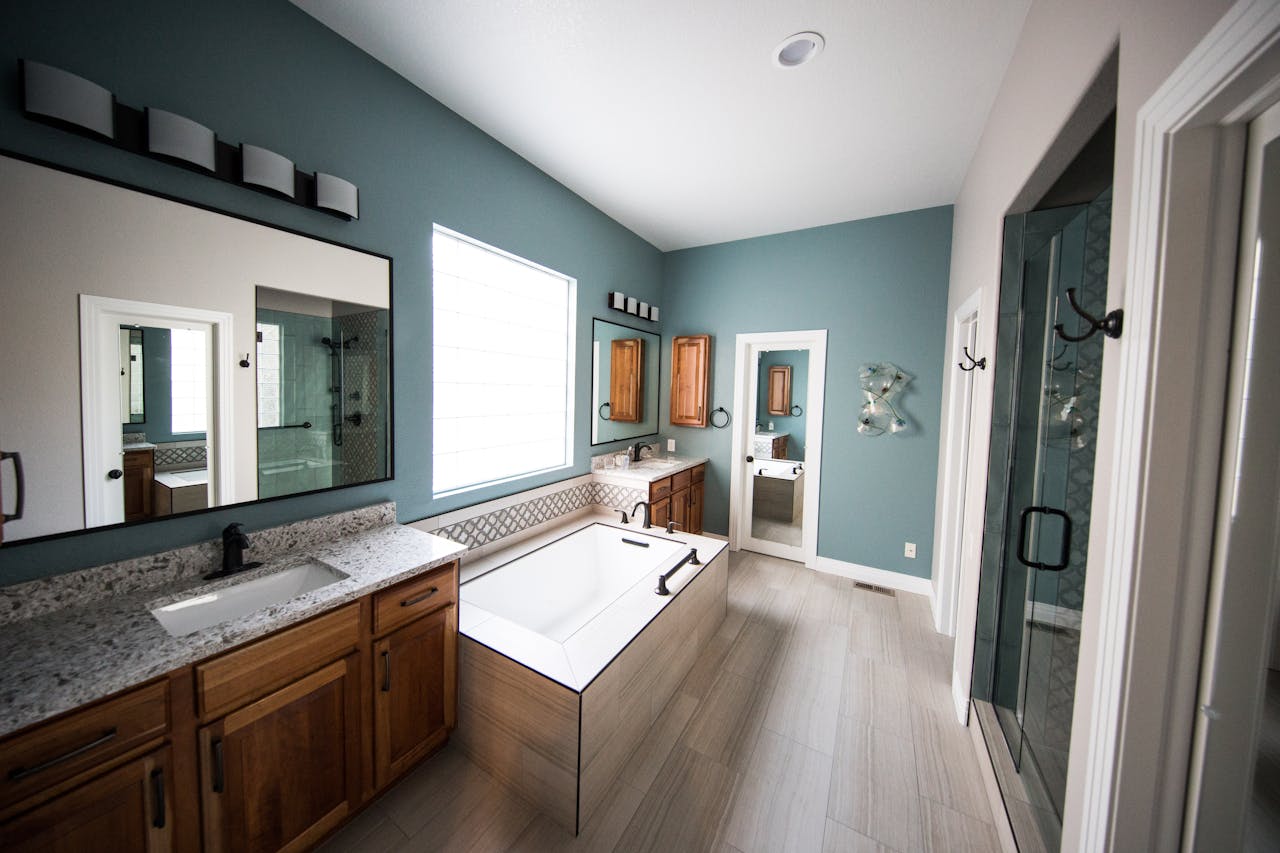
The bathroom is perhaps the most challenging room in the house when it comes to paint choice. With moisture, temperature fluctuations and mould growth as potential enemies, it is essential to choose the right paint for this space. In this blog, we dive deep into the world of bathroom paint and discover what works and what doesn't.

Why special paint for the bathroom?

The bathroom has unique conditions that you won't find anywhere else in the house. High humidity, splashes of water and condensation make it an environment where not every type of paint can survive. Choosing a paint specifically designed for damp rooms is therefore crucial.

Moisture resistance

Bathroom paint must be resistant to moisture to prevent the paint from peeling or mould forming. Choose a paint that is water-repellent and provides a protective barrier against moisture.

Anti-mould

Nothing is as annoying as mould in your bathroom. Choose a paint with anti-mould properties to ensure your walls and ceilings stay looking fresh and clean for longer.

Types of paint for the bathroom

Not all types of paint are suitable for the bathroom. Below we discuss which types work and which you should avoid.

Suitable types of paint

  • Acrylic paint: This paint is water-based and offers excellent moisture resistance. Acrylic paint dries quickly and is low-odour, making it a popular choice for bathrooms.
  • Latex paint: Also water-based, latex paint is flexible and resistant to mould. It is ideal for areas that are cleaned regularly.
  • Moisture-regulating paint: Specially designed to regulate moisture and minimise the chance of mould formation. This paint is perfect for ceilings and walls that are exposed to a lot of moisture.

Unsuitable types of paint

  • Oil paint: Despite its durability, oil paint is less suitable for bathrooms due to its long drying time and susceptibility to mould.
  • Lime paint: This paint does not cope well with damp conditions and is therefore not a good choice for the bathroom.

Practical tips for painting your bathroom

Now that you know which paint to choose, it's time for some practical tips to ensure your bathroom becomes a success story.

Preparation is half the work

Before you start painting, make sure all surfaces are clean and dry. Remove mould with a special cleaning agent and fill any holes or cracks with filler.

Ventilation

Ensure your bathroom is well ventilated during and after painting. This not only speeds up the drying process but also helps to remove any fumes.

Applying paint

Use a quality roller or brush for an even finish. Apply at least two coats of paint for the best protection and coverage.

Conclusion

Although it may be tempting to use the same paint as in the rest of your house, choosing the right bathroom paint is crucial for a durable and aesthetic result. Invest in moisture-resistant, anti-mould paint and follow the correct preparation tips to transform your bathroom into a fresh and stylish retreat.For more tips and inspiration on paint and colour choices, visit Verf-plaza.nl. Here you will find all the information to make your next painting project a success!
Buurtje.nl
Never miss a home
Free push notifications the moment a new home appears in one of the 4,500+ sources.
Buurtje.nl
Buurtje.nl in the appSearch faster and respond first
Open