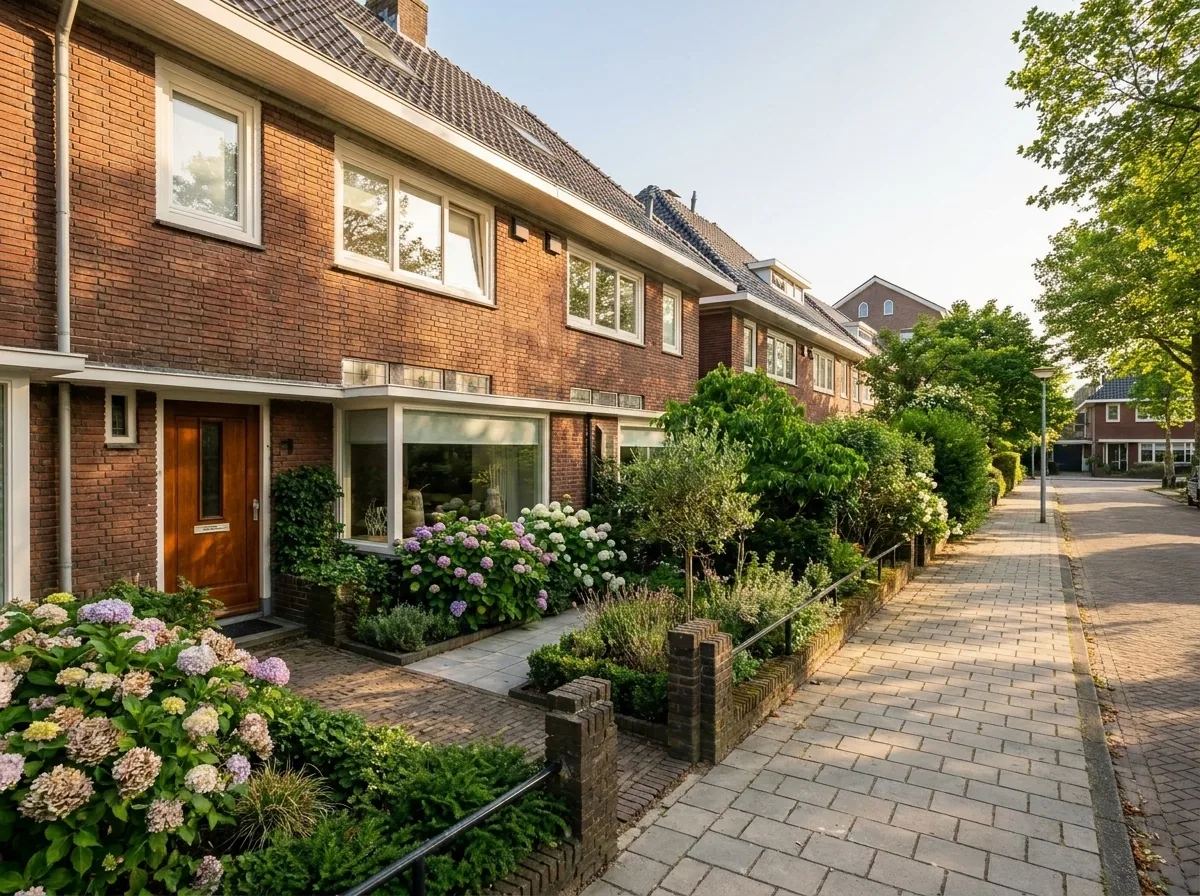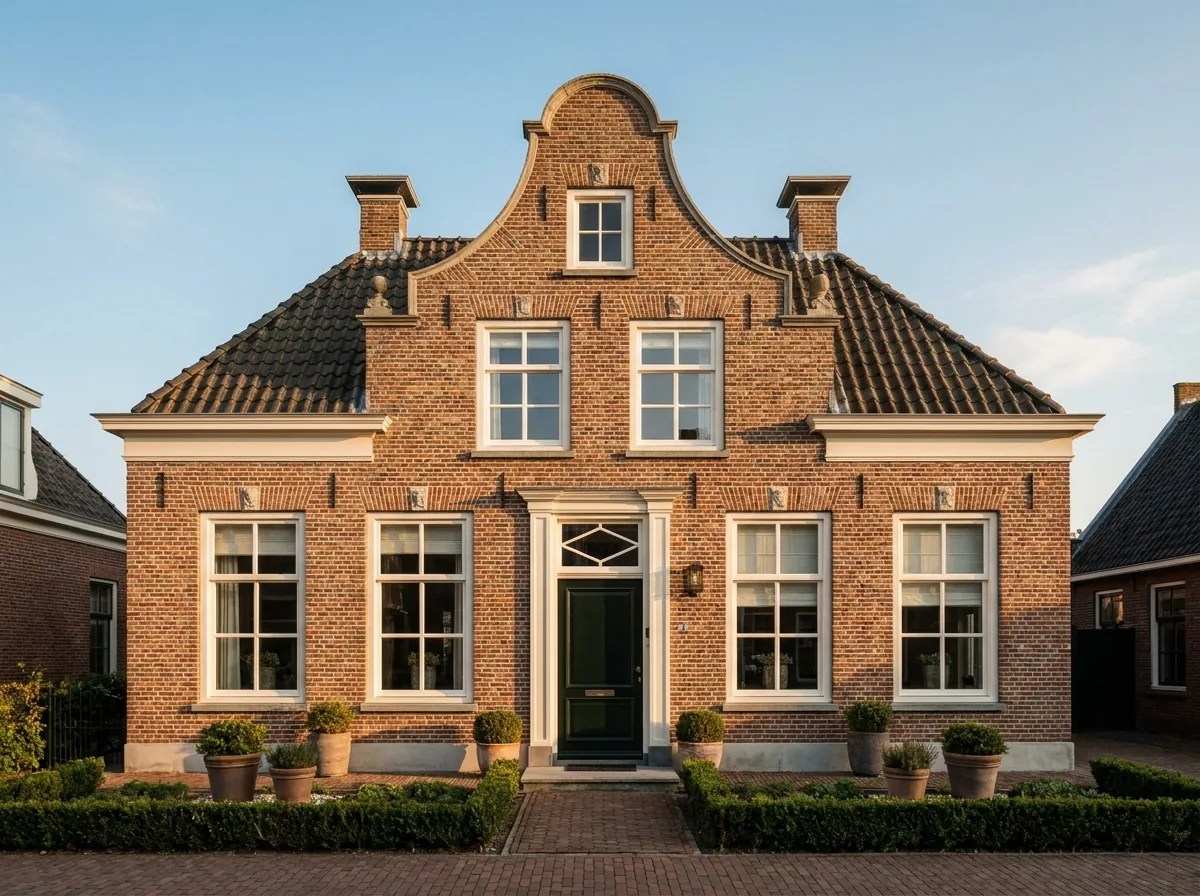
Moving to a different neighbourhood means more than unpacking boxes and submitting a change of address. The way you furnish your home directly influences how quickly you feel rooted somewhere. Figures from the Netherlands Institute for Social Research previously showed that housing satisfaction is determined for more than 60% by how people experience their own home, and only then by the surrounding neighbourhood.
That may seem logical, but in practice, many movers postpone furnishing their home for months. They focus on the neighbourhood, the amenities, the neighbours. Yet a well-furnished home is the anchor from which you explore a new environment.
One of the places where this is most noticeable is the bedroom. Those who sleep poorly after a move feel less energetic during the day and less engaged with their new living environment. Good box springs make a concrete difference in this regard, because sleep comfort directly affects your daily well-being. It is an investment that many people put off for too long.
The first weeks after a move are decisive
Psychologists speak of an adjustment period of six to twelve weeks when someone moves to a new neighbourhood. In that initial phase, your brain constantly searches for signals of safety and familiarity. A home still full of unpacked boxes or temporary solutions sends precisely the wrong signal.
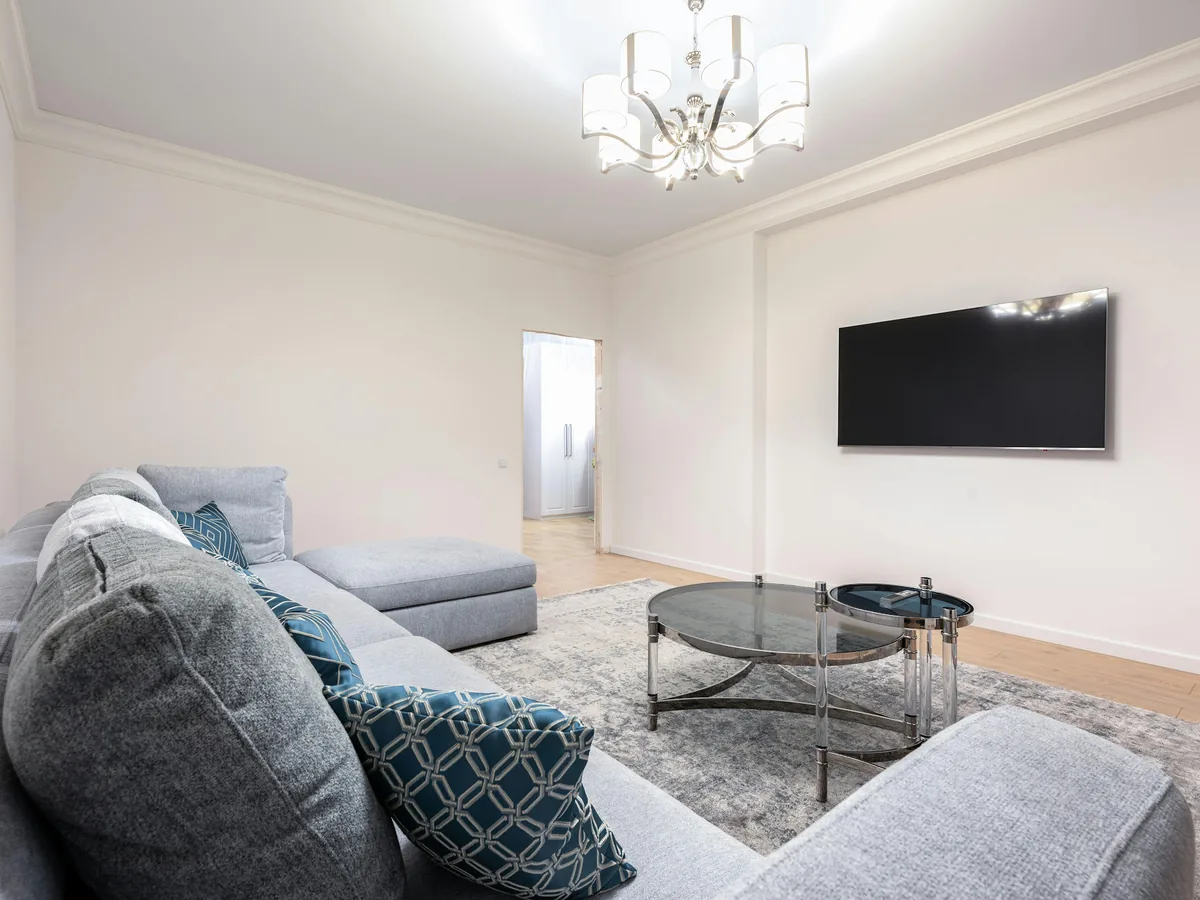
Residents who fully furnish their living room and bedroom first more often indicate on platforms like Buurtje.nl that they quickly feel at home. That has nothing to do with luxury. It is about recognition: a sofa you enjoy sitting on, a dining table that invites you in, a bed in which you sleep well immediately.
In neighbourhoods with high turnover, such as new-build areas around Utrecht or Almere, this pattern is especially noticeable. Residents who quickly get their interior in order make contact with neighbours faster. They also participate sooner in neighbourhood activities, from street parties to communal green maintenance.
How your living environment and furniture choices are connected
Your interior not only reflects your personal taste, but also how you relate to your immediate living environment. People who consciously choose furniture that suits their lifestyle generally score higher on involvement in their neighbourhood in community surveys. The feeling of control over one's own home seems to play a key role in this.
This also explains why large furniture showrooms remain popular despite the growth of online shopping. At Zitmaxx Wonen in Ter Aar, where more than 15,000 square metres of showroom is available, employees indicate that customers who have just moved often put together their complete living and bedroom in a single visit. They want to make the feeling of home tangible as quickly as possible.
The choice of a box spring or another type of bed is often one of the first decisions. Bedroom furniture gets less attention than a new sofa, but it determines how you feel every morning when you wake up in a street that still feels unfamiliar.
City neighbourhood or suburb: different priorities
The type of neighbourhood you end up in influences which furniture choices take priority. In urban neighbourhoods with smaller apartments, think of Amsterdam-Noord in Amsterdam or Rotterdam-Zuid in Rotterdam, residents more often invest in multifunctional furniture. A dining table that also serves as a workspace, or a sofa bed for the guest room that does not exist.
Spacious suburbs and villages show the opposite. There, residents are more likely to choose a large corner sofa, a substantial dining table, and a freestanding bed with a box spring. According to figures from Statistics Netherlands, over 340,000 households moved to another municipality in 2025, meaning that hundreds of thousands of Dutch people face these considerations anew each year.
Strikingly, residents in neighbourhoods with high housing satisfaction, such as areas that score above 8 on Buurtje.nl, spend on average more on their interior in the first three months after moving. This is not just a matter of income. It points to a conscious choice to prioritise one's own home over other expenses.
Home begins behind your own front door
When moving, all attention often goes to the neighbourhood: are there good schools, what is public transport like, what do other residents say? That information is valuable and deserves attention. But the foundation of living enjoyment literally lies in your own home, from the chair where you drink coffee in the morning to the box spring on which you fall asleep at night.
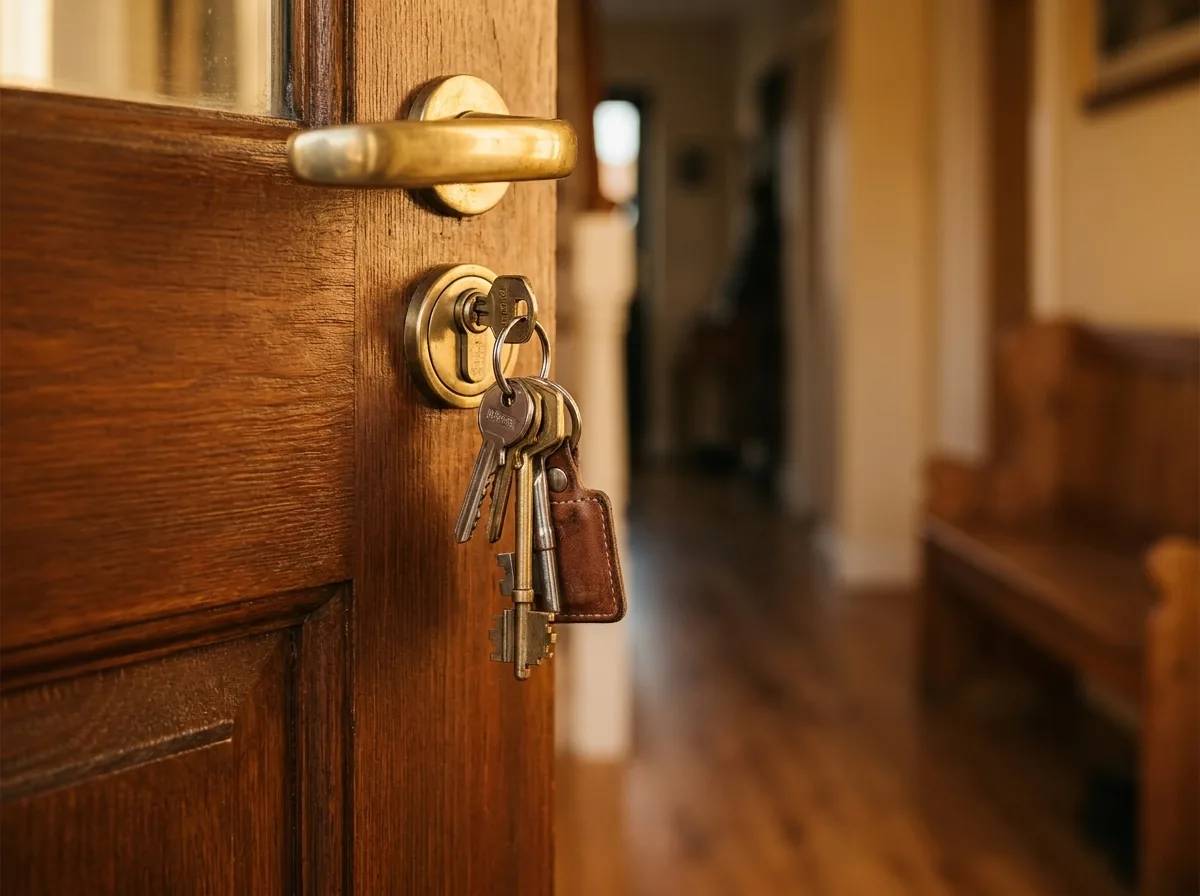
Those who move to a new neighbourhood in 2026 would do well not to treat interior design as an afterthought. Plan it as part of the moving process itself. Reserve a budget, visit a showroom or order online, and ensure that within two weeks of getting the keys, your home is a place you enjoy coming into.
No neighbourhood score, however high, can compensate for what a bare and impersonal home does to your daily well-being. You choose the neighbourhood carefully, but you make your house a home yourself.