Dorpsstraat 68
Beroepenbuurt, Krimpenerwaard
 Area
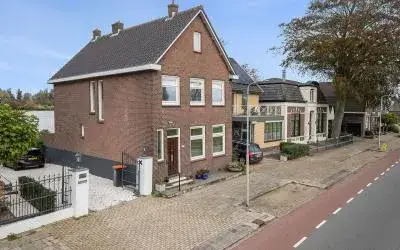
AreaA detached home with character
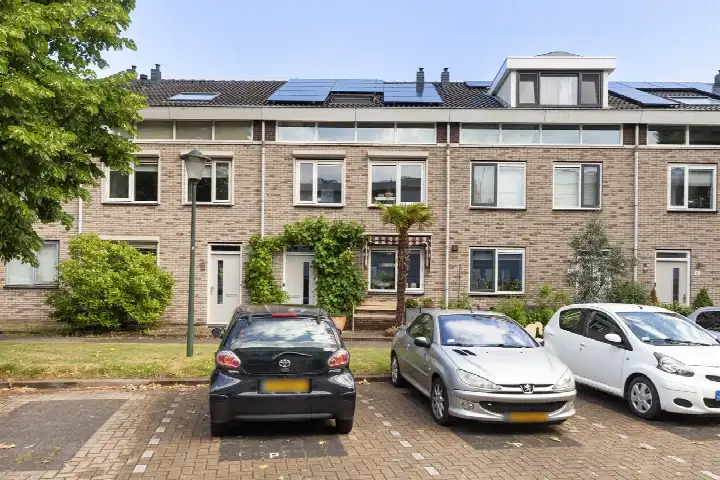
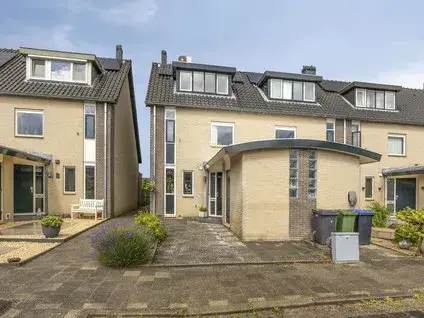
This detached house on Dorpsstraat in Krimpen aan de Lek has a classic feel, with its 1920 build and 138 m² of living space on a 307 m² plot. The energy label C means it's reasonably efficient, though you'll want to budget for heating an older home. At €499,000, the price is in line with what you'd expect for a detached houses in Krimpenerwaard of this size.
The Beroepenbuurt neighbourhood
The Beroepenbuurt is a small, quiet area with 710 residents, mostly families and couples. One resident who has lived here for 42 years says: "Have lived there for 42 years with full satisfaction!" Another notes: "The neighbourhood was always good! But a lot of people are moving away, so we'll have to wait and see what the future brings." Based on two reviews, the neighbourhood scores a 7.38 out of 10. It's a moderately urban area, with most homes being owner-occupied single-family houses. For more on the area, see the neighbourhood Beroepenbuurt.
Life on the street
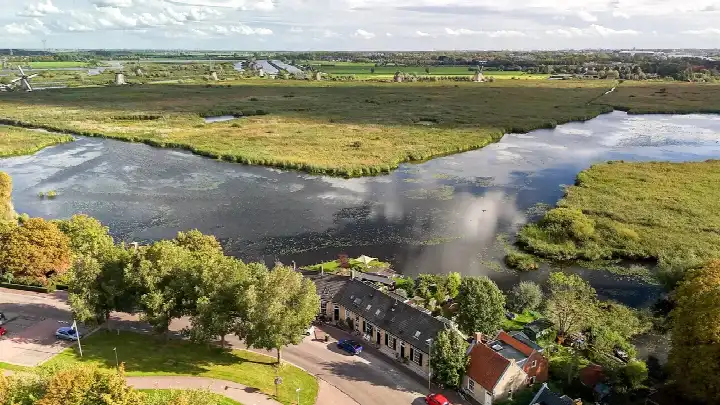
Your daily routine would be easy: the Albert Heijn is just around the corner for groceries, and there's a GP and a restaurant a couple of streets away. Two primary schools are within a five-minute walk: obs Prinses Irene and De Wegwijzer. For secondary school, you'd need to travel a bit further, about 4.8 km. The municipality Krimpenerwaard offers a mix of rural and suburban living, with the Lek river nearby.
Source
At the time of writing, the home is listed through several channels, including Van Herk Makelaars.
This summary was generated with AI and may contain errors. Always verify the details with the provider.
Features
Details of this home
Transfer
Price
Energy
 Save up to € 400 on your energy billCompare now
Areas and volume
 Insure your home and belongingsGet insured
Layout
Construction
Outdoor space
Frequently asked questions
About Dorpsstraat 68, Krimpen Aan De Lek
Is €499,000 a fair price for this detached house?
The price is in line with the market for a detached home of this size and age in Krimpen aan de Lek. The 138 m² floor area and 307 m² plot are typical for a 1920s house, and energy label C is average for its era. Without comparable sales data for the neighbourhood, it's hard to say if it's a bargain, but it's not overpriced compared to similar listings in the wider area.
What is the Beroepenbuurt like to live in?
The Beroepenbuurt is a quiet, family-oriented neighbourhood with mostly single-family homes. Residents appreciate the peace and have lived there for decades, though some note recent turnover. It's moderately urban, with a density of 1015 addresses per km², so it's not too busy. Amenities like a supermarket and primary schools are within walking distance.
How far is the nearest train station?
The nearest train station is 9.7 km away, so you'd need a car or bus for rail connections. The area is more car-dependent, but the bus network may serve the village.
What schools are near this home?
Two primary schools are within a five-minute walk: obs Prinses Irene (286 m) and De Wegwijzer (317 m). For secondary education, the nearest school is 4.8 km away, so a longer commute or bike ride is needed.
What is the energy label C like for a 1920s home?
Energy label C is decent for a house built in 1920. It means the home has some insulation and double glazing in places, but you can expect higher heating costs than a modern home. It's not the most efficient, but it's not a drafty old house either.