District in Pijnacker-Nootdorp
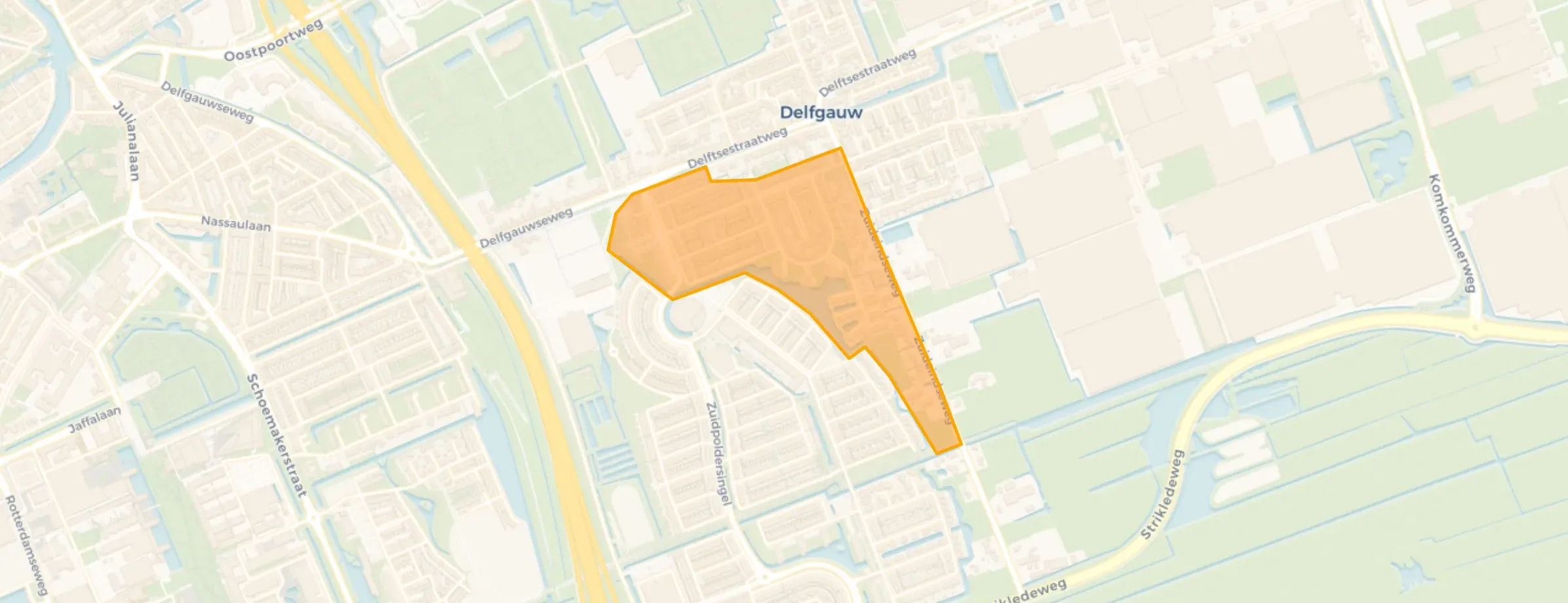
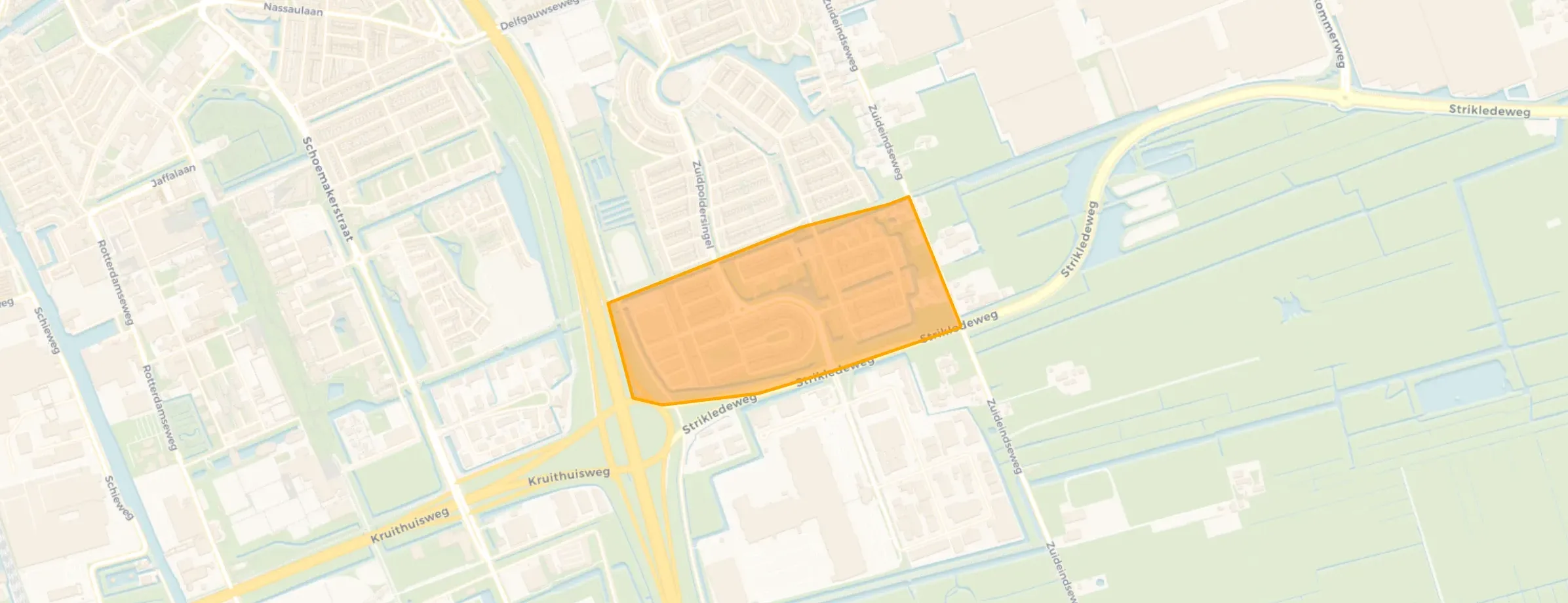
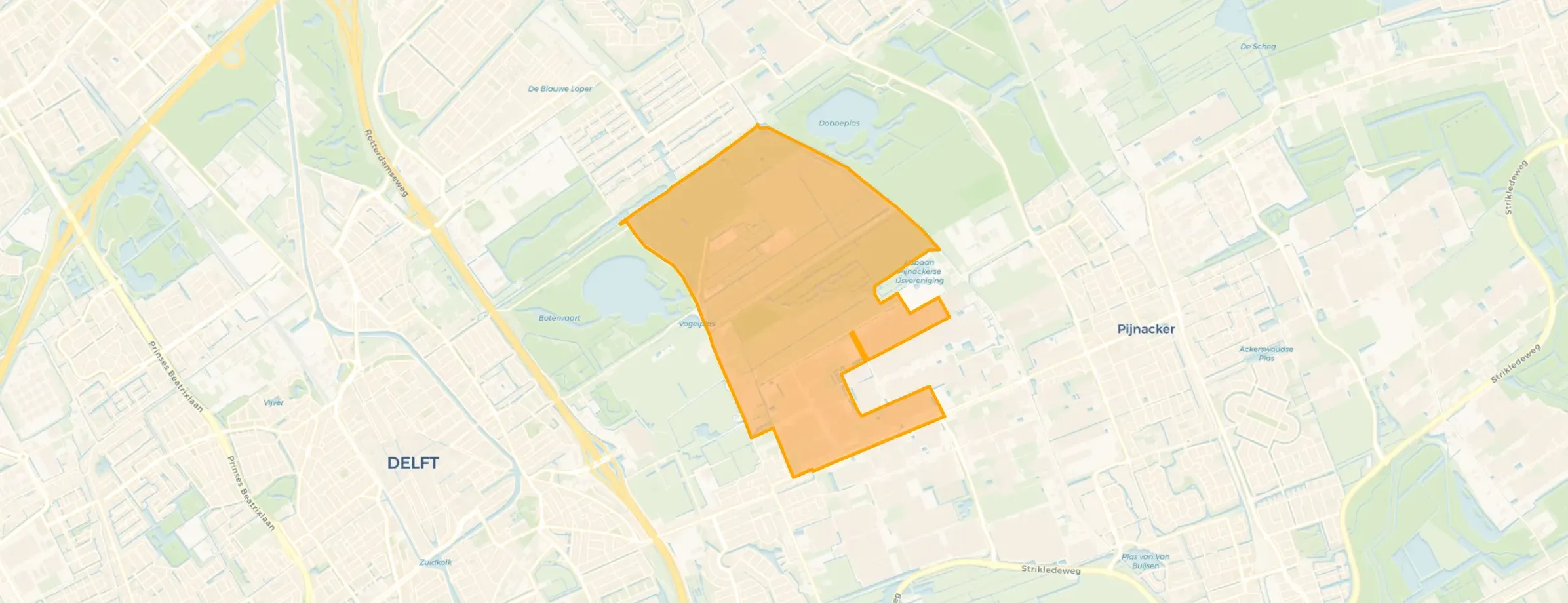
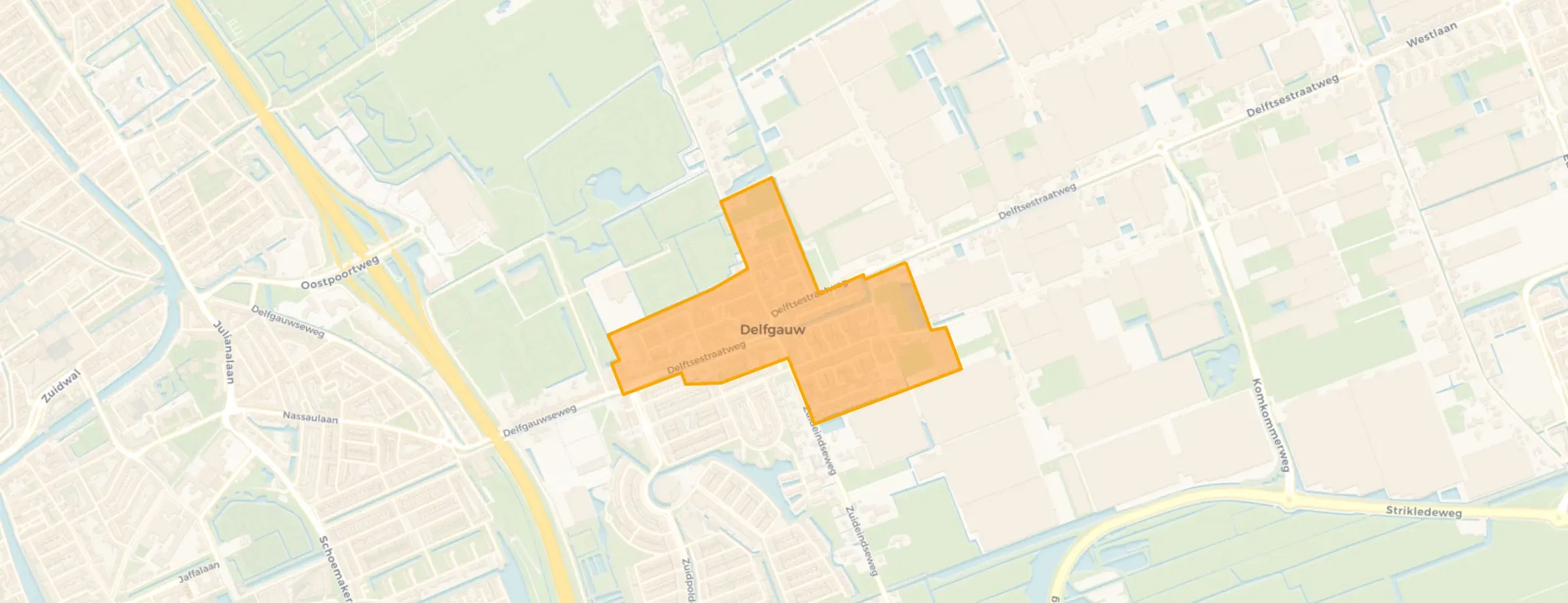
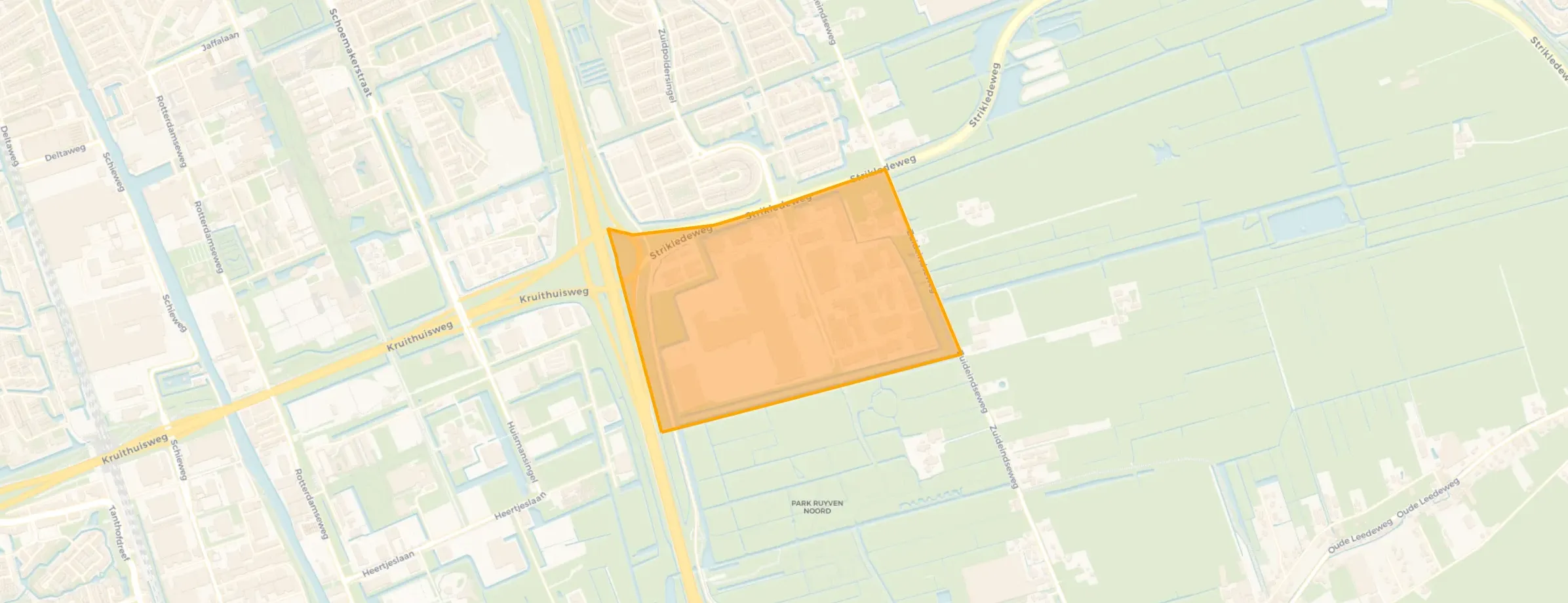
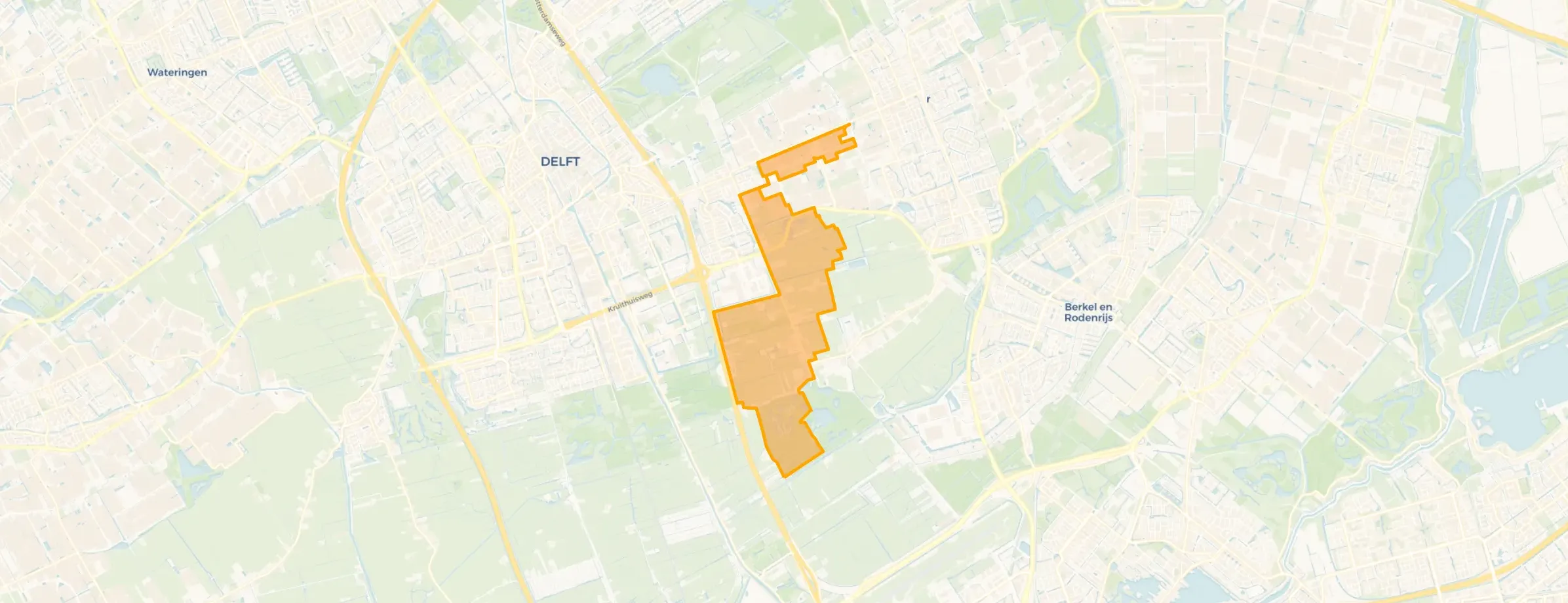
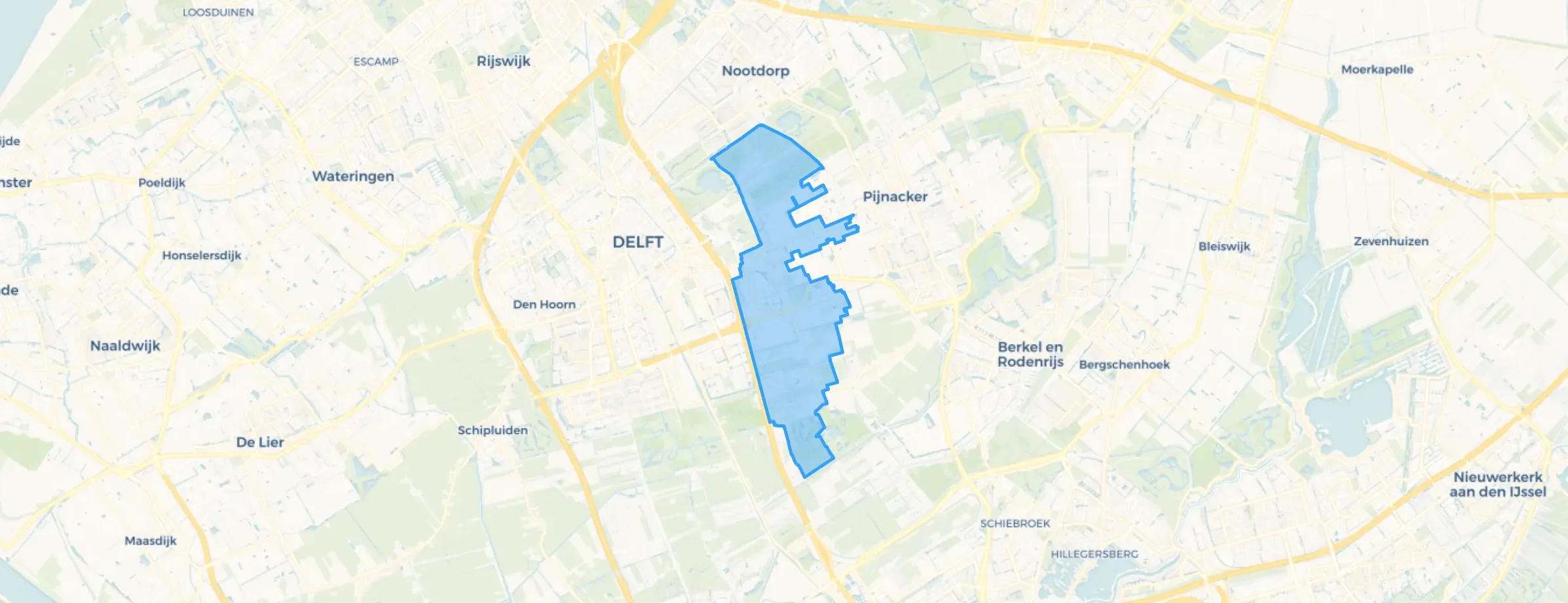
Delfgauw is located in the province of Zuid-Holland, in the municipality of Pijnacker-Nootdorp The district has a total area of 981 hectares, of which 941 hectares are land and 40 hectares are water. The district is coded as WK192603. The postcode area is 2645AA-2645NX.
Delfgauw has 8.890 residents. Of these, 51,2% are men and 48,8% are women. Most residents are 45 to 65 years (34,2%). The other age groups are 19,2% for '25 to 45 years', 17,0% for '15 to 25 years', 15,0% for '0 to 15 years' and 14,7% for '65 years or older'. Of the residents, 48,7% is unmarried, 42,1% is married, 5,8% is divorced and 3,4% is widowed. 6.545 residents originate from the Netherlands, 730 come from Europe and 1.615 come from countries outside Europe.
There are 3.685 households in Delfgauw. 31,1% of these are single-person households, 25,9% households without children and 43,0% households with children. The average household size is 2,4 persons. The national average is 2,1 persons.
In Delfgauw there are 7.300 income recipients. The average income per income recipient is €49.300, which is €7.100 (17%) higher than the national average of €42.200. Per resident, the average income is €40.700, which is €5.800 (17%) higher than the national average of €34.900. Most residents of Delfgauw are highly educated. 43,4% have a university or higher professional education (HBO/WO), 37,2% have an intermediate education (HAVO, VWO or MBO 2-4) and 19,3% have a lower education (VMBO or MBO 1).
Of the 8.890 residents, around 78% are in paid employment, which amounts to 6.934 people. This is 6% higher than the national average of 72%. The majority of workers are in salaried employment (85%), while 15% are self-employed. In Delfgauw, 17% of residents receive a benefit. The largest group is those receiving a state pension (AOW). 1.150 people receive this benefit.
In Delfgauw there are 3.460 homes with an average assessed value (WOZ) of €519.000. Of these, around 98% are occupied and 2% unoccupied. Most homes are owner-occupied. This amounts to 25% rental homes and 75% owner-occupied homes. Of the homes, 73% privately owned, 20% owned by housing associations, 6% owned by other landlords and 1% of unknown ownership. The most common construction periods in Delfgauw are 1990-2000 (38%) and 2000-2010 (35%).
There are currently no homes for sale in Delfgauw. The most recently listed home is Witmolen 153 by Post Makelaardij | Delft | NVM op Funda. No homes were sold in Delfgauw over the past year.
There are currently no homes for rent in Delfgauw. The most recent home is Slagturverstraat 21, offered by www.woonnet-haaglanden.nl. No homes were let in Delfgauw over the past year.
No recent rental data available for Delfgauw.
In Delfgauw there are 2.031 addresses with a registered energy label. The most common labels are A (51%), B (18%) and A+ (11%). On average, an address in Delfgauw uses 2.750 kWh of electricity per year. This is 8% above the national average of 2.550 kWh. With an annual consumption of 740 m³ per address, natural gas consumption is 8% below the national average of 800 m³.
I think it's quite manageable, mate
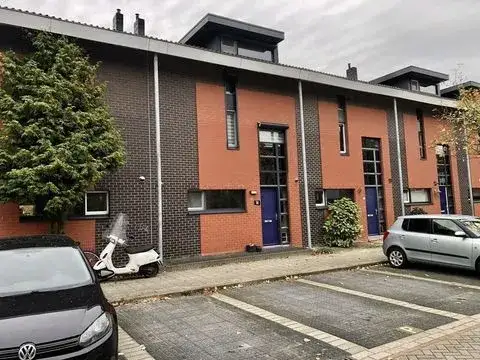
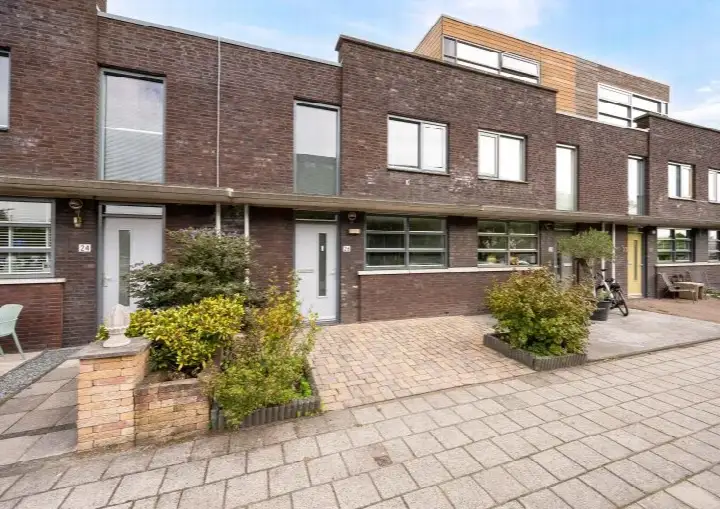
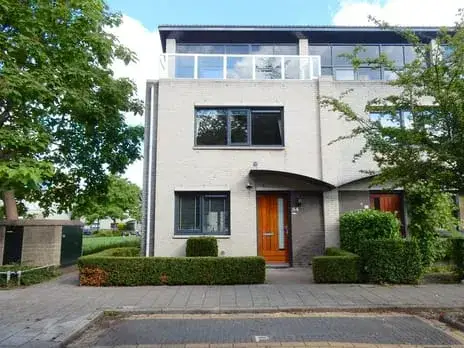
Auto-translated to English by AIThe housing stock is relatively young — 74% dates from after 1990. In addition, the most common type is terraced houses (47%).
Over the past year a home for sale in Delfgauw was listed for an average of €652,234 (€5,001 per m²). That is 23% above the Dutch national average. Last quarter prices fell by 9%.
A rental home in Delfgauw cost an average of €1,698 per month (€21 per m²). That is 21% below the national average.
Wijk Delfgauw has 8,890 residents. The largest age group is 45 to 65 years (34%). Many families: 43% of the households have children.
The housing supply in Delfgauw is remarkably efficient: 77% has an A, A+ or B label. The average natural gas consumption per household is 740 m³ per year.
From Delfgauw you can on average reach a supermarket at 0.9 km, a GP at 0.8 km, a railway station at 3.8 km, a primary school at 0.7 km (as the crow flies, source: CBS).
Right now you will find 19 homes for sale and 4 homes for rent in Delfgauw.