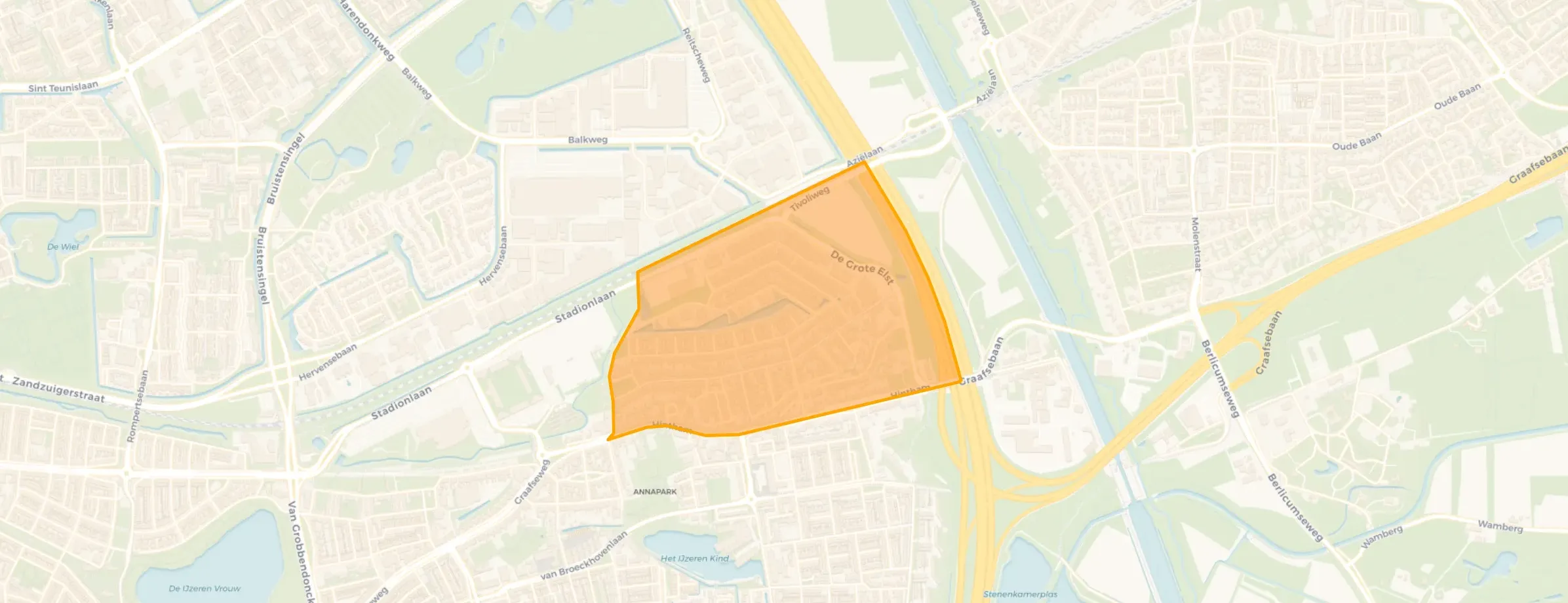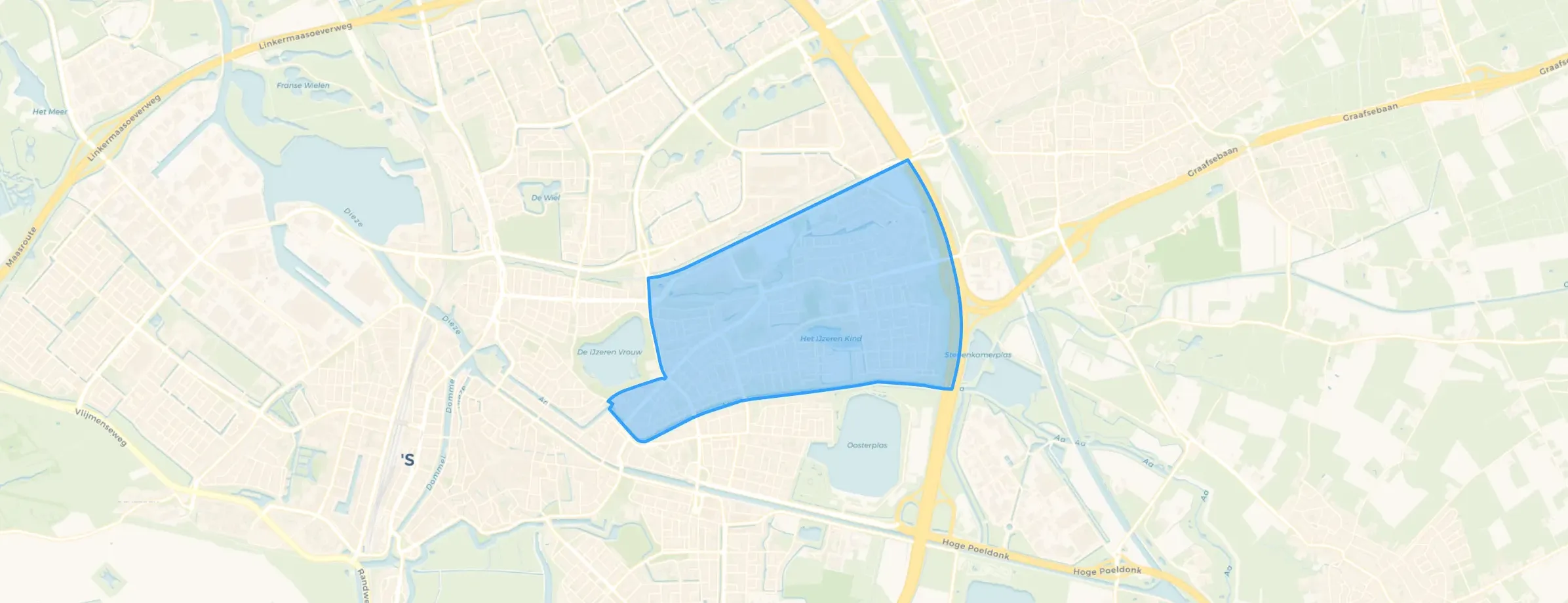
District in Den Bosch
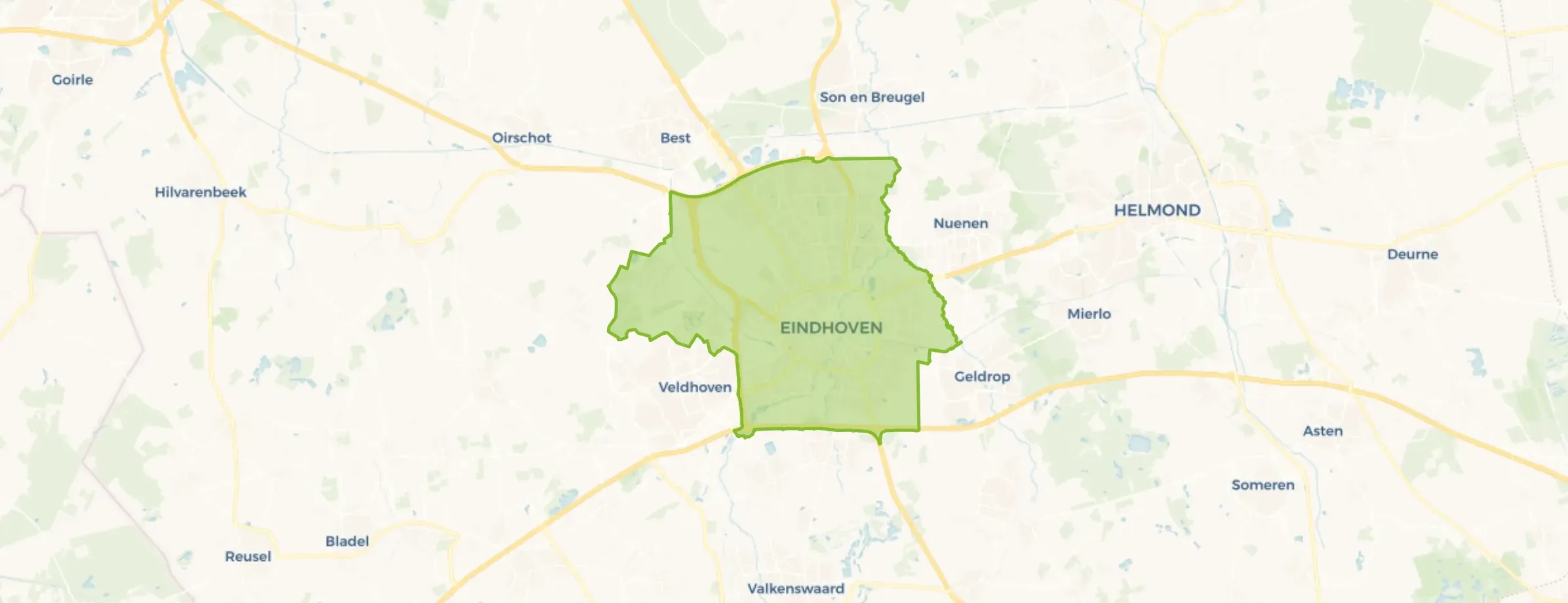
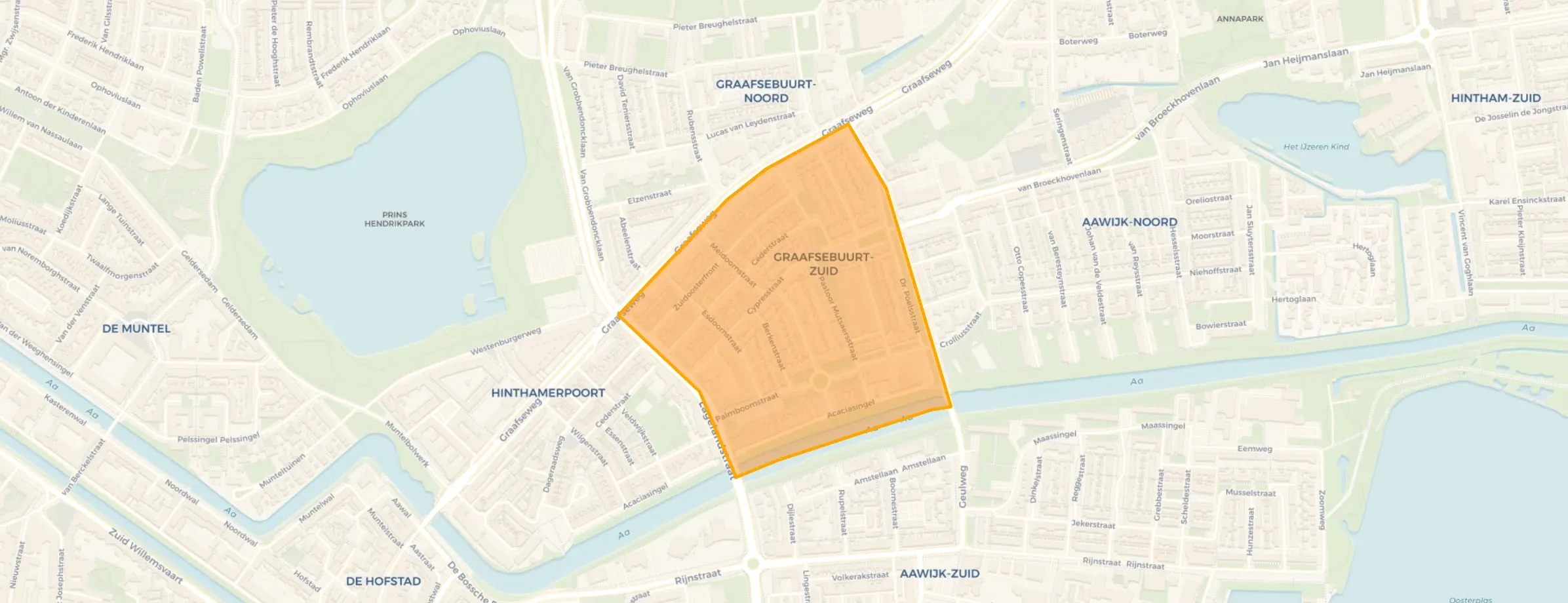
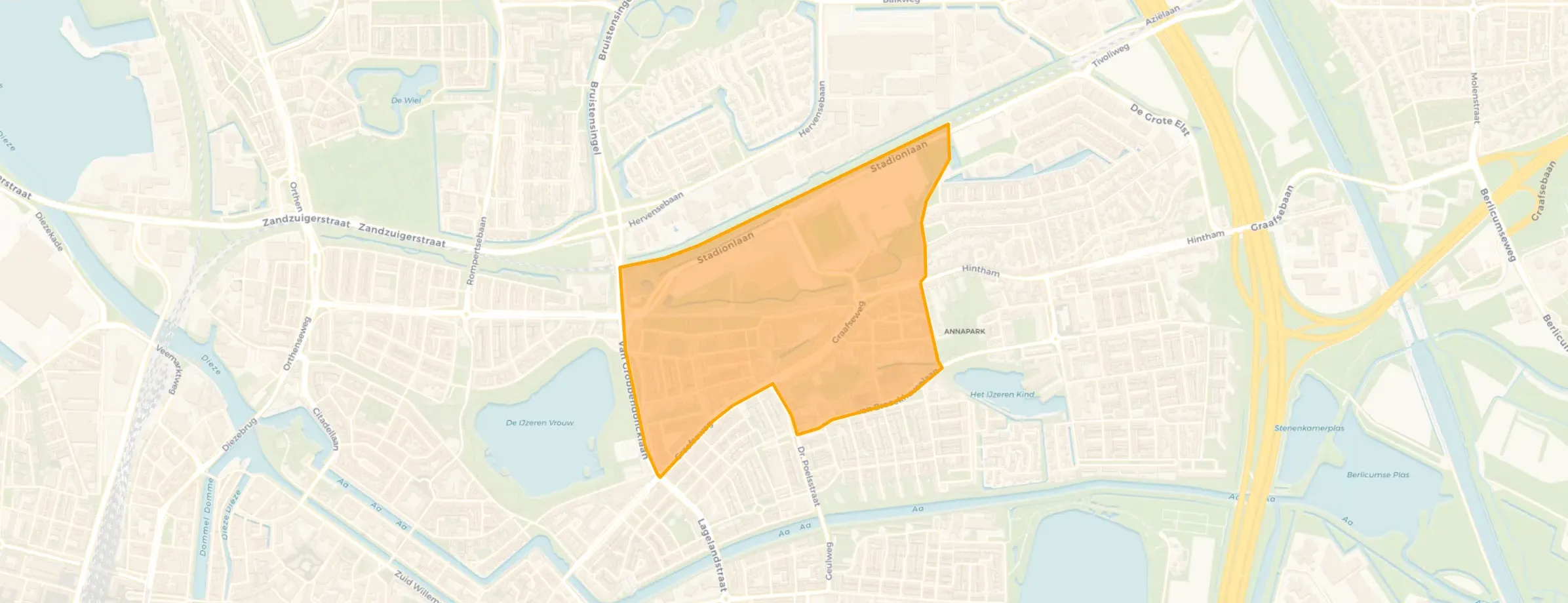
Graafsepoort is located in the province of Noord-Brabant, in the municipality of Den Bosch The district has a total area of 285 hectares, of which 277 hectares are land and 8 hectares are water. The district is coded as WK079603. The postcode area is 5212CX-5246XS.
Graafsepoort has 14.075 residents. Of these, 49,7% are men and 50,3% are women. Most residents are 25 to 45 years (30,3%). The other age groups are 26,1% for '45 to 65 years', 18,8% for '65 years or older', 13,9% for '0 to 15 years' and 10,8% for '15 to 25 years'. Of the residents, 55,2% is unmarried, 30,7% is married, 9,2% is divorced and 4,9% is widowed. 10.515 residents originate from the Netherlands, 1.030 come from Europe and 2.525 come from countries outside Europe.
There are 7.125 households in Graafsepoort. 45,9% of these are single-person households, 26,0% households without children and 28,1% households with children. The average household size is 1,9 persons. The national average is 2,1 persons.
In Graafsepoort there are 11.700 income recipients. The average income per income recipient is €40.500, which is €1.700 (4%) lower than the national average of €42.200. Per resident, the average income is €34.200, which is €700 (2%) lower than the national average of €34.900. Most residents of Graafsepoort are highly educated. 35,3% have a university or higher professional education (HBO/WO), 34,9% have an intermediate education (HAVO, VWO or MBO 2-4) and 29,8% have a lower education (VMBO or MBO 1).
Of the 14.075 residents, around 71% are in paid employment, which amounts to 9.993 people. This is 1% lower than the national average of 72%. The majority of workers are in salaried employment (83%), while 17% are self-employed. In Graafsepoort, 27% of residents receive a benefit. The largest group is those receiving a state pension (AOW). 2.310 people receive this benefit.
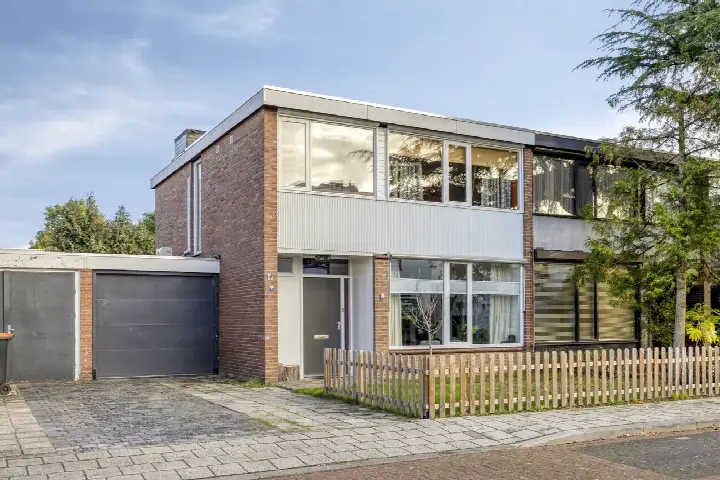
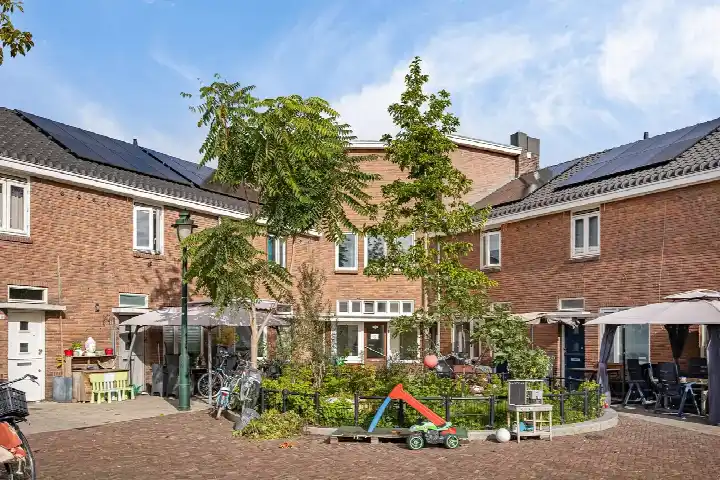
In Graafsepoort there are 7.003 homes with an average assessed value (WOZ) of €381.000. Of these, around 97% are occupied and 3% unoccupied. In Graafsepoort there are roughly as many rental as owner-occupied homes. This amounts to 54% rental homes and 46% owner-occupied homes. Of the homes, 46% privately owned, 43% owned by housing associations and 11% owned by other landlords. The most common construction periods in Graafsepoort are 1950-1970 (42%) and 1925-1950 (18%).
There are currently no homes for sale in Graafsepoort. The most recently listed home is van Reysstraat 109 by vb&t Makelaars op Funda. No homes were sold in Graafsepoort over the past year.
There are currently no homes for rent in Graafsepoort. The most recent home is Johan van de Veldestraat 49, offered by www.thuispoort.nl. No homes were let in Graafsepoort over the past year.
No recent rental data available for Graafsepoort.
In Graafsepoort there are 5.221 addresses with a registered energy label. The most common labels are A (32%), C (26%) and B (15%). On average, an address in Graafsepoort uses 2.410 kWh of electricity per year. This is 5% below the national average of 2.550 kWh. With an annual consumption of 730 m³ per address, natural gas consumption is 9% below the national average of 800 m³.
Bismallah Frederik'sniffo here, have been to several villages, but this really takes the cake. astaghfirullah what is this street man. 's Hertogsbos is a neighbourhood where people spontaneously jump in front of trains, but that sucks because then my train gets delayed inshallah :( I hate my kind lowkey #euthanisealldeppressivepeople Harold van Duijn is my bitch. I fuck him so hard he becomes delusional and says den bosch is beautiful Alhamdoelillah Ffrederik sniffo
Auto-translated to English by AINothing else is worth it. As soon as I step outside the neighbourhood I feel disgusted. Nicest stadium and least filthy community centre in the Netherlands. Would also have a nice view of IJzeren Vrouw if that bloody road hadn't split the bloody park in two, what a bloody mess, bloody 60s... Furthermore, glad I'm from the north and not the south. Those lazy bastards in Graafsebuurt south wanted to keep slavery, what a bunch of empathy-less scum. #AllMokrosMustAlsoWork
Auto-translated to English by AIIt used to be fun, but not anymore. Lots of junkies in the neighbourhood, a bit unsafe and just time for something new, so I'm glad the flats are being demolished and new apartment complexes are coming.
Auto-translated to English by AIDon't think the neighbourhood is clean and too many immigrants together in one area and police regularly appear, that's not for nothing
Auto-translated to English by AILiving in this neighbourhood for over 35 years and have seen a lot of negative changes over the years. It was always a peculiar neighbourhood in many respects. But there was still something like a sense of community. But now that everyone is more to themselves and has less (good) contact with neighbours, my feeling of safety has noticeably decreased.
Auto-translated to English by AIIn the past the neighbourhood was cleaner and people maintained the front gardens and pavements better, also the children just throw everything on the street
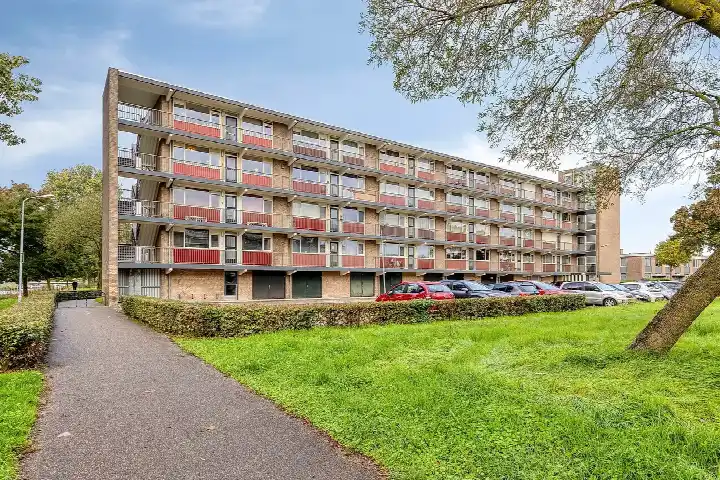
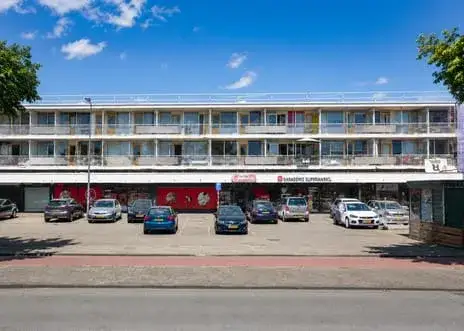
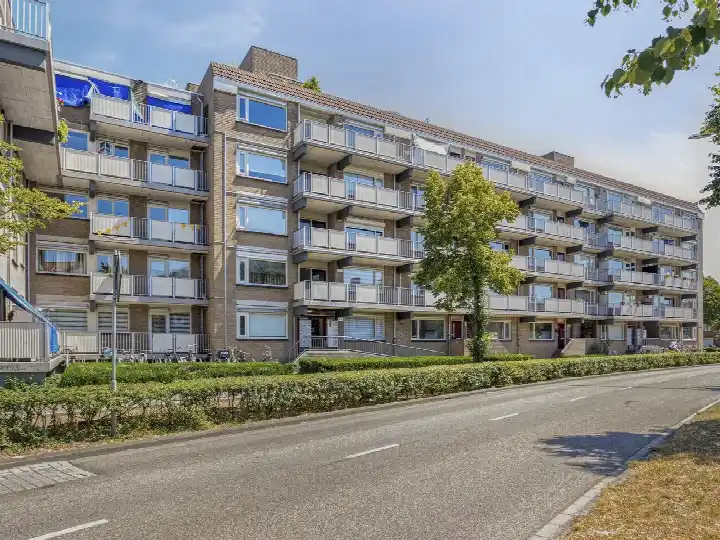
Auto-translated to English by AIThe housing stock is mainly post-war — 54% was built between 1945 and 1990. In addition, the most common type is flats (43%).
Over the past year a home for sale in Graafsepoort was listed for an average of €475,975 (€4,917 per m²). That is 10% below the Dutch national average. Last quarter prices fell by 9%.
A rental home in Graafsepoort cost an average of €1,652 per month (€19 per m²). That is 23% below the national average.
Residents give Graafsepoort a 6.8 out of 10 based on 6 reviews. Especially accessibility (8.8) scores well; community (5.8) receives the lowest rating.
Wijk Graafsepoort has 14,075 residents. The largest age group is 25 to 45 years (30%).
From Graafsepoort you can on average reach a supermarket at 0.6 km, a GP at 0.6 km, a railway station at 3.5 km, a primary school at 0.8 km (as the crow flies, source: CBS).
Right now you will find 66 homes for sale and 6 homes for rent in Graafsepoort.