





3 rental homes in Beemster, Purmerend
Looking for a rental property in Beemster? Check the current listings on this page and discover what the neighbourhood has to offer.


Renting in Beemster: a scarce private sector with hefty prices
Beemster has traditionally been an owner-occupied neighbourhood. Of the more than 4,500 homes, only 23% are rental properties, the majority of which are owned by housing associations (17%). The private sector is therefore small: only 5% of the housing stock is with other landlords. This has consequences for the price. Over the past twelve months, an average of 22 homes per year were rented in the private sector (excluding social housing), at an average rent of €2,092 per month. The range runs from €1,495 to €3,250 per month, with an average floor area of 133 m². By comparison, the average WOZ value in Beemster is €544,000, well above the municipal average of Purmerend (€383,000). This reflects the character of the neighbourhood: rural, spacious and relatively affluent. For current rental prices and the daily changing supply, see the overview at the top of this page.
Beemster: polder tranquillity and family life, far from the city bustle
Those who live in Beemster choose to live outside the city deliberately. The Beemster is a UNESCO World Heritage polder with straight roads, wide skies and detached houses behind hedges. It is not a neighbourhood in the classic sense, but a collection of small villages such as Middenbeemster, Noordbeemster, Westbeemster and Zuidoostbeemster, each with its own village character. The largest age group is 45 to 65 years old, and almost 43% of households have children. That says a lot about the atmosphere: quiet, green and family-oriented.
On the neighbourhood page of Beemster you can read what residents themselves write about their area. A recurring theme in the reviews is the peace and space. Residents appreciate the low building density, the cycle routes through the polder and the feeling that you are away from the city, while Purmerend is a quarter of an hour's drive away. There is also criticism: the limited public facilities in the smaller villages, the dependence on the car and the almost complete lack of restaurants within walking distance are often mentioned. Those without a car notice this quickly. Bus connections exist, but are not always frequent. For daily groceries, you rely on the supermarket in Middenbeemster or drive to Purmerend.
The average income in Beemster is €43,900 per year, clearly above the municipal average of €36,700. This translates into a neighbourhood that looks well-maintained: little decay, well-kept gardens, and a high labour participation rate of 70%. For those looking for a rental home in a green, quiet environment with sufficient distance from the urban hustle and bustle, Beemster is a serious option. But do not expect lively street life or a café on the corner.
Renting in Beemster: who is this suitable for, and who is it not?
Beemster mainly attracts families and people in their fifties who consciously choose space and tranquillity. Renting an apartment in Beemster is hardly an option: the supply consists almost exclusively of ground-based homes, often spacious in layout. With an average rent of over €2,000 per month in the private sector, renting a house in Beemster is not cheap. For starters or those on a tight budget, the social housing waiting time is a realistic alternative to consider. Those who prefer to buy can find a wider range on the page with homes for sale in Beemster. If you are looking for more urban amenities or more affordable rental properties, neighbourhoods such as Overwhere or Wheermolen in Purmerend are worth considering.
Searching for rental homes in Beemster: how to do it smartly
The supply of rental homes in Beemster is limited and changes quickly. At the top of this page you will find the current supply, filtered by price, floor area and energy label. Buurtje.nl combines this with resident reviews and neighbourhood data, so you not only find a home but also know where you will end up. Also check the broader supply of rental homes in Purmerend or explore neighbourhood information via the municipal page of Purmerend. More information about living and permits can be found on the website of the municipality of Purmerend.
What is the average cost of a rental home in Beemster?
In the private sector (excluding social housing), the average rent in Beemster over the past twelve months was €2,092 per month, with an average living area of 133 m². The range runs from €1,495 to €3,250 per month. These are annual averages; the current supply and daily prices are at the top of the page.
How long is the waiting time for a social rental home in Beemster?
Social rental homes in Beemster fall under the housing associations active in the municipality of Purmerend. Waiting times for social housing in this region can be several years, depending on the type of home and registration period. Registration can be done through the regional housing associations; check the website of the municipality of Purmerend for current information.
Is Beemster easily accessible without a car?
Beemster is a polder area with scattered villages, which means a car is almost indispensable in practice. There are bus routes towards Purmerend, but the frequency is limited, especially outside peak hours. Residents often mention the dependence on private transport as a disadvantage of renting a home in this area.
Are there good schools near a rental home in Beemster?
Beemster has primary schools spread across the villages, including in Middenbeemster. For secondary education, students rely on Purmerend, about ten to fifteen minutes away by car. Families looking for a rental home here usually take this into account when choosing the village.
What kind of homes can you rent in Beemster?
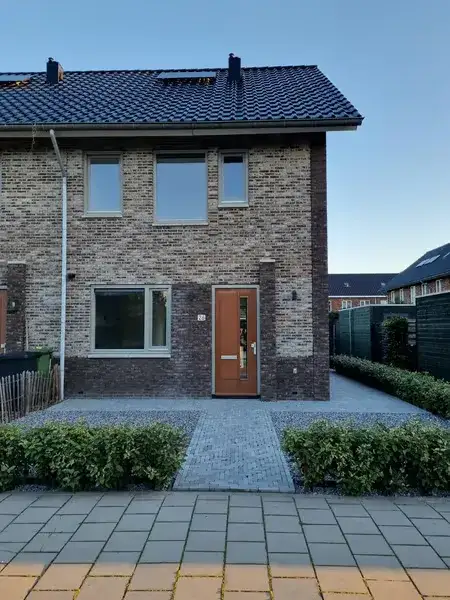
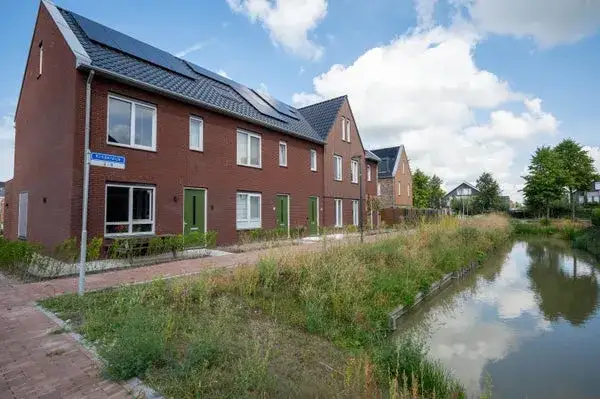
The rental stock in Beemster consists almost entirely of ground-based homes: detached houses, semi-detached houses, and terraced houses. Renting an apartment in Beemster is hardly possible given the nature of the buildings. The average rental area of 133 m² in the private sector confirms that these are spacious homes, which also explains the higher rents.