Rental homes in BurgemeesterTellegenbuurt-West, Amsterdam
Are you looking for a rental property in BurgemeesterTellegenbuurt-West? Check the current listings on this page and discover if this quiet Amsterdam neighbourhood suits you.
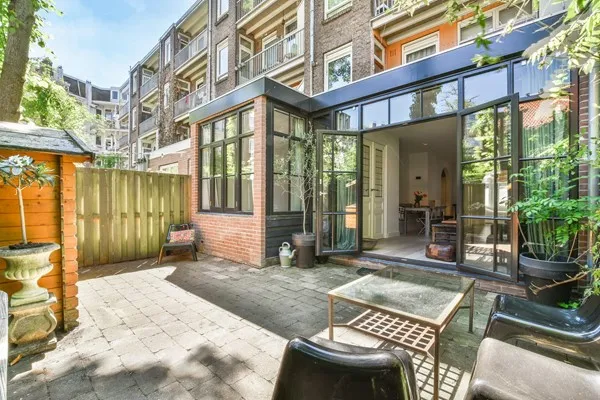
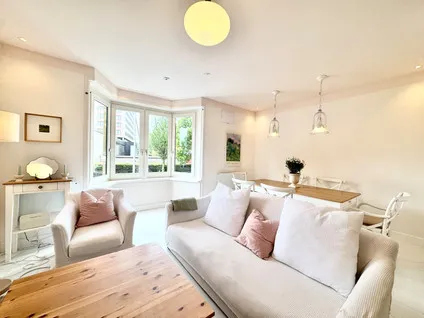

Rental prices and market figures for BurgemeesterTellegenbuurt-West, Amsterdam
BurgemeesterTellegenbuurt-West is predominantly a rental neighbourhood: 87% of the more than 1,300 homes are rental properties, with only 13% owner-occupied. This makes the chance of finding a rental home here higher than in many other Amsterdam neighbourhoods, although there is an important distinction. As much as 78% of the total housing stock is owned by housing corporations, meaning the vast majority of rental homes in BurgemeesterTellegenbuurt-West are social housing. The private sector is limited: only about 10% falls under other landlords.
In the private sector (excluding social housing), the average rent in BurgemeesterTellegenbuurt-West over the past year was approximately €1,744 per month, based on four rented homes. The range ran from €1,228 to €2,000 per month, with an average living area of 80 m². That works out to about €21.80 per m². The average WOZ value of homes in this neighbourhood is €500,000, slightly below the district average of Zuid Pijp (€502,000) and clearly below the Amsterdam average of €517,000. Rental homes in BurgemeesterTellegenbuurt-West are thus similarly priced in the private sector compared to the rest of the district. Note: the number of private-sector rentals is small, so figures may fluctuate. Check the current listings and daily prices at the top of this page.
Living in BurgemeesterTellegenbuurt-West, Amsterdam
BurgemeesterTellegenbuurt-West is located in the district Zuid Pijp, in the southern part of Amsterdam, bordering the Pijp. The neighbourhood has a quiet, somewhat subdued character compared to the hustle and bustle of the Pijp itself. The streets are clear, and the buildings largely consist of pre-war and early post-war porch flats and closed building blocks, typical of Amsterdam's urban expansion in the first half of the twentieth century. You will find little new construction here: the neighbourhood is complete, built-up and stable. This gives a certain familiarity, but also little dynamism in the housing supply.
Facilities in the neighbourhood
The Albert Cuypmarkt, one of the largest and most famous daily markets in the Netherlands, is within cycling distance. For daily groceries, there are supermarkets in the immediate vicinity, including an Albert Heijn on Ferdinand Bolstraat and further options along Van Woustraat. The neighbourhood itself is compact, but the adjacent shopping streets offer more than enough for daily use. There is no shortage of schools: several primary schools are located in and around the neighbourhood, and secondary schools are easily accessible by public transport. For sports and green spaces, Sarphatipark is within walking distance, a popular park among residents for a walk or a game of pétanque. Amstelpark and Beatrixpark are quickly reachable by bike for those seeking more space.
Accessibility
The accessibility of BurgemeesterTellegenbuurt-West is good, although it is not a neighbourhood with a metro station right around the corner. Tram 4 runs via Ferdinand Bolstraat towards the city centre and Amsterdam Central Station, and tram 12 is also nearby. Metro station Europaplein (line 52) is a short bike ride away and offers a fast connection to North and the centre. By bike, you can reach Dam Square in ten to fifteen minutes. By car, the A10 (Amsterdam ring road) is quickly accessible via Amstelveenseweg or Stadhouderskade. Parking in this neighbourhood is only possible with a resident's permit, and waiting lists for these are a reality. More information about parking permits can be found at amsterdam.nl.
Residents appreciate the quiet location and the proximity of facilities. On the neighbourhood page of BurgemeesterTellegenbuurt-West, a resident writes: "You live here quietly, but everything is close by. The Pijp is around the corner, but you don't have any trouble from it." Criticisms sometimes concern parking pressure and the limited supply of private-sector rental homes. Compared to the nearby Burgemeester Tellegenbuurt-Oost, the character is similar, although the exact street layout differs. The Diamantbuurt a bit further south has a similar corporation profile but a slightly different atmosphere, less centrally located. Anyone considering renting a home in BurgemeesterTellegenbuurt-West would do well to also explore those neighbourhoods.
Does renting in BurgemeesterTellegenbuurt-West suit you as a tenant?
The neighbourhood mainly attracts people between 25 and 45 years old, with a large group of single-person households (more than 800 of the approximately 2,170 residents). This fits a neighbourhood with many smaller apartments and an urban profile. Families also live here, but the neighbourhood is not particularly child-rich. Seniors (65+) form a present group with 440 residents, indicating a certain social stability. The average income is €31,800, below the Amsterdam average of €44,276, which is partly explained by the large share of social housing and the mix of residents. For those considering renting an apartment in BurgemeesterTellegenbuurt-West in the private sector, quick response is essential: the supply is limited and homes go fast. Make sure you have income documents, employer's statement and ID ready. For social housing, registration via WoningNet applies, sometimes with years-long waiting times. For those buying instead of renting: also check the homes for sale in BurgemeesterTellegenbuurt-West as an alternative.
What residents say about BurgemeesterTellegenbuurt-West
Residents describe the neighbourhood as quiet and clear, with the liveliness of the Pijp within reach but without the associated street bustle. The mix of long-term residents and younger tenants gives the neighbourhood a mixed character. One resident writes: "Ideal if you love Amsterdam but don't want to be in the middle of the action. Everything is accessible, but your street is just quiet." Less positive are comments about parking pressure and the limited available rental homes in the private sector. See all reviews and full neighbourhood data on the neighbourhood page of BurgemeesterTellegenbuurt-West.
Compare rental homes in and around BurgemeesterTellegenbuurt-West
If you are looking for a rental home in this corner of Amsterdam, it is worth also looking at Burgemeester Tellegenbuurt-Oost and the Diamantbuurt, both in the same district with a similar corporation profile. Those who want to live more centrally can look at the supply in the Jordaan or the Haarlemmerbuurt, although rents there are generally higher. For a broad overview of all available rental homes in Amsterdam, you can visit the page with rental homes in Amsterdam. Buurtje.nl combines current housing supply from more than 1,500 sources with resident reviews and neighbourhood data, so you not only find a home but also know whether the neighbourhood suits you. Also check the broader supply of rental homes in Zuid Pijp for a complete picture of this popular Amsterdam district.
Frequently asked questions
What is the average rent in BurgemeesterTellegenbuurt-West, Amsterdam?
In the free sector (excluding social housing), the average rent in BurgemeesterTellegenbuurt-West over the past year was €1,744 per month, with a range of €1,228 to €2,000 per month. The average living area was 80 m², which works out to about €21.80 per m². Social housing is significantly cheaper, but waiting lists via WoningNet apply.
Are there social housing properties in BurgemeesterTellegenbuurt-West?
Yes, BurgemeesterTellegenbuurt-West has a large share of social housing: 78% of all homes are owned by housing corporations. These are the largest providers of social housing in Amsterdam. You register via WoningNet (woningnet.nl). Expect waiting lists of several years, depending on your registration time and property type.
What is it like to live in BurgemeesterTellegenbuurt-West?
BurgemeesterTellegenbuurt-West is described by residents as quiet and orderly, with the liveliness of the Pijp nearby but without the street bustle. The neighbourhood consists largely of pre-war porch flats and closed building blocks. Residents appreciate the central location and proximity to Sarphatipark and Albert Cuypmarkt. Criticism sometimes focuses on parking pressure and the limited free-sector supply.
Is BurgemeesterTellegenbuurt-West suitable for starters and singles?
Yes, the neighbourhood is popular among singles and young starters: more than 800 of the approximately 2,170 residents live in single-person households, and the largest age group is 25 to 45 years. The supply consists mainly of apartments, which suits this target group well. For social housing, registration time with WoningNet is crucial; in the free sector, quick response to listings is essential.
How accessible is BurgemeesterTellegenbuurt-West?
The neighbourhood is well connected by public transport: tram 4 and tram 12 run towards the city centre, and Europaplein metro station (line 52) is a short bike ride away. By bike, you can reach Amsterdam city centre in ten to fifteen minutes. By car, the A10 is easily accessible via Amstelveenseweg. Parking is only possible with a resident's permit.
What amenities are there in BurgemeesterTellegenbuurt-West?
The neighbourhood has good coverage of amenities. Albert Cuypmarkt and the shops along Ferdinand Bolstraat and Van Woustraat are within walking distance. There are several primary schools in the area, and Sarphatipark offers green space and recreation nearby. For sports and more extensive recreation, Amstelpark and Beatrixpark are accessible by bike.
How quickly are rental properties rented out in BurgemeesterTellegenbuurt-West?
The free-sector supply in BurgemeesterTellegenbuurt-West is limited: only four free-sector properties were rented out in the past year. As a result, properties generally go quickly. Make sure you have documents ready, such as an employer's statement, recent payslips, and a valid ID. Check the current rental time in days at the top of this page for the most recent status.