





10 rental homes in De Aker, Amsterdam
View the current rental property listings in De Aker, Amsterdam. Compare prices, read resident reviews, and find a rental property that suits you.




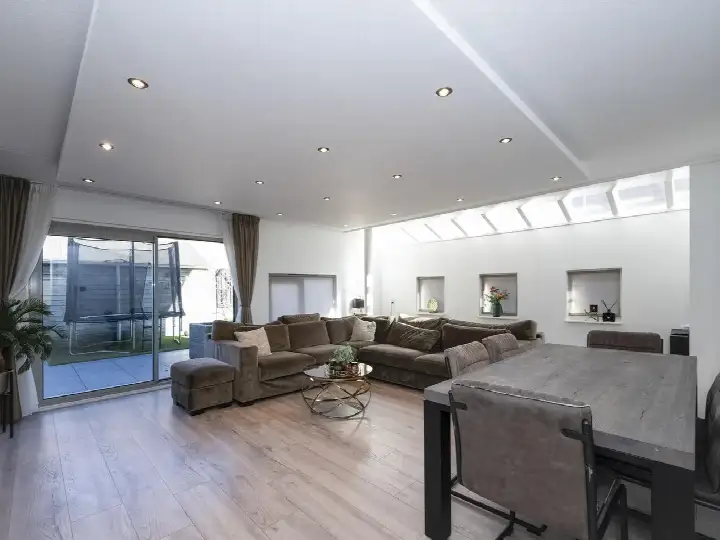



What does a rental property cost in De Aker?
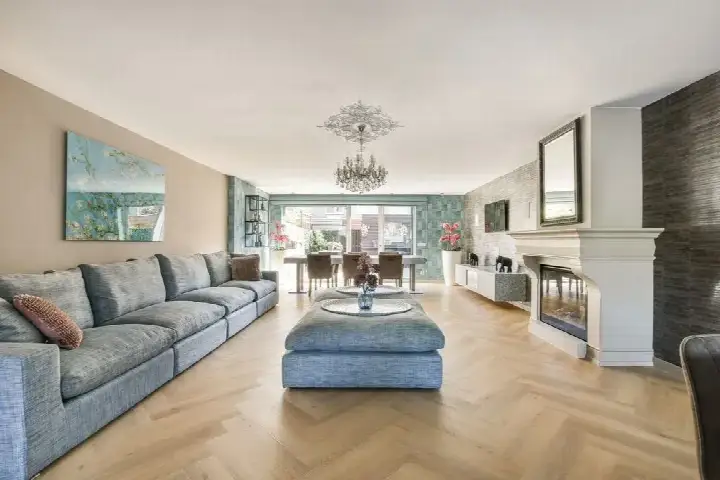
De Aker is a neighbourhood where owner-occupied and rental properties are fairly balanced: 54% of the more than 5,400 homes are owner-occupied, 46% are rental properties. Of that rental segment, 29% is owned by housing associations and 17% by other landlords. The average WOZ value is €534,000, just above the Amsterdam average of €517,000. This translates into substantial rents in the free sector. Over the past twelve months, 154 homes were rented out at an average rent of €2,075 per month, with an average floor area of 70 m². The range is considerable: from €675 for a compact apartment to €7,500 for the most spacious options. Bear in mind that these are annual averages for the free sector, excluding social housing. At the top of this page you will always find the current daily price and the current supply.
Living in De Aker: family neighbourhood with rough edges
De Aker was largely built in the 1990s as part of the large Nieuw-West expansion. It is a neighbourhood with wide avenues, low-rise buildings, terraced houses and the occasional apartment block. The largest group of residents is between 45 and 65 years old, and with 2,580 households with children, it is clearly a family neighbourhood. You notice this: during the day there are pushchairs on the paths along the Lutkemeersloot and after school the playgrounds around the Aker Plein fill up. Shopping centre De Aker on Pieter Calandlaan offers daily groceries, and along the Osdorper Ban there are various eateries and small shops.
Yet not everything is rosy. Residents on the neighbourhood page of De Aker give the area a 6.1 out of 10. Accessibility (7.7) and amenities (7.7) score best, but on cleanliness (4.3) and sense of community (5.0) the neighbourhood falls short. Resident Ria calls De Aker a "mixed bag" and writes that the area is deteriorating: "People just dump their rubbish and mess in places where it doesn't belong." Loïs is even more critical and rates the neighbourhood a 5.1: "I am often harassed by young people. There is a lot of litter and plastic on the streets." The safety score of 6.0 confirms that picture. It is fair to say that litter and nuisance from young people are recurring complaints, especially in the evenings around the shopping centre.
In terms of accessibility, De Aker scores well. De Aker metro station (line 50, soon to be renamed under the North/South line extension) takes you to Central Station in about 25 minutes. By car, you can quickly reach the motorway via the A4 and A9. Within the neighbourhood you can make a distinction: in De Aker-West you will find the newer homes closer to the Osdorpplein, while De Aker-Oost lies more towards the Sloterplas. The Middelveldsche Akerpolder is the green, watery part with a bit more space between the homes. For schools, residents score a 6.7, which fits with the range of primary schools such as de Rietlanden and de Achtsprong. More information about neighbourhood plans and maintenance of public spaces can be found on the website of the municipality of Amsterdam.
Renting in De Aker: for whom and for whom not?
With an average income of €40,700 (lower than the Amsterdam average of €44,276) and a labour participation rate of 64%, De Aker is not an expat enclave. The neighbourhood mainly attracts families looking for space at a more reasonable price than in the city centre, and older residents who have lived there for years. Are you a young professional looking for vibrancy, nightlife and a bustling street scene? Then the Jordaan or the Haarlemmerbuurt would suit you better. A rental home in De Aker is particularly interesting if you prefer square metres over atmosphere, or if you are on the waiting list for a housing association home in Nieuw-West. Would you rather consider buying? Then take a look at the supply of homes for sale in De Aker, where the average WOZ value of €534,000 is still relatively affordable for Amsterdam.
Searching for a rental property in De Aker and surroundings
On Buurtje.nl you will find the current rental supply in De Aker, including filters on price, floor area and energy label. You can directly compare with resident experiences and neighbourhood statistics. Would you like to broaden your search? Then also check the rental supply in all of Amsterdam, or see what is available in the historic Grachtengordel-West or the lively Burgwallen-Nieuwe Zijde. This way you can discover which neighbourhood truly suits you.
What is the average rent for a rental home in De Aker?
In the free sector, the average rent in De Aker over the past year was €2,075 per month, with an average floor area of 70 m². The range runs from €675 to €7,500 per month. Social housing via housing corporations (29% of the stock) falls outside this.
Is De Aker a safe neighbourhood to look for a rental home?
Residents rate safety in De Aker at 6.0 out of 10. Several residents report nuisance from young people and litter on the streets, especially around the shopping centre. It is not an unsafe neighbourhood, but liveability is under pressure according to recent reviews.
How is the accessibility if I consider renting an apartment in De Aker?
Accessibility scores a 7.7 among residents. De Aker metro station takes you to Amsterdam Central in about 25 minutes. Via the A4 and A9 you are quickly on the motorway towards Schiphol or Haarlem. Bus lines connect the neighbourhood with Osdorp and the Centre.
Are there many families renting a home in De Aker?
Yes, De Aker is a pronounced family neighbourhood. Of the more than 6,200 households, 2,580 have children, the largest category. There are several primary schools and playgrounds in the area. Education receives a 6.7 from residents.
How long is the waiting time for social housing in De Aker?
About 29% of homes in De Aker are owned by housing corporations. The waiting time for social housing in Amsterdam runs via WoningNet and averages more than 10 years, depending on housing type and location. For the free sector, there is no waiting list, but competition is high with 154 rental homes rented out in the past year.
Used to be a nice neighbourhood but it's going downhill due to people's behaviour, hygiene and antisocial behaviour. People just throw their rubbish and other junk in places where it doesn't belong.
Auto-translated to English by AII am often harassed by young people. There is a lot of rubbish and plastic on the streets.
Auto-translated to English by AINice neighbourhood to live in, could use a bit of sprucing up, but that keeps being postponed by the municipality for various reasons (for 12 years now), giving the neighbourhood a run-down appearance.
Auto-translated to English by AI