Rental homes in Drenthe
Find a rental property in Drenthe and compare municipalities on price, space and neighbourhood scores. On average you pay €1,306/month for 142 m² in the private sector.

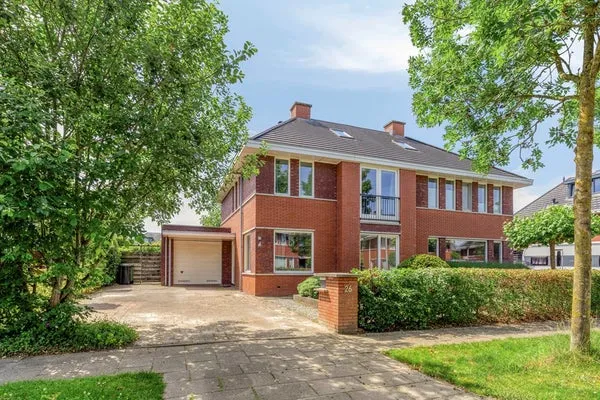
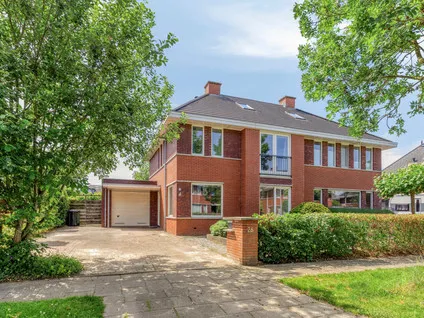
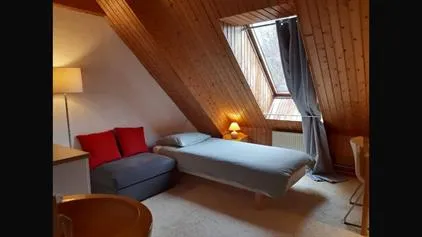
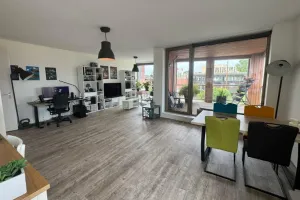
What does renting cost in Drenthe and how does the market work?
Drenthe is a province where you can still live relatively affordably, especially compared to the Randstad. Of the more than 227,000 homes in the province, about 34% are rental properties and 66% are owner-occupied. Nearly a quarter of all homes (24%) are owned by housing associations, while about 10% are offered by private or other landlords. The average WOZ value is around €295,000, which is well below the national average. In the free sector, you pay an average of €1,306 per month for a rental property, with an average floor area of 142 m². That is remarkably spacious: for that money, you get significantly fewer square metres in many other provinces. The range is wide, from small apartments around €350 per month to spacious detached houses heading towards €2,000 or more.
However, there are clear price differences within Drenthe. In and around larger towns such as Assen and Emmen, rental prices are higher than in the smaller villages in the south or east of the province. Those willing to live a bit more rurally can still find real bargains here. At the same time, the supply in the free sector, with around 606 rented properties in the past year, is not enormous, so some flexibility helps when searching for rental properties in Drenthe.
Comparing municipalities: from Emmen to Meppel
Drenthe has twelve municipalities, each with its own character. Residents give the province an average of 7.8 out of 10 based on 146 reviews. Below we highlight the most important municipalities so you get a good idea of where best to rent.
Emmen: the largest municipality with surprisingly much green
Emmen is the largest municipality in Drenthe with over 109,000 inhabitants. The city has a wide range of rental properties, from apartments in the centre to terraced houses in the suburbs. Residents rate Emmen an 8.1 out of 10, which is remarkably high for a city of this size. The proximity of Wildlands Adventure Zoo, the centre with shops and the green surroundings are often mentioned as plus points. One resident wrote: "You have everything you need here, without the hustle and bustle of a big city." The downside: employment opportunities are more limited than in the Randstad, although companies such as Teijin Aramid and the Scheper Hospital do provide jobs in the region.
Assen: the provincial capital with urban amenities
Nearly 70,000 people live in the provincial capital Assen. With a resident score of 7.7, Assen scores solidly. The train station offers a direct connection to Groningen and Zwolle, making Assen more attractive for commuters. The centre is compact but complete, with the Drents Museum as a cultural highlight. Renting an apartment in Drenthe is relatively easy here because the supply in Assen is larger than in most other municipalities. The TT Circuit provides a unique atmosphere annually, but outside the event season, Assen is a quiet, orderly city.
Meppel: the highest-rated municipality
With a score of 8.6 out of 10, Meppel is the best-rated municipality in Drenthe. The city on the Drentsche Hoofdvaart has about 35,800 inhabitants and combines a cosy historic centre with good accessibility. Meppel is close to the A28 and A32 and has a train station with connections to Zwolle, Leeuwarden and Groningen. Residents praise the atmosphere, the shops and the annual Donderdag Meppeldag. Those looking for a rental home here need patience: the supply is smaller than in Emmen or Assen, but resident satisfaction is high.
Hoogeveen: affordable living with good connections
Hoogeveen is the third municipality in Drenthe with 56,500 inhabitants. Residents give it a 7.6 and cite affordability and its location on the A28 as strong points. The city has a wide range of shops, sports facilities and its own hospital. For families considering renting a home in Drenthe, Hoogeveen is a practical choice: prices are lower than in Assen, while you still have all daily amenities within reach.
In addition to these four larger municipalities, Drenthe has a number of smaller municipalities, each with its own charm. Coevorden (score: 7.0) is a fortified town with a rich history, but residents note that the range of shops is more limited. Tynaarlo (7.7) is strategically located between Assen and Groningen and is popular with commuters. Midden-Drenthe (7.5) offers a village character with sufficient amenities in places like Beilen and Westerbork. In Noordenveld (7.2) you will find Roden and Norg, popular with those seeking peace and quiet but not too far from Groningen.
The more rural municipalities of Borger-Odoorn (7.0) and Aa en Hunze (7.6) are ideal for those who really want space and nature. Here you will find the dolmens, vast heathlands and the Drentsche Aa area. The rental supply is smaller, but the homes are often more spacious and cheaper. De Wolden and Westerveld in the southwest and west are the least densely populated municipalities. Here, renting in Drenthe is at its most rural: plenty of space, little bustle, but also fewer amenities and longer travel times.
Who is a rental property in Drenthe suitable for?
Drenthe attracts different types of tenants. Families looking for space at an affordable price will find what they need here. The average disposable income is around €34,200, and rental prices are better aligned with that than in many western provinces. First-time buyers renting a home in Drenthe find more square metres for their budget, although the supply in the free sector is not abundant. Seniors appreciate the peace and village character of many Drenthe municipalities.
To be fair: Drenthe is not for everyone. Employment opportunities are more limited than in the Randstad, and for specialised jobs you often have to travel to Groningen, Zwolle or further. Public transport outside the larger towns is poor, so a car is necessary in many cases. And if you are looking for a vibrant nightlife or a wide cultural offering, you would be better off in Groningen city. If you are still considering buying, also check out the supply of owner-occupied homes in Drenthe, because with an average WOZ value of €295,000, buying is achievable for many people here. More information about living and life in the province can also be found on the website of the Province of Drenthe.
Searching for a rental property in Drenthe via Buurtje.nl
On Buurtje.nl you will find the current rental supply in all twelve Drenthe municipalities. Filter by price, floor area or municipality and see directly what is available. In addition to property listings, Buurtje.nl also offers resident reviews and neighbourhood data, so you not only find a home but also choose the right neighbourhood. Whether you are considering renting an apartment in Drenthe or looking for a spacious rental house in the countryside, the combination of supply and neighbourhood information helps you make a well-informed choice.
Frequently asked questions
What is the average rent for a rental property in Drenthe?
In the private sector, you pay an average of €1,306 per month for a rental property in Drenthe. For that, you get an average living area of 142 m². Prices vary widely: from around €350 for a small apartment to well over €2,000 for a large detached house.
Which municipality in Drenthe is rated best by residents?
Meppel scores the highest of all Drenthe municipalities with an 8.6 out of 10. Residents appreciate the cosy centre, good train accessibility and compact but complete amenities. Emmen follows with an 8.1 out of 10.
Where can I find the cheapest rental home in Drenthe?
The lowest rents are generally found in more rural municipalities such as Borger-Odoorn, Coevorden and Aa en Hunze. Here, homes are often more spacious and affordable than in Assen or Meppel. However, keep in mind that the supply is smaller and you almost always need a car.
Is renting a home in Drenthe suitable for commuters?
That depends on your work location. Assen and Meppel have train stations with connections to Groningen and Zwolle. Tynaarlo is conveniently located between Assen and Groningen. From southern Drenthe, you can reach Zwolle in 30-40 minutes by car. For the Randstad, the travel time of 1.5 to 2 hours is quite long.
How large is the rental supply in Drenthe compared to other provinces?
Drenthe has a relatively small rental supply in the private sector: around 606 homes were rented out in the past year. That is limited compared to provinces like North Holland or South Holland. Especially in smaller municipalities, you need to respond quickly when something becomes available. The social housing sector (24% of all homes) often has waiting lists.
Can I rent an apartment in Drenthe or are there mainly single-family homes?
In larger places like Assen, Emmen and Hoogeveen, you will find a mix of apartments and single-family homes. In smaller municipalities and villages, the supply mainly consists of terraced houses and detached homes. The average area of 142 m² shows that rental homes in Drenthe are generally more spacious than the national average.
What are the disadvantages of renting a home in Drenthe?
The main disadvantages are the limited employment opportunities and poor public transport outside the larger towns. A car is essential in many municipalities. The cultural offering and nightlife are more modest than in larger cities. Also, the private rental supply is relatively small, so you may have to search longer.
Which Drenthe municipalities are most popular for families to rent?
Meppel (8.6), Emmen (8.1) and Hoogeveen (7.6) are popular with families due to the combination of affordable rental homes, schools and sports facilities. Tynaarlo is popular with families who want to live close to Groningen but in a green environment. De Wolden and Aa en Hunze offer plenty of space, but fewer amenities within walking distance.
I was born and raised in marsdijk assen. I have lived in this nice neighbourhood for 14 years, which is also because I am 14 years old. I enjoy living here. I generally feel quite safe, except when you go to the anne frank park after 8pm. the atmosphere there is usually grim. it is a very cosy neighbourhood, I definitely recommend people to live here. especially if they have a pretty daughter my age.
Auto-translated to English by AIOn the row where I live, there is a cosy side of the street; every summer we sit outside together.
Auto-translated to English by AIPositive but the neighbourhood around the street where we live is deteriorating. Lower social class rental homes, many foreign people and drug dealing in the area, also known to the police. Furthermore, many facilities in the area, shops, schools, a GP practice and a community centre.
Auto-translated to English by AINeat, quiet neighbourhood with lots of greenery
Auto-translated to English by AIThere's nothing to do. Everything is super expensive in the shops. There's a doctor, pharmacy and bakery. But there's nothing for teenagers to do. Only the spot (cafe), football field, cafe. No activities or workshops for 18 years and older. The street is well lit but behind our house there's an alley and you can't see anything at all. There are a lot of drunk people. There are no neighbourhood parties. Neighbours make a lot of noise at 3am.
Auto-translated to English by AIWonderfully enjoyable place to live
Auto-translated to English by AIGood neighbours, mostly young people with children, also 2 schools, small neighbourhood shop, easily accessible doctor's practice and pharmacy. This is Zwartemeer where I and my husband live. I also live conveniently close to work within walking distance of the clients.
Auto-translated to English by AIAlley not lit by street lamps. Responsibility lies with the housing association. I have a broken little toe from protruding sleepers of a garden in the alley. Ventilation system doesn't work. Draft, mould, water under crawl space. There was also a visit from a company regarding energy level. C was personal, will become B for business. The housing association in question is difficult to communicate with, in my experience. Same with the pavements in the alley and the drain I called the relevant department about, but still need to report it. The neighbourhood. I've only just moved here and what strikes me is that there are no rubbish bins where you can, for example, dispose of your dog's waste. I also see that people dump waste in the private woodland areas where you're allowed to walk, including the poop bags. And then the pavements. Dangerous! And in the neighbourhood itself, people drive too fast. I don't get too worked up about it, but I actually find it quite annoying. The greenery, walking paths, private woods where you can walk are beautiful. With diversity of flora and fauna. But again, I see stepped-on mushrooms, plastic, cans, bottles, and much more. I take with me what I can take. But actually, there should be a bin at the beginning of the path, which is on municipal land. I notice little of the community. I'm quite a loner. When I walk the dog, people are friendly. It has become a reasonably mixed village.
Auto-translated to English by AI