Rental homes in Passeerdersgrachtbuurt, Amsterdam
Looking for a rental property in Passeerdersgrachtbuurt? Check the current listings above and discover what this Jordaan neighbourhood has to offer.

Rental prices and market figures for Passeerdersgrachtbuurt, Amsterdam
Passeerdersgrachtbuurt is predominantly a rental neighbourhood: 62% of the housing stock consists of rental properties, compared to 37% owner-occupied homes. Of those rental properties, 34% are owned by housing associations (social housing), while 27% are in the hands of other landlords (private sector). This means that just over half of all rental properties fall into the private sector.
Rental prices in the private sector are notably high here. Over the past twelve months, 76 private sector homes were rented out at an average rent of €3,138 per month, with an average floor area of 79 m². That works out to around €40 per m² per month. The range runs from €375 to €8,950 per month, indicating that both compact apartments and spacious canal houses are available. These figures are for the private sector, excluding social housing.
By comparison, the average WOZ value in Passeerdersgrachtbuurt is €695,000, well above the district average for the Jordaan (€567,000) and the Amsterdam average of €517,000. The average income of residents (€57,600) is also clearly above the district and municipal averages. For current rental prices of homes available today, see the overview at the top of this page.
Living in Passeerdersgrachtbuurt, Amsterdam
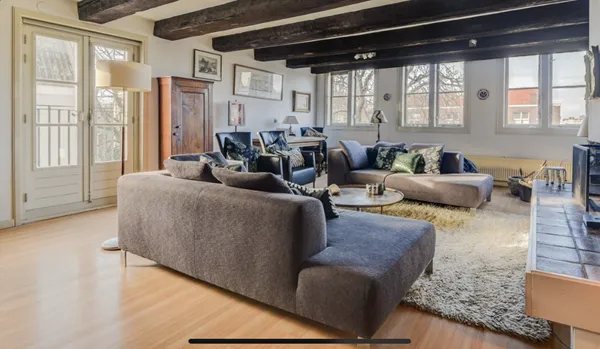
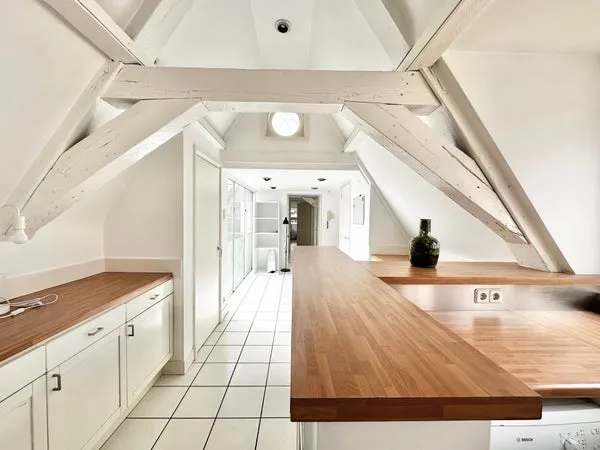
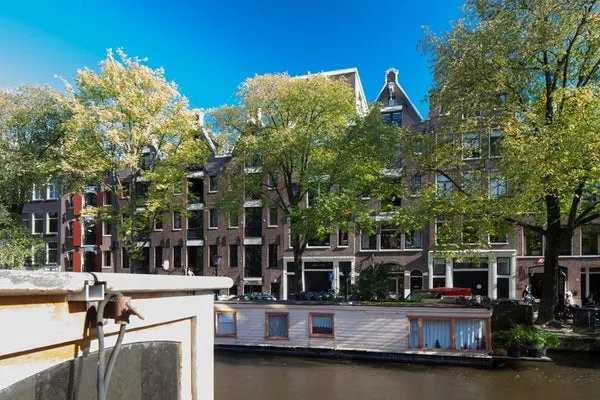
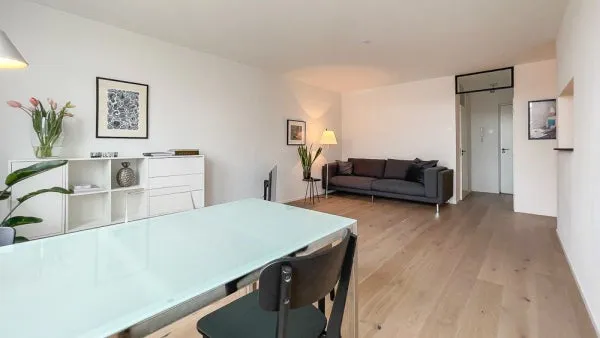
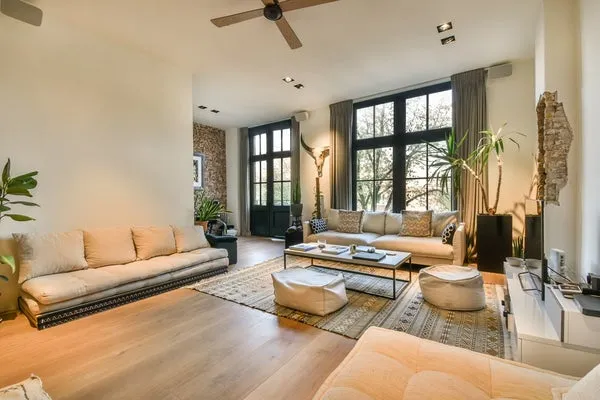
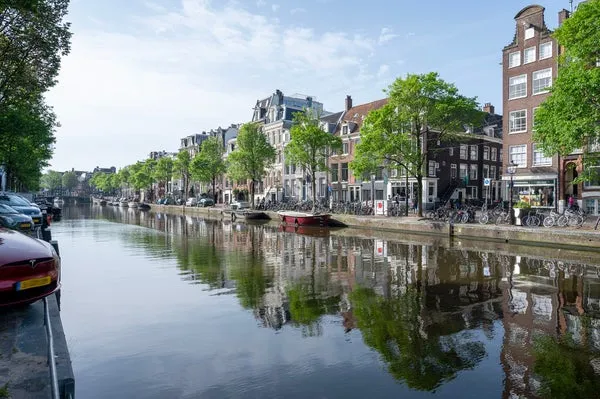
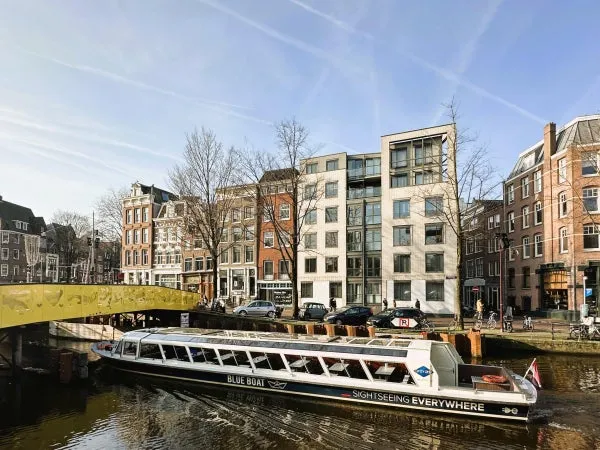
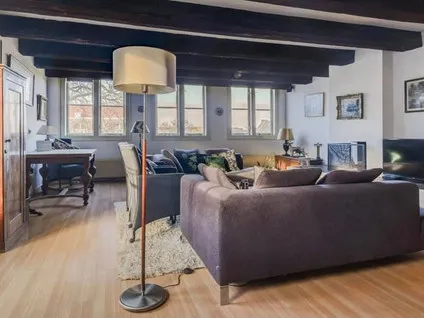
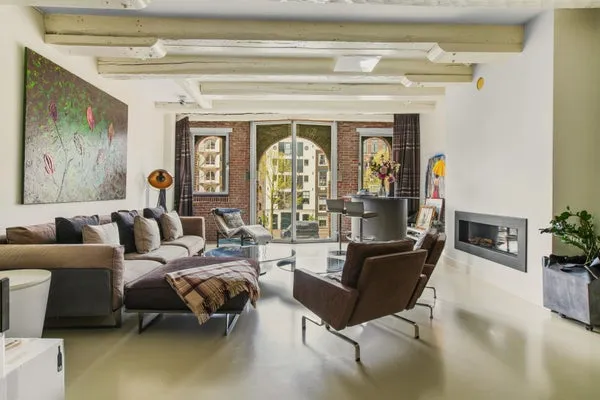
Passeerdersgrachtbuurt lies in the heart of the Jordaan, nestled between the Passeerdersgracht, the Lijnbaansgracht and the Elandsgracht. It is a compact, historic neighbourhood with a distinct character: narrow streets, low canal houses from the seventeenth and eighteenth centuries, and a mix of private homes and small-scale commercial properties. The housing types are almost exclusively apartments, often above shops or in former warehouses, with high ceilings, wooden floors and sometimes a view of the canal. New-build is virtually absent; those who rent here are renting a building with history.
The neighbourhood mainly attracts young to middle-aged adults. The largest age group is 25 to 45 years (365 of the 935 residents), and 63% of residents have a high level of education. Single-person households are by far the majority (425 of the 648 homes). Families with children are scarce, partly due to the small living spaces and high rents.
Facilities in Passeerdersgrachtbuurt
Daily shopping can be done within walking distance. On the Elandsgracht and in the immediate vicinity you will find supermarkets, delicatessens and fresh markets. The Jordaan is known for its shops for design, vintage and art, and these extend into Passeerdersgrachtbuurt itself. For a wider range of shops, the Negen Straatjes is a few minutes' bike ride away.
Primary schools are present in the Jordaan, although the supply is limited due to urban density. Secondary schools and colleges are easily accessible by bike or public transport from the city centre. For sports, there are fitness centres in the neighbourhood, and Vondelpark is about ten minutes away by bike. For swimming, the Marnixbad on Marnixstraat is the nearest option, within walking distance.
In terms of hospitality, Passeerdersgrachtbuurt is well-served: coffee shops, eateries and restaurants alternate, both in the neighbourhood itself and on the adjacent Elandsgracht and Leidsegracht.
Accessibility
The neighbourhood does not have its own metro station, but tram and bus connections are excellent. Tram lines 7 and 19 run via the Elandsgracht, and Leidseplein is within walking distance, from where several tram lines depart towards the city centre and the ring road. Central Station is about fifteen minutes away by bike. By car, you can quickly reach the A10 ring road via the Singelgracht, but parking is a serious issue: the neighbourhood falls entirely within a paid parking zone and permits are scarce. Those who commute by car daily should take this into account. Cycling is in practice the fastest and most used way to get around.
Residents appreciate the central location and the atmosphere of the neighbourhood. On the neighbourhood page of Passeerdersgrachtbuurt, a resident writes: "You live in the middle of Amsterdam but it still feels like a village. Everyone knows each other on the canal." Criticisms that come up are the high rents, the limited supply and the crowds of tourists at weekends.
Compared to neighbouring areas, Passeerdersgrachtbuurt has a quieter and more intimate character than the Marnixbuurt-Noord, which is more focused on through traffic and large-scale urban facilities. The Driehoekbuurt and the Anjeliersbuurt-Noord sometimes offer slightly more accessible rents with a similar Jordaan character. Those specifically looking for rental properties in Passeerdersgrachtbuurt would do well to also include these neighbourhoods in the comparison.
Is renting in Passeerdersgrachtbuurt right for you?
Passeerdersgrachtbuurt is most suitable for singles and couples without children who consciously choose the historic city centre and are willing to pay a substantial rent for it. Expats and highly educated professionals form a large part of the tenants in the private sector. Families with children will find little space here, both literally (small homes) and in terms of facilities for children. Social tenants are dependent on the housing associations active in the Jordaan; waiting lists for these are long. Those looking for a rental home in the private sector must respond quickly: supply is limited and homes are usually rented out within a few days to weeks. Make sure your documents (income statement, employer's statement, ID) are ready immediately. As an alternative to renting, you can also look at homes for sale in Passeerdersgrachtbuurt, although purchase prices here are correspondingly high. For a broader supply in the city, also check the rental properties in Amsterdam as a whole.
What residents say about living in Passeerdersgrachtbuurt
Residents generally rate Passeerdersgrachtbuurt positively, particularly in terms of atmosphere, location and the human scale of the streets. Points that score lower are parking pressure, tourist nuisance at weekends and the availability of affordable homes. One resident describes it as follows: "The canal at your doorstep is different every morning, but the neighbourhood itself is surprisingly stable and quiet for Amsterdam city centre." See all reviews and full neighbourhood data on the resident reviews and neighbourhood information for Passeerdersgrachtbuurt. These are experiences from people who actually live here, something you won't find on any other housing site at neighbourhood level.
Compare rental properties in and around Passeerdersgrachtbuurt
Those considering renting an apartment in Passeerdersgrachtbuurt would be wise to also look at the adjacent neighbourhoods. The Zaagpoortbuurt and Anjeliersbuurt-Zuid border directly on Passeerdersgrachtbuurt and sometimes offer similar supply with a slightly different character. Those who want to search more broadly can visit the overview page for rental properties in Jordaan or similar central districts such as the Grachtengordel-West and the Haarlemmerbuurt. Buurtje.nl combines current housing supply with neighbourhood scores, resident reviews and demographic data from more than 1,500 sources, so you not only find a home but also know whether the neighbourhood suits you. For more information about living and regulations in the city, also see the website of the Municipality of Amsterdam.
Frequently asked questions
What is the average rent in Passeerdersgrachtbuurt, Amsterdam?
In the free sector (excluding social housing), the average rent in Passeerdersgrachtbuurt over the past twelve months was €3,138 per month, with an average living area of 79 m². That works out to approximately €40 per m² per month. Rents ranged from €375 to €8,950 per month, depending on the size and type of property. Social housing through housing associations is considerably cheaper, but there are long waiting lists for these.
Are there social housing properties in Passeerdersgrachtbuurt?
Yes, approximately 34% of the housing stock in Passeerdersgrachtbuurt is owned by housing associations. In Amsterdam, you can register for social housing via Woningnet, the central platform for all Amsterdam association properties. However, waiting times in the Jordaan and surrounding area are long, often several years. Those looking for a rental property on short notice are effectively limited to the free sector.
What is it like to live in Passeerdersgrachtbuurt?
Passeerdersgrachtbuurt has an intimate, historic character with seventeenth- and eighteenth-century canal houses, narrow streets, and a village-like feel in the middle of the city. Residents appreciate the atmosphere, central location, and human scale of the neighbourhood. Criticisms include high rents, scarce parking spaces, and tourist crowds at weekends. The neighbourhood mainly attracts highly educated singles and couples.
Is Passeerdersgrachtbuurt suitable for expats and young professionals?
Yes, Passeerdersgrachtbuurt is popular among expats and young to middle-aged professionals. The largest age group is 25 to 45 years old, 63% of residents have a high level of education, and the average income is €57,600, clearly above the Amsterdam average. The neighbourhood offers a central location, good public transport connections, and an attractive urban environment, but rents in the free sector are correspondingly high.
How accessible is Passeerdersgrachtbuurt?
Passeerdersgrachtbuurt is well accessible by tram via Elandsgracht (lines 7 and 19) and Leidseplein is within walking distance. Central Station is about fifteen minutes away by bike. By car, the A10 ring road is accessible via Singelgracht. However, parking is a bottleneck: the neighbourhood falls entirely within a paid parking zone and permits are difficult to obtain. Cycling is the most practical means of getting around.
What facilities are there in Passeerdersgrachtbuurt?
Daily shopping can be done within walking distance, with supermarkets and specialist fresh food shops in the immediate vicinity. The Negen Straatjes and Elandsgracht offer a wide range of shops, restaurants, and coffee bars. For sports, the Marnixbad is within walking distance and Vondelpark is about ten minutes away by bike. Primary schools are available in the Jordaan, but the selection is limited; secondary schools are easily accessible by public transport or bike.
How quickly are rental properties let in Passeerdersgrachtbuurt?
The supply of rental homes in Passeerdersgrachtbuurt is limited: over the past twelve months, 76 free-sector properties were rented out in the neighbourhood. Due to high demand and scarce supply, properties are generally let quickly. Anyone considering renting a home in Passeerdersgrachtbuurt would do well to respond immediately and have all necessary documents (income statement, employer's statement, ID) ready. See the available rental properties at the top of this page for the most current listings.