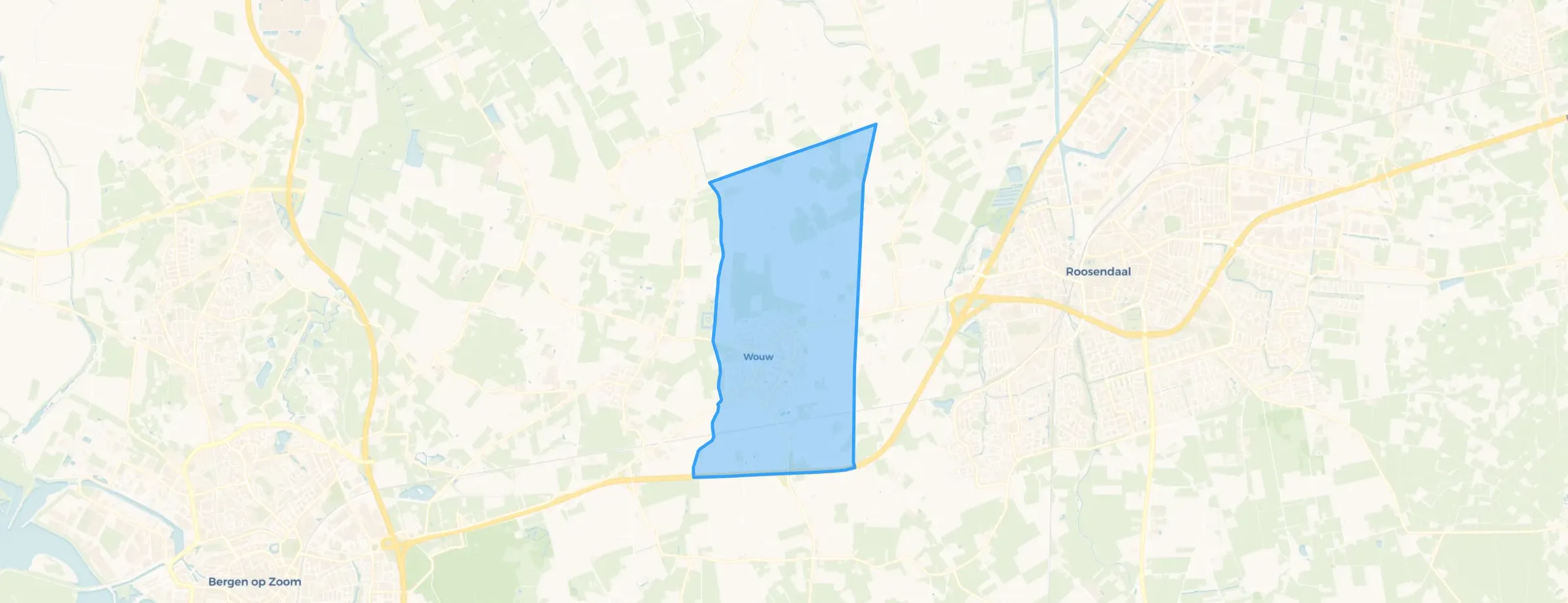
Municipality in Noord-Brabant
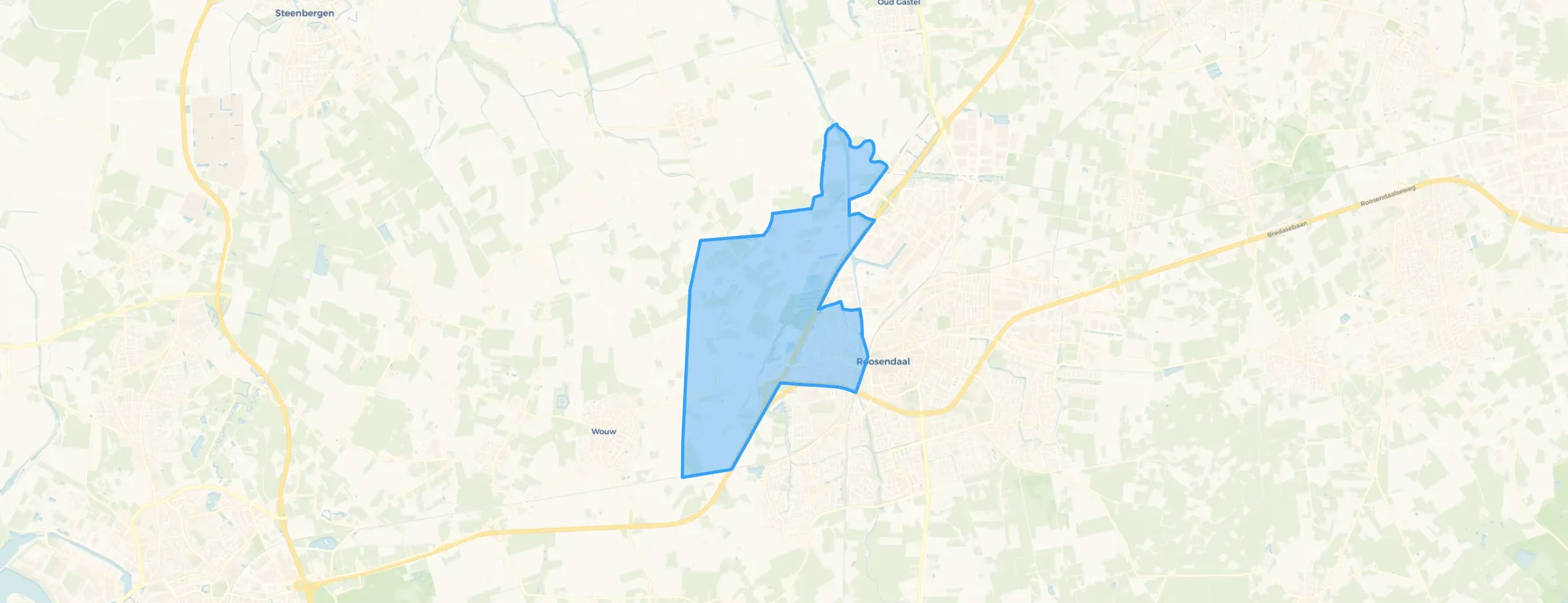
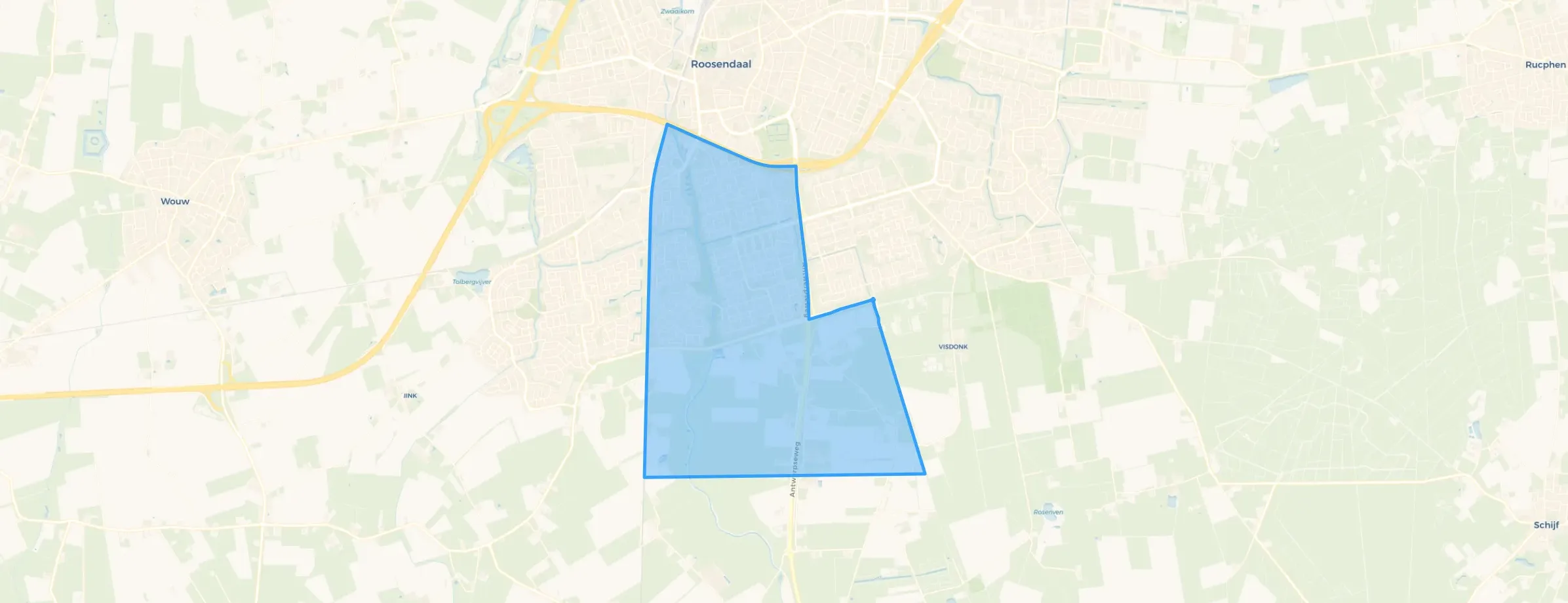
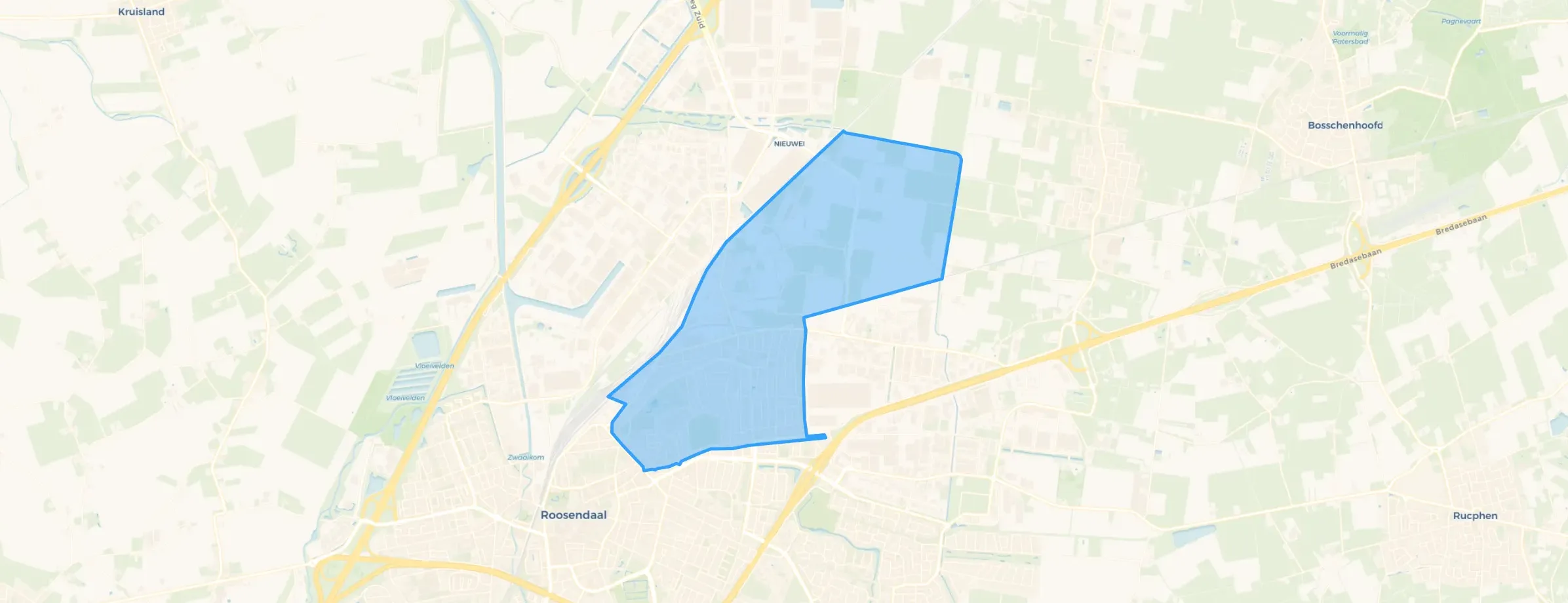
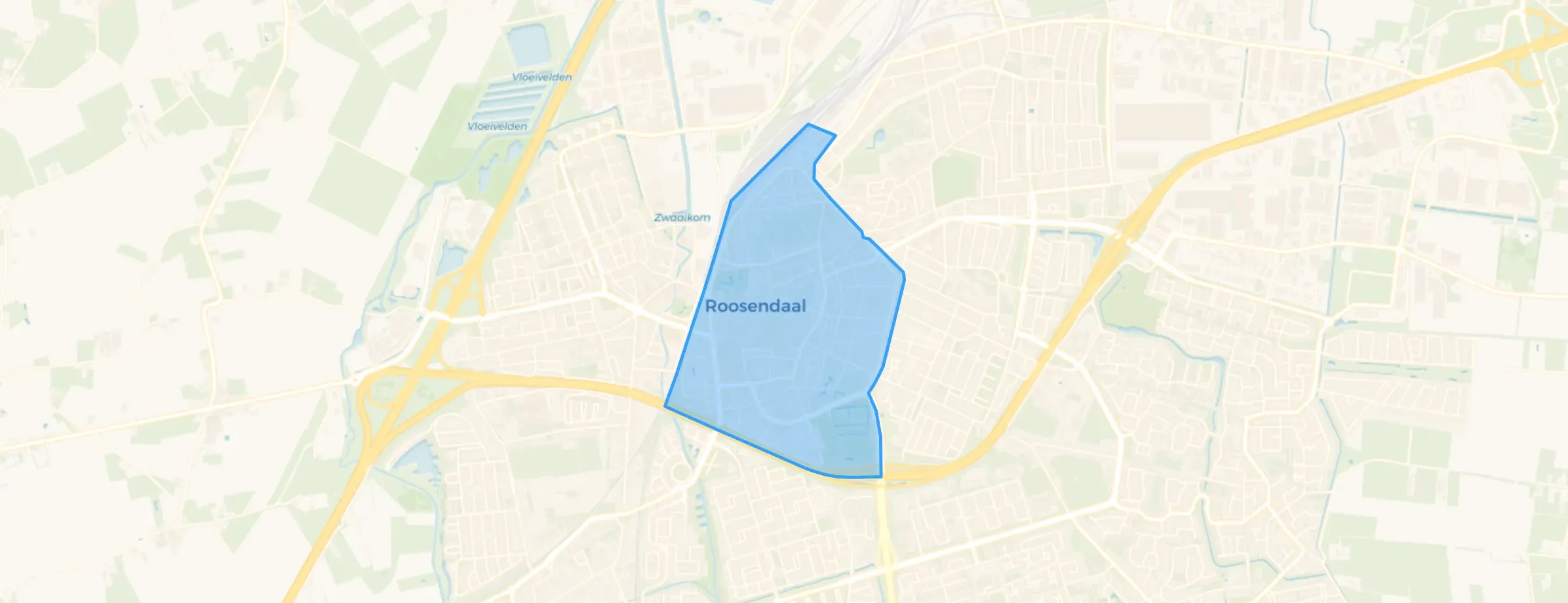
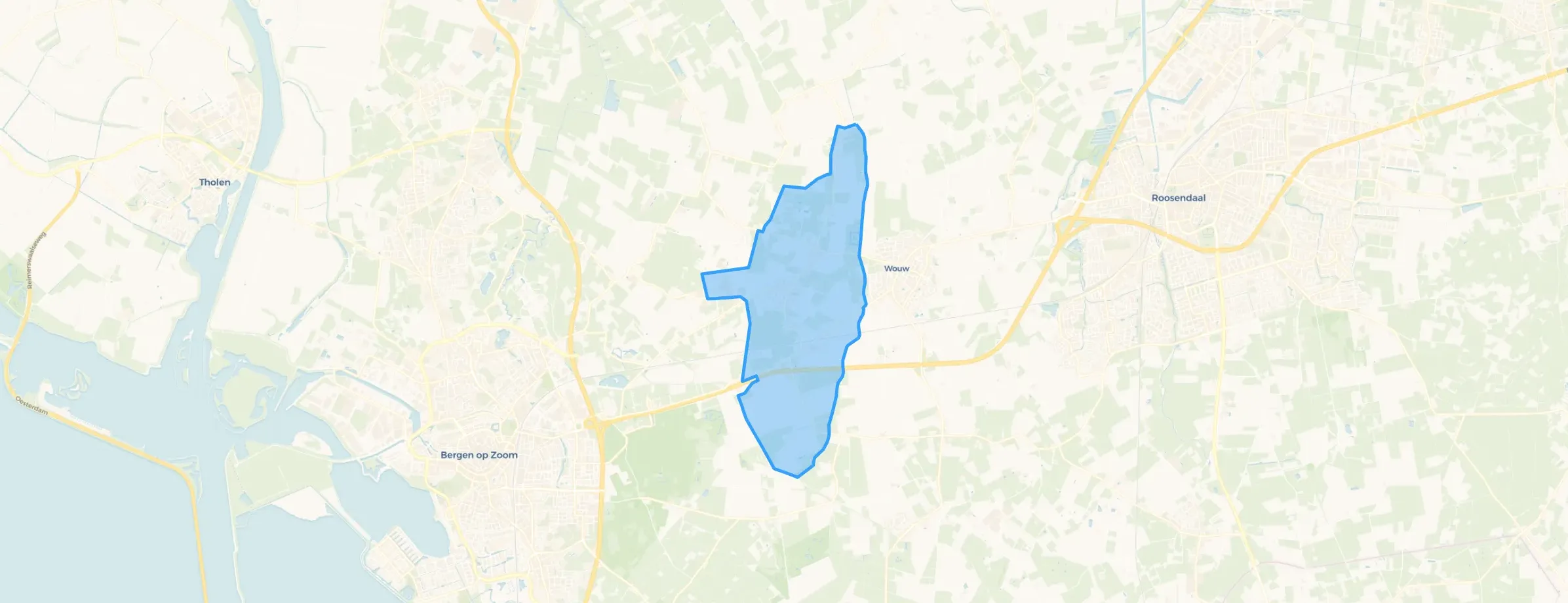
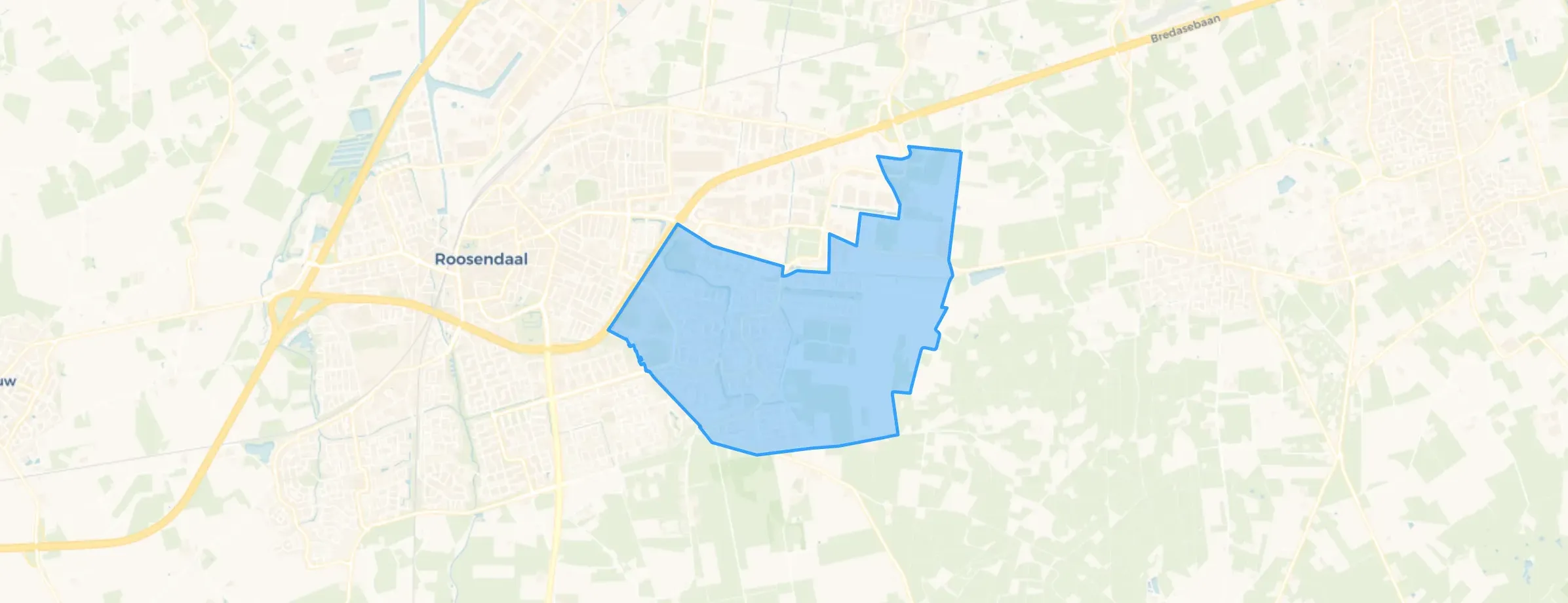
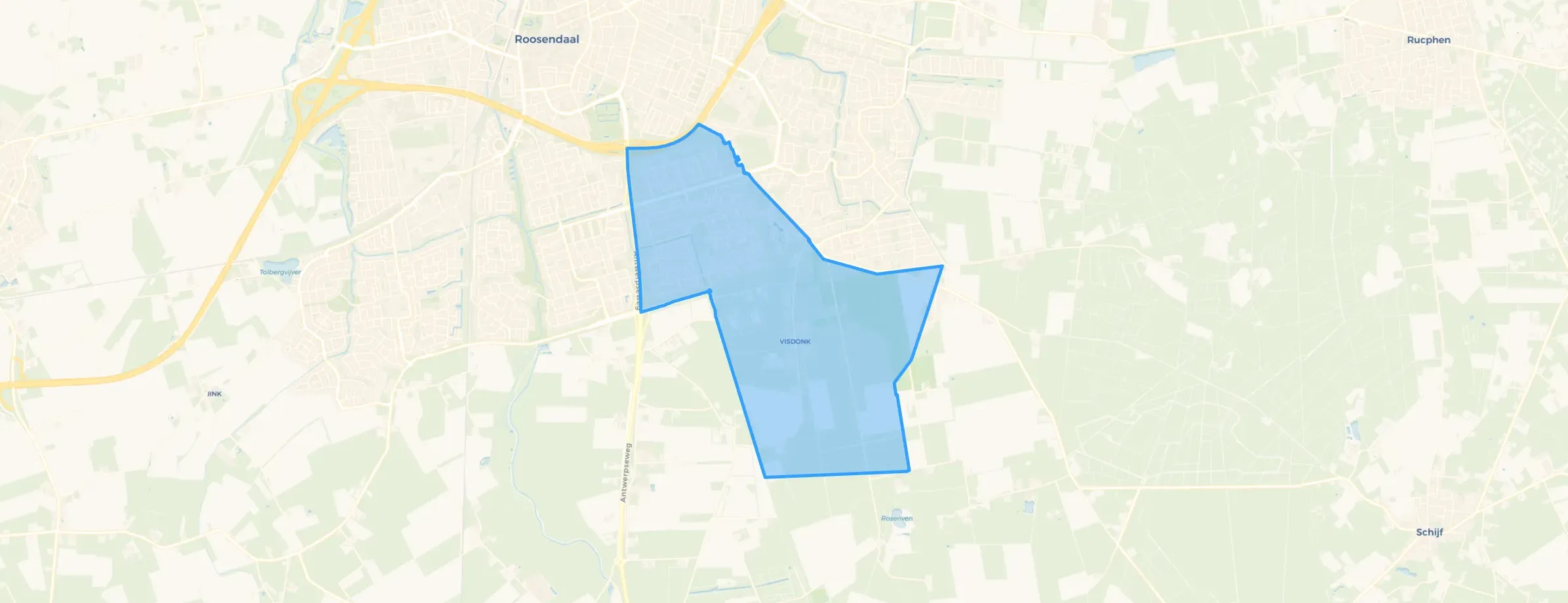
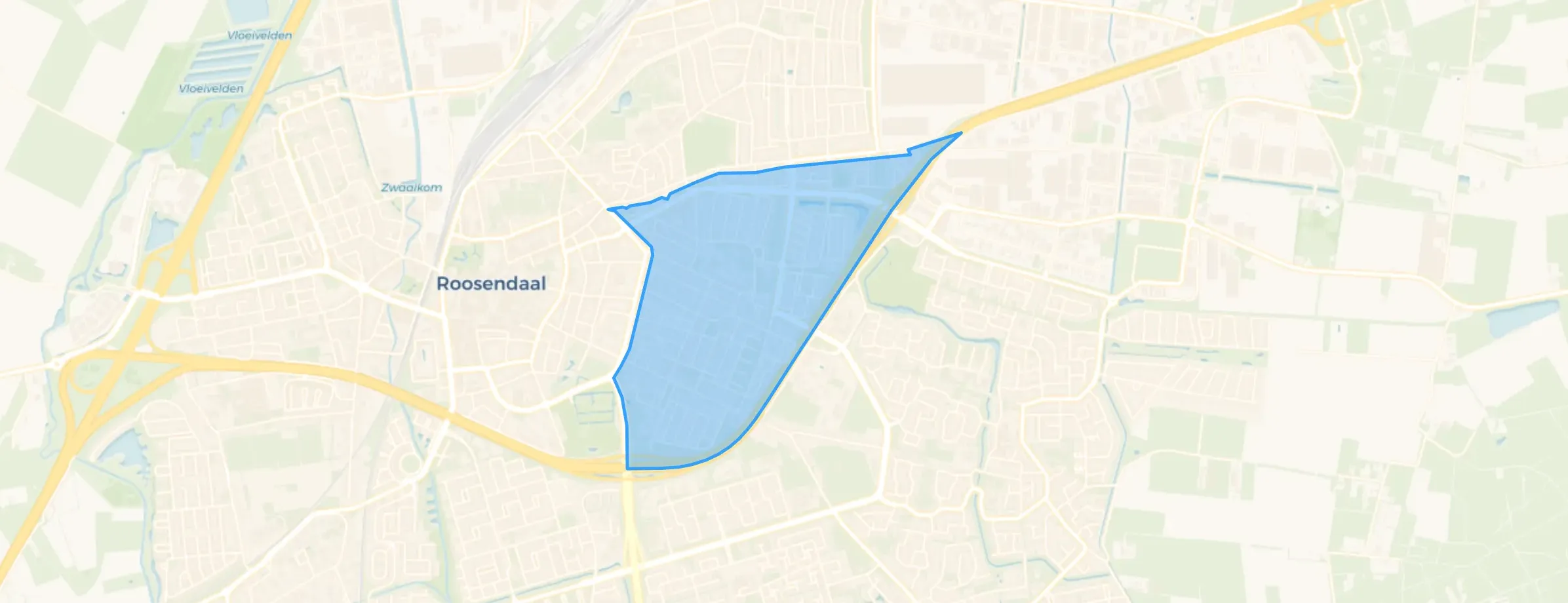
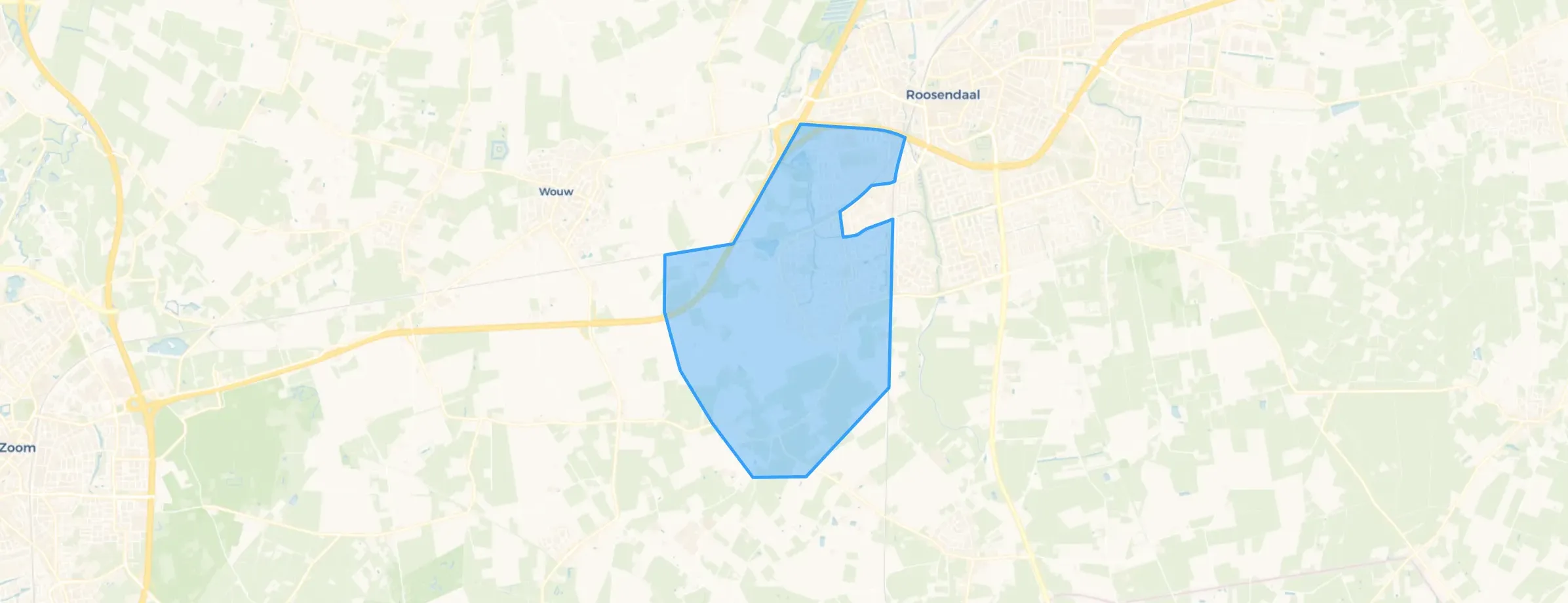
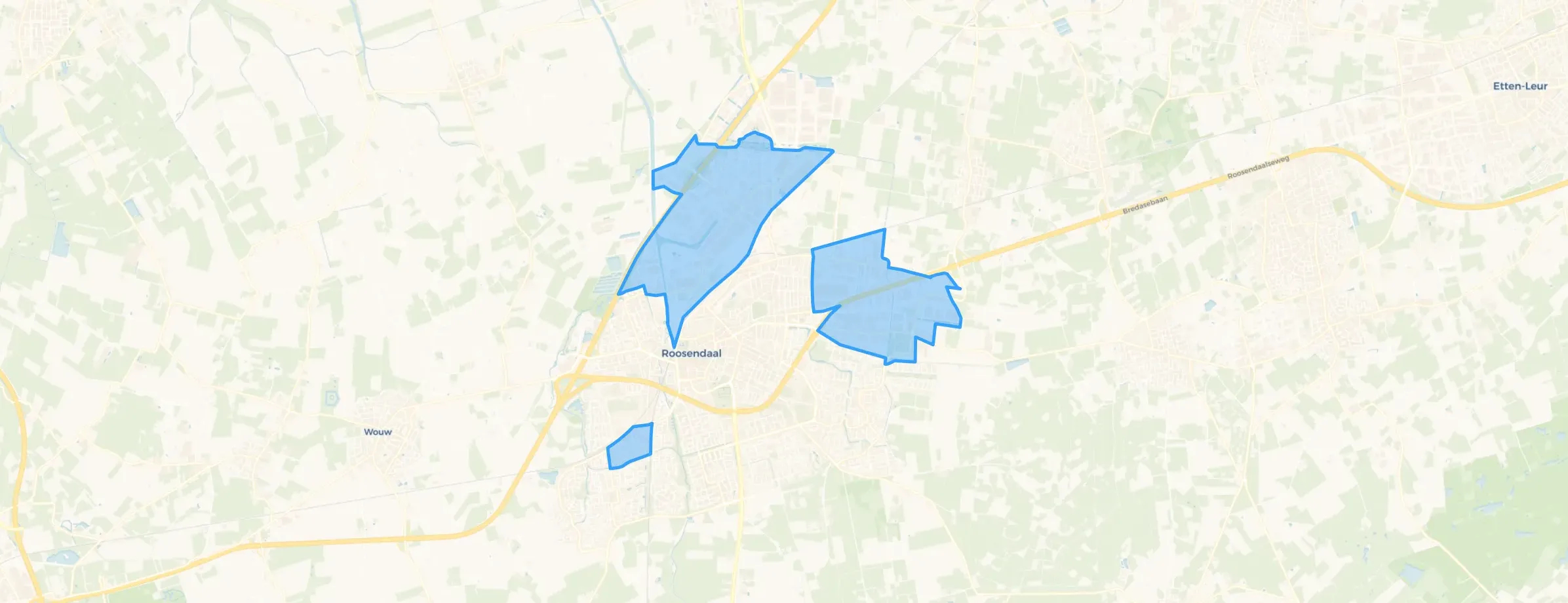
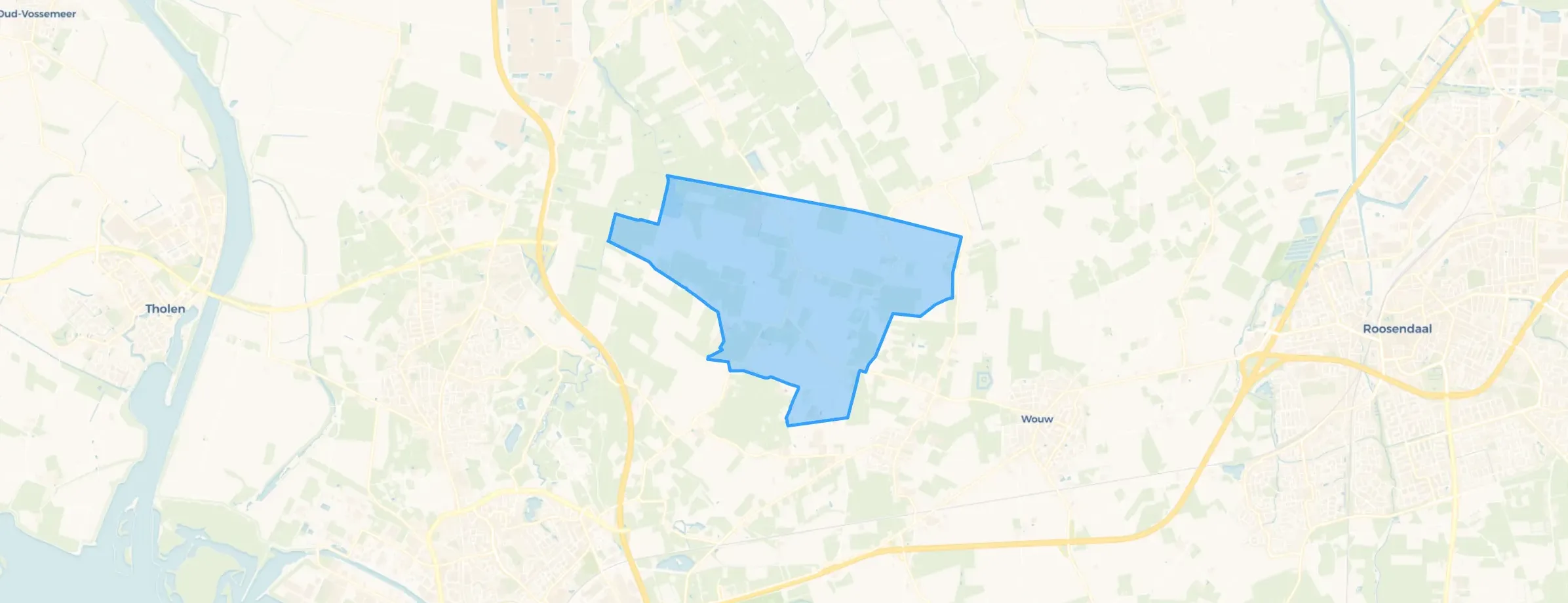
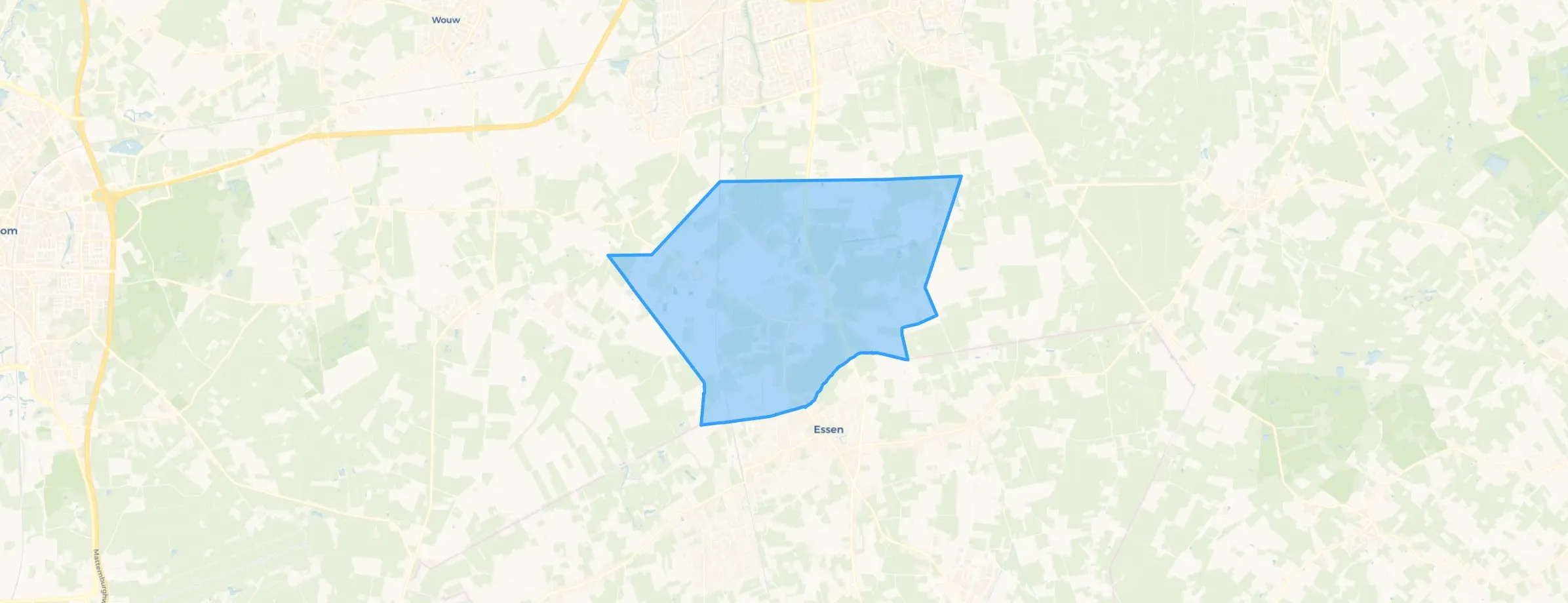
Roosendaal is located in the province of Noord-Brabant The municipality has a total area of 10.716 hectares, of which 10.650 hectares are land and 67 hectares are water. The municipality is coded as GM1674. The postcode area is 4701AA-4727TE.
Roosendaal has 77.721 residents. Of these, 50,1% are men and 49,9% are women. Most residents are 45 to 65 years (27,6%). The other age groups are 24,1% for '25 to 45 years', 23,2% for '65 years or older', 14,1% for '0 to 15 years' and 11,0% for '15 to 25 years'. Of the residents, 45,7% is unmarried, 39,7% is married, 8,8% is divorced and 5,8% is widowed. 54.184 residents originate from the Netherlands, 9.407 come from Europe and 14.130 come from countries outside Europe.
There are 36.425 households in Roosendaal. 39,0% of these are single-person households, 29,9% households without children and 31,1% households with children. The average household size is 2,1 persons. The national average is 2,1 persons.
In Roosendaal there are 63.200 income recipients. The average income per income recipient is €39.600, which is €2.600 (6%) lower than the national average of €42.200. Per resident, the average income is €33.100, which is €1.800 (5%) lower than the national average of €34.900. Most residents of Roosendaal are educated to an intermediate level. 43,1% have an intermediate education (HAVO, VWO or MBO 2-4), 29,8% have a lower education (VMBO or MBO 1) and 27,1% have a university or higher professional education (HBO/WO).
Of the 77.721 residents, around 69% are in paid employment, which amounts to 53.627 people. This is 3% lower than the national average of 72%. The majority of workers are in salaried employment (86%), while 14% are self-employed. In Roosendaal, 29% of residents receive a benefit. The largest group is those receiving a state pension (AOW). 16.000 people receive this benefit.
In Roosendaal there are 35.981 homes with an average assessed value (WOZ) of €323.000. Of these, around 96% are occupied and 4% unoccupied. Most homes are owner-occupied. This amounts to 37% rental homes and 63% owner-occupied homes. Of the homes, 62% privately owned, 27% owned by housing associations, 10% owned by other landlords and 1% of unknown ownership. The most common construction periods in Roosendaal are 1950-1970 (22%) and 1970-1980 (19%).
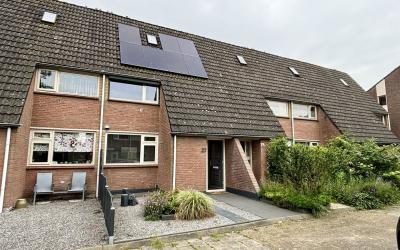
There are currently no homes for sale in Roosendaal. The most recently listed home is Haverblok 19 by C&R Makelaars B.V. op Funda. No homes were sold in Roosendaal over the past year.
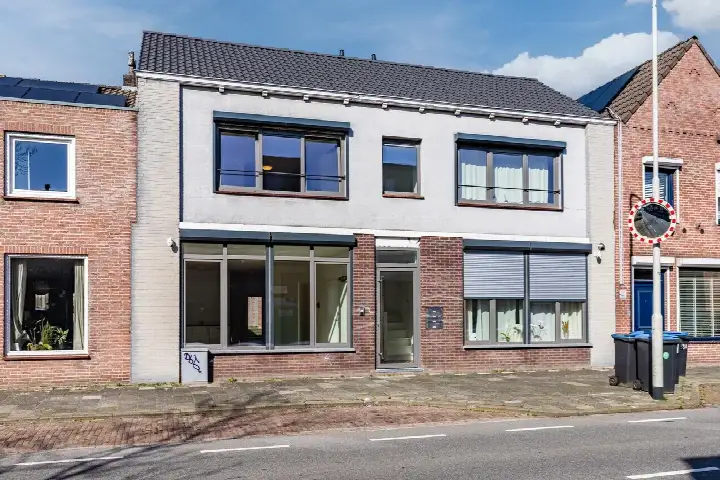
There are currently no homes for rent in Roosendaal. The most recent home is Brigittadonk 13, offered by www.klikvoorwonen.nl. No homes were let in Roosendaal over the past year.
No recent rental data available for Roosendaal.
In Roosendaal there are 23.137 addresses with a registered energy label. The most common labels are A (27%), C (23%) and B (18%). On average, an address in Roosendaal uses 2.620 kWh of electricity per year. This is 3% above the national average of 2.550 kWh. Natural gas consumption, at 870 m³ per year, is 9% above the national average of 800 m³.


Lidl en winkelgalerij Kennedylaan is 5 minuten fietsen, de kinderboerderij op loopafstand. Veel wandelpaden die langs het Molenbeekpad lopen. Er gaat een fietspad richting Nispen wat zich ook goed leent om op hard te lopen.
Auto-translated to English by AIEttingen is a pleasant and quiet residential area where you quickly feel at home. The neighbourhood is green, with plenty of parks and playgrounds for children. It feels safe, with an involved community. Accessibility is good: you can reach the centre of Roosendaal quickly by bike or car, and public transport is also well organised. There are enough schools and amenities in the area, making it attractive for families. The houses are spacious and well-maintained, and there is a nice mix of young and old in the neighbourhood. In short: a nice place to live.
Auto-translated to English by AIBecause there is no place for children to play with friends outside and you have to travel far to the city
Auto-translated to English by AIAlthough there is more and more litter, the fellow humans here are quite active in cleaning it up, so it's usually gone quickly again. And despite the me-me-me culture that is spreading like an oil slick across the whole world, I still notice that there are enough people here who have an eye and a helping hand for their (elderly) neighbours. That makes this, despite minor annoyances, a nice neighbourhood to live in.
Auto-translated to English by AII think it's a nice neighbourhood because there is electricity
Auto-translated to English by AINever had any problems, school is nearby and they drive calmly
Auto-translated to English by AIThe residents take part in activities organised by volunteers in the street
Auto-translated to English by AIVery many people who are helpful
Auto-translated to English by AIThe housing stock is mainly post-war — 57% was built between 1945 and 1990.
Over the past year a home for sale in Roosendaal was listed for an average of €431,057 (€3,586 per m²). That is 18% below the Dutch national average. Last quarter prices rose by 7%.
A rental home in Roosendaal cost an average of €1,280 per month (€13 per m²). That is 41% below the national average.
Residents give Roosendaal a 6.9 out of 10 based on 19 reviews. Especially safety (7.4) scores well; amenities (6.2) receives the lowest rating.
The housing supply in Roosendaal is remarkably efficient: 52% has an A, A+ or B label. The average natural gas consumption per household is 870 m³ per year.
From Roosendaal you can on average reach a supermarket at 1.0 km, a GP at 0.9 km, a railway station at 3.2 km, a primary school at 0.7 km (as the crow flies, source: CBS).
Right now you will find 300 homes for sale and 34 homes for rent in Roosendaal.