





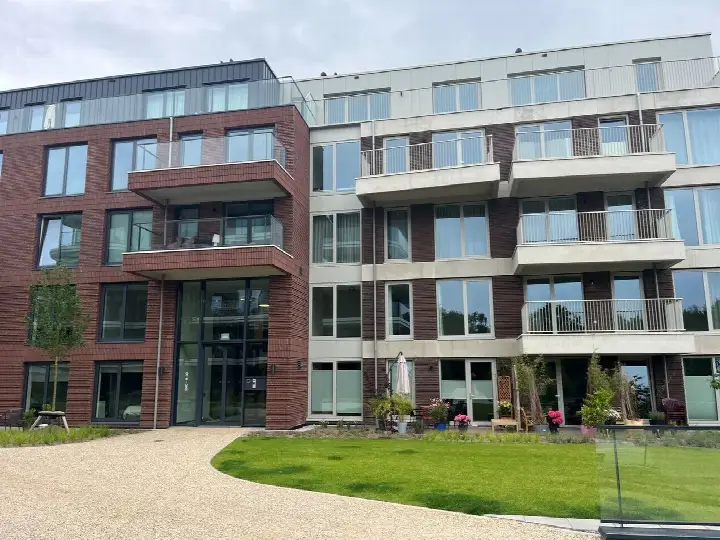
14 rental homes in Startbaanbuurt, Amstelveen
Check the current rental property listings in Startbaanbuurt and discover what this Amstelveen neighbourhood has to offer for tenants.











Rental prices and market figures for Startbaanbuurt, Amstelveen
Startbaanbuurt is predominantly a rental neighbourhood: of the approximately 570 homes, 68% are in the rental sector. This is notably high compared to the Amstelveen average. Housing association ownership is limited: only 9% of the housing stock is owned by a housing association. The remaining 59% is rented out by private or commercial landlords, meaning the vast majority of rental supply falls in the free sector.
In the free sector (excluding social housing), 108 homes were rented out in Startbaanbuurt over the past twelve months. The average rent was €2,188 per month, with an average floor area of 78 m². This works out to about €28 per m² per month. The range runs from €1,094 to €3,950 per month, indicating that both compact and more spacious homes are available for rent. For current rental prices and available rental homes in Startbaanbuurt, see the overview at the top of this page.
The average WOZ value in Startbaanbuurt is €420,000. This is lower than the district average of Keizer Karelpark (€459,000) and clearly below the municipal average of Amstelveen (€528,000). Startbaanbuurt is therefore relatively affordable within the municipality, although free-sector rents are still substantial.
Living in Startbaanbuurt, Amstelveen
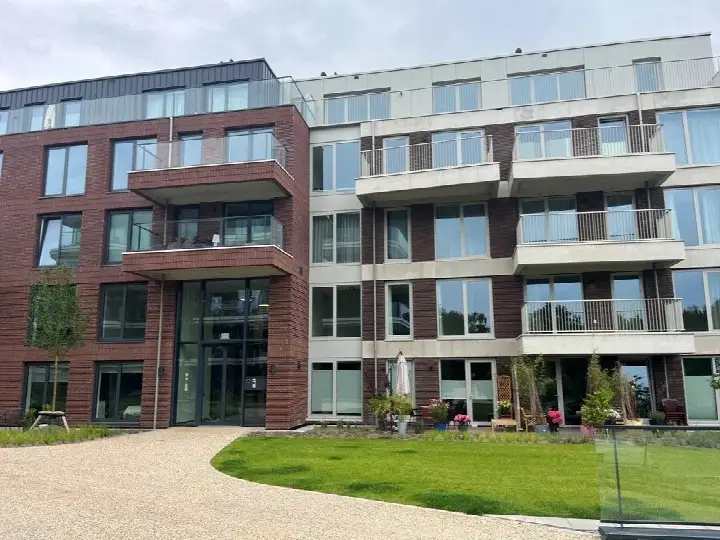
Startbaanbuurt owes its name to its proximity to the former runway of Schiphol, the site of which once marked the boundary of the neighbourhood. It is a post-war expansion neighbourhood with a functional, compact character. The buildings consist largely of multi-family homes and porch flats from the 1960s and 1970s, supplemented by some newer apartment complexes. The streets are straight, the blocks recognisable. It is not a neighbourhood that stands out for its architectural beauty, although residents give its appearance a score of 8 out of 10, suggesting it looks neater and greener than you might expect at first glance.
The average income in the neighbourhood is €51,100 per year, slightly higher than the Amstelveen average of €50,600. The labour participation rate is 67% and 40% of residents have a high level of education. The largest age group consists of 25- to 45-year-olds, but the group of 65-plussers (330 out of 1,060 residents) is also well represented. This makes Startbaanbuurt a mixed neighbourhood, both in terms of age and household composition: single-person households are the most numerous (205), but families and married couples (37%) also live here.
Facilities in Startbaanbuurt
Facilities in Startbaanbuurt are limited. Residents give facilities a score of only 4 out of 10, which aligns with one resident's description: "Mediocre neighbourhood, mediocre district, mediocre facilities." For daily groceries, you rely on supermarkets in the immediate vicinity, such as those in the Stadshart of Amstelveen or in adjacent neighbourhoods. Stadshart, within cycling distance, offers a wide range of shops, dining and services. Primary schools are present in the Keizer Karelpark district; residents give education a relatively good score of 7 out of 10. Green spaces score a 3, confirming that parks and play areas are not the neighbourhood's strongest asset, although the Amsterdamse Bos is within short distance.
Accessibility of Startbaanbuurt
Accessibility scores notably low: only 2 out of 10 according to residents. The neighbourhood has no metro station or train stop of its own. The nearest metro connection is Amstelveen Westwijk station or the metro line towards Amsterdam Zuid, but the walking distance may be a drawback for some residents. Bus services run through the neighbourhood, but residents find the frequency and directness to Amsterdam insufficient. By car, the A9 is relatively accessible, keeping travel time to Amsterdam, Schiphol and Haarlem limited. Parking is still free or regulated with permits in large parts of the neighbourhood. Cycling to the centre of Amstelveen is feasible, but the cycling infrastructure towards Amsterdam is less direct than in some other Amstelveen neighbourhoods.
Atmosphere and social cohesion
The community score of 3 out of 10 indicates that residents do not experience strong social cohesion. The neighbourhood has an anonymous character, fitting the mix of single-person households and a relatively large share of renters. Renting in Startbaanbuurt therefore appeals mainly to people looking for an affordable apartment in the Amstelveen region, without the ambition to dive deep into neighbourhood life. For comparison, in the nearby Oude Dorp, the atmosphere is more village-like and social cohesion stronger, while Augustinuspark has a greener and quieter appearance. Those seeking more urban dynamism can also look at the supply in Stadshart.
Is a rental home in Startbaanbuurt right for you as a tenant?
Startbaanbuurt is most suitable for singles and couples looking for a free-sector apartment in Amstelveen without paying the highest prices in the municipality. The neighbourhood is functional, not spectacular. Those who value lively facilities within walking distance or excellent public transport will be disappointed here. Those seeking a neat, quiet neighbourhood with a reasonable price-quality ratio for the region may find what they are looking for here. For families with children, the limited green spaces and poor community score are points of attention. As an alternative to renting, you can also view homes for sale in Startbaanbuurt: 32% of homes are owner-occupied, with an average WOZ value of €420,000.
Practical: respond quickly to homes for rent in Startbaanbuurt, as the free-sector supply is active. Make sure you have income documents and rental history ready. For social housing (9% of supply), registration with a housing association such as Eigen Haard or Ymere is necessary; waiting lists in the Amstelveen region are long. More information about living in the municipality can be found on the website of the municipality of Amstelveen.
What residents say about living in Startbaanbuurt
Startbaanbuurt receives an overall score of 4.9 out of 10, based on resident reviews. The highest subscores are for beauty (8.0) and education (7.0). The lowest scores go to accessibility (2.0), green spaces (3.0) and community (3.0). One resident briefly describes the neighbourhood as: "Mediocre neighbourhood, mediocre district, mediocre facilities." That is an honest assessment that aligns with the figures. View all reviews and neighbourhood data on the neighbourhood page of Startbaanbuurt.
Comparing rental homes in and around Startbaanbuurt
Those considering renting a home in Startbaanbuurt would do well to also compare surrounding neighbourhoods. Kastanjebuurt and Van der Leekbuurt are in the same district of Keizer Karelpark and offer a similar type of home, sometimes with a slightly greener environment. Those wanting to search more broadly in Amstelveen can also look at Elsrijk or Randwijck, districts with a different character and partly different price levels. For a complete overview of all available rental homes in the municipality, see the supply of rental homes in Amstelveen. Buurtje.nl combines current housing supply with resident reviews and neighbourhood data, so you not only find a home but also know whether the neighbourhood suits you.
What is the average rent in Startbaanbuurt, Amstelveen?
In the free sector (excluding social housing), the average rent in Startbaanbuurt over the past twelve months was €2,188 per month, with an average area of 78 m². That works out to about €28 per m² per month. The range runs from €1,094 to €3,950 per month. Social housing is cheaper, but the housing association stock in the neighbourhood is limited to just 9% of the housing stock.
Are there social housing units in Startbaanbuurt?
Yes, but the supply is limited. About 9% of the housing stock in Startbaanbuurt is owned by a housing association. For a social housing unit, you can register with associations such as Eigen Haard or Ymere, which are active in the Amstelveen region. Be prepared for long waiting lists; the waiting time in the Amsterdam-Amstelveen region can be several years.
What is it like to live in Startbaanbuurt?
Startbaanbuurt is a post-war, functional neighbourhood with a down-to-earth character. Residents give the neighbourhood an overall score of 4.9 out of 10. Positives are the beauty of the surroundings (8.0) and the educational provision (7.0). Accessibility (2.0), green space (3.0) and community (3.0) score less well. One resident describes it as: 'Mediocre neighbourhood, mediocre district, mediocre amenities.' The neighbourhood is quiet and tidy, but not particularly lively.
Is Startbaanbuurt suitable for seniors or the elderly?
Startbaanbuurt has a relatively large group of over-65s: 330 of the 1,060 residents fall into that category. The neighbourhood is quiet and the housing stock contains many apartments, which makes barrier-free living possible. Points to note are the limited accessibility by public transport and the limited range of amenities within walking distance. For seniors who value proximity to shops and care, it is advisable to check the location of the specific property carefully.
How is the accessibility of Startbaanbuurt?
Accessibility is a weak point of Startbaanbuurt: residents give it only a 2 out of 10. There is no own metro station or train stop in the neighbourhood; bus services do run through the district but are considered insufficient. By car, the A9 is reasonably accessible, making Schiphol and Amsterdam easily reachable. Cycling to the centre of Amstelveen is quite doable. Parking is still free or regulated with a permit in many streets.
What amenities are there in Startbaanbuurt?
The range of amenities in Startbaanbuurt itself is limited; residents give it a 4 out of 10. For daily groceries and extensive shopping, residents rely on the Stadshart of Amstelveen, within cycling distance. Primary schools are present in the wider Keizer Karelpark district (education score 7.0). The Amsterdamse Bos is accessible for recreation, but green space directly in the neighbourhood is scarce (score 3.0).
Is Startbaanbuurt a safe neighbourhood to live in?
Residents give safety in Startbaanbuurt a score of 6.0 out of 10, which is a moderate rating. The neighbourhood has a quiet and tidy character, which explains the relatively higher safety score compared to other sub-scores. For specific safety data per street, you can consult police statistics via the municipality of Amstelveen.
Mediocre neighbourhood, mediocre district, mediocre facilities
Auto-translated to English by AI