





9 rental homes in Westerkwartier
Looking for a rental property in Westerkwartier? Check the current listings, compare villages and read what residents think of their neighbourhood.



Renting in Westerkwartier: rural living with a reasonable price tag
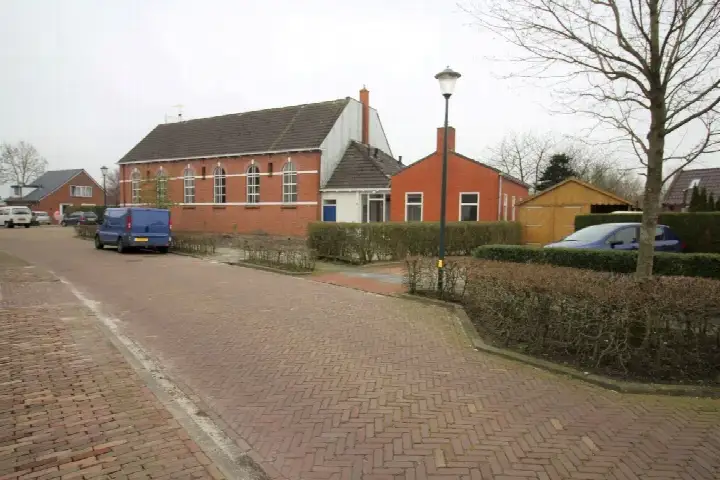
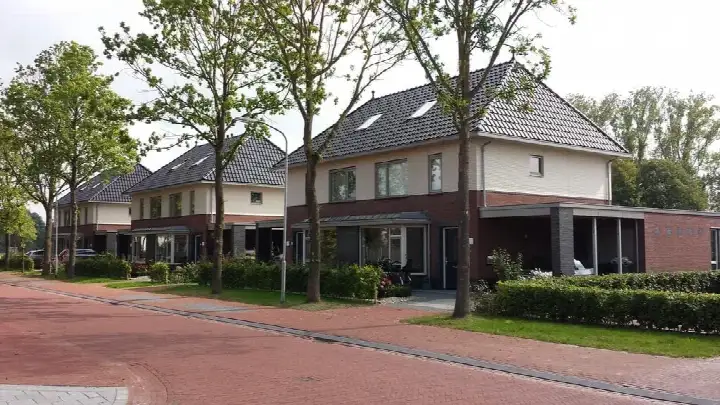
Westerkwartier is a sprawling rural municipality west of Groningen, formed from the merger of Grootegast, Leek, Marum and Zuidhorn. With nearly 65,000 inhabitants spread across dozens of villages, it is a municipality where you find space, greenery and tranquillity, but where the rental market is relatively tight. Of the approximately 27,900 homes, only 28% are rental properties. The majority (20% of the total) are owned by housing associations such as Wold & Waard and Westerdeel. The private sector is limited: in the past twelve months, only 61 homes were rented out in the private sector, at an average rent of €1,231 per month. The range runs from €640 to €2,200, with an average floor area of 114 m². That is considerably more space than you get for that money in the city of Groningen. Check the top of this page for current daily prices and available listings. Anyone looking for a rental home here should expect little turnover: many residents stay put for a long time, especially in social housing.
From Leek to Marum: the villages and their character
Westerkwartier does not consist of neighbourhoods in the urban sense, but of a patchwork of villages, each with its own atmosphere. Residents give the municipality an average score of 7.7 on Buurtje.nl, with notably high scores for green spaces (8.0) and beauty (7.9). But the differences between the villages are large. Below are the main residential centres for renters.
Marum, village-like and highly rated
With a perfect 10.0 from residents on Buurtje.nl, Marum stands out, although that is based on a single review. Marum is a lively village with its own supermarket, primary schools and an active club scene. It lies on the edge of the Drents-Friese Wold National Park, making it particularly attractive for nature lovers. One resident describes it as a place where you "have everything you need without the hustle and bustle of the city". Rental homes are scarce here, but when something becomes available, it is often spacious.
Tolbert, quiet living close to Leek
Tolbert scores a 7.7 from residents and, together with Leek, forms the largest residential cluster in the municipality. Tolbert is the quieter sibling: more greenery, less traffic, but with Leek within cycling distance for all amenities. Families with children feel at home here because of the primary schools and sports clubs nearby. The homes are predominantly single-family houses with gardens.
Opende and Oostwold, the north of the municipality
In the north lie Opende (7.6) and Oostwold (7.5). These are smaller villages where community spirit is strong. Opende has its own small-scale shopping centre and is conveniently located on the N388 towards Groningen. Oostwold is even more rural and attracts people who consciously choose peace and space.
The village of Leek is by far the largest centre and the amenities hub of the municipality, with shops, secondary schools and Leek station. Yet Leek scores a 6.0, the lowest of all rated villages. Residents cite the bustle around the centre and the limited maintenance of some rental homes as drawbacks. Grootegast (6.9) and Lutjegast (7.1) are typical Groningen ribbon villages where living is quiet, but you have to go to Leek or Groningen for major shopping or a night out. Wijk 14 stands out with a high score of 9.1 based on five reviews. Oldekerk (7.2) is a small, close-knit village that mainly attracts families and older people. Read more reviews and experiences on the page about Westerkwartier, where all resident reviews are collected.
Who is renting a home in Westerkwartier suitable for?
The largest group of residents is between 45 and 65 years old, and 42% of households are married. That says a lot: Westerkwartier is above all a municipality for families and movers who are looking for space without a high price tag. With an average income of €34,500 and a labour participation rate of 67%, it is a working middle-class municipality. Many residents commute to Groningen for work or study, which is easily doable via the A7 and bus connections. If you are a starter looking for an apartment to rent in Westerkwartier, the supply is limited. Most rental homes are single-family houses, and apartments in the private sector are rare. For social housing, you can register with housing association Wold & Waard via the website of the municipality of Westerkwartier, where you can also find information about housing urgency and housing permits. Be honest with yourself: if nightlife, restaurants and a broad cultural offering are important to you, Westerkwartier is probably not your place. Then consider renting in the city of Groningen. Would you rather buy something? Then check out the homes for sale in Westerkwartier, because with 72% owner-occupied homes, the supply there is considerably larger.
Searching for a rental home in Westerkwartier and surroundings
On this page you will find the current rental listings, including neighbourhood scores and resident reviews that help you make the right choice. Rental homes in Westerkwartier go quickly, so set your filters and respond immediately. Also take a look at the supply in neighbouring municipalities such as Het Hogeland or Midden-Groningen if you want to broaden your search area. On Buurtje.nl you can easily compare villages, scores and prices to find the neighbourhood that truly suits you.
What is the average rent in Westerkwartier?
In the free sector (excluding social housing), the average rent is €1,231 per month, based on 61 rented homes in the past year. Prices range from €640 to €2,200 per month, depending on the type of property and its location within the municipality.
Which villages in Westerkwartier are most popular for renting?
Based on resident reviews, Marum (10.0) and Wijk 14 (9.1) score the highest. Tolbert (7.7) and Opende (7.6) are also well-rated. Leek is the largest village with the most amenities, but scores lower at 6.0 among residents.
How quickly are rental homes in Westerkwartier let?
Supply in the free sector is limited: only 61 homes were rented in the past year. This means rental properties go quickly. Keep a close eye on current listings and respond immediately if something suits you.
What is the difference between social housing and the free sector in Westerkwartier?
About 20% of all homes in Westerkwartier are owned by housing associations (social housing), with rents below the liberalisation threshold. For these, you need to register and expect waiting lists. The free sector (8% of the stock) is more expensive, averaging €1,231 per month, but you can respond directly without waiting.
Is renting a home in Westerkwartier suitable for commuters to Groningen?
Yes, many residents commute daily to Groningen. Via the A7, you can reach the city from Leek or Marum in 20 to 30 minutes. There are bus connections via Qbuzz, but a car is recommended for most villages. Rents are lower than in Groningen city, making it financially attractive.
Can I rent an apartment in Westerkwartier?
The supply of apartments is limited. Westerkwartier mainly consists of single-family homes with gardens. There are some apartment complexes in Leek and Marum, but they are rare in the free sector. For more choice in apartments, you'd be better off looking at the city of Groningen.
How green and safe is living in Westerkwartier?
Residents rate the municipality 8.0 for green spaces and 7.8 for safety. Westerkwartier borders the Drents-Friese Wold and has extensive agricultural areas. Crime is low compared to urban areas. It is a municipality where children still play outside and doors are sometimes left unlocked.
Are there good schools in Westerkwartier for families with children?
Westerkwartier scores 7.6 for education among residents. There are primary schools in almost every village and secondary schools in Leek (Lindenborg) and Zuidhorn. For higher education, you need to go to Groningen. With over 10,200 households with children, it is clearly a family municipality with a suitable educational offering.
Resident scores from reviews on Buurtje.nl. Click for statistics, amenities and experiences per neighbourhood.
Being bullied and ignored. Falsely accusing us. Being gossiped about. Being called lesbian. Things being stolen from our garden. Not happy in current living situation.
Auto-translated to English by AIChild-friendly. Quiet. Safe
Auto-translated to English by AIOriginally from the southern part of North Holland. People here, unlike my place of origin, are friendly, greet each other, honest, straightforward and approachable as long as you take the initiative yourself. If you open yourself up, you will certainly find a place in the community. The area is characterised by dreamy landscapes formed by meadows (often separated by banks and/or rows of trees and shrubs, and forest and bodies of water.
Auto-translated to English by AIGreat neighbourhood, cosy, easily accessible and quite clean
Auto-translated to English by AII've been living here for 20 years, my children grew up here, and I have a nice spot and nice neighbours.
Auto-translated to English by AII personally think it's a fantastic neighbourhood, everything is nice and close by and looks tidy. Everything you need is in the area, plus there are many playgrounds, sports clubs and eateries. I think Zuidhorn is a nice neighbourhood, it's generally very quiet and people get along well with each other.
Auto-translated to English by AICosy neighbourhood with shops nearby.
Auto-translated to English by AIPleasant place with spacious residential plots where most residents greet each other on the street and/or have a chat. People feel socially connected to each other. The village once had a beautiful, recently renovated primary school. The fact that it closed in 2020 is still a great loss and has had a very detrimental effect on the mutual cohesion among the village's residents. The Ukrainian shelter that has been housed in the former school building since March 2022 has meant that native residents have mainly encountered unfamiliar people on the street since the opening of these shelter locations. Very occasionally you recognise someone from the shelter, but Ukrainians keep disappearing / new Ukrainians keep arriving. There are also regular escalations (violence) in and around the Ukrainian shelter location. This has a negative effect on the sense of safety and togetherness within the village.
Auto-translated to English by AI