Homes for sale in Beijum-Oost, Groningen
Check the current supply of homes for sale in Beijum-Oost and discover through neighbourhood scores and resident reviews whether this Groningen district suits you.



House prices and market figures for Beijum-Oost, Groningen
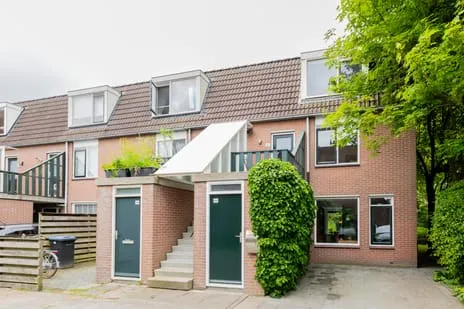
The owner-occupied market in Beijum-Oost is relatively modest in size: only 33% of the more than 3,170 homes are owner-occupied, with the remaining 67% being rental properties, most of which are owned by a housing association. This makes the supply of owner-occupied homes in Beijum-Oost more limited than in many other Groningen neighbourhoods. Over the past twelve months, 30 homes changed hands, at an average purchase price of €295,283. The range runs from €140,000 to €398,000, with an average living area of 108 m². This works out to an average price of around €2,734 per m², which is reasonable for Groningen. The average WOZ value is €204,000, clearly lower than the district average for Noordoost (€249,000) and the municipal average for Groningen (€295,000). This difference reflects the predominantly social character of the neighbourhood and the types of homes found there: mainly terraced houses and porch flats from the 1970s. For current asking prices and available properties, you can consult the overview at the top of this page.
Living in Beijum-Oost, Groningen
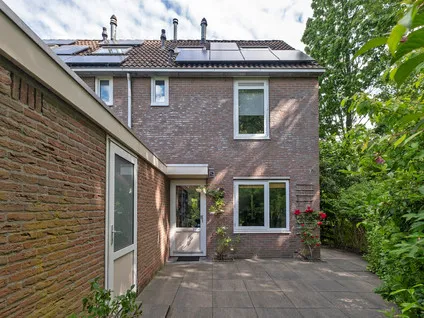
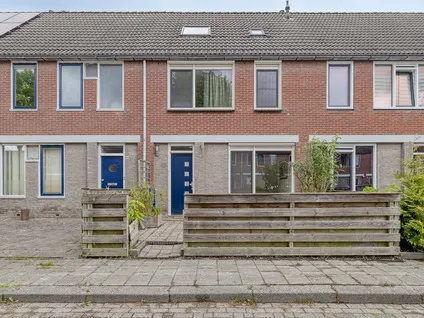
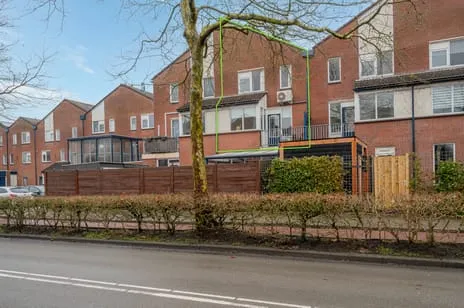
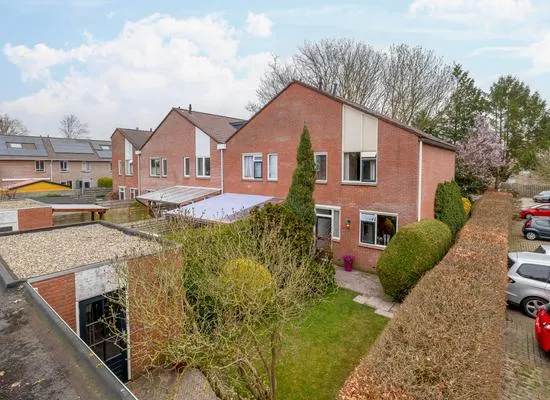
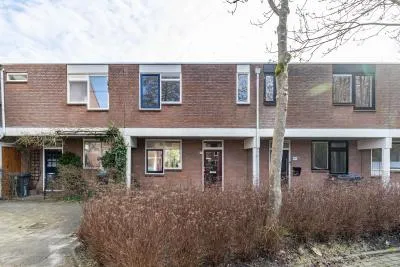
Beijum-Oost is a post-war expansion district on the north-eastern side of Groningen, built in the 1970s as a social housing project. This is evident in the architecture: long rows of terraced houses, porch flats and generously laid-out green strips that give the neighbourhood a certain openness. Residents give greenery a score of 8.6 out of 10, and for good reason. There are plenty of parks, playgrounds and cycling routes connecting the neighbourhood to the surrounding landscape towards the Eemskanaal and the Hunzevallei.
The atmosphere in Beijum-Oost is remarkably close-knit for an urban district. Resident Ann puts it aptly: "Our neighbourhood looks out for each other, organises cosy coffee mornings, meal times, Neighbour's Day, New Year's drinks, we play pétanque with a group, people lend things and return them, we have an eye for each other." Anneke, who has lived in the neighbourhood for 38 years, confirms this picture: good contacts, people you can call friends, shared moments in the playground. The community score of 8.0 and the overall neighbourhood score of 7.4 out of 10 are therefore easy to explain. Read all reviews on the Beijum-Oost neighbourhood page.
There are also caveats. Joppe, who has lived there his whole life, honestly describes the neighbourhood's transformation: from an unsafe backstreet area to a pleasant but still somewhat unsafe district. Safety scores 6.9 and cleanliness 6.3, indicating that the neighbourhood is not always spick and span. Amber R. points out another issue: "There are plenty of green areas and there is often a relaxed vibe. But the houses are noisy and the street is loud at night with young people and people setting off (banger) fireworks." If you are sensitive to noise pollution, it is wise to take that into account.
In terms of amenities, Beijum-Oost scores remarkably high: 8.6 for amenities and 8.3 for accessibility. In the neighbourhood itself you will find Beijum shopping centre with a supermarket, pharmacy and various small shops. For more extensive shopping or retail therapy, Groningen city centre is easily accessible. By bus (line 11 and other city lines) you can reach Groningen Central Station in about twenty minutes. By bike, which is the norm in Groningen, it takes a little longer but the routes are well laid out. By car, you can quickly connect via the ring road to the A7 towards Drachten and Assen or the A28 towards Zwolle. There are primary schools in and around the neighbourhood, although education scores a 6.5, which is not particularly high in resident reviews.
Compared to neighbouring communities such as Beijum-West and De Hunze, Beijum-Oost has a similar character, but with slightly more urban dynamics. Van Starkenborgh and Noorderhoogebrug are quieter and greener in nature. If you want to explore the Noordoost district as a whole, you will find a broader overview on the owner-occupied homes in Noordoost page.
Who is a home in Beijum-Oost suitable for?
Beijum-Oost particularly attracts first-time buyers and young families who want to buy in Groningen without paying top dollar. With an average purchase price just under three hundred thousand and entry-level homes from €140,000, there are options for people on a limited budget. The neighbourhood has strong social cohesion, which is a plus for families with children. Upsizers looking for more space or comfort may find something here occasionally, but supply is limited and variable. If you are considering renting, you can also look at rental properties in Beijum-Oost, as the majority of the housing stock is rental. Be aware of the noisy homes and nighttime noise disturbance if you are sensitive to such things. A viewing on a weekday evening gives a more realistic picture than a Saturday afternoon.
What residents say about Beijum-Oost
Residents give Beijum-Oost an average of 7.4 out of 10, based on 7 reviews. The highest scores go to amenities (8.6), greenery (8.6) and accessibility (8.3). Community spirit also stands out with an 8.0. Housing (5.9), cleanliness (6.3) and safety (6.9) score less well. Joppe sums up the neighbourhood's development as: "A transformation from an unsafe backstreet area of Groningen into a nice, cosy but still somewhat unsafe neighbourhood." An honest assessment from someone who has lived there his whole life. All reviews and subscores can be found on the Beijum-Oost overview page.
Comparing owner-occupied homes in and around Beijum-Oost
Buurtje.nl bundles supply from more than 1,500 sources and links it to resident reviews and neighbourhood data, so you compare not just a home but also the neighbourhood. In addition to Beijum-Oost, the Noordoost district also has supply in Koningslaagte and Het Witte Lam. If you want to look more broadly, you can check out owner-occupied homes in Groningen or popular districts such as Oud-Noord and Centrum. More about the municipality can be found on the Groningen municipal page and on the official website of the municipality of Groningen.
Frequently asked questions
What does a home cost in Beijum-Oost?
Over the past twelve months, the average purchase price in Beijum-Oost was €295,283, with a range from €140,000 to €398,000. The average living area of sold homes was 108 m², resulting in a price of approximately €2,734 per m². During that period, 30 homes were sold.
What is the WOZ value in Beijum-Oost?
The average WOZ value in Beijum-Oost is €204,000. That is significantly lower than the average for the Noordoost district (€249,000) and the municipal average of Groningen (€295,000). This reflects the social housing character of the neighbourhood and the predominant types of homes.
What is it like to live in Beijum-Oost?
Living in Beijum-Oost means life in a close-knit, green urban neighbourhood with a strong community culture. Residents appreciate the social cohesion, the greenery, and the good accessibility. Points of attention are the poor soundproofing of homes, nighttime noise pollution, and a slightly lower safety score. The overall neighbourhood score is 7.4 out of 10.
Is Beijum-Oost suitable for first-time buyers and families?
Yes, Beijum-Oost is particularly interesting for first-time buyers and young families. Entry-level prices from €140,000 make it more affordable than many other Groningen neighbourhoods. The area has primary schools, playgrounds, and an active community. The average income is €27,000, indicating a mixed socio-economic profile.
How is the accessibility of Beijum-Oost?
Accessibility scores 8.3 out of 10 in resident reviews, one of the highest scores. By bus (including line 11), you can reach Groningen Central Station in about twenty minutes. By bike, there are well-maintained routes towards the city centre. By car, you can quickly connect to the A7 and A28 via the ring road.
What type of homes are for sale in Beijum-Oost?
The supply of owner-occupied homes in Beijum-Oost mainly consists of terraced houses and porch flats from the 1970s. Only 33% of the total housing stock is owner-occupied; the rest is rental. The supply varies, so check the current overview at the top of the page for the most recent homes. Those considering buying an apartment in Beijum-Oost will also find porch flats in that segment.
Is Beijum-Oost safe and how is the liveability?
Safety scores 6.9 out of 10 in resident reviews, which is somewhat below average. Residents describe the neighbourhood as an area that has improved in recent years, but where nighttime noise pollution from young people and fireworks still occurs. During the day, the atmosphere is generally relaxed, and the community is active and involved.
Our neighbourhood is there for each other, organises cosy coffee moments, eating moments, Neighbour's Day, New Year's drinks, we play boules with a group, people borrow from each other and return things, we look out for each other, watch each other's children and houses, give someone a lift to a doctor, do groceries for someone who is ill or elderly, we have a neighbourhood supermarket, a prayer group, and we have many amenities in the area! We are easily accessible by bike, car and bus, we are quickly at Oer or in the woods, can enjoy walking, swimming pool and ice rink nearby, shops, pharmacy, doctors and dentists around the corner. In short, who wouldn't want to be part of this??
Auto-translated to English by AIbeautiful neighbourhood
Auto-translated to English by AIGrew up here since childhood, seeing it transform from an unsafe back alley of Groningen into a nice, cosy, but still somewhat unsafe neighbourhood.
Auto-translated to English by AIWe've been living in Beijum Oost for about 38 years now, and we have good contacts in the neighbourhood! Some people I would even call friends! We're there for each other, help each other and occasionally have coffee at each other's homes. Also with a larger group we have cosy moments in the playground, a BBQ or on Neighbourhood Day coffee with treats! Beijum has everything in terms of shops, doctors, physios, dentists, church activities, but if you want to see no one, you're quickly in beautiful nature areas! For me it's a great neighbourhood to live in! However, I do see that the rental houses have many leaks, which means there is a lot of mould in the houses, which is very unhealthy! Also, the children who hang around and pass through the neighbourhood are sometimes very cheeky and annoying! What we also find irritating is the year-round fireworks, motorbikes racing around the district ring road and the loud music that we don't like!
Auto-translated to English by AIThere are plenty of green areas and there's often a relaxed vibe. But the houses are poorly soundproofed and the street is noisy at night with young people and people setting off (firecracker) fireworks, which isn't great for sleeping.
Auto-translated to English by AIA criminal tokkie neighbourhood
Auto-translated to English by AIJust a bit outside the centre, otherwise absolutely great!
Auto-translated to English by AI