





10 homes for sale in Borgerbuurt, Amsterdam
Discover homes for sale in Borgerbuurt and view the current supply, recent sale prices, and what residents think of this urban Amsterdam neighbourhood.







House prices and market figures Borgerbuurt, Amsterdam
Borgerbuurt is predominantly a rental neighbourhood: only 18% of the approximately 1,722 homes are owner-occupied, most of which are owned by housing associations. This limited owner-occupied segment means that little supply comes onto the market, but when something becomes available, the prices are serious. Over the past twelve months, 33 homes were sold for an average purchase price of €540,606. Prices ranged from €395,000 to €695,000, with an average living area of 111 m². That works out to about €4,870 per m², which is slightly above the Amsterdam average WOZ value of €517,000. The WOZ value in Borgerbuurt itself stands at €460,000, placing the neighbourhood below the average of the surrounding Van Lennepbuurt (€478,000) and also below the municipal average of Amsterdam (€517,000). That difference offers buyers relatively more space than in neighbouring districts. These are almost exclusively apartments in pre-war buildings, with occasionally an upper-floor home or a more spacious corner building. Check the current supply and the average asking price at the top of this page for the most recent status.
Living in Borgerbuurt, Amsterdam
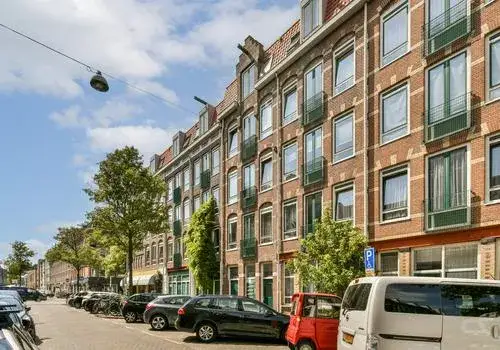
Borgerbuurt is located in the western part of Amsterdam, wedged between the Kinkerstraat and the Frederik Hendrikstraat, as part of the broader Van Lennepbuurt. It is a densely built, pre-war urban neighbourhood with narrow streets, front gardens, and the characteristic Amsterdam building blocks from the early twentieth century. The atmosphere is urban but not anonymous: people know each other, there are familiar faces at the baker on the Kinkerstraat and at the market on Surinameplein.
The neighbourhood is distinctly multicultural, and that noticeably colours daily life. Along the Borgerstraat and surrounding side streets, you'll find a mix of Turkish and Moroccan bakeries, Surinamese toko shops, African barbers, and new coffee spots that have appeared in recent years. Resident EvE, who has lived there for over forty years, describes it aptly: the neighbourhood has seen change, both for better and for worse. Resident Els adds: "I've lived here for more than 40 years, seen the neighbourhood grow, very diverse with something for everyone. Young and old together. I'll stay a while longer..." That mix of generations and backgrounds is palpable on the street.
For daily groceries, you hardly need to leave the neighbourhood. The Albert Heijn and Lidl on the Kinkerstraat are within walking distance, and Surinameplein has a weekly market. For larger outings, the shopping area around the Overtoom and the Ten Katestraat is quickly accessible. In terms of green space, the neighbourhood scores somewhat lower (6.5 from residents), but Vondelpark is within ten minutes by bike and Rembrandtpark is also nearby. The education score stands out: residents give education a 9.0, which is exceptionally high for an urban neighbourhood. There are several primary schools in the immediate vicinity, including schools that cater to the diverse composition of the district.
Accessibility is good, with a resident score of 8.0 as the highest sub-score. Tram lines 7 and 17 run via the Kinkerstraat towards the city centre and to Amsterdam Sloterdijk. Amsterdam Lelylaan station is about ten minutes away by bike. By car, the A10 West via the Kostverlorenvaart is quickly reachable. Parking on the street itself is paid and difficult in the evening, something to keep in mind if you have a car.
Safety scores a 7.5, but EvE notes that some places could use more street lighting. That is recognisable for anyone crossing the neighbourhood in the evening: a few side streets are darker than you would like. Compared to sister neighbourhood Da Costabuurt-Zuid or the Lootsbuurt, Borgerbuurt has a slightly rougher edge, but that is also what keeps the neighbourhood authentic. More information about the neighbourhood and all resident experiences can be found on the Borgerbuurt neighbourhood page.
Who is a home for sale in Borgerbuurt interesting for?
Buying in Borgerbuurt is most attractive for starters and young dual-income couples who want an urban life without the prices of the Jordaan or the Grachtengordel. With an average purchase price of over €540,000, it is certainly not cheap, but the WOZ value is below the Amsterdam average, offering some relative room. Supply is limited and bidding above the asking price is common, so be prepared for a sharp offer. The average income in the neighbourhood (€31,300) is clearly below the Amsterdam average, but that mainly reflects the large social housing sector, not the owner-occupied market. Families with children benefit from the high education score. Are you looking for a rental property? Then also check the rental homes in Borgerbuurt as an alternative.
What residents say about Borgerbuurt
Residents give Borgerbuurt an average of 7.5 based on two reviews. The highest sub-score goes to education (9.0), followed by accessibility (8.0). Green space scores the lowest with a 6.5. Resident Els sums up the atmosphere succinctly: "Very diverse with something for everyone. Young and old together." That sense of layering, a neighbourhood that is not one thing but many things at once, comes through in both reviews. Read all reviews and sub-scores on the overview page of Borgerbuurt.
Compare homes for sale in and around Borgerbuurt
Buurtje.nl combines current housing supply from more than 1,500 sources with resident reviews and neighbourhood data, so you choose not just a home but also a neighbourhood. Want to compare? Check the supply in the broader Van Lennepbuurt, or search further in Amsterdam as a whole. Popular alternatives in the city are the Jordaan and the Haarlemmerbuurt, both with a different price profile and character. For municipal information about facilities, permits, and parking, you can visit the website of the municipality of Amsterdam.
What does a home in Borgerbuurt cost?
Over the past twelve months, 33 homes were sold in Borgerbuurt for an average purchase price of €540,606. Prices ranged from €395,000 to €695,000. The average living area was 111 m², resulting in a price of approximately €4,870 per m². Keep in mind that supply is limited and offers often exceed the asking price.
What is the WOZ value in Borgerbuurt?
The average WOZ value in Borgerbuurt is €460,000. This is below the average of the surrounding Van Lennepbuurt (€478,000) and clearly below the municipal average of Amsterdam (€517,000). The relatively lower WOZ value reflects the large share of social housing in the neighbourhood, but actual sale prices of owner-occupied homes are higher.
What is it like to live in Borgerbuurt?
Borgerbuurt is a densely built, multicultural urban neighbourhood in Amsterdam-West with a distinct character. Residents appreciate the diverse mix of people and good accessibility, giving the neighbourhood an average score of 7.5. Education scores notably high (9.0), while green space lags behind (6.5). It is a neighbourhood not for everyone, but those who love urban living with character quickly feel at home.
Is Borgerbuurt suitable for starters and families?
For starters, Borgerbuurt offers a relatively more accessible entry point compared to more expensive Amsterdam neighbourhoods, although an average purchase price of over €540,000 requires a substantial budget. Families with children benefit from the high education score (9.0) and the presence of several primary schools in the area. The large group of 25-45-year-olds (885 residents) shows that the neighbourhood is popular among young adults and young families.
How accessible is Borgerbuurt?
Residents give accessibility the highest sub-score: 8.0. Tram lines 7 and 17 run via Kinkerstraat directly to the centre of Amsterdam. Amsterdam Lelylaan station is about ten minutes away by bike. By car, the neighbourhood connects to the A10 West via the Kostverlorenvaart. Parking in the area is paid and can be tight in the evenings.
What types of homes are for sale in Borgerbuurt?
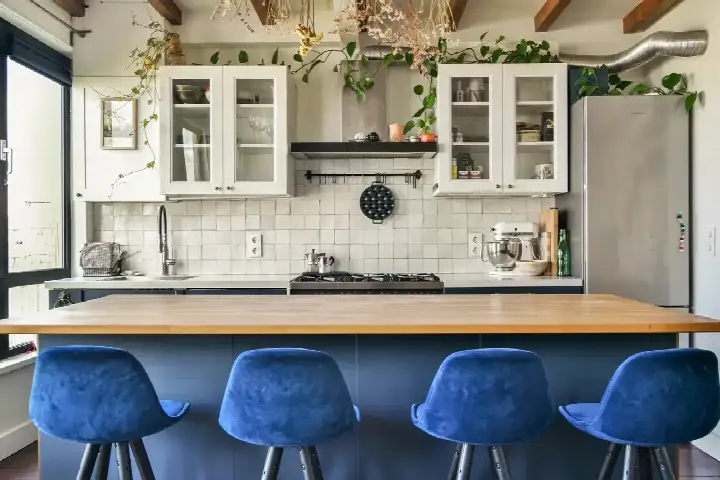
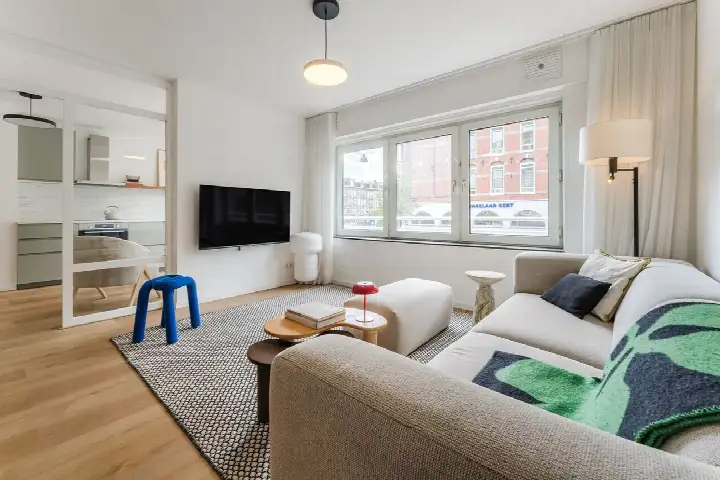
The owner-occupied segment in Borgerbuurt consists almost exclusively of apartments and upper-floor homes in pre-war buildings, typically dating from the early twentieth century. Buying an apartment in Borgerbuurt usually means choosing a home in a characteristic Amsterdam building block with high ceilings and a traditional layout. Detached houses or single-family homes are hardly available here.
How safe is Borgerbuurt?
Residents rate safety in Borgerbuurt at 7.5. That is satisfactory, but a long-term resident notes that some side streets are darker than desirable and that additional street lighting would be welcome. During the day, the atmosphere is lively and social; the neighbourhood has a close-knit community spirit that contributes to social safety.
I've lived here for over 40 years, my children grew up here, and I've seen the neighbourhood change, for better and for worse. In terms of safety, I gave it a passing grade, although there could be a bit more lighting here and there; some streets are very dark. As for hygiene, I put it down to the residents; if everyone disposes of their rubbish properly, it's fine, but that's not always the case. Then housing: our young people have difficulty finding a home because certain population groups get priority. Accessibility is good for me, but I can imagine that if you're older and they just remove stops, you have trouble getting to your destination. Education is fine, plenty of schools in the area. Also plenty of supermarkets nearby.
Auto-translated to English by AIHave lived here for over 40 years, seen the neighbourhood grow, very varied with something for everyone. Young and old together. I'll stay a while longer...
Auto-translated to English by AI