


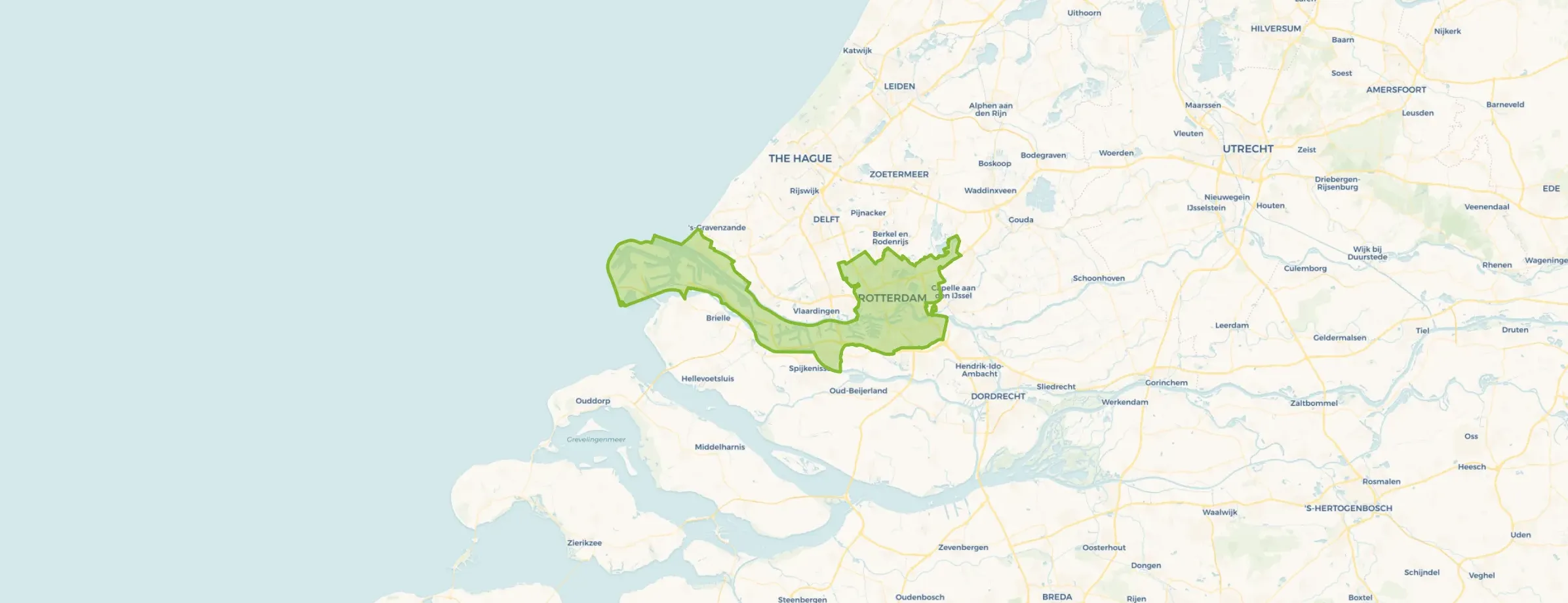

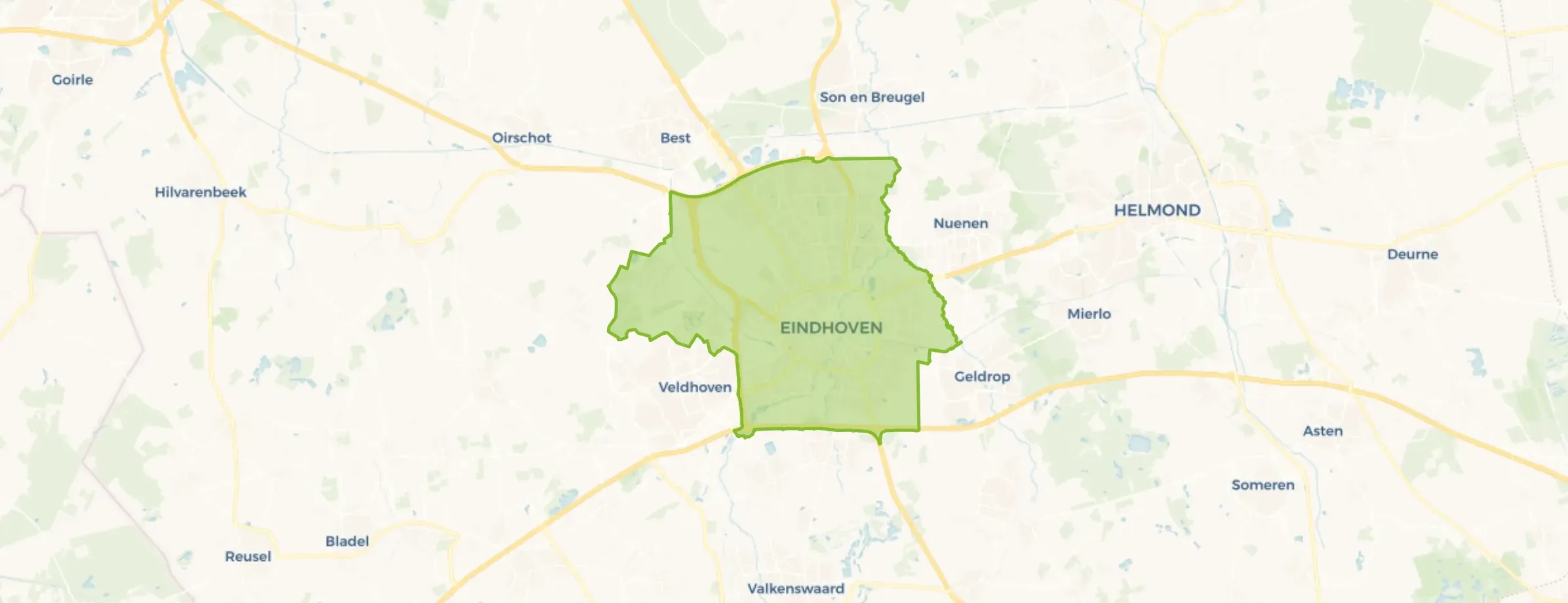


5 homes for sale in De Buurt-West, Wageningen
Discover the current supply of homes for sale in De Buurt-West and view neighbourhood data, resident reviews and market figures to determine if this Wageningen neighbourhood suits you.

House prices and market figures De Buurt-West, Wageningen
The owner-occupied market in De Buurt-West is small and selective. Of the 1,360 homes in the neighbourhood, only 22% are owner-occupied, with the rest being largely social housing (73% housing association ownership). Anyone looking to buy a home here therefore has limited choice, but does pay less than elsewhere in Wageningen. The average WOZ value is €285,000, which is slightly higher than the district average of De Buurt (€279,000), but clearly lower than the municipal average of €347,000. That difference of over €60,000 compared to Wageningen as a whole makes De Buurt-West relatively accessible for buyers on a lower budget.
In the past twelve months, five homes were sold, with an average purchase price of €545,600. The range was notably wide: from €269,000 to €895,000, showing that the supply varies greatly. With an average floor area of 180 m², the price per square metre comes to around €3,030. That is on the high side for a neighbourhood with a relatively low WOZ value, indicating a selective supply of larger, more expensive homes that occasionally become available here. Check the current listings and asking prices at the top of this page for the most up-to-date situation.
Living in De Buurt-West, Wageningen
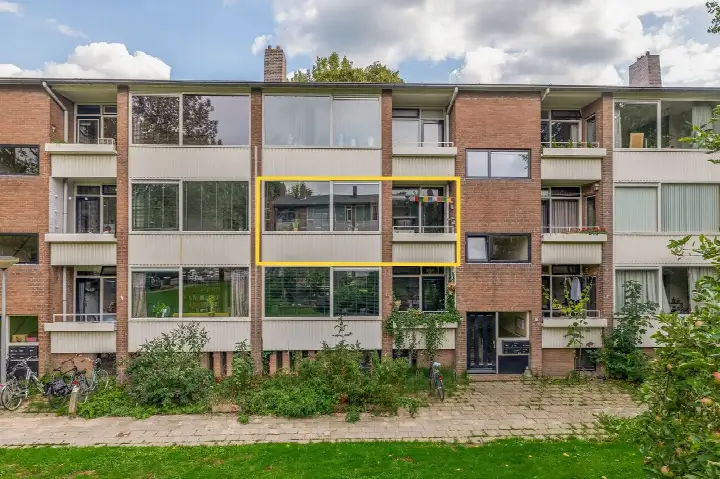
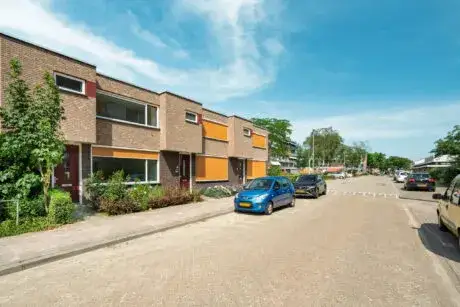
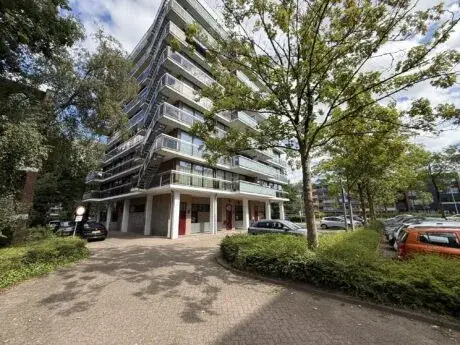
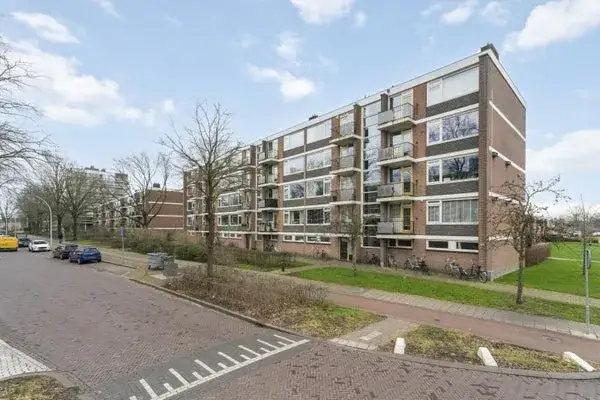
De Buurt-West is a quiet, predominantly residential neighbourhood on the west side of the De Buurt district in Wageningen. The neighbourhood has a distinct working-class character: many social housing units, a mix of young students and families, and a down-to-earth, unadorned streetscape. The buildings largely consist of terraced houses and porch flats from the 1960s and 1970s, with some newer infill here and there. It is not a neighbourhood that impresses with architecture, but one where people simply live and the threshold is low.
The age structure is varied: the largest group is between 25 and 45 years old (745 residents), but there are also relatively many young people aged 15 to 25 (465), partly due to the proximity of Wageningen University. Single-person households are by far the most common household type (920 out of approximately 2,560 residents), and only 26% of residents are married. This gives the neighbourhood a dynamic but also somewhat more anonymous character than a typical family district.
In terms of amenities, the location is reasonably practical. The centre of Wageningen, with the Hoogstraat and the weekly market, is within cycling distance. For daily groceries, there are supermarkets nearby, including a Lidl and an Albert Heijn a short drive away. Primary schools and childcare are available in the wider district. Sports enthusiasts can find their way to the fields and facilities on the edge of the city, including football clubs and a swimming pool. The Wageningse Binnenveld and the Nude (a nature reserve along the Rhine) are accessible by bike and offer space for walking and running.
Wageningen does not have its own train station. The nearest stations are Ede-Wageningen (approximately 5 km) and Arnhem Centraal (approximately 15 km), accessible via bus line 88 which runs through the neighbourhood. By car, the A12 via Ede is quickly reachable. Cyclists are well off: Wageningen is a compact city with good cycle paths, and from De Buurt-West you can be on campus or in the centre within ten minutes.
Residents appreciate the peace and central location within Wageningen, but are sometimes critical of the state of public spaces and parking pressure. One resident writes: "It's an ordinary neighbourhood without frills, you know your neighbours and the distance to everything is fine, but the pavements could have done with a bit more attention." Read more experiences and check the neighbourhood scores on the page for De Buurt-West. Compared to the neighbouring De Buurt-Oost, De Buurt-West is slightly quieter and less urban in character. Those looking for more greenery and space might also consider Haverlanden or De Weiden en Boomgaarden.
Who is a home in De Buurt-West suitable for?
Buying in De Buurt-West is reserved for a specific buyer. Due to the limited share of owner-occupied homes (22%), few homes become available, and when they do, prices are not always low despite the modest WOZ value. The wide price range (€269,000 to €895,000) shows that both first-time buyers and movers could theoretically find something, although the higher end requires a substantial budget. First-time buyers with limited savings would do well to also look at rental homes in De Buurt-West as an alternative. Families looking for space and wanting to live not too far from the university will feel at home here. Be prepared for a market with limited supply: good preparation and speed are crucial. More about the municipality can be found on the website of Wageningen municipality.
What residents say about De Buurt-West
Residents of De Buurt-West describe their neighbourhood as down-to-earth and functional. The location and accessibility of the centre score well, as does the atmosphere of a real residential neighbourhood without too much tourist hustle. Residents are sometimes less satisfied with parking pressure and the maintenance of public spaces. One resident sums it up aptly: "You just live well here, it's not a fancy neighbourhood but everything is in its place." See all reviews, partial scores and neighbourhood data on the main page of De Buurt-West on Buurtje.nl.
Compare homes for sale in and around De Buurt-West
Buurtje.nl aggregates listings from more than 1,500 sources, so you can compare homes for sale in De Buurt-West with the broader supply in the district. View all homes for sale in De Buurt for a complete picture of the district, or broaden your search to all homes for sale in Wageningen. Other neighbourhoods worth comparing: Pomona, the neighbouring De Buurt-Oost and the wider district De Horsten. Use the resident reviews and district data on this page to determine whether De Buurt-West really suits you before diving into the listings.
What does a home cost in De Buurt-West?
The average purchase price in De Buurt-West over the past twelve months was €545,600, based on five sold homes. Prices varied widely: from €269,000 to €895,000. With an average area of 180 m², the price per square metre comes to approximately €3,030. Supply is limited, so anyone wanting to buy a home in De Buurt-West would do well to act quickly as soon as something becomes available.
What is the WOZ value in De Buurt-West?
The average WOZ value in De Buurt-West is €285,000. That is slightly higher than the average for the district De Buurt (€279,000), but clearly lower than the municipal average of Wageningen (€347,000). The neighbourhood is therefore relatively affordable compared to the rest of the municipality, although actual purchase prices, due to the scarce and varied supply, are sometimes significantly higher than the WOZ value.
What is it like living in De Buurt-West?
Living in De Buurt-West is quiet and down-to-earth. It is a true residential neighbourhood with a working-class character, consisting mainly of terraced houses and porch flats from the 1960s and 1970s. The neighbourhood attracts a mix of young residents, students and families. Residents appreciate the central location and the short distance to the centre of Wageningen, but are sometimes critical of parking pressure and the maintenance of public spaces.
Is De Buurt-West suitable for first-time buyers?
In theory, first-time buyers can buy an apartment in De Buurt-West, especially in the lower price segment starting around €269,000. However, the supply of owner-occupied homes is very limited: only 22% of the housing stock is for sale. Those who are flexible can also look at rental properties as an intermediate step. The average income in the neighbourhood (€26,800) is below the Wageningen average, indicating that the neighbourhood is not exclusive, but buying a home here does require good financial preparation.
How accessible is De Buurt-West?
Wageningen does not have its own train station. The nearest station is Ede-Wageningen, about 5 kilometres away, accessible via bus line 88 which runs through the neighbourhood. By car, you connect via Ede to the A12. The bicycle is the most important means of transport in Wageningen: the centre and the university are within ten minutes by bike from De Buurt-West via well-maintained cycle paths.
What type of homes are for sale in De Buurt-West?
The supply of owner-occupied homes in De Buurt-West mainly consists of terraced houses and single-family homes from the 1960s and 1970s, with occasionally an apartment or detached house. The average area of sold homes over the past twelve months was 180 m², which is relatively spacious. Due to the wide price range (€269,000 to €895,000), there is a varied supply, although overall few homes are available to buy.
Is there much green space in De Buurt-West and what are the schools like?
De Buurt-West, as an urban residential neighbourhood, does not have large parks directly nearby, but the Nude (a nature area along the Rhine) and the Binnenveld are easily accessible by bike and offer space for recreation. Primary schools are present in the wider district De Buurt and the adjacent area. Due to the presence of the university, Wageningen also offers a wide range of education for older age groups. The municipality of Wageningen provides more information about facilities on its own website.