





6 homes for sale in De Peulen, Hardinxveld-Giessendam
Looking for a home to buy in De Peulen? Check the current supply, average asking price and time to sell at the top of this page.



Purchase prices in De Peulen: below the municipal average, but asking prices are rising
De Peulen is a neighbourhood where homeownership and renting are fairly evenly split: 52% of homes are owner-occupied, 48% are rented, a large proportion of which through a housing association (40%). The average WOZ value in De Peulen is €293,000, which is clearly lower than the municipal average of €335,000 for Hardinxveld-Giessendam. However, actual transactions tell a different story: in the past twelve months, 23 homes were sold with an average purchase price of €400,370. The range ran from €289,750 to €695,000, with an average living area of 100 m². This difference between WOZ value and sale price indicates that the market is picking up. Current listings and the average asking price can be found at the top of this page.
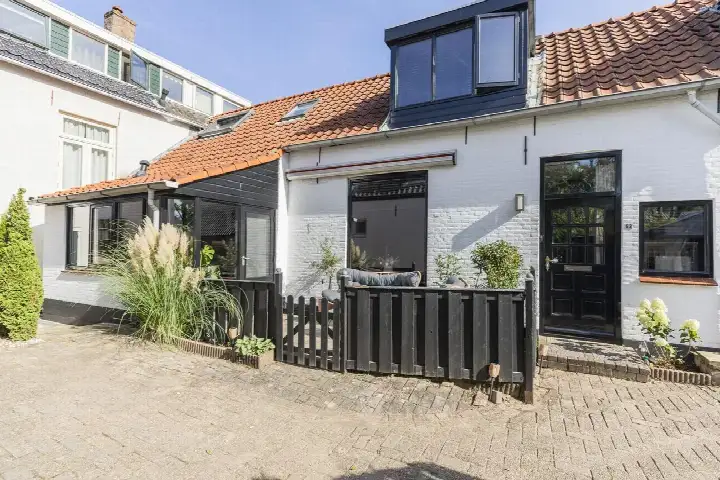
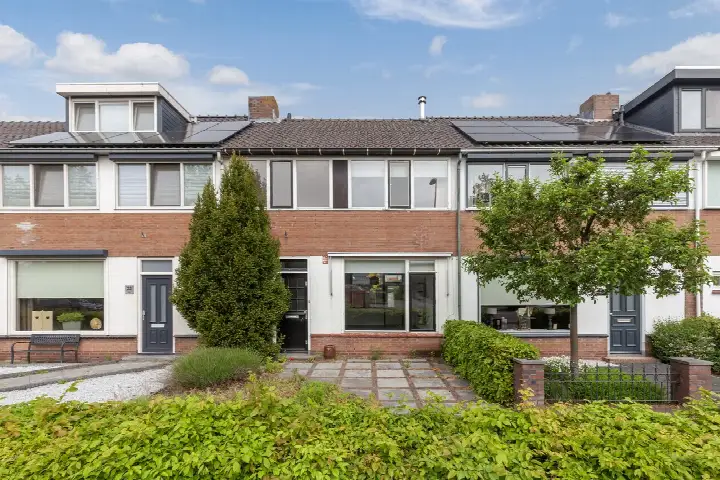
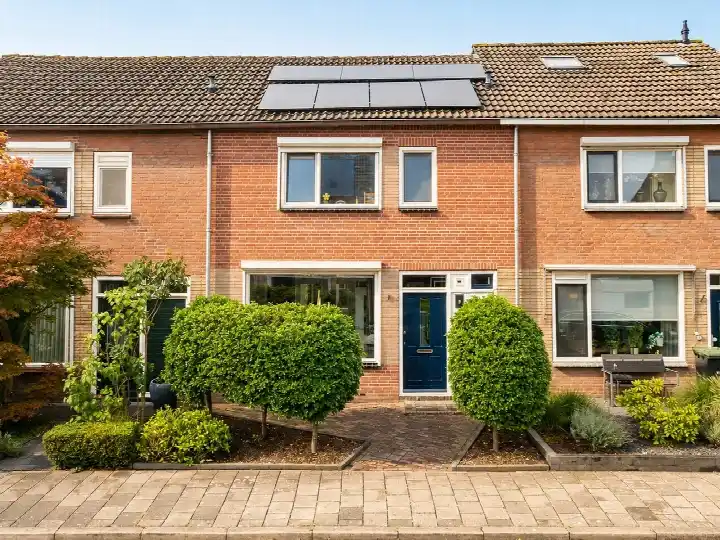
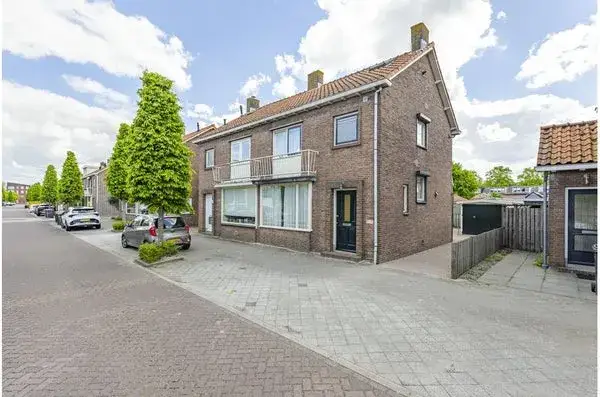
The housing stock in De Peulen mainly consists of ground-floor homes: terraced houses and semi-detached houses from the post-war and later expansion phases. Detached houses exist, but they represent the higher end of the market and partly explain the wide range in sale prices. Apartments are limited. Anyone considering buying an apartment in De Peulen would do well to keep a close eye on the listings, as they are scarce. For a broader overview of homes for sale in Hardinxveld-Giessendam, also check the municipal offerings.
Living in De Peulen: a functional neighbourhood with little fuss
De Peulen is not a neighbourhood that ends up on the cover of a lifestyle magazine, but that is precisely what many residents appreciate about it. It is a functional, accessible neighbourhood with a mixed population. The largest group of residents falls in the 25 to 45 age category, but the 65-plus group is equally large (780 people). This gives the neighbourhood a mix of young families and older residents, contributing to a quiet, community-oriented atmosphere. On the neighbourhood page for De Peulen, you can read what residents themselves say about their area, including scores per category such as safety, green spaces, and amenities. A recurring theme in the reviews is the tranquillity and recognisability of the neighbourhood: people know each other, and that is appreciated. One resident writes that the neighbourhood is "not a standout area, but a place where you simply live comfortably without hassle."
In terms of amenities, De Peulen is reasonably self-sufficient for daily shopping. Supermarkets are accessible in and around the neighbourhood, and for schools, you hardly need to leave the area. Primary schools are available in Hardinxveld-Giessendam, and for secondary education, students rely on nearby towns. Sports clubs are active in the municipality, with football, tennis, and swimming facilities within reachable distance. Green spaces are present but not abundant: the neighbourhood has playgrounds and green strips, but extensive parks are lacking. Those seeking more greenery should cycle towards the riverbank or the polders around Hardinxveld.
The accessibility of De Peulen is acceptable but not a strong point. There is no train station in the neighbourhood itself; the nearest stations are Sliedrecht or Gorinchem, both some distance away. By car, the A15 is reasonably quick to reach, making the neighbourhood attractive for commuters heading to Rotterdam or the Drechtsteden. Bus services run through the neighbourhood, but frequency is limited compared to urban areas. Those dependent on public transport will notice this. The nearby neighbourhood De Peulen-Oost has a similar character, while Bedrijventerrein De Peulen is directly adjacent and influences the environment on that side of the neighbourhood.
For whom is buying in De Peulen a realistic option?
Buying a home in De Peulen mainly appeals to young families and movers looking for a ground-floor home at a price that is unthinkable in the Randstad. With an average sale price of €400,370 and an entry level around €290,000, buying a home in De Peulen is more affordable than in many surrounding municipalities. However, do take into account additional costs: transfer tax (2% for non-first-time buyers), notary fees, and any renovation costs. Supply is limited, with only 23 transactions in the past year, so acting quickly pays off. Those who need more time to explore can also look at rental homes in De Peulen as a temporary solution.
Searching for a home in De Peulen: also compare the surrounding neighbourhoods
Buurtje.nl combines current housing listings with resident reviews and neighbourhood statistics, so you not only focus on square metres but also know what an area truly offers. If the supply in De Peulen is too limited, also compare with Neder Hardinxveld, Boven Hardinxveld or Giessendam. For municipal information on permits, zoning plans, and local regulations, you can visit the website of the municipality of Hardinxveld-Giessendam.
What is the average purchase price of a home in De Peulen?
In the past twelve months, 23 homes were sold in De Peulen, with an average purchase price of €400,370. The cheapest transaction was €289,750 and the most expensive was €695,000. The average living area in these sales was 100 m². The WOZ value in the neighbourhood is €293,000, which is lower than the municipal average of €335,000.
What are the additional costs when buying a home in De Peulen?
In addition to the purchase price, as a buyer you pay transfer tax (2% for non-starters, 0% for starters under certain conditions), notary costs for the deed of transfer and mortgage deed, and possible valuation costs. Budget roughly 4 to 6% of the purchase price for additional costs. For older homes, maintenance or renovation costs may also be a factor.
What types of homes can you buy in De Peulen?
The supply in De Peulen mainly consists of ground-based homes such as terraced houses and semi-detached houses. Detached houses are also available, but these are at the higher end of the market. Buying apartments in De Peulen is possible but the supply is limited. Most homes date from the post-war period or later expansion phases of the neighbourhood.
How accessible is De Peulen by car and public transport?
By car, De Peulen is reasonably well connected via the A15, convenient for commuters towards Rotterdam or the Drechtsteden. There is no own train station; the nearest stations are in Sliedrecht or Gorinchem. Bus services run through the neighbourhood, but frequency is limited. If you rely on public transport daily, it is best to take this into account when choosing to buy in De Peulen.
Is De Peulen a suitable neighbourhood for families with children?
Living in De Peulen is certainly an option for families. The neighbourhood has primary school facilities in the immediate vicinity and there are playgrounds and green spaces. For secondary education, pupils depend on other centres in the municipality. The quiet, neighbourhood-oriented atmosphere and the relatively affordable purchase prices compared to the Randstad make the neighbourhood attractive for young families considering buying a home in De Peulen.