Homes for sale in Groesbeek, Berg en Dal
View the current supply of homes for sale in Groesbeek, including neighbourhood scores and resident reviews, and find a home that truly suits you.


What does a home in Groesbeek cost?
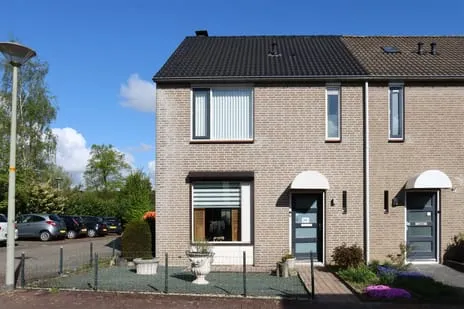
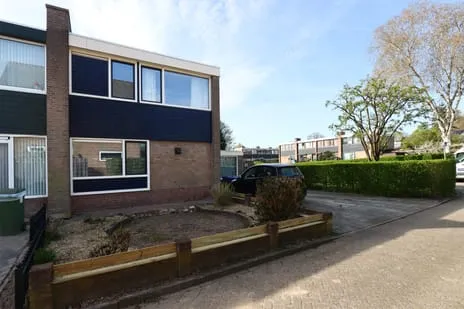
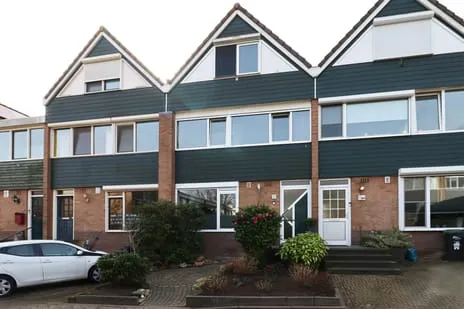
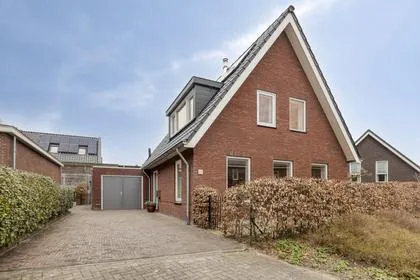
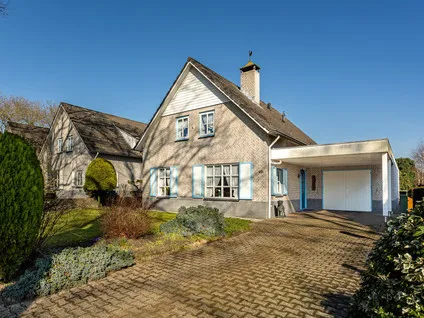
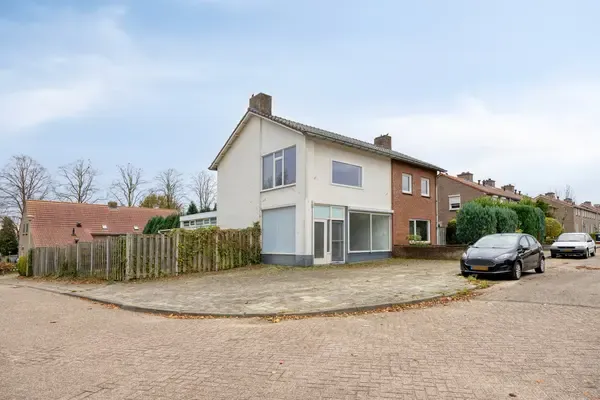
The purchase market in Groesbeek is accessible, but certainly not cheap. The average purchase price over the past year was €485,574, with a range of €275,000 to €1,490,000. This puts you slightly below the municipal average of Berg en Dal, where the WOZ value is €349,000 compared to €328,000 in Groesbeek. Of the more than 5,900 homes, 55% are owner-occupied and 45% are rental properties, a third of which are through housing associations. In the past year, 81 homes changed hands. The supply mainly consists of single-family homes, both terraced houses and semi-detached houses, with the occasional detached house or apartment. For an up-to-date picture of available homes for sale in Groesbeek, the top of this page shows the most recent overview with asking prices and selling times.
Living in Groesbeek: village character with wooded edges
Groesbeek is not an anonymous commuter village. It lies on a push moraine on the edge of the Rijk van Nijmegen, close to the German border, and you can see that in the landscape: hills, forests and vineyards. The village has its own centre with, among others, an Albert Heijn, a Jumbo and various small shops along the Dorpsstraat. There are several primary schools, including De Touwladder and Het Mozaïek, and for secondary education you go to Nijmegen. There are plenty of sports clubs, from football club SV Groesbeek to tennis club De Lunet. The National Liberation Museum attracts visitors from outside, but also gives the village its own identity.
Residents on Buurtje.nl give Groesbeek a 7.7 out of 10. Safety scores notably high at 8.6. Resident Claudia Kouws writes enthusiastically about the Helfrichstraat: "We only have nice people living in our neighbourhood and lots of fun and playful children." Other residents confirm that picture and call it a child-friendly neighbourhood with nice neighbours. But there are also critical voices. One resident calls her part of Groesbeek "cold and chilly" and misses a sense of neighbourhood, pointing to scarce public transport and a funeral home in the middle of the district. That honesty is valuable: the experience differs per neighbourhood. Check the reviews and sub-scores on the district page to see which neighbourhood suits you.
In terms of accessibility, Groesbeek is not a top location for commuters, and you should know that. There is no train station; the nearest station is Nijmegen, about 15 minutes by car. Bus line 5 (Breng) connects Groesbeek with Nijmegen Central, but the frequency is limited in the evenings. By car, you can reach Nijmegen via the N841 and A73 in a quarter of an hour. The German border at Kranenburg is a five-minute drive away. Within Groesbeek, you can choose from different neighbourhoods: Centrum-Zuid is popular with those who want to live close to the shops, while de Stekkenberg offers more space and greenery. For those looking for the rural area, Groesbeek-Noord-West is worth exploring.
Does Groesbeek suit you as a buyer?
With an average income of €33,400 and purchase prices starting around €275,000, buying a home in Groesbeek is not a given for first-time buyers, but it is not impossible either. Families are well represented here and find a village network with schools and clubs. The large group of over-45s (more than 7,200 residents) shows that downsizers and seniors also like to stay here. Keep in mind additional costs: transfer tax (2%), notary and valuation costs can quickly add up to €10,000 extra. With a limited supply of 81 sales per year, patience is required, and overbidding occurs. If you are looking for more flexibility, also check out rental properties in Groesbeek as an alternative. Buying an apartment in Groesbeek is possible, but the supply is smaller than for single-family homes.
Searching for a home in Groesbeek and surroundings
Buurtje.nl combines current housing supply with neighbourhood scores and resident reviews, so you find not just a home but also the right neighbourhood. Compare Groesbeek with nearby districts such as Beek, the village of Berg en Dal or De Horst. Or view the total overview of homes for sale in the municipality of Berg en Dal. Want to know more about life in this district? On the website of the municipality of Berg en Dal you will find information about zoning plans and local regulations.
Frequently asked questions
What is the average price of a home in Groesbeek?
The average purchase price in Groesbeek over the past year was €485,574. The cheapest homes sold for around €275,000 and the most expensive for around €1,490,000. The average WOZ value is €328,000, slightly below the municipal average of €349,000.
What additional costs do I incur when buying a home in Groesbeek?
In addition to the purchase price, you pay 2% transfer tax, notary fees for the deed of transfer and mortgage deed, valuation costs, and possibly advisory fees. Expect around €8,000 to €12,000 extra, depending on the purchase price and your mortgage type.
Is Groesbeek suitable for families looking to buy a home?
Yes, Groesbeek scores well on safety (8.6/10) and residents describe the village as child-friendly. There are several primary schools, sports clubs, and plenty of green space. The village character ensures short lines of communication. For secondary education, you do have to travel to Nijmegen.
How accessible is Groesbeek for commuters?
Groesbeek does not have its own train station. Bus line 5 (Breng) takes you to Nijmegen Central in about 30 minutes. By car, via the N841 and A73, you can reach Nijmegen in a quarter of an hour. Public transport frequency is limited, especially in the evenings.
Can I buy an apartment in Groesbeek?
Yes, but the supply is limited. The vast majority of the housing stock consists of single-family homes. Apartments do appear on the market regularly, especially in and around the centre. Keep an eye on the current listings on this page for new properties.
Child-friendly neighbourhood, nice neighbours
Auto-translated to English by AIWe only have nice people living in our neighbourhood and lots of fun and playful children
Auto-translated to English by AINice neighbourhood
Auto-translated to English by AICold and bleak. Not neighbourhood-friendly. No consideration for other residents. Funeral centre... in the middle of the neighbourhood... nothing to do... depressing neighbourhood. Waiting lists everywhere. No communication with residents. Public transport scarce.
Auto-translated to English by AILively neighbourhood right in the centre. The speeding traffic sometimes makes it unpleasant. People park in places where it's not allowed, even though there is a large car park.
Auto-translated to English by AI