Homes for sale in Groesbeek Stekkenberg, Berg en Dal
Discover the current supply of homes for sale in Groesbeek Stekkenberg and compare prices, neighbourhood data and resident reviews directly on this page.
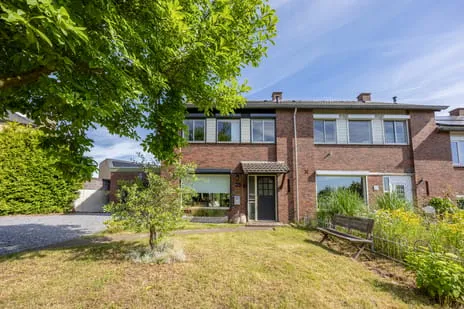
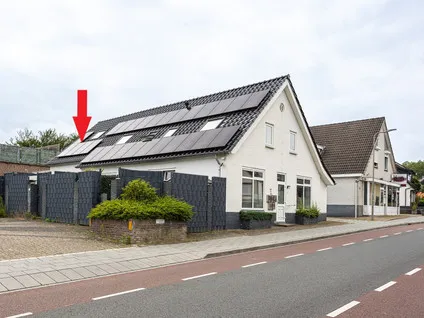

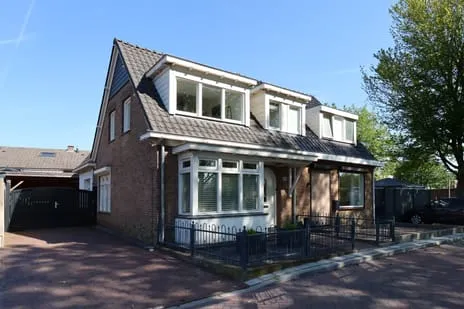
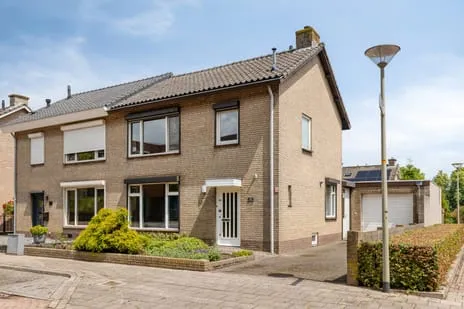
House prices and market figures Groesbeek Stekkenberg, Berg en Dal
The owner-occupied market in Groesbeek Stekkenberg is relatively balanced: 51% of the housing stock is owner-occupied, the remaining 49% is rental, a large part of which is owned by housing associations. That association share of 43% is remarkably high and gives the neighbourhood a mixed character in terms of resident profile.
The average WOZ value is €318,000. That is lower than the district average of Groesbeek (€328,000) and clearly lower than the municipal average of Berg en Dal (€349,000). Stekkenberg is thus one of the more accessible neighbourhoods in the municipality, although the WOZ value does not tell the whole story. Actual transaction prices are higher: over the past twelve months, 11 homes were sold with an average purchase price of €457,091. The range ran from €309,500 to €585,000, indicating that the supply is varied. With an average living area of 114 m², the price per square metre comes to approximately €4,010. For current asking prices and available supply, you can consult the overview at the top of this page.
Living in Groesbeek Stekkenberg, Berg en Dal
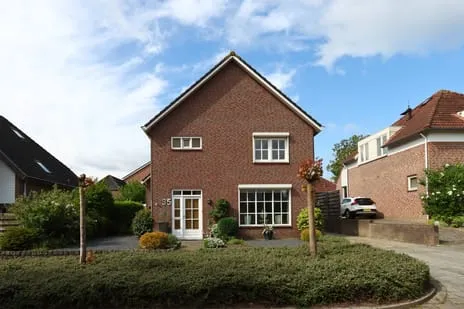
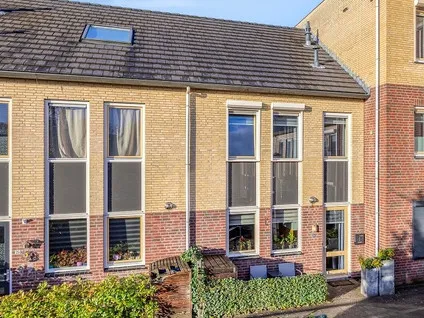
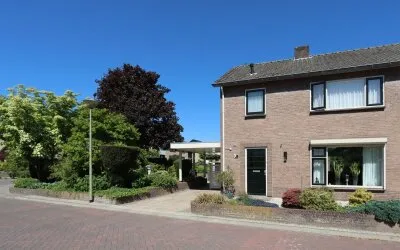
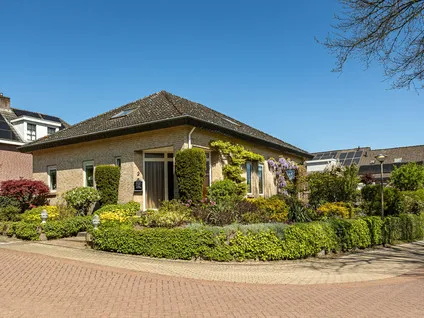
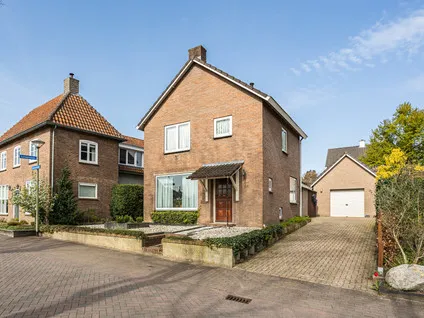
Stekkenberg is a quiet residential neighbourhood on the south side of Groesbeek, nestled between the greenery of the Groesbeek hills and the more urban centre. The neighbourhood has a distinct 1970s character: many semi-detached and terraced houses from that period, with spacious gardens and wide streets. There are also detached homes, but they are in the minority. The buildings are not spectacular, but the scale is human and the streets are green with mature planting.
What sets Stekkenberg apart from surrounding neighbourhoods such as Groesbeek Centrum-Noord or Groesbeek Nijerf is the relative tranquillity combined with a good walking distance to the centre of Groesbeek. Shopping is easy: the supermarkets and shops on Kerkstraat and Dorpsstraat in Groesbeek are within a few minutes by bike. For daily amenities, you hardly need to leave the neighbourhood.
Schools are well represented in Groesbeek as a whole. Primary schools such as the Antonius van Paduaschool and Montessori education in the village are a practical advantage for families with children. For secondary education, pupils rely on Groesbeek itself or Nijmegen, which is about twelve kilometres away.
Accessibility by car is reasonable: via the N844 you quickly reach Nijmegen, and the A73 is accessible via Heumen. Public transport is more limited. Bus connections towards Nijmegen run through the centre of Groesbeek, but the frequency is not high. A car is practically indispensable if you live here. Cyclists have it better: the Rijk van Nijmegen offers beautiful cycling routes, and the centre of Groesbeek is easily accessible by bike.
The largest age group in Stekkenberg is 45 to 65 years, followed by those aged 65 and over. You notice this in the atmosphere: it is not a neighbourhood where much going out happens or where it is busy on the streets in the evening. Families with children are present, but the neighbourhood has a predominantly mature, subdued tone. On the neighbourhood main page of Groesbeek Stekkenberg you will find resident reviews and neighbourhood scores that confirm this picture. One resident writes: "It is wonderfully quiet here, the neighbours know each other and there is little nuisance. Only the public transport could have been better." That sums it up well: strong social cohesion, but limited mobility options without your own transport.
Who is a home for sale in Groesbeek Stekkenberg interesting for?
Stekkenberg mainly attracts movers and families looking for space without the hustle and bustle of a city. The combination of an average purchase price around €457,000 and homes averaging 114 m² makes this not a starter neighbourhood, although at the lower end of the market (from about €310,000) there is sometimes something to be found. Starters who still want to live in Groesbeek would do well to also look at Groesbeek De Drul-West or Groesbeek Centrum-Zuid, where the supply is sometimes more accessible. For those considering renting as an intermediate step: there are also rental homes in Groesbeek Stekkenberg available. Be honest with yourself about the dependence on the car: without a driving licence, life here is less comfortable.
What residents say about Groesbeek Stekkenberg
Residents appreciate Stekkenberg especially for the tranquillity, the green surroundings and the feeling of safety. The neighbourhood scores well on social cohesion and living environment. Criticism focuses mainly on public transport and the limited dining and evening amenities in the immediate vicinity. One resident sums it up aptly: "You really live well here, but you have to be willing to make some sacrifices in terms of mobility." View all reviews and the full neighbourhood data on the page of Groesbeek Stekkenberg, including scores per category such as safety, greenery and amenities.
Compare homes for sale in and around Groesbeek Stekkenberg
Buurtje.nl bundles supply from more than 1,500 sources in one place, supplemented with resident reviews and neighbourhood data that you will not find in this combination anywhere else. This way you can compare not only homes, but also neighbourhoods. View the broader supply of homes for sale in Groesbeek or broaden your search area to homes for sale in Berg en Dal. If you want to know how the municipality relates to the region, the page of Berg en Dal gives a good overview. More about local municipal amenities and plans can be found on the website of the municipality of Berg en Dal. If you are also considering other districts, then Beek and Berg en Dal are worth a look if you like greenery and tranquillity.
Frequently asked questions
What is the cost of a home in Groesbeek Stekkenberg?
Over the past twelve months, 11 homes were sold in Groesbeek Stekkenberg, with an average purchase price of €457,091. The range ran from €309,500 to €585,000. With an average living area of 114 m², the price per square metre comes to approximately €4,010. The supply is varied, but a home in Groesbeek Stekkenberg is rarely a budget purchase.
What is the WOZ value in Groesbeek Stekkenberg?
The average WOZ value in Groesbeek Stekkenberg is €318,000. This is below the district average of Groesbeek (€328,000) and clearly below the municipal average of Berg en Dal (€349,000). Stekkenberg is thus one of the more affordably valued neighbourhoods in the municipality, although actual transaction prices are higher than the WOZ value suggests.
What is it like to live in Groesbeek Stekkenberg?
Living in Groesbeek Stekkenberg is quiet and green, with a neighbourhood consisting mainly of homes from the 1970s and a mature, subdued atmosphere. Social cohesion is high and residents experience little nuisance. Public transport is a frequently mentioned point of attention: a car is practically indispensable. The neighbourhood best suits people who value peace and space over urban liveliness.
Is Groesbeek Stekkenberg suitable for families with children?
Yes, the neighbourhood is certainly suitable for families. The largest group of households consists of families with children, and the spacious homes with gardens fit well with family life. Primary schools in Groesbeek are within a short distance. For secondary education, one must rely on Groesbeek or Nijmegen. The quiet streets and low traffic make the neighbourhood child-friendly.
How accessible is Groesbeek Stekkenberg?
By car, Groesbeek Stekkenberg is reasonably accessible: Nijmegen is about twelve kilometres away via the N844, and the A73 is reachable via Heumen. Public transport is more limited: buses towards Nijmegen run through the centre of Groesbeek, but the frequency is low. Cyclists benefit from beautiful routes through the Rijk van Nijmegen. For most residents, owning a car is not a luxury but a necessity.
What types of homes are for sale in Groesbeek Stekkenberg?
The supply mainly consists of semi-detached houses and terraced houses, largely built in the 1970s. Detached homes are also available, but they are scarcer and generally more expensive. Buying an apartment in Groesbeek Stekkenberg is less common; the housing stock is predominantly ground-based. The average living area of sold homes over the past twelve months was 114 m².
How much green space and nature is there in and around Groesbeek Stekkenberg?
Groesbeek Stekkenberg is close to the forests and hills of the Rijk van Nijmegen, one of the greenest areas in the region. Walking and cycling routes through the Groesbeek forests start practically at your doorstep. For many residents, this is an important reason to want to live here. The neighbourhood itself is also green, thanks to mature street trees and spacious gardens at most homes.