Homes for sale in Leyenburg, Den Haag
View the current supply of homes for sale in Leyenburg, with resident reviews, neighbourhood scores and market data to make the right choice.

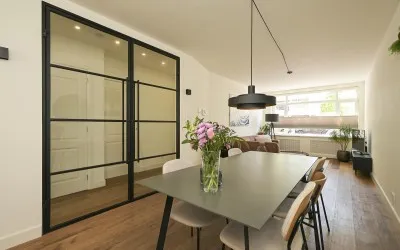
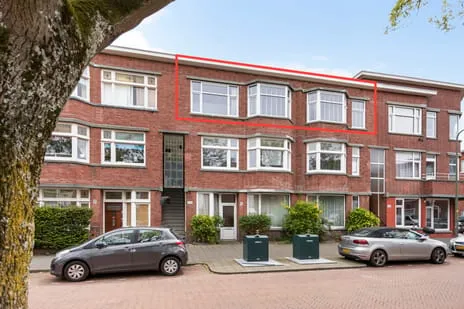
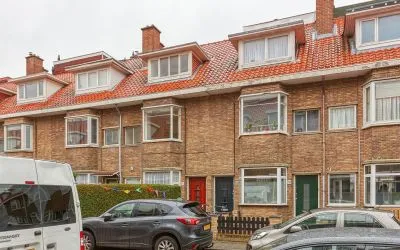
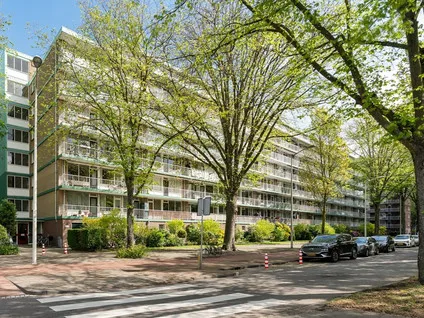
What does a home in Leyenburg cost?
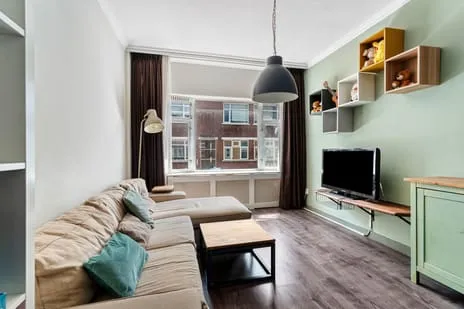
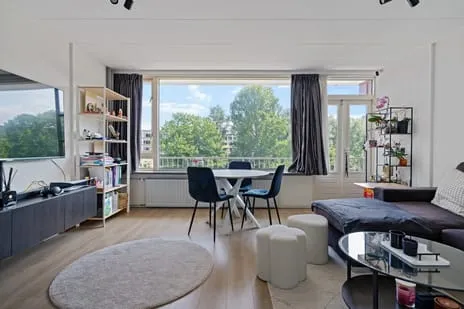
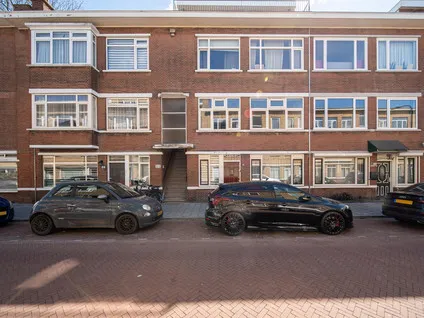
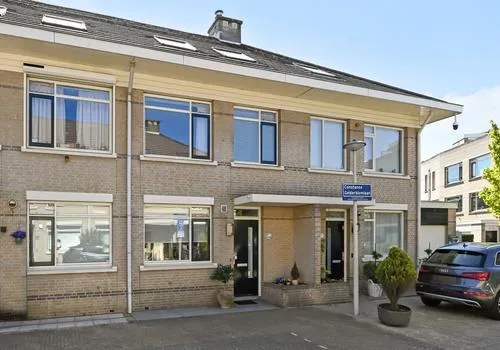
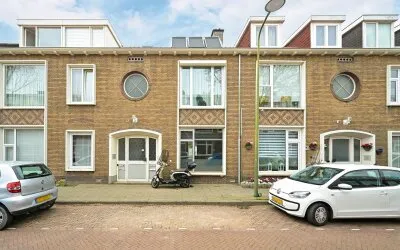
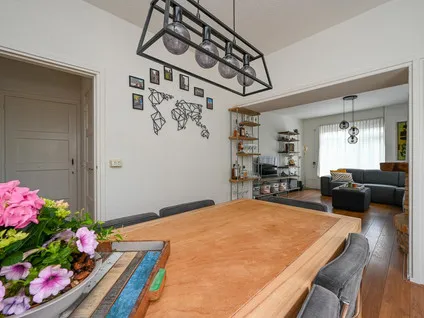
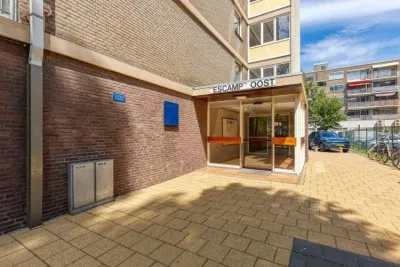
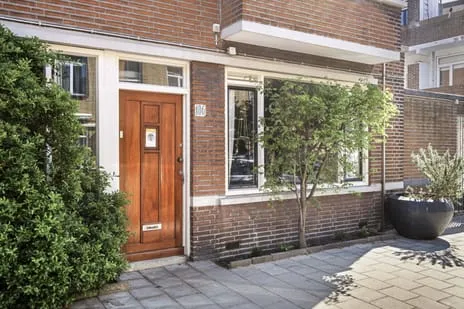
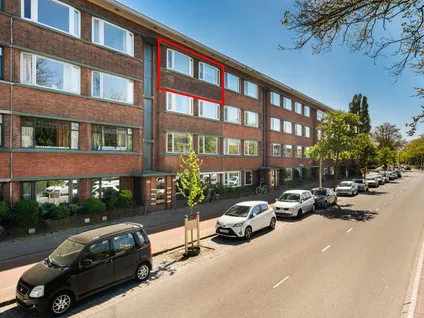
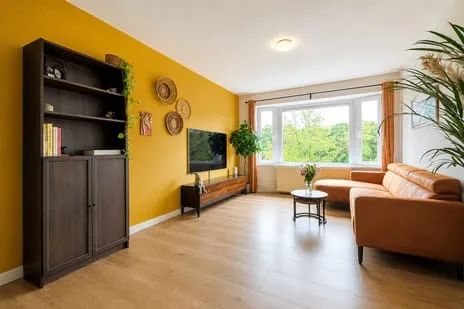
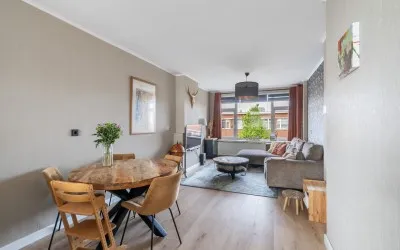
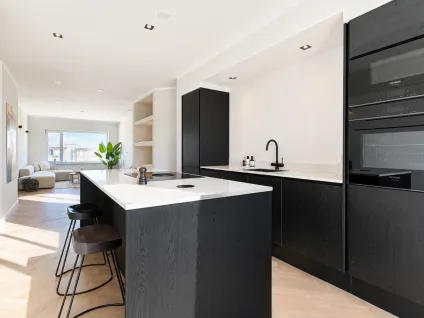
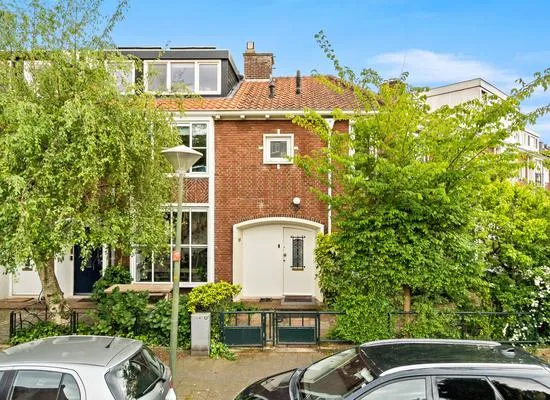
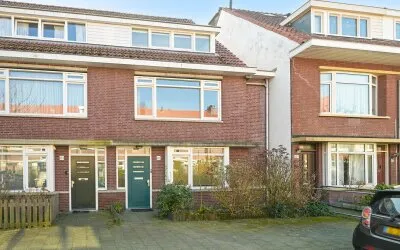
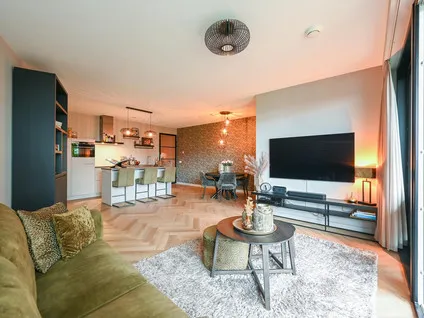
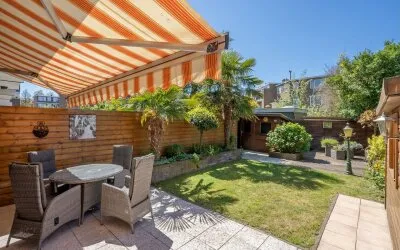
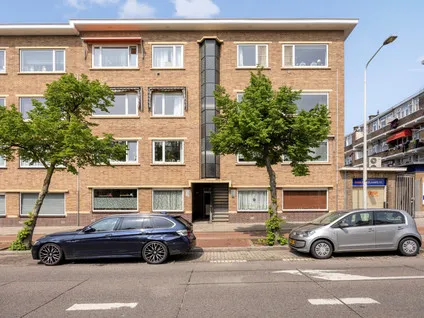
The owner-occupied market in Leyenburg is more accessible than in many other The Hague neighbourhoods. The average purchase price over the past year was €315,594, with a range from €200,000 to €637,000. That is well below the average for owner-occupied homes in The Hague, where the WOZ value is €354,000. In Leyenburg, the average WOZ value is €259,000. The difference makes the neighbourhood interesting for buyers who want to live in The Hague without paying top dollar. Just over 53% of the housing stock is owner-occupied, the rest is rental, a significant portion of which is with private landlords. The average living area of sold homes is 83 m². Expect a mix of post-war single-family homes, porch flats and terraced houses. Check the overview at the top of this page for current asking prices and selling times.
Living in Leyenburg: a bit of village in the middle of The Hague
Leyenburg has the character of an old, lived-in neighbourhood where people still know each other. Residents give the area a 7.4 out of 10 on Buurtje.nl, based on 8 reviews. What stands out: amenities score highest at 8.5, and safety (8.4) and education (7.7) are also rated well. Resident Daisy aptly describes it as "a nice multicultural neighbourhood, a bit of village in a city" and says neighbours help each other and collaborate via a neighbourhood app. At the same time, not everyone is equally enthusiastic. Judith, who lives in the Floris Nachtegaalplantsoen, warns that outside her immediate block it can be "an antisocial mess", with household items on the street and banger fireworks. That honesty typifies Leyenburg: it is a neighbourhood with warm sides and rough edges. On the Leyenburg neighbourhood page you can read all resident reviews and view scores per category.
In terms of amenities, you are well served. Leyenburg Shopping Centre, within walking distance, offers supermarkets such as Albert Heijn and Lidl, a pharmacy, chemist and various specialist shops. Residents mention the "cosy shopping centres" as a plus. Zuiderpark is just around the corner, one of the largest city parks in The Hague with playgrounds, sports fields and plenty of greenery. That somewhat compensates for the mediocre score for green space in the immediate neighbourhood itself (6.4). For education, there are primary schools such as De Kleine Wereld and the Edith Stein College for secondary education nearby. The Haga Hospital, Leyenburg location, is literally in the neighbourhood, which is a reassuring thought for many residents. More information about amenities and neighbourhood plans can be found on the website of the municipality of The Hague.
Accessibility is solid. Leyenburg tram stop is served by several HTM lines, including lines 3, 4 and 16, which get you to The Hague Central in a quarter of an hour. Bus lines towards Rijswijk and Delft also stop in the neighbourhood. By car, you are quickly on the A4 and A12 via the Erasmusweg. Parking, however, is a frequently mentioned pain point. Several residents complain about the high parking pressure, especially in streets with post-war buildings where not so many cars were anticipated at the time. One resident notes: "Parking is a big problem." Those looking for a bit more space from the Leyenburg area can also look at the supply in adjacent parts of the neighbourhood.
Does Leyenburg suit you as a buyer?
With an average purchase price around €315,000 and homes from €200,000, buying an apartment in Leyenburg is achievable for starters who want to begin in The Hague. Families will find affordable single-family homes with Zuiderpark within walking distance, and seniors benefit from the proximity of the hospital and good public transport connections. Keep in mind additional costs: transfer tax (2% for owner-occupation), notary and estate agent fees. Be honest with yourself about the parking pressure and the varying street scene; not every corner of the neighbourhood is equally tidy. Is buying in Leyenburg just a bit too much? Then also check out the rental homes in Leyenburg as an alternative to get to know the area first.
Searching for an owner-occupied home in Leyenburg and surroundings
On Buurtje.nl, you combine the current housing supply with neighbourhood scores, district statistics and honest resident reviews, so you not only buy a house but also know what kind of neighbourhood you are getting. Want to compare? Then also check the supply in Oostduinen, Belgisch Park or the Benoordenhout neighbourhood. Or explore the complete overview of all neighbourhoods in The Hague.
Frequently asked questions
What is the average price of a home in Leyenburg?
The average purchase price in Leyenburg over the past year was €315,594. Prices range from approximately €200,000 to €637,000, depending on the type of property and its state of maintenance. The average living area is 83 m².
What types of homes can I buy in Leyenburg?
The supply mainly consists of post-war terraced houses, porch flats and single-family homes from the 1940s and 1950s. Buying an apartment in Leyenburg is the most affordable option. The neighbourhood has 8,489 homes, of which 53% are owner-occupied.
How accessible is it if I buy a home in Leyenburg?
Leyenburg is well accessible by tram (lines 3, 4 and 16) and bus. You can reach Den Haag Centraal in about 15 minutes. By car, you can quickly get onto the A4 and A12 via the Erasmusweg. Parking is, however, a frequently mentioned bottleneck in the neighbourhood.
How does the WOZ value in Leyenburg compare to the rest of The Hague?
The average WOZ value in Leyenburg is €259,000, while the average in The Hague is €354,000. This makes buying a home in Leyenburg relatively affordable. Keep in mind that the WOZ value also determines your municipal taxes.
Are there good schools and facilities in Leyenburg?
Yes, residents rate education at 7.7 and facilities at 8.5 out of 10. There are several primary schools and the Edith Stein College for secondary education. Leyenburg Shopping Centre offers supermarkets, shops and catering. The Haga Hospital is located in the neighbourhood.
An old neighbourhood, from the 1940s. Unfortunately, a flat was built on Soesterbergstraat many years ago that doesn't fit in with the area at all. The conversion into bedsits hasn't improved the neighbourhood. Parking is a big problem. It is conveniently close to Zuiderpark though.
Auto-translated to English by AIOlder houses that could use some maintenance. Parking pressure is high. Cosy shopping centres, good public transport facilities.
Auto-translated to English by AIOf course there are always a few people who don't take putting out the rubbish properly seriously. But overall, our neighbourhood is a nice, cosy area. We know our immediate neighbours and help each other when we can. We have a neighbourhood app together where we can share our problems with each other. And warn each other about thieves or vagrants. I am happy with my neighbourhood.
Auto-translated to English by AII live in the FNP and there we spend a lot on keeping it cosy and clean. But outside our little neighbourhood it's an antisocial mess. Household items are just put out on the street. Always banger fireworks. Gatherings, with or without laughing gas, etc.
Auto-translated to English by AII think my neighbourhood is the quietest and cleanest in all of The Hague. Everywhere else you find rubbish on the streets, people who can't behave, traffic is a big joke, but in Leyenburg it's completely different. It's clean, quiet, peaceful here, people behave well, there are few traffic jams, and especially no stupid people standing on the bike paths with hazard lights.
Auto-translated to English by AIIt's a cosy neighbourhood, unfortunately a lot of unpleasant things happen here though.
Auto-translated to English by AIPros: central, good accessibility, good shopping centre. Cons: little greenery, lots of traffic.
Auto-translated to English by AILeyenburg is a neighbourhood with plenty of shops and good public transport connections to, for example, the beach and the city. However, there are many slumlords where students live and there are not enough racks for cyclists. Also, dog poo is not cleaned up.
Auto-translated to English by AI