Homes for sale in Maarssen, Stichtse Vecht
View the current supply of homes for sale in Maarssen, including neighbourhood scores and resident reviews. Discover which neighbourhood suits you.

What does a home cost in Maarssen?
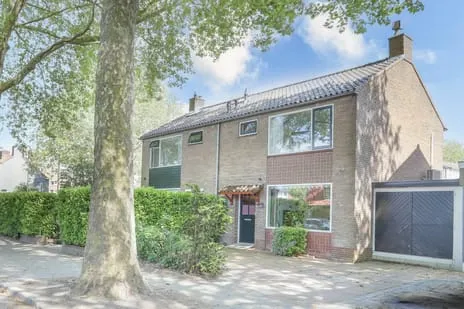
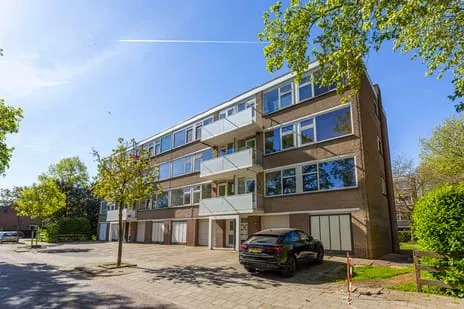
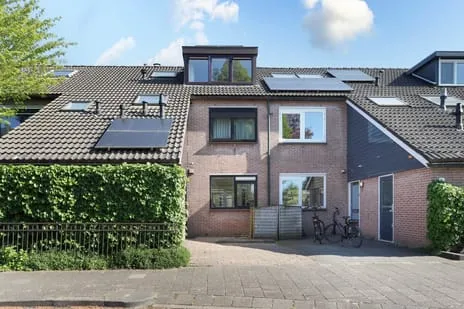
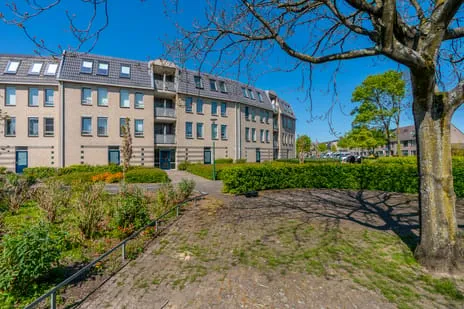
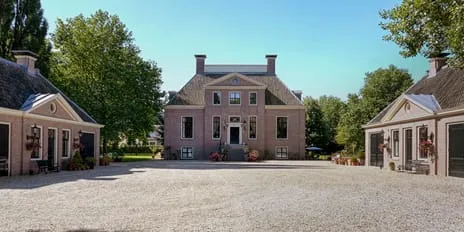
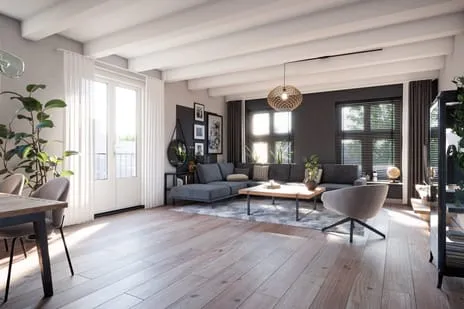
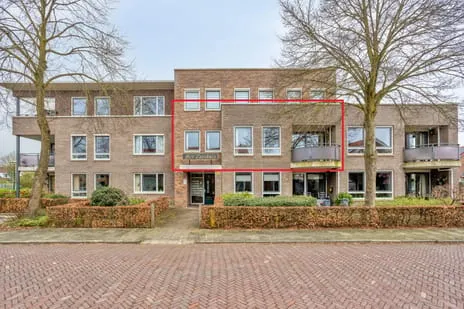
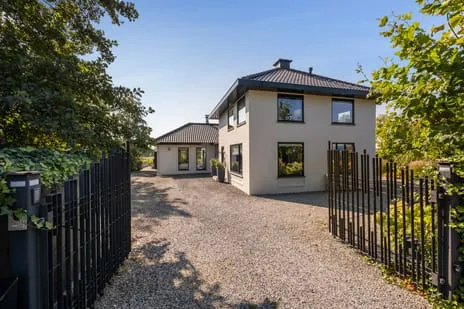
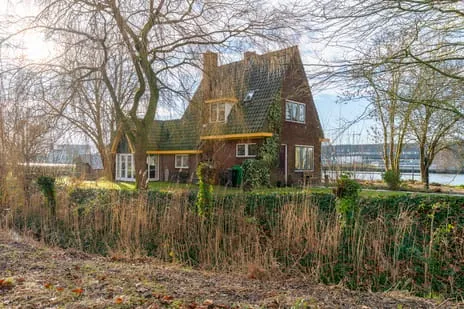
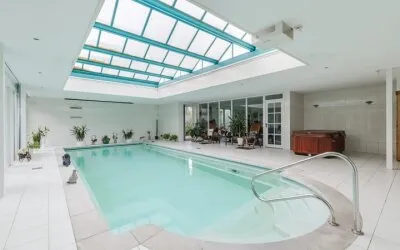
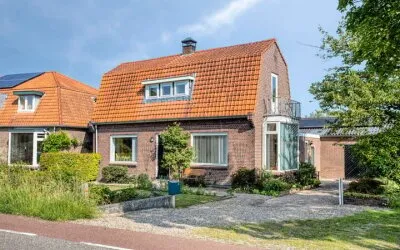
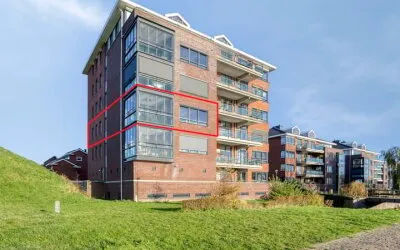
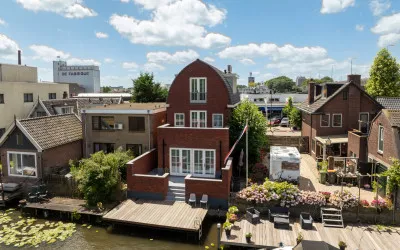
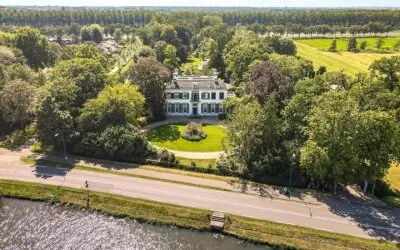
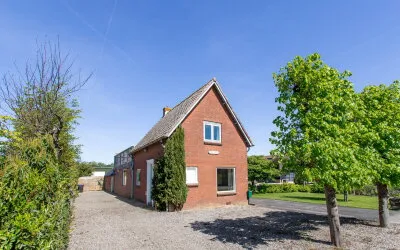
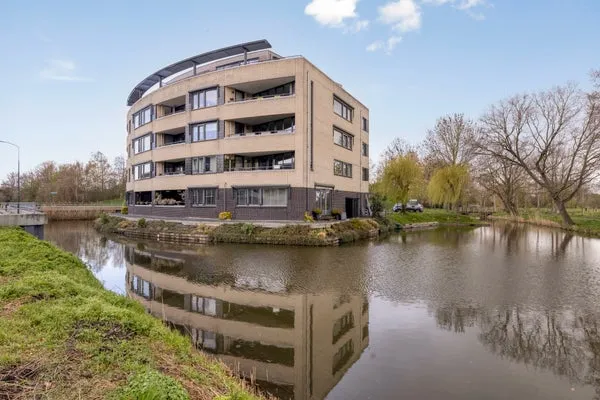
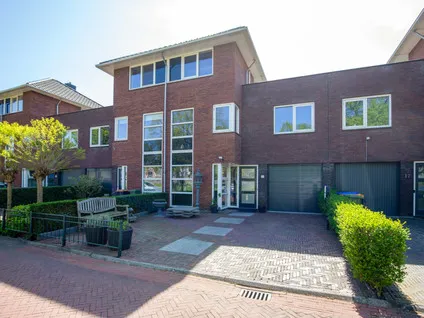
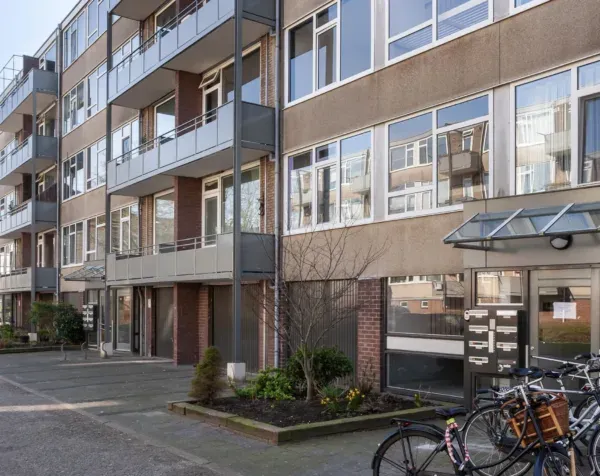
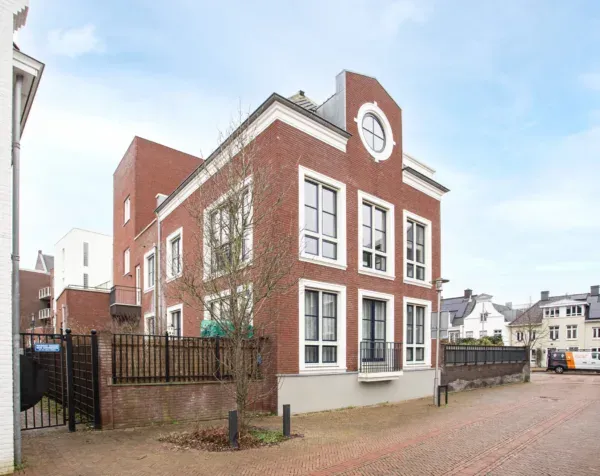
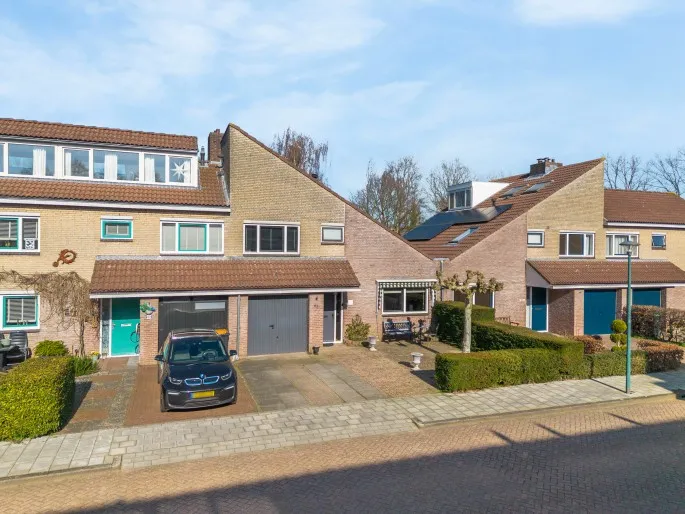
The housing market in Maarssen is firmly priced. The average purchase price over the past year was €636,802, based on 96 sold homes. The range is wide: from €199,000 for a compact apartment to €1,550,000 for a spacious detached house. With an average living area of 119 m², you pay significantly more here than in the rest of the municipality of Stichtse Vecht, where the average WOZ value is €455,000. In Maarssen itself, the WOZ value is €514,000, about 13% higher than the municipal average. Nearly 68% of the housing stock of 7,085 homes are owner-occupied, meaning the supply predominantly consists of owner-occupied homes in Maarssen. You will find a mix of terraced houses, semi-detached houses and apartments, particularly in neighbourhoods such as de Componistenbuurt and het Schilderskwartier. At the top of this page, view the current supply and the average asking price at this moment.
Living in Maarssen: quiet, accessible, but not exciting for everyone
Maarssen is a neighbourhood best described as functional and quiet. On the neighbourhood page of Maarssen, residents rate the area a 6.2 out of 10. That is not an exceptionally high score, and it is not due to unsafety or poor housing. On the contrary: safety scores an 8.0 and housing a 7.0. It is mainly the softer aspects that lag behind. Resident Pom sums it up succinctly: "A quiet and boring neighbourhood." According to Pom, it is "dead quiet," but that sometimes comes at the expense of liveliness. Grass fields and playgrounds are also perceived as neglected, which explains the green score of 5.0. The sense of community also scores a 5.0, suggesting that neighbours do not naturally seek each other out.
In terms of amenities, Maarssen has the basics well in order. In the centre on Kaatsbaan and Harmonieplein, you will find an Albert Heijn, a Jumbo and various small shops. There are several primary schools, including De Schakel and De Meander, and for secondary education, students travel to Utrecht or Breukelen. Vechtpark and the banks of the Vecht offer opportunities for walking or cycling, although green maintenance is a point of attention. For sports, there are options at football club SV Maarssen and tennis club De Kaatsbaan.
Accessibility is decent but not spectacular, with a score of 6.0 from residents. Station Maarssen is on the Utrecht-Amsterdam railway line, and you are at Utrecht Centraal in about ten minutes. The A2 is nearby, which is handy for motorists heading to Amsterdam or Den Bosch. Bus lines connect Maarssen with surrounding villages in Stichtse Vecht. If you are looking for more village tranquillity, consider Loenen aan de Vecht or the small-scale Vreeland. If you are looking for a bit more buzz while maintaining good connections, then Breukelen is worth a look. Within Maarssen itself, prices and atmosphere vary: the Lanenkwartier has a villa neighbourhood character, while the Zeeheldenbuurt is more compact and affordable. On the website of the municipality of Stichtse Vecht, you will find information about zoning plans and ongoing projects in the neighbourhood.
Does Maarssen suit you as a buyer?
With an average household income of €49,200 and a high percentage of highly educated people (44%), Maarssen mainly attracts movers and dual-income couples who appreciate the proximity to Utrecht without living in the city. Buying an apartment in Maarssen can start from around €200,000, but for a family home with a garden, you should expect amounts above €500,000. Do not forget the additional costs: transfer tax (2%), notary and valuation costs quickly add up to an extra €10,000. First-time buyers with a smaller budget find it difficult here, especially because overbidding is common. If you prefer to rent first, you can look at rental homes in Maarssen, although the rental supply is more limited at 31% of the stock. Be honest with yourself: if you are looking for a lively neighbourhood, Maarssen is probably not your place.
Exploring the housing supply in Maarssen
On Buurtje.nl, you combine the current purchase supply with neighbourhood scores, resident reviews and neighbourhood statistics, so you not only consider buying a home in Maarssen, but also know what it is really like to live there. Feel free to compare with the supply in the rest of the municipality of Stichtse Vecht or look at specific neighbourhoods such as Omgeving Goudestein and Otterspoorbroek to see where buying your home fits best.
Frequently asked questions
What is the average price of a home in Maarssen?
The average purchase price in Maarssen over the past year was €636,802, based on 96 transactions. Prices range from €199,000 to €1,550,000, depending on the type of property and its location within the neighbourhood.
How does the WOZ value of homes in Maarssen compare to Stichtse Vecht?
The average WOZ value in Maarssen is €514,000. That is significantly higher than the municipal average of Stichtse Vecht, which stands at €455,000. This makes Maarssen one of the more expensive neighbourhoods in the municipality.
Can I, as a first-time buyer, purchase a home in Maarssen?
It is difficult but not impossible. Buying an apartment in Maarssen can start from around €200,000, but the supply in that price range is limited. Be prepared for additional costs such as transfer tax (2%), notary fees, and valuation costs. Overbidding is common.
How accessible is Maarssen for commuters?
Maarssen station is on the Utrecht-Amsterdam railway line, allowing you to reach Utrecht Centraal in about ten minutes. The A2 motorway is easily accessible for drivers. Bus routes connect the neighbourhood with other towns in Stichtse Vecht.
What facilities are available for families buying a home in Maarssen?
Maarssen has several primary schools, supermarkets such as Albert Heijn and Jumbo, and sports clubs including SV Maarssen. Vechtpark offers space for playing and walking. Residents do note that playgrounds and green spaces could be better maintained.
The polar bear quiet neighbourhood, only sometimes it's too quiet. Furthermore, I think the lawns and playgrounds in the neighbourhood are heavily neglected.
Auto-translated to English by AI