





15 homes for sale in Vreeland, Stichtse Vecht
View the current supply of homes for sale in Vreeland and compare prices, neighbourhood data and resident reviews directly on this page.





House prices in Vreeland: well above the municipal average
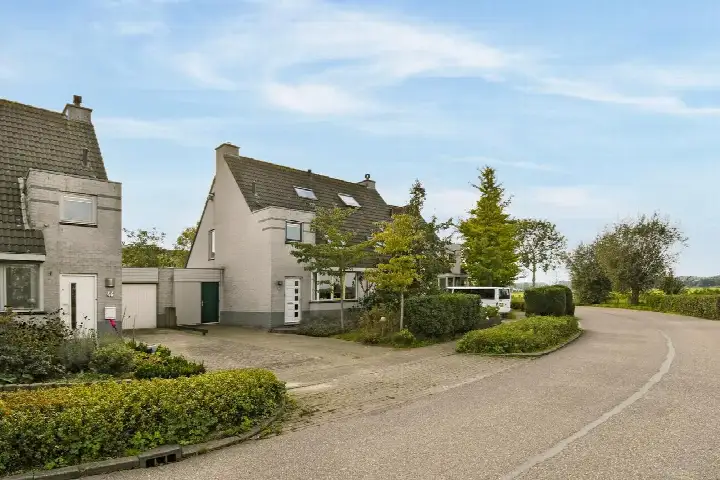
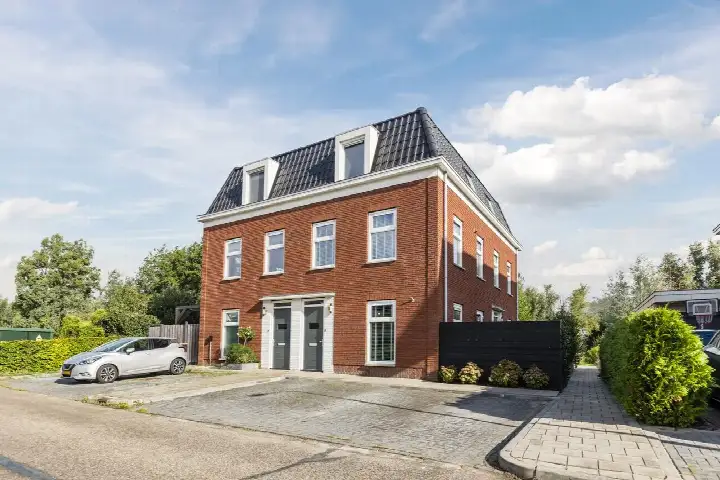
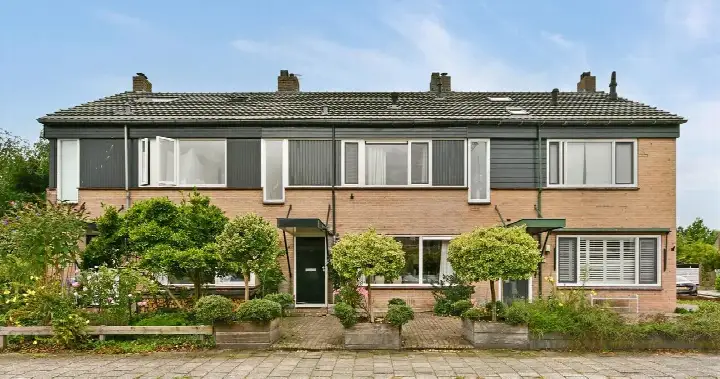
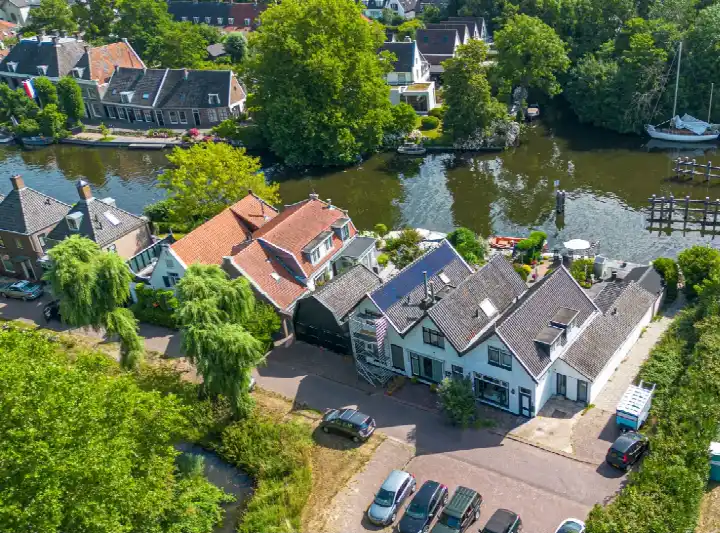
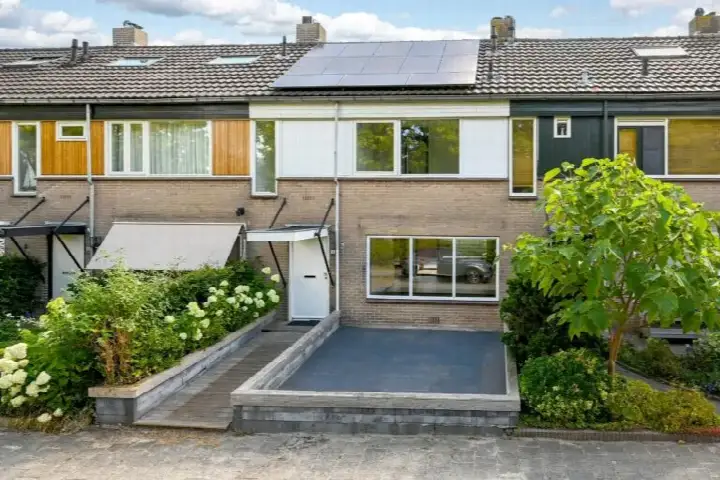
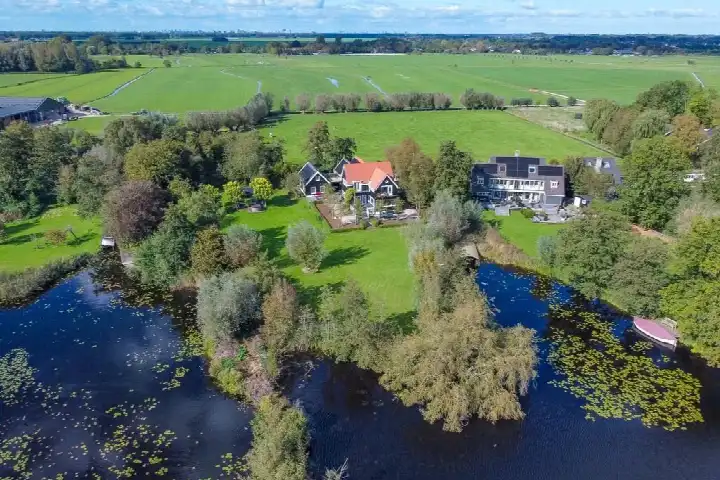
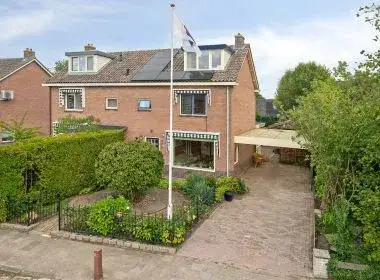
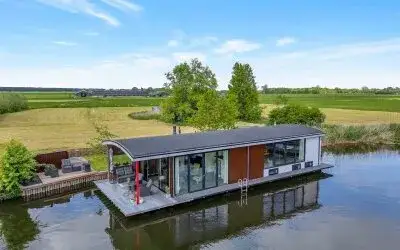
Vreeland is an expensive corner of Stichtse Vecht, and that is reflected in the figures. The average WOZ value is €562,000, while the municipal average for Stichtse Vecht is €455,000. That difference of over a hundred thousand euros says something about the appeal of this ribbon-like Vecht village. Of the 778 homes in Vreeland, 70% are owner-occupied, making the market relatively tight and illiquid. In the past twelve months, only seven homes changed hands, with an average sale price of €624,000 and a range of €450,000 to €855,000, with an average living area of 108 m². The supply mainly consists of ground-floor homes, from terraced houses along the Vreelandseweg to detached houses on the water. Apartments are scarce. For current asking prices and the current supply of owner-occupied homes in Vreeland, see the overview at the top of this page.
Living on the Vecht: what makes Vreeland different from other Vecht villages
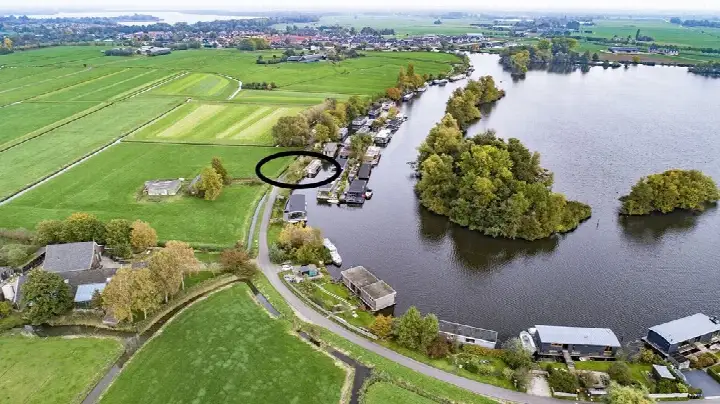
Vreeland is not a commuter village that happens to be on the water. It is a real village, with a historic ribbon structure along the Vecht, wooden bridges, gardens bordering the water, and a village centre that has remained human-scale. Residents on the Vreeland neighbourhood page consistently describe the atmosphere as quiet and green, with strong social cohesion. One resident writes that the village feels like a place where everyone still knows each other, but you are also left alone if you want. The downside mentioned by several reviews: amenities are limited, and you are dependent on the car or bike for almost everything, heading to Maarssen or Breukelen.
For daily groceries, Vreeland is sparsely equipped. There is a small local retail sector, but you will not find a large supermarket in the village itself. For an Albert Heijn or Jumbo, you drive to Maarssen or Breukelen, both about ten minutes away. Children attend primary school in the village itself, but for secondary education, Maarssen or Utrecht is the designated direction. For sports, there is more to do than you might think at first glance: there are opportunities for rowing and canoeing on the Vecht, and in the surrounding polders such as Hoeker Polder and Polder Dorssewaard, there are extensive cycling and walking routes.
Accessibility is mixed. By car, via the N201 you are quickly on the A2, making Utrecht and Amsterdam within twenty to thirty minutes' drive. Public transport is less strong: there is a bus line to Breukelen station, from where you can reach Utrecht or Amsterdam by train. This makes Vreeland less suitable for people who commute daily without a car. Those considering buying in Loenen aan de Vecht or Nieuwer Ter Aa will make similar considerations regarding accessibility and amenities. More background on municipal housing policy and plans can be found on the website of Stichtse Vecht municipality.
For whom is a home in Vreeland a good choice?
Living in Vreeland mainly attracts families and people in their fifties who consciously choose peace, space, and a green environment, and who see the car as a natural mode of transport. First-time buyers have it tough: with an average purchase price of €624,000 and little supply under €450,000, buying a home in Vreeland is financially unfeasible for most first-time buyers. Also take into account additional costs such as transfer tax and notary fees. Those who want to be more flexible or wait out the market will find an alternative overview on our page rental homes in Vreeland.
Search and compare homes for sale in Vreeland
Buurtje.nl combines current housing supply with resident reviews and neighbourhood statistics, so you not only see what a home costs but also what it is like to live there. Compare Vreeland with other villages in the municipality via the overview of homes for sale in Stichtse Vecht or view the supply in a lively alternative such as Kockengen. This way, you make a choice that suits you.
What is the average cost of buying a house in Vreeland?
The average selling price of a home in Vreeland over the past twelve months was €624,000, with a range of €450,000 to €855,000. The average living area of sold homes was 108 m². Vreeland is therefore considerably more expensive than the municipal average of Stichtse Vecht, where the WOZ value is €455,000 compared to €562,000 in Vreeland.
What types of homes are available if you are considering buying a home in Vreeland?
The supply in Vreeland mainly consists of ground-based homes: terraced houses, semi-detached houses and detached houses along the Vecht and in the polder. Buying an apartment in Vreeland is hardly possible, as the village has virtually no multi-storey buildings. Those specifically looking for an apartment would be better off looking in Maarssen or Breukelen.
What are the additional costs when buying a home in Vreeland?
In addition to the purchase price, as a buyer you pay transfer tax (2% for non-starters above the starter exemption), notary costs for the deed of transfer and mortgage deed, and possibly estate agent fees. With an average purchase price of €624,000, the additional costs can quickly add up to €15,000 to €20,000 or more. Make sure to get good advice from an independent mortgage advisor before making an offer.
How is the accessibility from Vreeland if you want to live there?
By car, Vreeland is easily accessible via the N201 towards the A2, taking you to Utrecht and Amsterdam in twenty to thirty minutes. By public transport, the situation is less comfortable: there is a bus line to Breukelen station, from where you continue by intercity train. Daily commuting without a car is cumbersome, which is also mentioned as a point of attention in resident reviews.
Are there schools and daily amenities in Vreeland?
Vreeland has a primary school in the village itself, but for secondary education and large supermarkets you have to rely on Maarssen or Breukelen, both about ten minutes away by car. Local shops are limited. Sports enthusiasts find their way on the water through rowing and canoeing, and the surrounding polders offer plenty of space for cycling and walking.