Homes for sale in Museumplein, Amsterdam
Discover homes for sale in Museumplein and find the current supply, recent sale prices and honest neighbourhood information on this page.

House prices and market figures Museumplein, Amsterdam
House prices in Museumplein are at a level that is exceptional even for Amsterdam. In the past twelve months, five homes were sold here at an average purchase price of €1,620,000, with a range of €1,050,000 to €2,000,000. With an average living area of 106 m², this works out at a price per square metre of over €15,000. That is significantly higher than the municipal average for Amsterdam, where the WOZ value is €517,000. The WOZ value in Museumplein is €607,000, which is already above the Amsterdam average but still below the district average of the Museumkwartier, which stands at €1,175,000. Of the housing stock, 40% is owner-occupied and 60% is rental, with private landlords dominant (57%). These are almost exclusively spacious apartments in stately nineteenth-century buildings. Supply is scarce and demand is structurally high. For current asking prices and availability, you can consult the overview at the top of this page.
Living in Museumplein, Amsterdam
Museumplein is not an ordinary residential neighbourhood. It is one of the most iconic spots in the city, surrounded by the Rijksmuseum, the Stedelijk Museum and the Concertgebouw, yet people do live here. Few people, admittedly – the neighbourhood officially has around ten residents – but anyone who secures a home here literally lives on one of Europe's most famous squares. This gives a very specific living experience: during the day it is busy with tourists and museum visitors, but the residential streets directly bordering the square, such as Paulus Potterstraat and Van Baerlestraat, have a remarkably quiet atmosphere once you close the front door behind you.
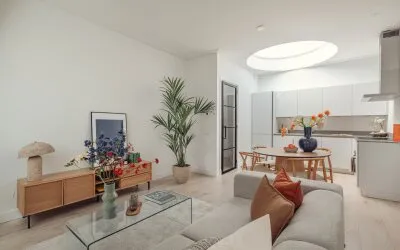
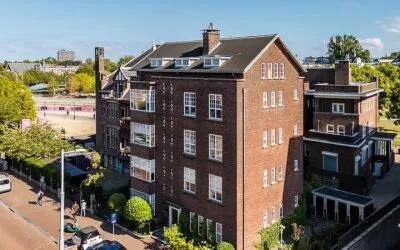
The buildings largely date from the late nineteenth and early twentieth centuries. Think wide, tall apartments with high ceilings, original façade details and large windows overlooking the greenery of the square. That greenery is directly accessible: Museumplein itself functions as a kind of back garden, with space for walking, cycling and, in winter, skating on the temporary ice rink. Vondelpark is within walking distance, as are the shops of P.C. Hooftstraat and Cornelis Schuytstraat for daily groceries and more exclusive offerings. For the supermarket, you can go to Albert Heijn on Van Baerlestraat or Marqt on Overtoom.
In terms of accessibility, the location is excellent. Trams 2 and 12 run along the square towards the city centre, and Amsterdam Central Station can be reached by bike in about twelve minutes. For motorists, the A10 Ring Road is accessible via Amstelveenseweg, although parking in this neighbourhood is a structural issue. Residents regularly point out that finding a parking space in the immediate vicinity can be time-consuming, especially during the day when tourist traffic peaks.
Residents particularly appreciate the combination of culture, greenery and urbanity. On the neighbourhood homepage of Museumplein you will find all reviews and neighbourhood scores. One resident writes: "You literally live next to the Rijksmuseum, but in the evening it is surprisingly quiet. It feels like living in a village in the middle of the city." Criticisms mainly concern the tourist crowds during the day and the parking pressure. Compared to neighbourhoods like Concertgebouwbuurt or Cornelis Schuytbuurt, Museumplein itself is narrower in terms of housing supply, but the prestige and location are unmatched. The Vondelpark-Oost neighbourhood offers a slightly greener and quieter alternative for those seeking more residential streets.
Who is a home in Museumplein suitable for?
Living in Museumplein is reserved for a specific buyer. Given the average sale price of €1,620,000 and an average household income in the neighbourhood of around €84,100 per year, this is a market for wealthy movers, expats or people who have built up assets elsewhere. First-time buyers or young families will not get a foothold here. The limited supply makes overbidding almost inevitable. Anyone considering buying in Museumplein would do well to also look at rental homes in Museumplein as a temporary alternative, especially given the high rental market share of 60% in the neighbourhood. Patience and sharp financing are essential when buying here.
What residents say about Museumplein
The neighbourhood scores highly on location, cultural-historical character and green space. Residents are generally positive about the peace the neighbourhood offers despite its fame. Points of concern are the tourist nuisance during the day and the parking pressure. One resident puts it aptly: "You get used to the museum visitors, but you never get used to how beautiful the view is." View all reviews and full neighbourhood data on the information page of Museumplein.
Compare homes for sale around Museumplein
Buurtje.nl bundles listings from more than 1,500 sources and adds neighbourhood scores and resident reviews, so you compare not just a home but also the neighbourhood. Considering a broader search? Then view the total overview of homes for sale in Museumkwartier, or explore adjacent neighbourhoods such as P.C. Hooftbuurt and Hondecoeterbuurt. If you want to broaden the comparison, the overview of homes for sale in Amsterdam offers a good starting point. For municipal information on living and permits, you can visit the website of the municipality of Amsterdam.
Frequently asked questions
What does a home cost in Museumplein?
In the past twelve months, five homes were sold in Museumplein, with an average purchase price of €1,620,000. The range ran from €1,050,000 to €2,000,000. With an average living area of 106 m², this works out to a price per square metre of approximately €15,300. Buying a home in Museumplein is therefore among the most expensive transactions in Amsterdam.
What is the WOZ value in Museumplein?
The average WOZ value in Museumplein is €607,000. This is above the Amsterdam average of €517,000, but below the average of the broader Museumkwartier district, which stands at €1,175,000. The WOZ value gives an indication of property value for municipal taxes and is lower than actual market prices.
What is it like living in Museumplein?
Living in Museumplein means residing in one of Amsterdam's most famous spots, right next to the Rijksmuseum and the Concertgebouw. It is busy with visitors during the day, but the residential streets are surprisingly quiet. Residents appreciate the combination of culture, greenery and urbanity. Criticisms include the tourist crowds and limited parking options.
Is Museumplein suitable for first-time buyers or families?
Given the average sale price of €1,620,000, Museumplein is virtually inaccessible for first-time buyers. The neighbourhood has few residents and households are predominantly without children. The profile best suits affluent movers, expats or people with substantial assets. Families looking for more space and a more child-friendly environment would be better off looking at surrounding neighbourhoods in Museumkwartier.
How accessible is Museumplein?
Museumplein is well accessible by public transport. Trams 2 and 12 run along the square and connect you quickly to the city centre. By bike, you can reach Amsterdam Central Station in about twelve minutes. For motorists, the A10 ring road is accessible via Amstelveenseweg, but parking in the immediate vicinity is a known bottleneck, especially during the day.
What type of homes are for sale in Museumplein?
The supply consists almost exclusively of spacious apartments in nineteenth-century and early twentieth-century buildings. Think high ceilings, wide facades and often a view of the square or the surrounding parks. Buying an apartment in Museumplein typically means a home with character and historical charm. Detached houses or single-family homes are not available here.
How busy is Museumplein for daily residents?
Museumplein attracts millions of visitors annually, which is noticeable during the day in the immediate vicinity of the museums. However, the residential streets around the square, such as Paulus Potterstraat and Van Baerlestraat, are much quieter. In the evenings and at weekends outside peak tourist hours, the atmosphere is significantly calmer. Anyone considering buying in Museumplein would do well to visit the neighbourhood at different times of the day.