





10 homes for sale in Pijnacker-Centrum/Dorp, Pijnacker-Nootdorp
Discover the current supply of homes for sale in Pijnacker-Centrum/Dorp and compare prices, neighbourhood scores, and property features directly on this page.
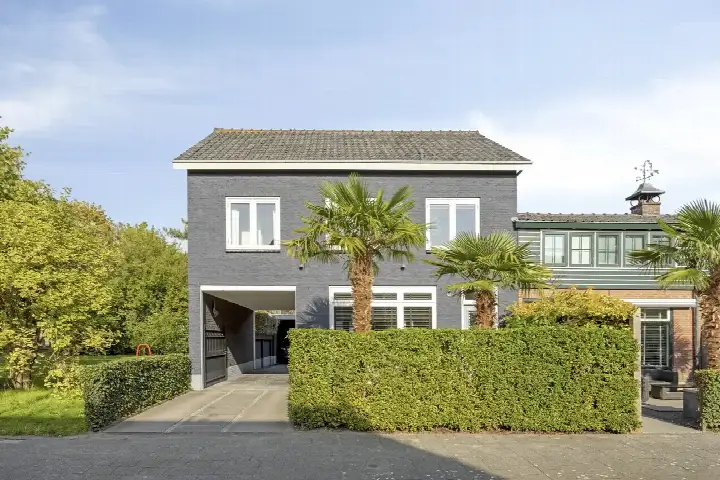
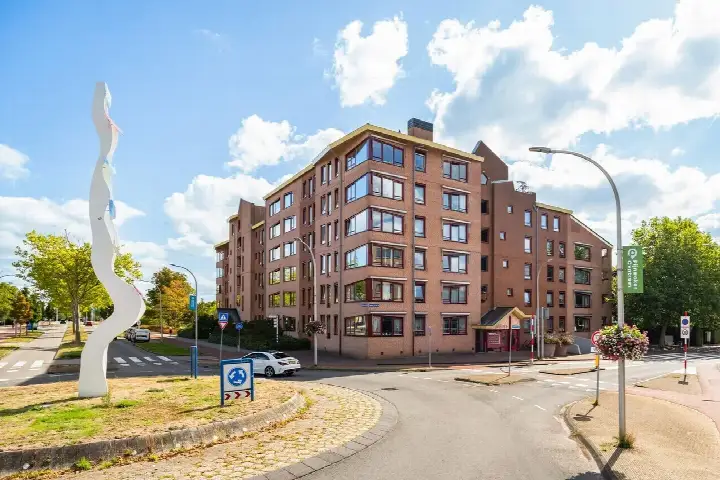

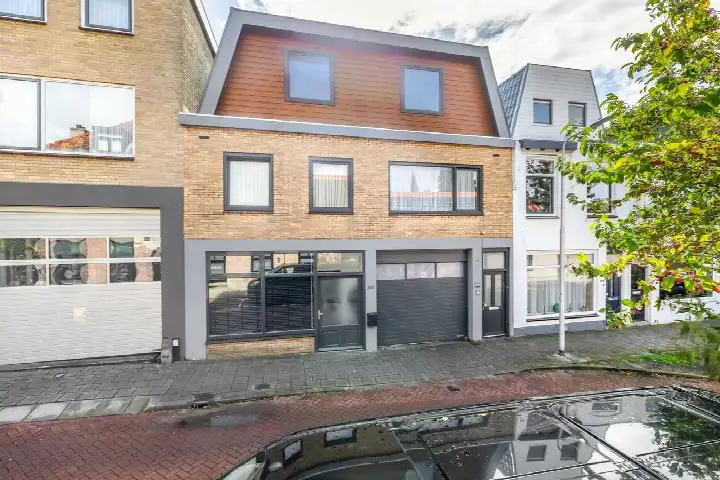
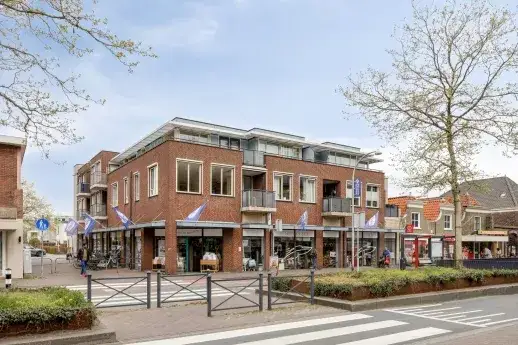

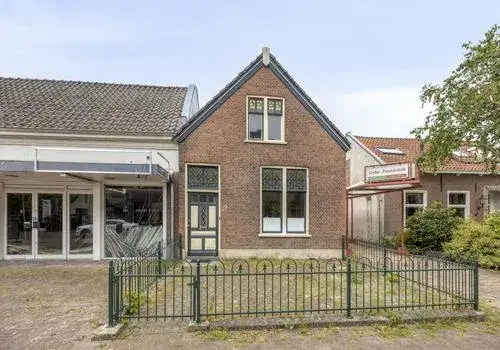
Koninginnehof 12



House prices and market figures Pijnacker-Centrum/Dorp, Pijnacker-Nootdorp
The owner-occupied market in Pijnacker-Centrum/Dorp is strong. Of the 1,898 homes in the neighbourhood, 72% are owner-occupied, which reflects the homeownership culture here well. The average WOZ value is €416,000, noticeably lower than the district average of Pijnacker (€467,000) and the municipal average of Pijnacker-Nootdorp (€482,000). This means that in the historic village centre you enter the market relatively more affordably than in newer neighbourhoods elsewhere in the municipality.
Looking at actual transactions over the past twelve months, the average purchase price is €534,368, with an average living area of 112 m². That works out to about €4,771 per square metre. The range runs from €385,000 to €775,000, indicating that the supply is varied: from compact terraced houses to more spacious detached properties in the older core. During that period, 19 homes were sold, which for a neighbourhood of this size is a modest but stable market. At the top of the page, view the current asking prices and selling times for the most recent status.
Living in Pijnacker-Centrum/Dorp, Pijnacker-Nootdorp
Pijnacker-Centrum/Dorp is the historic core of Pijnacker, and you notice that as soon as you walk around. The neighbourhood has a village character with a compact, human scale. Streets such as around the Kerkstraat and the Raadhuisplein exude an atmosphere that you won't find in the newer expansion districts. That attracts residents who seek peace without being completely devoid of amenities.
The housing stock consists largely of older single-family homes, terraced houses and a limited number of detached properties, supplemented by some smaller apartments. Construction periods range from pre-war buildings to homes from the 1970s and 1980s. That makes the neighbourhood interesting for those seeking charm and character, but sometimes also requires attention to maintenance and energy performance. With an average gas consumption of 990 m³ per year and electricity consumption of 2,550 kWh, the neighbourhood is at a moderate level, but energy labels can vary greatly per home.
In terms of amenities, the location is favourable. The village centre has a supermarket, various small shops, eateries and primary schools within walking distance. For more extensive shopping or a larger retail offering, you can quickly drive to Zoetermeer or Delft. Sports clubs are present in and around Pijnacker, and the surrounding green landscape offers space for walking and cycling. Residents give green spaces a perfect score of 10 out of 10, which is not surprising given how close the neighbourhood borders the typical South Holland polder landscape.
Accessibility is good. Pijnacker has its own station on the Randstadrail line (line E), from which you can reach Rotterdam Central in about twenty minutes and The Hague Central in a similar time. The connection to the N470 also makes the neighbourhood accessible by car from Delft and the A13. Residents give accessibility an 8 out of 10, indicating that the public transport offering is experienced as comfortable, although the neighbourhood is not as multimodally connected as a large city.
Resident Bianca aptly describes the neighbourhood: "Pleasant quiet neighbourhood, centrally located." That sums up the essence well. Safety and sense of community both score a perfect 10, which is remarkably high. That fits the image of a neighbourhood where people know each other and stay for a long time. The age group 45-65 is the largest, and more than 43% of households are married. That tells something about the stability and composition of the community.
If you want to read more resident reviews and neighbourhood data, check the neighbourhood page of Pijnacker-Centrum/Dorp for a full overview. For comparison: neighbourhoods such as Pijnacker Noord and Koningshof are newer and have a higher WOZ value, while Klapwijk has a more rural character. Those who want to combine the village atmosphere of the centre with a relatively lower entry price compared to the municipality are looking in the right place. The broader district Pijnacker provides context on how this centre relates to the surrounding neighbourhoods.
Does a home for sale in Pijnacker-Centrum/Dorp suit you as a buyer?
The neighbourhood best suits movers and people in the 40-plus age category who appreciate peace, character and a village community. The average purchase price of over €534,000 makes buying a home in Pijnacker-Centrum/Dorp difficult for first-time buyers without equity or substantial personal funds. Overbidding is not uncommon in this segment, especially on popular single-family homes. Supply varies but is limited: dozens of homes are sold per year, not hundreds. Those who want to buy in Pijnacker-Centrum/Dorp would do well to engage a buying agent who knows the local market. For those for whom buying is not currently feasible, there are also rental homes in Pijnacker-Centrum/Dorp available, although the rental share is limited at 28%. Buying an apartment in Pijnacker-Centrum/Dorp is also possible, although the supply of these is smaller than in more urban environments.
What residents say about Pijnacker-Centrum/Dorp
Based on the available resident reviews, the neighbourhood scores an 8.8 out of 10. Safety (10.0) and sense of community (10.0) are the absolute outliers to the top. Green spaces also score a 10. Accessibility, housing, beauty, education and amenities all score a solid 8. Resident Bianca writes: "Pleasant quiet neighbourhood, centrally located." That is in a nutshell what the neighbourhood offers: no hustle and bustle, but not isolated either. View all reviews and the full neighbourhood information of Pijnacker-Centrum/Dorp for a complete picture.
Compare homes for sale in and around Pijnacker-Centrum/Dorp
Buurtje.nl bundles the supply from more than 1,500 sources in one place, supplemented with resident reviews and district data that you won't find on other platforms. This way you can directly compare homes for sale in Pijnacker-Centrum/Dorp with supply in other neighbourhoods. Also view homes for sale in the district Pijnacker for a broader picture, or explore Nootdorp and Delfgauw as alternative districts within the municipality. For the total supply in the municipality, see homes for sale in Pijnacker-Nootdorp. More about the municipality can also be found on the website of municipality Pijnacker-Nootdorp.
What is the cost of a home in Pijnacker-Centrum/Dorp?
The average purchase price in Pijnacker-Centrum/Dorp over the past twelve months was €534,368, with an average living area of 112 m². That works out to approximately €4,771 per square metre. The range runs from €385,000 to €775,000, depending on property type and state of maintenance. During that period, 19 homes were sold.
What is the WOZ value in Pijnacker-Centrum/Dorp?
The average WOZ value in Pijnacker-Centrum/Dorp is €416,000. That is lower than the average for the Pijnacker district (€467,000) and the municipal average for Pijnacker-Nootdorp (€482,000). The neighbourhood thus offers a relatively more accessible entry level compared to newer districts in the municipality.
What is living in Pijnacker-Centrum/Dorp like?
Pijnacker-Centrum/Dorp has a quiet, village-like character with a historic core. Residents particularly appreciate the safety, sense of community and proximity to green spaces, all of which score 10 out of 10. The overall neighbourhood score is 8.8 out of 10. The area mainly attracts people seeking peace and familiarity, with sufficient daily amenities within walking distance.
Is Pijnacker-Centrum/Dorp suitable for families?
The neighbourhood is certainly suitable for families and those moving up the housing ladder. The largest age group is 45-65 years, but there are also families with children (645 residents aged 0-15). Primary schools are nearby and the area is safe and green. First-time buyers will find it more difficult to get a foothold with an average purchase price above €534,000.
How accessible is Pijnacker-Centrum/Dorp?
Pijnacker has its own station on the Randstadrail line E, from which you can reach Rotterdam Central or The Hague Central in about twenty minutes. By car, the N470 provides a direct connection to Delft and the A13. Residents give accessibility a score of 8 out of 10. The neighbourhood is thus well connected for both commuters and those reliant on regional public transport.
What types of homes are for sale in Pijnacker-Centrum/Dorp?
The supply mainly consists of single-family homes such as terraced houses, corner houses and a limited number of detached properties. The construction periods range from pre-war to the 1980s. There are also smaller apartments available, although that supply is more limited. Anyone considering buying an apartment in Pijnacker-Centrum/Dorp has less choice than in more urban environments. At the top of the page, view the current filter options by type and size.
How green and safe is Pijnacker-Centrum/Dorp?
Residents give both green spaces and safety a perfect score of 10 out of 10. The neighbourhood borders the open polder landscape of the Zuidhollandse Glasdistrict, offering walking and cycling routes within a short distance. Within the neighbourhood itself, the built-up area is compact, but the green spaces in the immediate vicinity are experienced as spacious and accessible.
Quiet living, centrally located
Auto-translated to English by AI