Homes for sale in Soesterkwartier, Amersfoort
View the current supply of homes for sale in Soesterkwartier, Amersfoort. Compare prices, check neighbourhood scores and read what residents think of the area.

What does a home in Soesterkwartier cost?
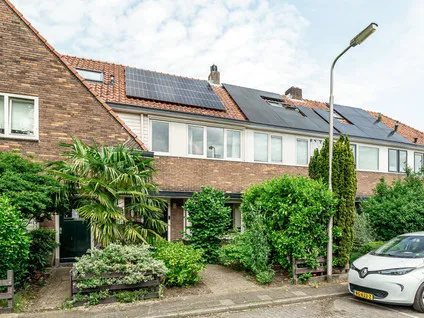
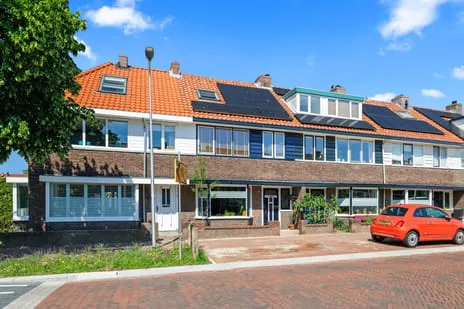
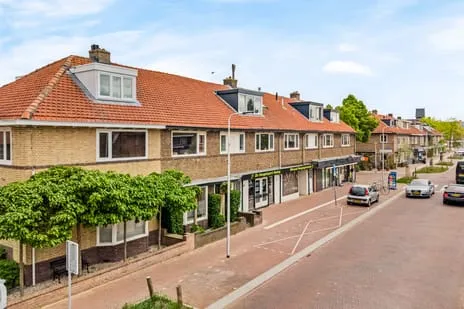
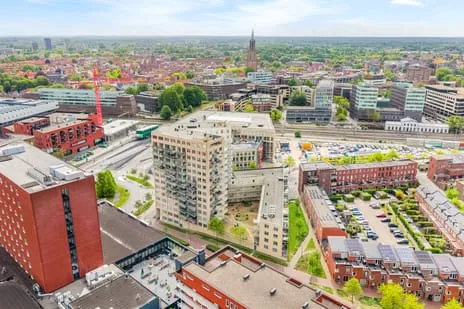
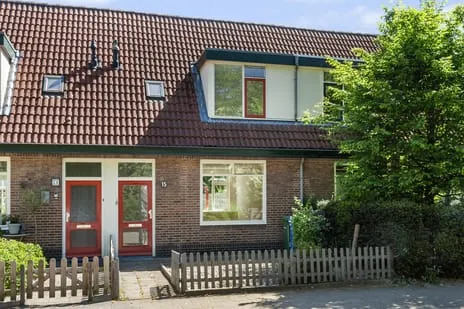
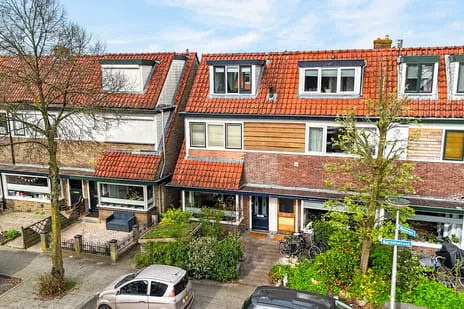
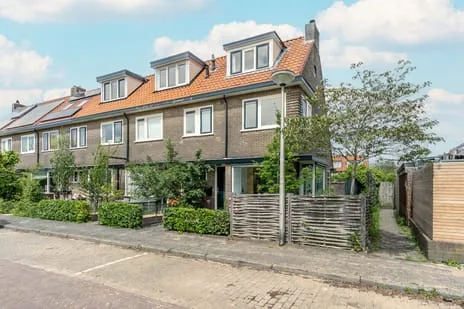
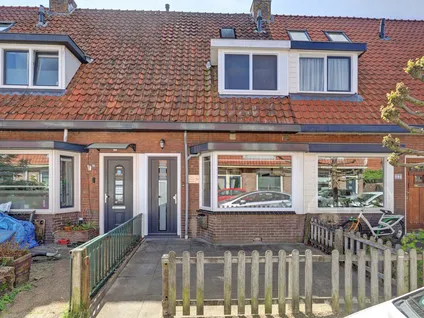
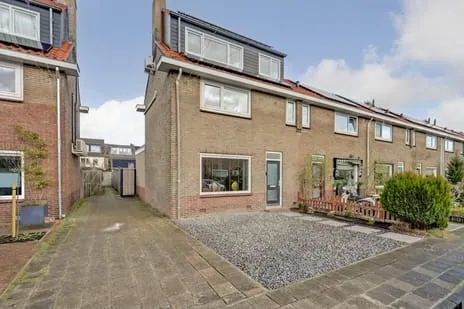
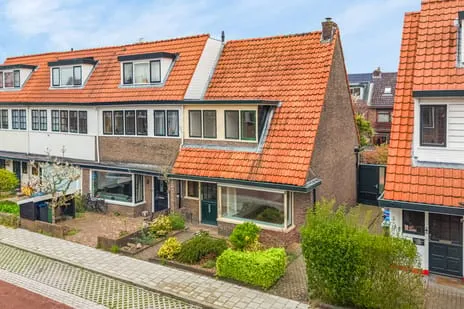
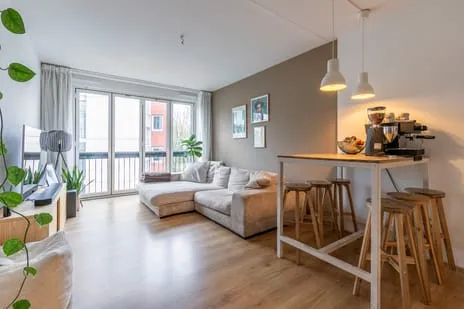
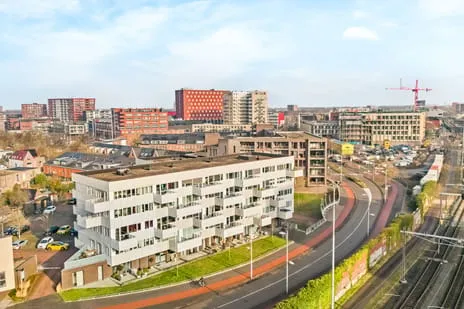
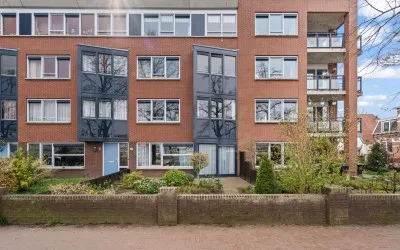
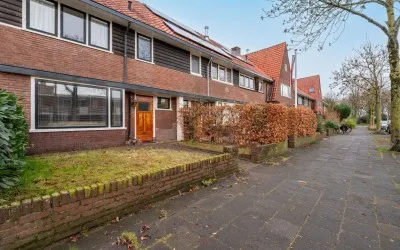
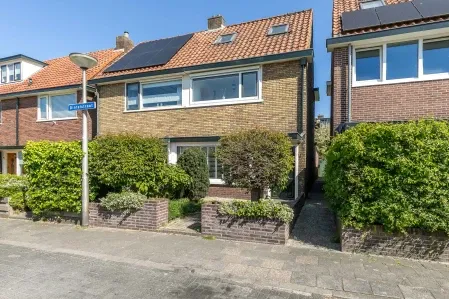
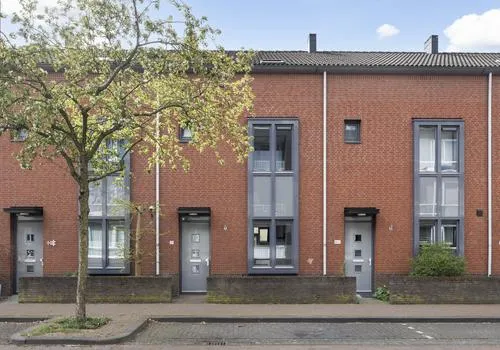
Soesterkwartier is a neighbourhood where the owner-occupied market is relatively accessible compared to the rest of Amersfoort. The average WOZ value is €363,000, significantly lower than the municipal average of €432,000. However, the actual transaction prices tell a different story: in the past twelve months, 57 homes changed hands for an average purchase price of €501,526, with a range of €250,000 to €750,000. This difference between WOZ and sale price shows that there is considerable overbidding. The average floor area of sold homes is 98 m², which is typical for the 1930s single-family homes and post-war terraced houses that characterise the neighbourhood. Only 40% of the more than 5,900 homes are owner-occupied; the rest are rental properties. This makes supply limited. Check the overview at the top of this page for current asking prices and available homes for sale in Soesterkwartier.
Living in Soesterkwartier: working-class character with green avenues
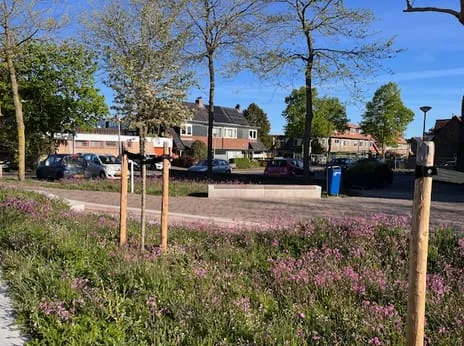
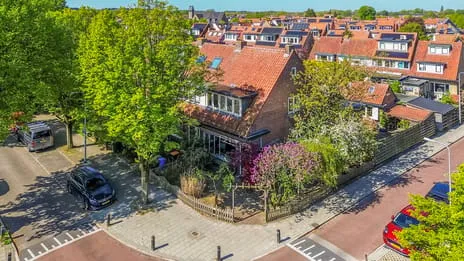
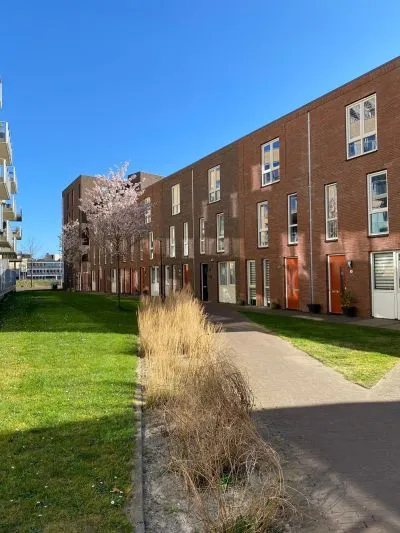
Soesterkwartier has the character of an old-fashioned working-class neighbourhood, and that is exactly what residents appreciate about it. On the neighbourhood page of Soesterkwartier, residents rate the neighbourhood a 7.1 out of 10 based on 9 reviews. Notably high scores are for education (8.1) and sense of community (7.8). Resident S. Weber describes it aptly: "Beautiful old trees, green neighbourhood, 1930s houses, good atmosphere, warm people from different backgrounds. Everyone is there for each other." This social cohesion is noticeable in practice: resident Lanikai has lived there for ten years and is still invited to street parties, even without intensive neighbour contact. At the same time, not everything is rosy. Several residents mention nuisance from loitering youths near the supermarkets, and a few point to decay in parts with many social housing units.
In terms of amenities, you are well catered for. In Bloemenbuurt-Oost and along the Noordewierweg, you will find daily shopping facilities, including a Jumbo and smaller shops. There are several primary schools in the neighbourhood, which explains the high score for education. Soesterkwartier borders the Waterwingebied and the Bokkeduinen, meaning you can be in green surroundings within a few minutes by bike. Park Randenbroek is within cycling distance to the south. For sports, you can go to football club CJVV and various sports facilities on the Barchman Wuytierslaan.
Accessibility scores a 6.3 from residents, which is nuanced. Amersfoort Central station is within cycling distance (about ten minutes from the heart of the neighbourhood), and by bus you are also there quickly. From Central, you can reach Utrecht in half an hour and Amsterdam in three-quarters of an hour. By car, you can reach the A28 and A1 fairly quickly, although it can be busy during rush hour via the Stadsring. The neighbourhood itself is compact and easy to cycle around. Compared to neighbouring areas such as Isselt or De Koppel, Soesterkwartier offers more character and a more central location, but also narrower streets and less parking. The area around Gerrit van Stellingwerfstraat is popular with buyers looking for the typical pre-war atmosphere.
Does Soesterkwartier suit you as a buyer?
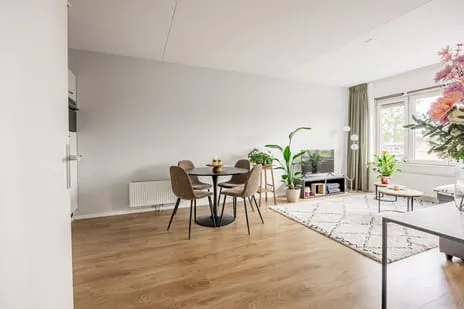
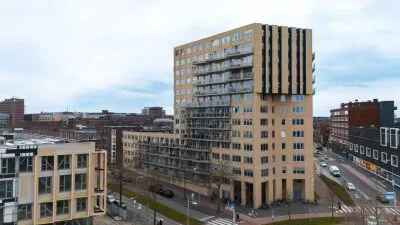
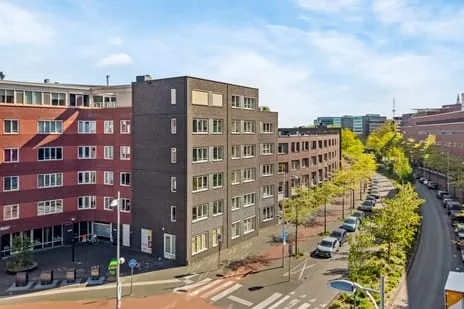
With an average purchase price around five hundred thousand euros, buying a home in Soesterkwartier is mainly interesting for movers and dual-income couples. First-time buyers with a smaller budget can try their luck at buying an apartment in Soesterkwartier at the lower end of the market (around €250,000), for example in Puntenburg or the Bomenbuurt. Be prepared for overbidding: sale prices are structurally above the WOZ value. Add to that the transfer tax (2%), notary costs and any renovation costs, especially for older homes that sometimes have deferred maintenance. Families benefit from the good schools and the green character. Seniors will find a lively neighbourhood here, but must take into account limited ground-floor homes. If you find the purchase prices too high, you can also look at rental homes in Soesterkwartier as an alternative.
Buying a home in Soesterkwartier: how to orient yourself
On Buurtje.nl, you combine the current housing supply with neighbourhood scores, resident reviews and neighbourhood statistics, so that you get to know not only the home but also the neighbourhood well. Feel free to compare Soesterkwartier with nearby areas such as the Stadskern or the Eemkwartier. More information about the neighbourhood and municipal plans can be found on the website of the municipality of Amersfoort. Also check the broader supply of homes for sale in Amersfoort to get a good picture of your options.
Frequently asked questions
What is the average price of a home in Soesterkwartier?
The average purchase price in Soesterkwartier over the past year was €501,526, with a range of €250,000 to €750,000. The average floor area of sold homes is 98 m². Keep in mind that offers often exceed the asking price.
What costs are involved in buying a house in Soesterkwartier?
In addition to the purchase price, as a buyer you pay 2% transfer tax (first-time buyers under 35 are sometimes exempt), notary costs for the deed of transfer and mortgage deed, and possibly valuation costs. For older 1930s homes in Soesterkwartier, it is advisable to also have a structural survey done and factor in renovation costs.
What types of homes can I buy in Soesterkwartier?
Soesterkwartier consists largely of pre-war terraced houses and 1930s single-family homes, supplemented by post-war construction and a number of apartments. Only 40% of the housing stock is owner-occupied, so supply is limited. Buying an apartment in Soesterkwartier is possible at the lower end of the market.
How accessible is Soesterkwartier in Amersfoort?
Amersfoort Central station is about a ten-minute bike ride from the heart of the neighbourhood. From there, you can travel to Utrecht in half an hour. The A28 and A1 are accessible by car via the Stadsring, although it can be busy during rush hour. The neighbourhood is compact and easy to cycle around.
Is Soesterkwartier suitable for families looking to buy a home?
Soesterkwartier scores an 8.1 for education in resident reviews and has several primary schools in the neighbourhood. The green surroundings with old trees and the proximity of the Waterwingebied make it attractive for families. Residents do mention that more playground equipment could be added and that there is sometimes nuisance from loitering youths near supermarkets.
Fine, but there could be more playground equipment for the children. Better enforcement for the loitering youth.
Auto-translated to English by AIBeautiful old trees, green neighbourhood in the district, 1930s houses, good atmosphere, friendly, warm-hearted people from different backgrounds. Harmony and everyone is there for each other. Good accessibility by bus, bike or car. Centrally located near the city centre and central station.
Auto-translated to English by AIThe once beautiful working-class neighbourhood is now in decay, especially the part with only rental houses. Too much "a" social control: if you sell things from your home to different people, you're already labelled a drug dealer. The Noordewierweg, what a mess; at the front near the Opidium you can already tell that the streets along this road are not doing well. Subsidence has already been recorded, also by myself. Shops are disappearing, and if something comes back, it's only "I don't understand, I'm a refugee" vibe. Activities for the youth? The municipality of Amersfoort doesn't know; nothing is done about youngsters who mess things up or destroy things. Covered bus stops have been removed. Drug dealers are present in many places in the Soesterkwartier. Everything could be better.
Auto-translated to English by AIGreen, beautiful trees, centrally located. Nice, safe neighbourhood
Auto-translated to English by AII've lived here for 10 years and I don't have many problems with the neighbourhood. I don't have much contact with the other residents but I'm still always invited to street parties and stuff.
Auto-translated to English by AICosy old working-class neighbourhood. Unfortunately, trouble with youngsters (antisocial) at supermarkets. Otherwise cosy, good contact with neighbours.
Auto-translated to English by AICosy, everyone is there for each other. Houses are a bit on the old side, but that has its charm too. Lots of green spaces and schools. Plenty for children and everything nearby.
Auto-translated to English by AIHet Soesterkwartier, but especially Rivierenwijk-Oost, is a great neighbourhood to live in! Only friendly neighbours who are always there for you. There is quite a lot of green in the neighbourhood, take for example the beautiful green belt. And with the renovation plans for the Noordewierweg, the heart of the neighbourhood, it will become even better. Accessibility is fine, you can get into the neighbourhood quickly, getting out a bit less quickly ;) You can be in the city centre or at the station in a few minutes, and in the neighbourhood itself you have all the facilities you need. Nice and good primary schools for every taste, Dalton education, regular or for highly gifted children. Secondary schools are (almost) all within half an hour's bike ride. And the 1930s houses complete it all.
Auto-translated to English by AI