Homes for sale in Terheijden, Drimmelen
Discover the current supply of homes for sale in Terheijden. View asking prices, selling times and neighbourhood data directly on this page.
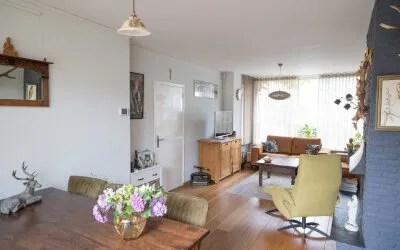
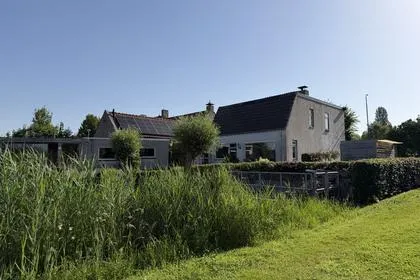

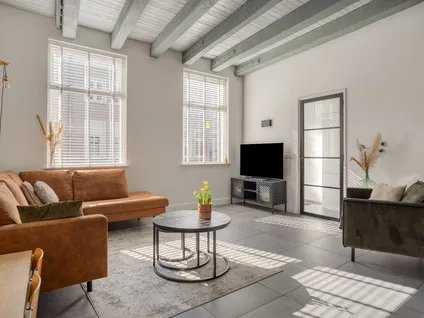
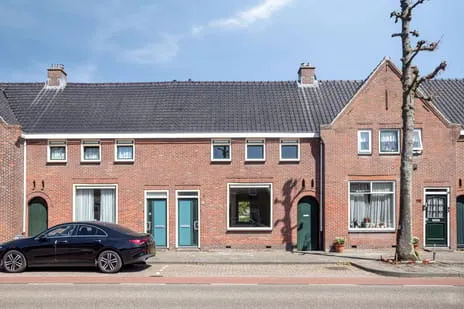
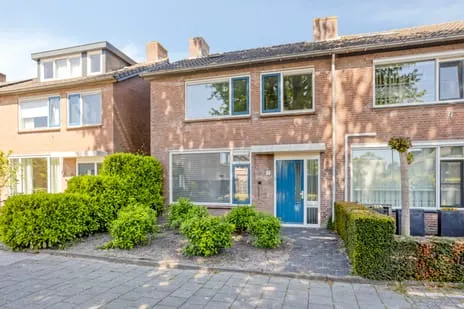
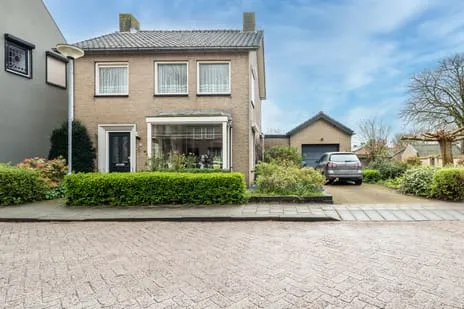
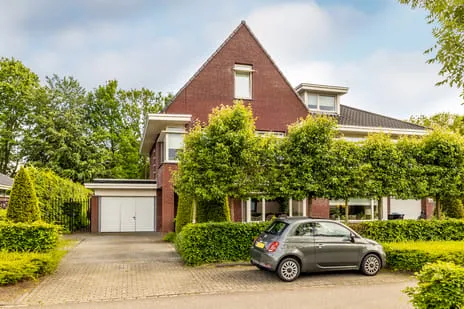
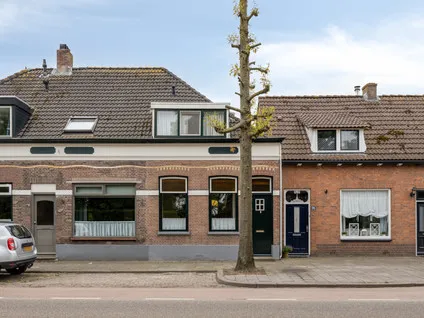
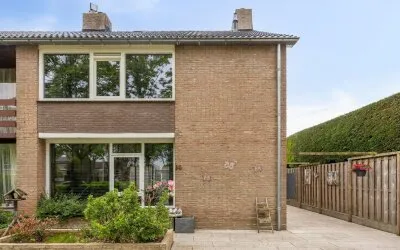
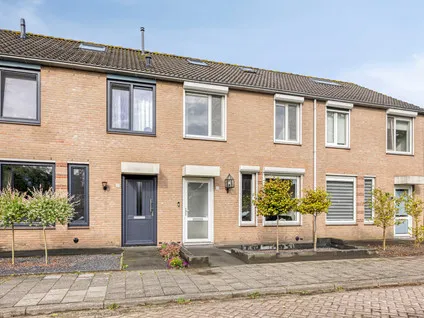
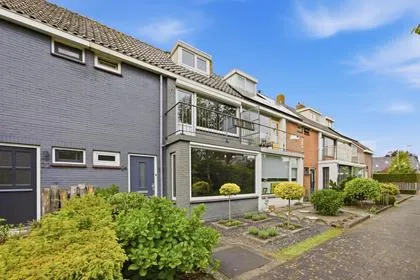
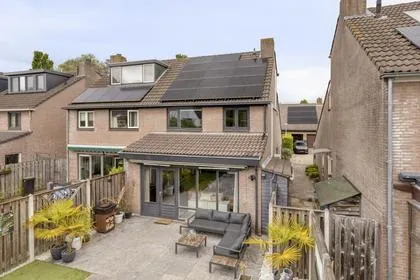
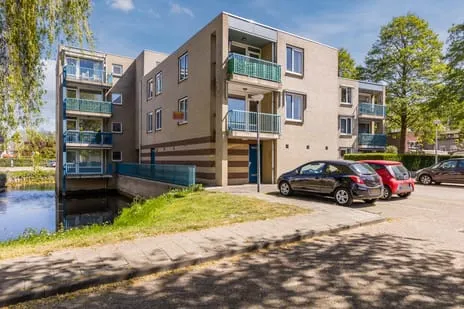
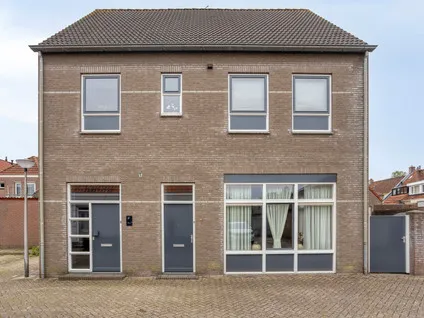
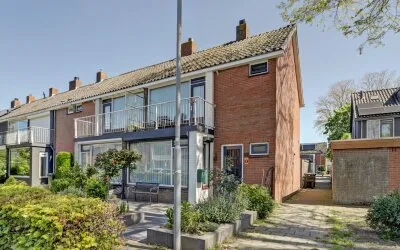
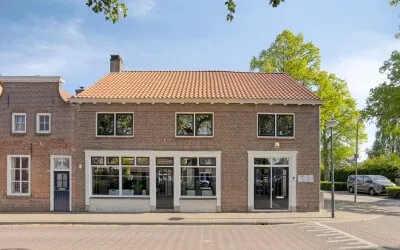

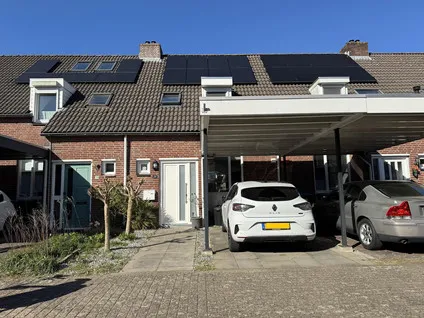
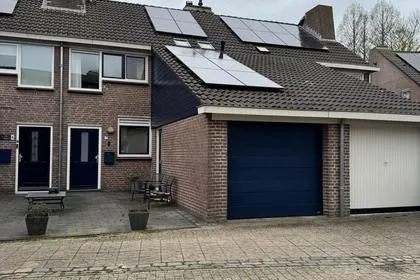
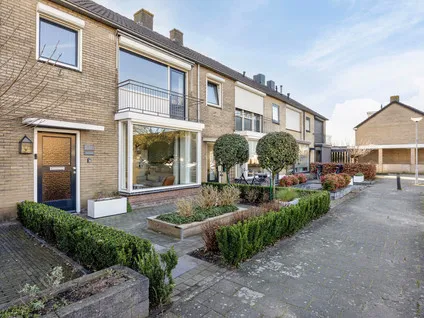
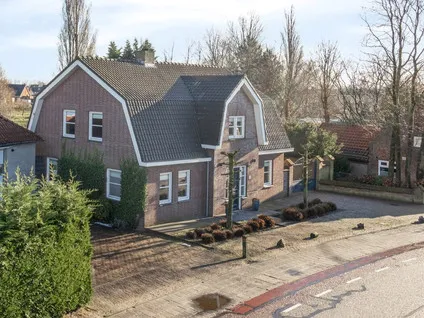
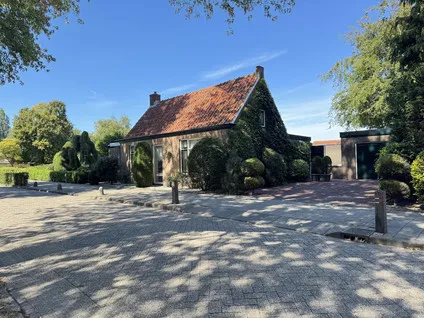


Purchase prices in Terheijden: what do you pay and how does that compare to Drimmelen?
Terheijden is predominantly an owner-occupied neighbourhood: 71% of the more than 2,700 homes are owned by the residents. The average WOZ value is €358,000, slightly below the municipal average of Drimmelen of €373,000. That difference is modest, but says something about the type of housing: Terheijden largely consists of spacious single-family homes and detached houses, with relatively few apartments. In the past twelve months, 77 homes were sold at an average purchase price of €532,416. The range runs from €175,000 to €1,195,000, indicating that both entry-level homes and substantial detached houses come onto the market. For current asking prices and selling times, you can consult the overview at the top of this page, which is updated daily.
Anyone considering buying an apartment in Terheijden will notice that this supply is limited. The village has a rural character where ground-based homes set the tone. First-time buyers looking for a smaller home for sale find less choice here than in the larger centres of the municipality, but the lower price limit of €175,000 shows that affordable options do occasionally come along.
Terheijden from the inside: polder, peace and short lines
Living in Terheijden means living in a village that has consciously kept its scale. It lies wedged between the Amer and the West Brabant polder, with views you never find in a city. Residents on the neighbourhood page of Terheijden particularly appreciate the peace, the space and the feeling that you still know your neighbours. A frequently heard comment in the reviews is that the village is small-scale enough to live pleasantly, but that you still take the car for larger shopping trips or nights out. That is honest: Terheijden is not a self-sufficient centre.
In terms of amenities, the village has a primary school, a community centre, a number of sports clubs including a football club, and a limited range of shops for daily groceries. For a larger supermarket, you drive to Made or Breda. Children of primary school age are well catered for in Terheijden itself, but for secondary education a trip to Made or Breda is necessary. The neighbourhood Terheijden centre has most amenities within walking distance, while areas such as Vaartkant and Molenpolder offer an even greener and quieter living atmosphere.
Accessibility is good for those who have a car. Via the N285 you are in Breda in twenty minutes, and the connection to the A16 towards Rotterdam or Antwerp is quickly reached. Public transport is available but limited: there are bus lines towards Made and Breda, but the frequency is low. There is no train station in the village itself; the nearest station is Breda or Lage Zwaluwe. For daily commuters without a car, that is a point to take into account. Those looking for more urban dynamics can also look at Made or the other centres within municipality Drimmelen.
Which buyers does Terheijden suit best?
Terheijden mainly attracts families and people aged 45 to 65 who consciously choose peace and space. The largest age group in the village falls precisely into that category. First-time buyers who want to buy a house in Terheijden must take into account an average selling price above five hundred thousand euros and a market where homes do not stay on the market for long. Do not forget the additional costs: transfer tax (2% for non-first-time buyers), notary costs and any structural survey can quickly add up to 5 to 6% on top of the purchase price. If buying is not feasible now, check out the rental homes in Terheijden as an interim solution. More municipal-wide context can be found on the website of municipality Drimmelen.
Buying in Terheijden: how to find the right supply
Buurtje.nl combines current housing supply with resident reviews and neighbourhood statistics, so you not only see a house but also get to know the surrounding area. Compare Terheijden with surrounding neighbourhoods such as Bergen, Wagenberg or Hooge Zwaluwe en Zevenbergschen Hoek, or view the total supply via homes for sale in Drimmelen for a broader picture.
Frequently asked questions
What is the average price of a home in Terheijden?
Over the past twelve months, homes in Terheijden sold for an average of €532,416. Prices ranged from €175,000 to €1,195,000, depending on type and location. The average WOZ value in the neighbourhood is €358,000, slightly below the municipal average of Drimmelen.
What are the additional costs when buying a home in Terheijden?
When buying a home in Terheijden, on top of the purchase price there are transfer tax (2% for non-first-time buyers, 0% for first-time buyers under the exemption threshold), notary fees for the deed of transfer and mortgage deed, and possibly a structural survey. Budget roughly 4 to 6% of the purchase price for additional costs. Seek advice from an independent mortgage advisor.
What types of homes are for sale in Terheijden?
Terheijden mainly consists of ground-based homes: single-family homes, semi-detached houses and detached houses. The supply of apartments for sale in Terheijden is limited. The average sold home had a floor area of 143 m², which fits the village character of the neighbourhood.
How accessible is Terheijden by public transport and car?
By car, you can reach Breda in about twenty minutes via the N285, and the A16 towards Rotterdam or Antwerp is easily accessible. Public transport is limited: there are buses to Made and Breda, but the frequency is low. The nearest train station is in Breda or Lage Zwaluwe. For daily commuters without a car, a car in Terheijden is almost indispensable.
Is Terheijden suitable for families with children?
Buying a home in Terheijden mainly appeals to families seeking space and tranquillity. The village has a primary school and sports clubs, and the largest household group consists of families with children. For secondary education, children must go to Made or Breda. The labour participation rate is 65% and the average income is €37,800, indicating a stable, working population.