Homes for sale in Vaartkant, Drimmelen
Discover homes for sale in Vaartkant and view the current supply, average asking price and time to sell directly at the top of this page.


House prices and market figures Vaartkant, Drimmelen
The owner-occupied market in Vaartkant is strong. Of the approximately 460 homes in the neighbourhood, 65% are owner-occupied, reflecting a relatively stable, owner-occupied environment. The average WOZ value is €389,000, well above the district average of Terheijden (€358,000) and also above the municipal average of Drimmelen (€373,000). This indicates that Vaartkant is on the more expensive side within the municipality.
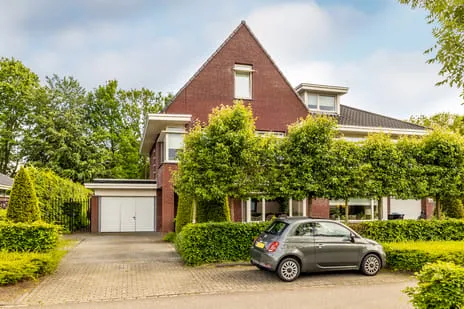
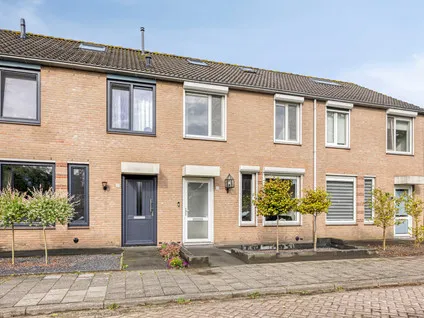
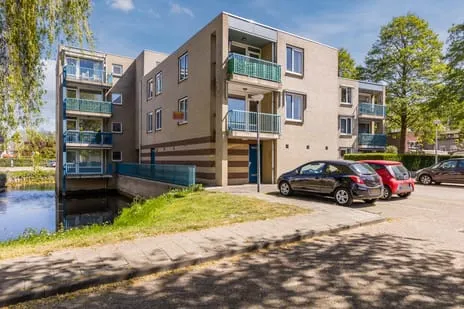
In the past twelve months, 20 homes were sold, with an average purchase price of €599,650. The range runs from €399,000 to €895,000, showing that the supply varies from spacious terraced houses to detached villas on the water. With an average living area of 147 m², the price per square metre comes to approximately €4,080. This is not an entry-level market for first-time buyers. The housing stock consists mainly of ground-floor family homes; apartments are scarce. For current asking prices and the current supply, you can consult the overview at the top of this page.
Living in Vaartkant, Drimmelen
Vaartkant is a quiet, green neighbourhood on the western edge of Terheijden, directly bordering the rural area of the municipality of Drimmelen. The name refers to its location along the canal, and that water is palpably present in the neighbourhood: cycling routes along the Donge, views over meadows and an atmosphere that is more rural than village-like. Anyone expecting a bustling residential area here will be disappointed. Those seeking peace, space and greenery will quickly feel at home here.
The homes largely date from the 1970s and 1980s, with a mix of semi-detached houses and detached homes on larger plots. There is hardly any new construction; the neighbourhood is largely built up. This also means that the homes are characteristic, but sometimes energetically outdated. The average gas consumption of 970 m³ is relatively low for this type of home, although the electricity consumption of 3,070 kWh is normal for a family home of this size.
For daily groceries, residents rely on the nearby Terheijden centre, less than two kilometres away by bike. There you will find a supermarket, a pharmacy and a handful of local shops. There is no large shopping centre in the immediate vicinity; for that you need to go to Made or Breda. Primary education is available in Terheijden itself; for secondary education, students rely on Made or Breda.
In terms of accessibility, Vaartkant is typically West Brabant: a car is almost indispensable. The A59 is reachable via the N285 in about ten minutes, after which Breda and Den Bosch are each within half an hour. There is no train station in Terheijden; the nearest station is Made-Drimmelen, about five kilometres away. Bus line 132 connects Terheijden with Breda and Made, but the frequency is limited. Cyclists have it better: along the canal there are pleasant routes towards Drimmelen and Terheijden.
Residents most appreciate the peace and space. On the neighbourhood main page of Vaartkant you can read the full resident experiences and scores per category. One resident writes: "You really live out here, but yet not far from everything. The children play in the street and you know your neighbours." Critical notes usually concern the limited public transport and the distance to larger amenities. Compared to Verspreide huizen Terheijden, Vaartkant is more compact and has more of a neighbourhood feel. Relative to Zeggepolder-oost, the housing supply here is on average larger and more expensive.
Who is a home for sale in Vaartkant interesting for?
Vaartkant mainly attracts families and movers who consciously choose space and peace, and are willing to pay for it. The largest age group is 45 to 65 years old, and that is no coincidence: this is a neighbourhood for people who are already a step further on the housing ladder. First-time buyers purchasing a home in Vaartkant will find that prices are steep; a home under four hundred thousand is rare. Those who want to be flexible or are not yet sure can also look at rental homes in Vaartkant as an intermediate step. Seniors will find a quiet environment here, although most homes are not single-level and the distance to care facilities is a point of attention.
What residents say about Vaartkant
Residents generally give Vaartkant a positive rating, with the highest scores for liveability and green environment. Social cohesion is also regularly mentioned. Residents are less enthusiastic about accessibility by public transport and the limited local amenities. One resident describes it like this: "Quiet living with enough space, but you really need a car for everything." View all reviews and the full neighbourhood scores per category on the page of Vaartkant.
Compare homes for sale in and around Vaartkant
Buurtje.nl combines current housing supply from more than 1,500 sources with resident reviews and neighbourhood data, so you not only find a home but also know whether the neighbourhood suits you. Want to compare? View the supply in the wider district via homes for sale in Terheijden, or explore other neighbourhoods such as Bergen and Molenpolder. For a broader overview of the municipality, you can also look at Made or the total supply within the municipality of Drimmelen. More information about the municipality can be found on the website of the municipality of Drimmelen.
Frequently asked questions
What is the cost of a home in Vaartkant?
The average purchase price in Vaartkant over the past year was €599,650, based on 20 sold homes. Prices ranged from €399,000 to €895,000. With an average living area of 147 m², the price per square metre comes to approximately €4,080. This is not a cheap neighbourhood; expect a substantial budget if you want to buy a home here.
What is the WOZ value in Vaartkant?
The average WOZ value in Vaartkant is €389,000. That is higher than the average for the Terheijden district (€358,000) and also above the municipal average of Drimmelen (€373,000). Vaartkant is therefore one of the more expensive neighbourhoods within the municipality.
What is it like to live in Vaartkant?
Living in Vaartkant means choosing peace, space and a green environment on the edge of Terheijden. The neighbourhood has a rural character, with ground-floor homes on larger plots and little traffic. Amenities are limited; for a supermarket or school you cycle to Terheijden centre. Residents appreciate the quiet atmosphere and social cohesion, but mention the limited public transport as a downside.
Is Vaartkant suitable for families with children?
Yes, Vaartkant is popular with families. The largest age group is 45 to 65 years, but households with children are also well represented. The neighbourhood is quiet and green, with little through traffic, which is pleasant for children. Primary education is available in Terheijden; for secondary education you need to go to Made or Breda. A car is almost essential for that.
How accessible is Vaartkant?
Vaartkant is easily accessible by car. Via the N285 you connect to the A59, after which Breda and Den Bosch are each within half an hour. The nearest train station is Made-Drimmelen, about five kilometres away. Bus line 132 runs towards Breda and Made, but the frequency is limited. By bike, there are beautiful routes along the canal towards Drimmelen and Terheijden.
What type of homes are for sale in Vaartkant?
The supply in Vaartkant consists mainly of ground-floor single-family homes: semi-detached and detached houses. Most homes date from the 1970s and 1980s. Buying an apartment in Vaartkant is virtually impossible; this type of housing is hardly present here. The average living area of sold homes over the past year was 147 m².
Is there a lot of green space and water in Vaartkant?
Yes, the location on the canal and the adjacent countryside make Vaartkant a remarkably green neighbourhood. There are cycling routes along the Donge and you have quick access to the polders and river area of the municipality of Drimmelen. Residents cite the green surroundings and water-rich landscape as one of the biggest plus points of the neighbourhood.