Homes for sale in Wormer, Wormerland
View the current supply of homes for sale in Wormer, with neighbourhood scores and resident reviews that you won't find anywhere else.


What does a home in Wormer cost?
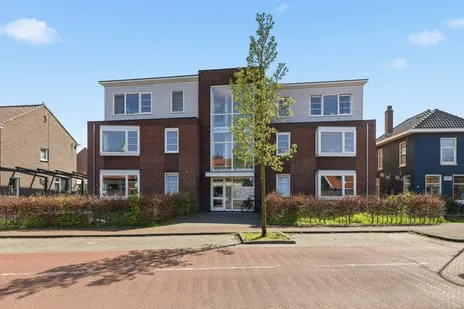
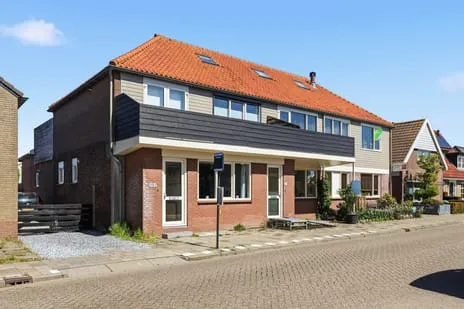
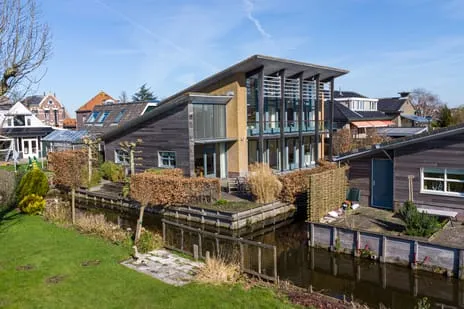
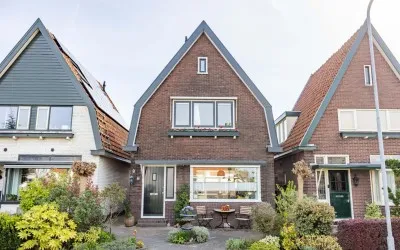
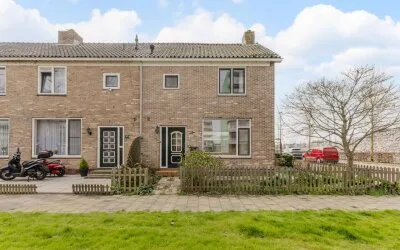
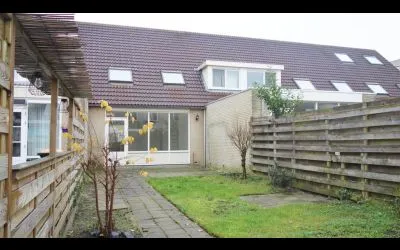
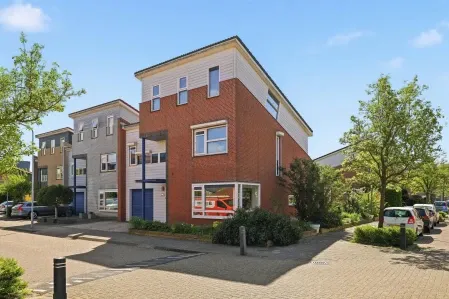
The housing market in Wormer is solid but more accessible than in some surrounding areas. Of the more than 6,025 homes in the neighbourhood, 61% are owner-occupied, meaning the majority of residents are homeowners. The average WOZ value is €388,000, slightly below the municipal average of Wormerland (€415,000). Looking at actual sale prices over the past year, the average purchase price is €547,019 for an average area of 119 m². The range is wide: from around €350,000 for a compact apartment or terraced house to over €1,050,000 for larger detached homes by the water. The supply consists mainly of single-family homes, supplemented by apartments and a few semi-detached houses. At the top of this page you will find the current listings with asking prices and selling times, so you can see what is currently on the market.
Living in Wormer: village character with plenty of buzz
Wormer feels like a large village where you quickly find your feet, but not everything is rosy. Residents on Buurtje.nl give the neighbourhood a 7.1 out of 10 based on six reviews. Accessibility (8.0) and education (8.1) score notably high, while community spirit (6.1) and the beauty of the area (6.7) are lower. Resident Marie Prins sums up the positive feeling well: "You know almost everyone who lives there and often greet each other. There are good primary schools, supermarkets, bakers, butchers, hairdressers, and so on." At the same time, not every street is equally pleasant. Another resident, Rob, complains about nuisance in his street and mentions antisocial behaviour from some neighbours. That honesty is part of it: Wormer has quiet neighbourhoods like Plaszoom and de Molenbuurt, but also streets with more activity. Check the Wormer neighbourhood page for all reviews and sub-scores, so you can compare by theme.
In terms of amenities, Wormer is well-equipped for a village of nearly 13,750 residents. Along the Dorpsstraat you will find an Albert Heijn, a Dirk van den Broek, and various specialist shops such as a butcher and baker. There are several primary schools, including De Bijenkorf and De Speel-Akker, and for secondary education you go to Zaandam or Purmerend. Sports club WMC offers football, and at swimming pool De Watertoren you can swim laps. In summer, the Wormer- en Jisperveld, the extensive peat meadow area right next to the village, is a beautiful boating area. Resident Noud notes: "It is next to a small lake, so you can sail there in summer."
Accessibility is a strong point. Via the N246 you are on the A7 towards Amsterdam or Purmerend in ten minutes. Bus line 164 (Connexxion) connects Wormer with Zaandam station, from where you can reach Amsterdam Central in a quarter of an hour. This makes Wormer popular with commuters who want to live in a village but still depend on the city. If you prefer to look in the immediate vicinity, you can also check out homes in Wijdewormer or the smaller Jisp, which is even more rural. For information about municipal plans and zoning plans, you can visit the Wormerland municipality website.
Is Wormer right for you as a buyer?
With an average purchase price around €547,000, buying a home in Wormer is not within reach for every first-time buyer, although homes from €350,000 are available. For families, Wormer is interesting because of the high score on education and the relatively spacious single-family homes. The largest group of households consists of families with children (2,205 households), and you can feel that in the atmosphere. Movers and seniors also find their place here, although resident Linda Bos warns that downsizing can be difficult: there is little movement to smaller homes. When buying, take into account additional costs such as transfer tax (2%), notary and estate agent fees. Buying an apartment in Wormer can be an affordable alternative. If you prefer to rent, you can view rental homes in Wormer, as 39% of the stock is rental.
Searching for a home in Wormer via neighbourhood scores
On Buurtje.nl, you combine the current housing supply with real resident reviews and neighbourhood statistics, so you not only find a home but also know what it is really like. Compare neighbourhoods like Oosteinde and Westeinde on safety, green spaces, and amenities. Or check out the broader supply of homes for sale in Wormerland if you want to expand your search area.
Frequently asked questions
What is the average purchase price of a house in Wormer?
The average purchase price in Wormer over the past year was €547,019 with an average living area of 119 m². Prices range from approximately €350,000 to over €1,050,000, depending on the type of property and its location within the village.
What is the WOZ value of a home in Wormer compared to Wormerland?
The average WOZ value in Wormer is €388,000. That is lower than the municipal average of Wormerland, which is €415,000. Wormer is therefore relatively affordable within the municipality.
What additional costs do I incur when buying a home in Wormer?
In addition to the purchase price, you pay transfer tax (2% for an owner-occupied home), notary fees for the deed of transfer and mortgage deed, and possibly estate agent fees and appraisal costs. Expect around 4-6% in additional costs on top of the purchase price.
Is Wormer suitable for families looking to buy a home?
Wormer scores highly on education (8.1/10) and has several primary schools. The largest group of households consists of families with children. There are sufficient amenities such as supermarkets, sports clubs, and playgrounds, and accessibility to Zaandam and Amsterdam is good.
Can I also buy an apartment in Wormer?
Yes, in addition to single-family homes, apartments are also available in Wormer. These typically fall into the lower segment of the price range, from approximately €350,000. Check the current listings at the top of the page to see what is now for sale.
I live there myself and I really feel super safe, it's very cosy and there's plenty to do. You know almost everyone who lives there and often greet each other. There are good primary schools, supermarkets, bakeries, butchers, hairdressers, and so on. Everyone usually stays in touch with each other, for example via a neighbourhood group chat; if you lose your pet or there's something that bothers you, it's often resolved. All in all, I'm really super happy to live here!
Auto-translated to English by AII have never lived on a street that is so antisocial, dealers, girls who earn money and 3 or 4 families (households ruin the whole street, very sad. I still have to be able to cope with it, although I have bought myself 2 weapons. Because what it says about living quietly. Well, you can take 60,000 euros off that, it is not quiet. Your garden, car, etc. are regularly vandalised.
Auto-translated to English by AINice house, unfortunately too big for me now but little chance of a smaller house. Main road with lots of activity, pavement is too wide causing e.g. fatbikes to be dangerous. Plenty of amenities in the neighbourhood. I am socially involved and try to contribute through volunteering even though I am no longer allowed to work, I think in solutions and am a positive person. The immediate neighbours don't look out for each other, which I find very sad as I am not like that myself, but unfortunately I can't change people.
Auto-translated to English by AICosy neighbourhood, often something is organised to do together like a barbecue
Auto-translated to English by AIIt's fine, not much trouble from the people here, they're mostly elderly though and there are some odd characters among them. There's just not a lot to do. It is next to a small lake, so you can sail there in summer. There are enough shops to get the things you need, and there are plenty of schools nearby to find suitable education.
Auto-translated to English by AIQuiet neighbourhood with cosy and snug courtyards and plenty of parking.
Auto-translated to English by AI